A Strategic Guide for Luxury Homeowners Building in South Florida
Permit delays are one of the most frustrating parts of luxury home construction in South Florida. In this article, Kass Construction explains the common causes of delays and how we help clients in Broward County, Palm Beach County, and Miami-Dade County keep projects on schedule.
Permit delays are one of the most common and financially damaging challenges in South Florida luxury home construction, and this article opens by framing them as a predictable risk rather than an unavoidable setback. In high-end markets like Fort Lauderdale, Boca Raton, and Miami, delays of several months can significantly impact project timelines, increase carrying costs, and disrupt overall investment strategy. This guide establishes that permitting is not a simple approval process, but a multi-layered regulatory system where missteps in planning, documentation, or coordination can quickly compound into costly delays.
The article then breaks down the primary causes of permit delays, including incomplete or poorly coordinated plans, failure to meet Florida Building Code requirements, zoning conflicts, waterfront regulatory complexity, and slow response times during review cycles. It provides a detailed look at how these issues arise and why they are so common, particularly in luxury projects that involve custom architecture and coastal considerations. By quantifying the financial impact, often adding hundreds of thousands of dollars to a project, the guide reinforces the importance of proactive planning and experienced oversight.
Finally, the article delivers a strategic, step-by-step framework for avoiding delays and maintaining momentum through the permitting phase. It emphasizes the importance of submitting complete, high-quality plans, engaging an experienced builder early, understanding local municipal requirements, and maintaining rapid response cycles during reviews. By combining process clarity with actionable best practices, this guide equips homeowners and investors with the tools needed to navigate permitting efficiently, reduce risk, and keep their luxury home project on schedule and on budget.
In markets like Fort Lauderdale, Boca Raton, and Miami, delays of 3 to 9+ months are not uncommon. For high-end projects, these delays can translate into:
- Increased construction costs
- Extended financing and carrying expenses
- Missed market opportunities
- Project timeline disruptions
The key insight:
 Most permit delays are predictable—and preventable
This guide explains why delays happen and how to avoid them with a disciplined, professional approach.
🧠 The Reality of Permitting in South Florida
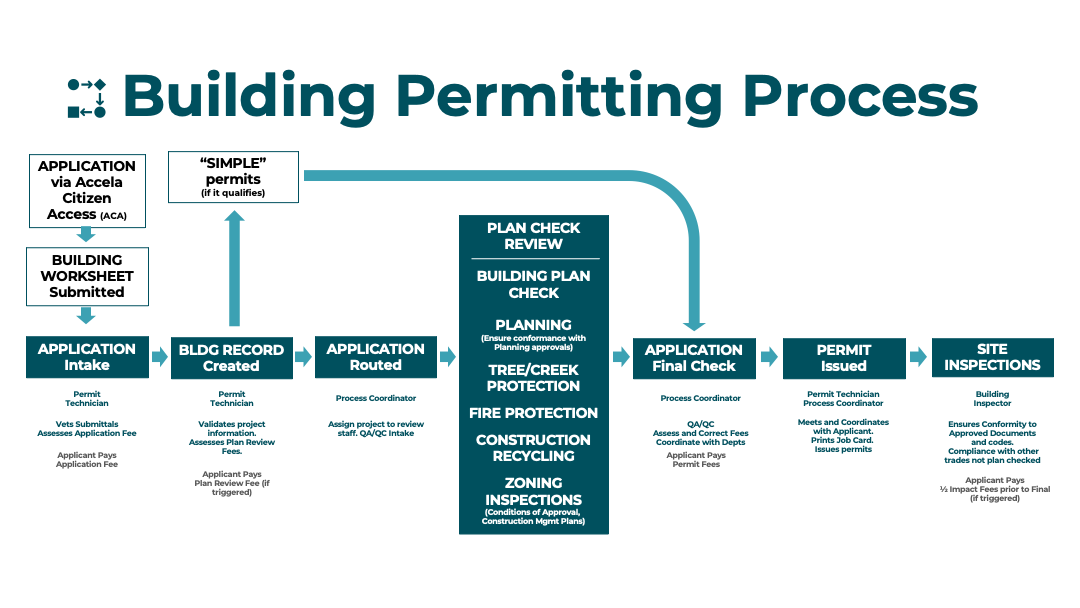
Permitting is not a simple approval, it is a multi-layered regulatory process involving:
- Zoning departments
- Structural and building review
- Fire safety review
- Engineering and environmental oversight
Each layer introduces potential delays.
⚠️ The 8 Most Common Causes of Permit Delays
1. Incomplete or Poor-Quality Plans (The #1 Cause)
South Florida has strict requirements for:
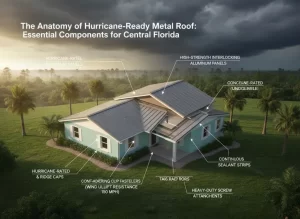
- Hurricane resistance
- Structural load calculations
- Energy efficiency
👉 Non-compliance = immediate rejection
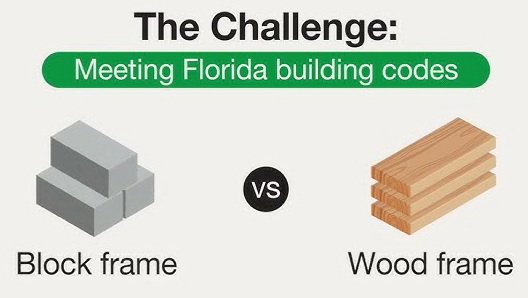
2. Failure to Meet Florida Building Code (FBC)
South Florida has strict requirements for:
- Hurricane resistance
- Structural load calculations
- Energy efficiency
👉 Non-compliance = immediate rejection
3. Zoning Conflicts & Setback Violations
Common issues:
- Building too close to property lines
- Exceeding height limits
- Lot coverage violations
👉 These errors can require major redesigns
4. Waterfront & Coastal Regulations
Waterfront homes often require:
👉 These layers significantly extend timelines
5. Slow Response to Plan Review Comments
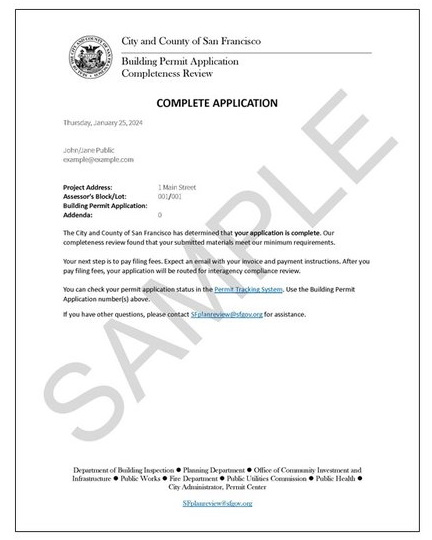
After submission, municipalities issue comments.
Delays occur when:
- Revisions take too long
- Teams are uncoordinated
👉 Time between resubmissions adds up quickly
6. Overloaded Municipal Departments
High construction demand leads to:
- Backlogs
- Slower review times
👉 This is common in South Florida’s luxury markets
7. Design Changes After Submission
Late changes force:
- Plan revisions
- Re-review cycles
👉 This can reset approval timelines
8. Inexperienced Builder or Design Team
Unqualified teams:
- Miss code requirements
- Submit incomplete packages
- Fail to anticipate issues
👉 Result: repeated delays
💰 The True Cost of Permit Delays
Permit delays are not just scheduling issues; they are financial risks.
Example:
- 6-month delay on a $5M project
Potential impact:
- $150K–$300K+ in added costs
- Material price increases
- Labor escalation
- Financing costs
🛡️ How to Avoid Permit Delays (Pro-Level Strategy)
1. Submit Complete, Coordinated Plans
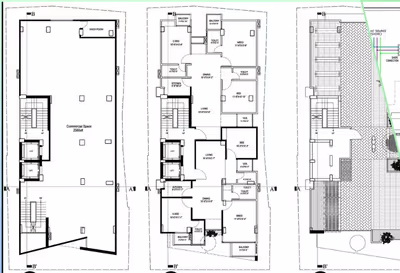
Plans should include:
- Architecture
- Structural engineering
- MEP systems
- Site plans
👉 Coordination is critical
2. Engage an Experienced Luxury Builder Early
An experienced builder:
- Identifies issues before submission
- Aligns design with code requirements
- Reduces revision cycles
3. Understand Local Municipality Requirements
Each city is different:
- Fort Lauderdale
- Boca Raton
- Miami
👉 Local expertise matters
4. Respond Quickly to Comments
Fast turnaround reduces delays.
👉 Speed = competitive advantage
5. Avoid Mid-Process Design Changes
Lock design before submission.
👉 Changes = resets
6. Plan for Delays in Your Timeline
Even with perfect execution:
- Some delays are unavoidable
👉 Build buffer into your schedule
7. Use a Structured Permitting Strategy
Top builders:
- Track submissions
- Manage revisions
- Communicate with reviewers
👉 This separates professionals from amateurs
📊 Permit Delay Prevention Framework
Risk | Solution |
Incomplete Plans | Full design coordination |
Code Issues | Experienced team |
Zoning Errors | Early feasibility analysis |
Waterfront Complexity | Specialized expertise |
Slow Responses | Rapid revision cycles |
Backlogs | Realistic timelines |
🧠 Strategic Insight
Permit delays are not random.
👉 They are the result of:
- Poor planning
- Inexperience
- Lack of coordination
The best projects:
- Anticipate issues
- Solve them before submission
- Move through approvals efficiently
Frequently Asked Questions
Kass Construction & Development specializes in efficient, structured project execution.
We provide:
- Full pre-construction coordination
- Code-compliant design planning
- Proactive permit management
- Clear communication with municipalities
We help clients:
- Avoid unnecessary delays
- Reduce costs
- Move from concept to construction faster