Regulatory Deep Dive: What You Must Know Before Building on the Water
Waterfront home construction in South Florida operates within one of the most complex regulatory environments in the country.
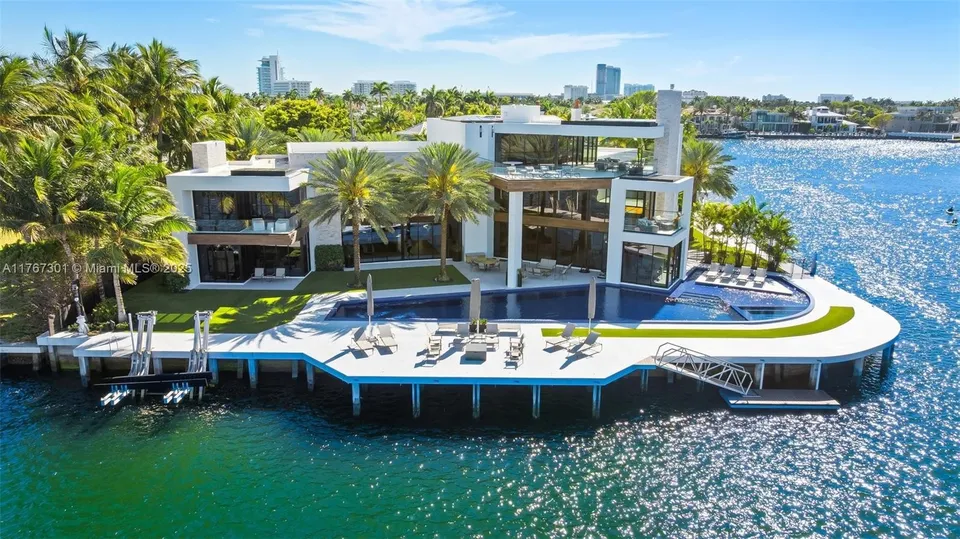
Kass Construction specializes in waterfront home construction in South Florida, delivering high-end waterfront estates that meet stringent coastal regulations while maximizing views, lifestyle, and long-term value. Building on the water in Broward County, Palm Beach County, or Miami-Dade County involves unique challenges including flood zones, hurricane-resistant construction standards, elevated foundations, and complex permitting processes.
Waterfront home construction in South Florida represents one of the most desirable opportunities in luxury real estate—but it also operates within one of the most complex regulatory environments in the country. This article opens by reframing waterfront construction as more than a building process; it is a multi-layered regulatory strategy that requires coordination across local municipalities, state agencies, and, in some cases, federal authorities. From permitting to environmental compliance, the guide establishes that success on the water depends as much on navigating regulations as it does on construction expertise.
The guide then breaks down the three-tier regulatory framework governing waterfront projects, detailing how local zoning, state environmental permitting (including FDEP and Environmental Resource Permits), and federal oversight all intersect. It explores the core regulatory categories that impact every build—such as seawall requirements, dock and marine structure approvals, environmental protections, flood zone compliance, and coastal setback rules like CCCL. By outlining these elements, the article provides a clear understanding of the constraints and requirements that must be addressed before construction can even begin.
Finally, the article delivers a strategic perspective on timelines, costs, and risk management, highlighting how regulatory complexity extends project timelines to 18–36+ months and increases costs by 15%–30% compared to inland builds. It identifies the most common mistakes that derail projects and emphasizes the importance of early feasibility analysis, experienced coastal builders, and proactive permitting strategies. By combining regulatory insight with practical execution guidance, this guide equips homeowners and investors to approach waterfront construction with the clarity and discipline required to protect their investment and maximize long-term value.
Unlike inland construction, building on the water introduces layered regulatory oversight across multiple agencies, including:
- Local municipalities (Fort Lauderdale, Boca Raton, etc.)
- State agencies (FDEP, Water Management Districts)
- Federal oversight (in some cases)
 The reality: Waterfront construction is not just a build—it is a regulatory strategy
This deep dive explains the full regulatory framework, key requirements, and how to navigate them efficiently.
🧠 The 3-Layer Regulatory Framework for Waterfront Home Construction in South Florida (Critical to Understand)
1. Local (City & County Regulations)
Local governments control:
- Building permits
- Zoning and setbacks
- Height restrictions
- Dock and seawall approvals
For example, Fort Lauderdale uses a digital permitting system (LauderBuild) where all plans are submitted and reviewed online.
👉 Every project must pass local plan review before construction begins
2. State-Level Oversight (FDEP + Environmental Permitting)
Florida regulates:
- Work in or over water
- Shoreline modifications
- Environmental impacts
The Environmental Resource Permitting (ERP) system governs:
- Docks
- Seawalls
- Boat lifts
- Shoreline stabilization
👉 Even small projects may require state-level approval.
3. Federal & Navigational Considerations
Certain projects may involve:
👉 Especially relevant for:
- Larger docks
- Dredging
- Canal modifications
🌊 Core Regulatory Categories That Impact Every Waterfront Build
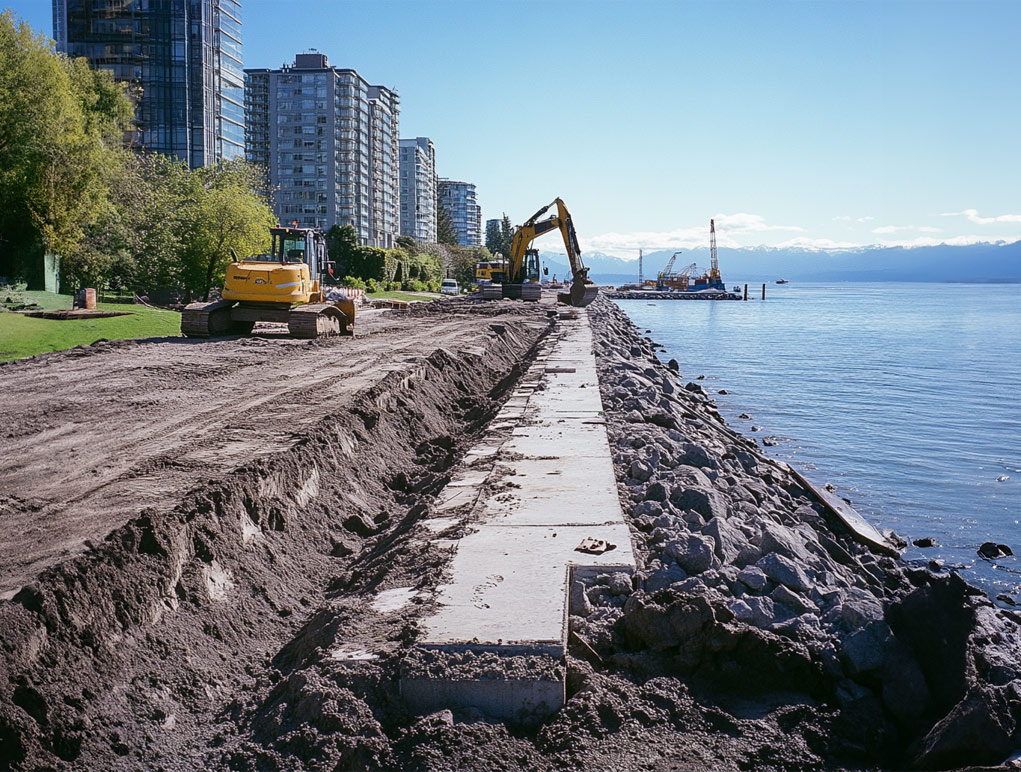
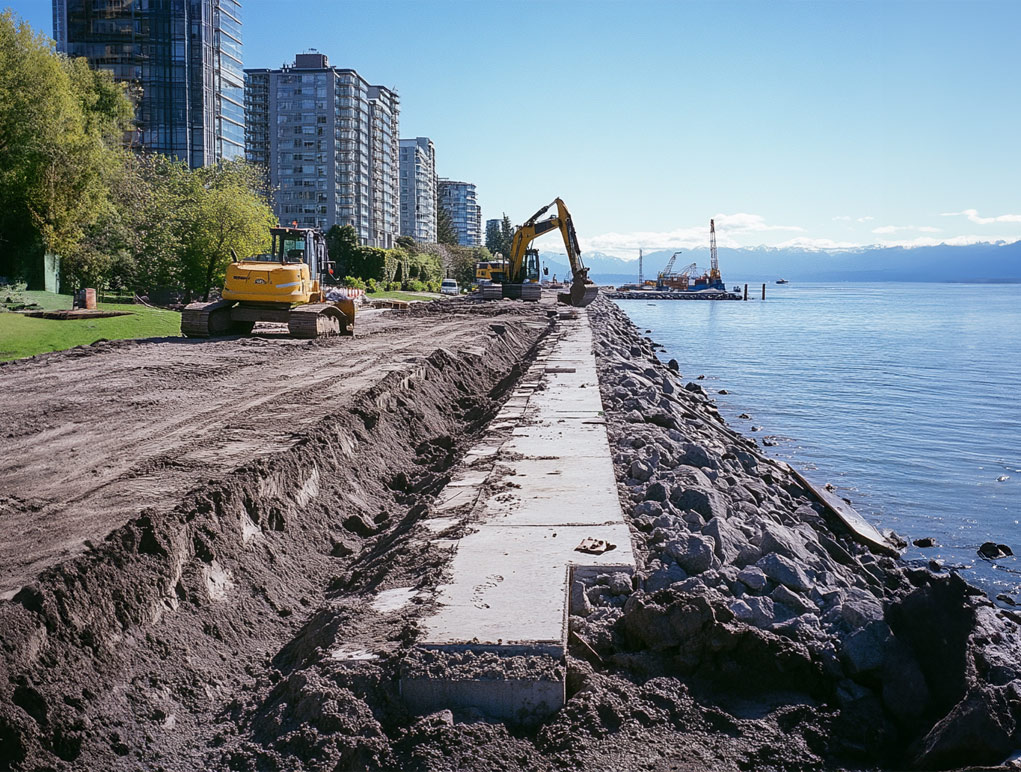
1. Seawall Regulations & Requirements
Seawalls are critical for:
- Erosion control
- Flood protection
- Property stability
In Fort Lauderdale:
- Seawalls must meet strict structural and elevation standards
- New resiliency rules require elevations around 0 feet NAVD
👉 Permits are required for:
- New seawalls
- Repairs or replacements
- Structural upgrades
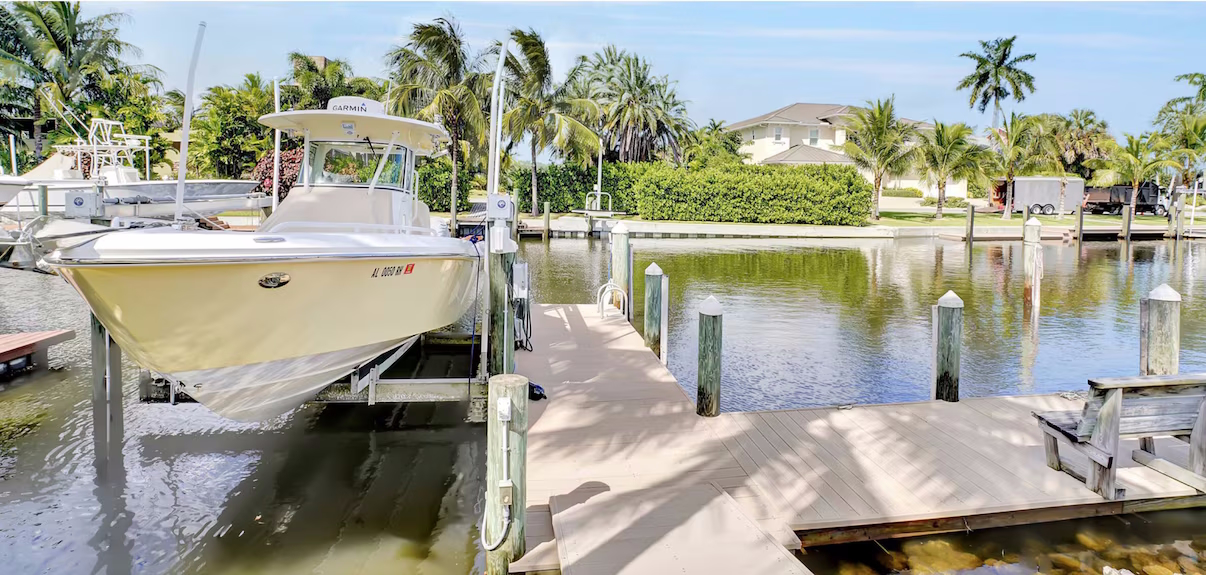
2. Dock, Boat Lift & Marine Structure Regulations
Typical requirements include:
- Local + state permits required
- Setbacks from property lines (often 5–10 feet)
- Restrictions based on canal width and navigation
Projects requiring permits:
- Docks
- Boat lifts
- Piers
- Dredging
👉 Even replacing an existing dock may require approval.
3. Environmental Restrictions (Critical Risk Area)
Waterfront construction must account for:
- Mangrove protections
- Seagrass preservation
- Water quality impact
- Wildlife habitats
👉 Environmental violations can:
- Stop projects entirely
- Trigger fines and redesigns
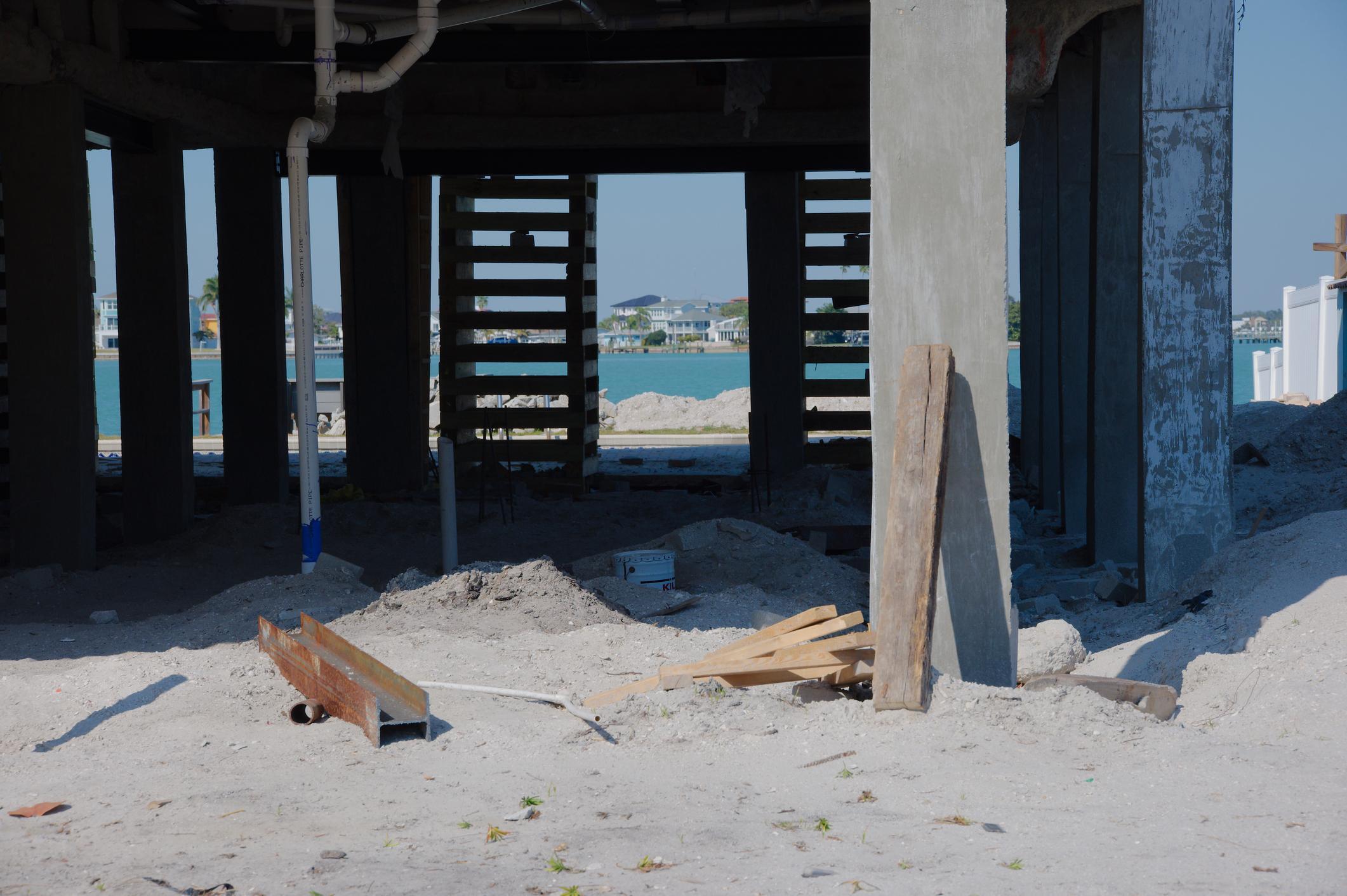
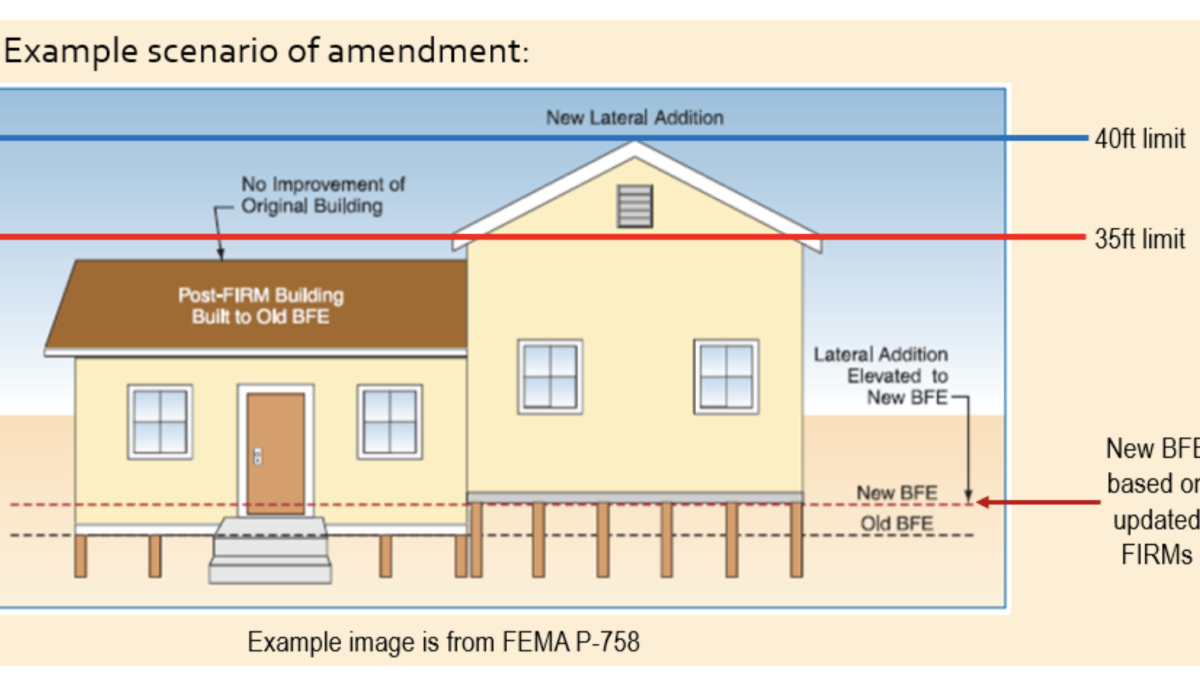
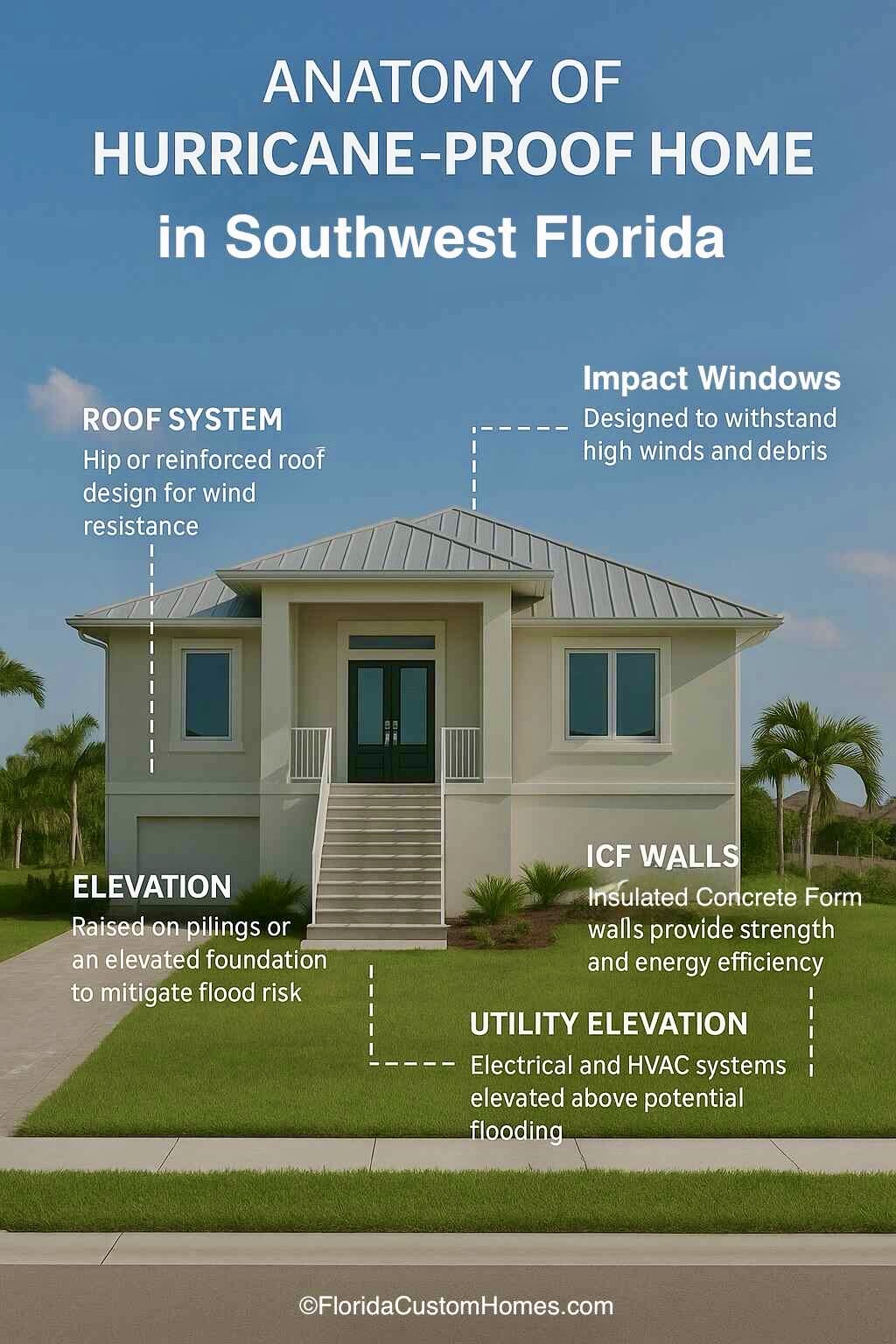
4. Flood Zone & Elevation Requirements
Waterfront homes must comply with:
👉 The goal:
Elevate structures above flood risk
5. Coastal Setbacks & CCCL (Oceanfront Only)
For oceanfront properties:
- CCCL regulates construction near the shoreline
- Additional setbacks may apply
- 30-year erosion projection lines can restrict build zones
👉 This is one of the most complex regulatory layers
📋 Permitting Timeline (Realistic Expectations)
Typical Waterfront Project Timeline:
- Feasibility & design: 2–4 months
- Permitting (local + state): 4–12+ months
- Construction: 12–24 months
👉 Total timeline: 18–36+ months
💰 Cost Implications of Waterfront Regulations
Regulatory compliance adds cost due to:
- Engineering requirements
- Marine construction complexity
- Permitting fees
- Extended timelines
Typical premium: 👉 15%–30% higher than inland construction
⚠️ Common Regulatory Mistakes (High-Risk)
- Buying property without feasibility analysis
- Underestimating permitting timelines
- Ignoring seawall condition
- Violating dock setback rules
- Hiring inexperienced builders
👉 These mistakes can delay projects 6–12+ months or more
🧠 Strategic Insight (This Is Where Deals Are Won or Lost)
Waterfront construction success depends on:
👉 Regulatory navigation—not just construction ability
The best projects:
- Solve permitting challenges early
- Align design with regulations
- Use experienced coastal builders
📊 Waterfront vs Inland Construction (Reality Check)
Factor | Inland | Waterfront |
Permitting | Moderate | Complex |
Timeline | Predictable | Extended |
Cost | Standard | Premium |
Risk | Lower | Higher |
Value | High | Ultra-High |
Frequently Asked Questions
Kass Construction & Development specializes in high-end waterfront construction across South Florida.
We provide:
- Full regulatory feasibility analysis
- Coordination with engineers and permitting agencies
- Marine construction expertise (seawalls, docks, foundations)
- Structured project execution
We help clients:
- Avoid costly regulatory mistakes
- Accelerate approvals
- Build high-performance waterfront homes