A Complete Guide to Coastal Regulations, Structural Requirements, Costs, and Risk Mitigation
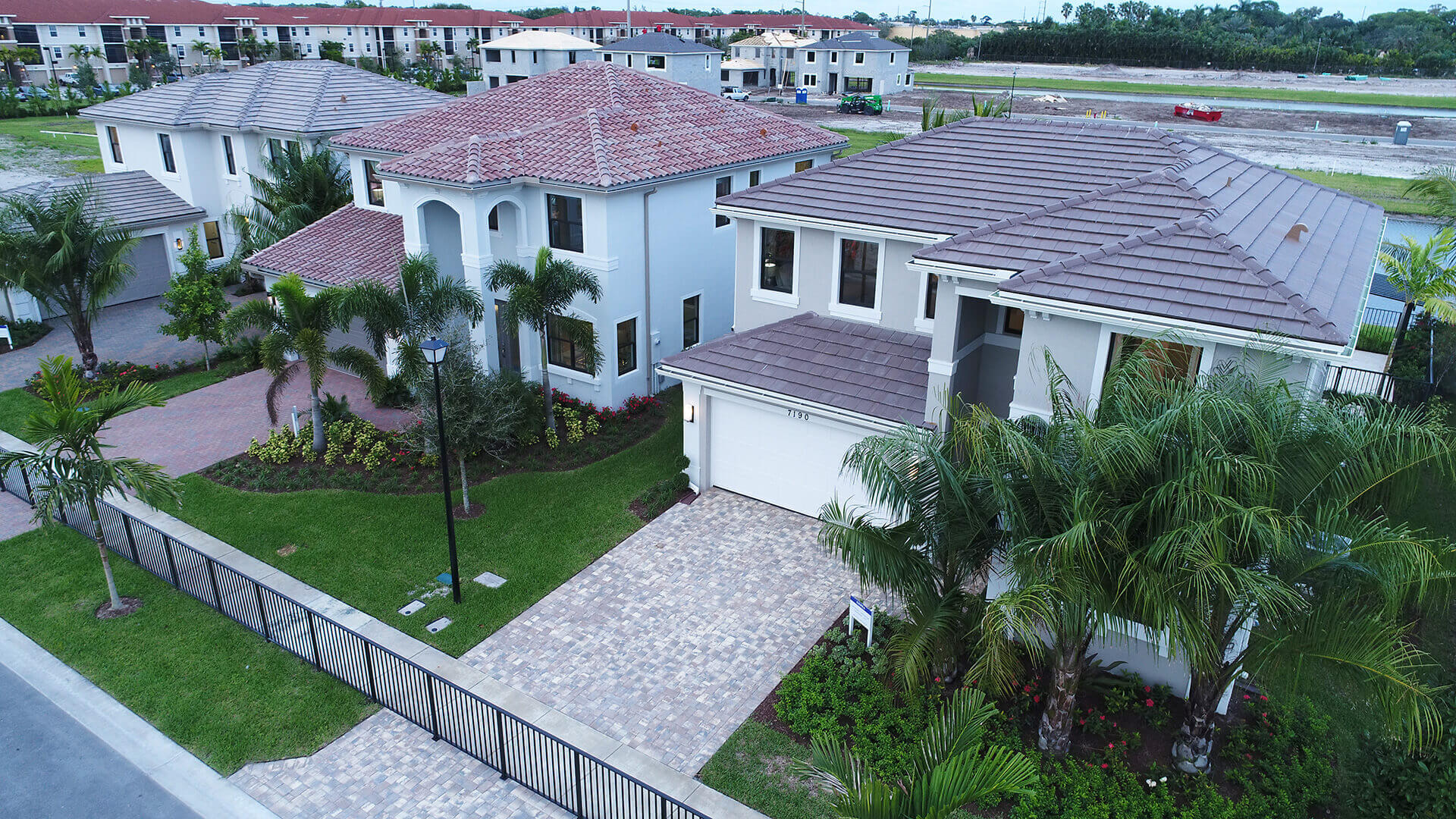
This regulatory deep dive examines the complex rules governing waterfront home construction in South Florida. From flood zone compliance and Coastal Construction Control Line (CCCL) setbacks to hurricane-resistant design standards, Kass Construction guides clients through these requirements when building luxury waterfront estates in Broward County, Palm Beach County, and Miami-Dade County.
Building a waterfront home in South Florida represents one of the most rewarding yet technically demanding real estate ventures available today. This article begins by establishing why waterfront construction is fundamentally different from traditional home building, highlighting the unique environmental conditions, engineering requirements, and regulatory constraints that come with coastal properties. From elevated water tables and unstable soil to saltwater exposure and flood zone compliance, the guide sets the stage for understanding the heightened complexity and risk associated with building along South Florida’s coveted waterways.
The article then walks through the entire permitting lifecycle, from initial zoning and feasibility analysis to architectural and engineering plan development, submission, multi-department review, and final approval. It explains how each stage functions, where delays typically occur, and why incomplete plans or slow responses can significantly extend timelines. Special attention is given to waterfront properties, which often require additional environmental, seawall, and coastal approvals adding further complexity to an already detailed process.
Finally, the article equips homeowners and investors with a strategic framework to mitigate risk and control costs throughout the build process. It highlights the primary cost drivers unique to waterfront properties, identifies the most common and costly mistakes, and sets realistic expectations for project timelines. With actionable insights and pro-level planning strategies, this guide positions waterfront construction not just as a building project, but as a highly specialized execution process that requires the right expertise, early planning, and disciplined decision-making to achieve long-term success.
🌊 Why Waterfront Construction Is Fundamentally Different
Waterfront construction is not just “custom home building near water” it is a specialized discipline.
Key differences include:
- Higher water table and unstable soil conditions
- Exposure to saltwater corrosion and humidity
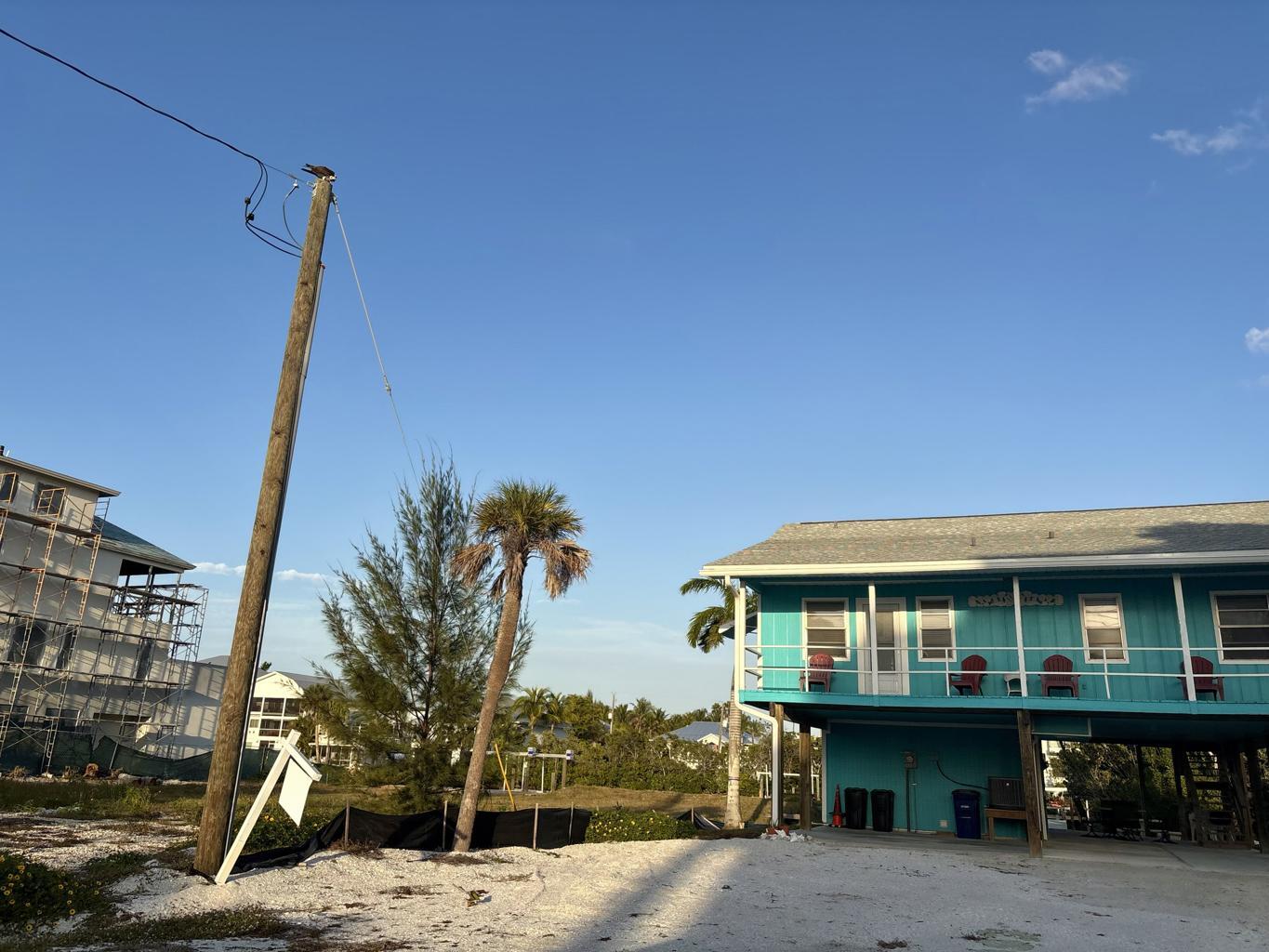
- Strict flood zone and elevation requirements
- Additional infrastructure such as seawalls and docks
👉 These factors significantly increase both cost and complexity.
🧱 Structural Engineering Requirements (Critical)
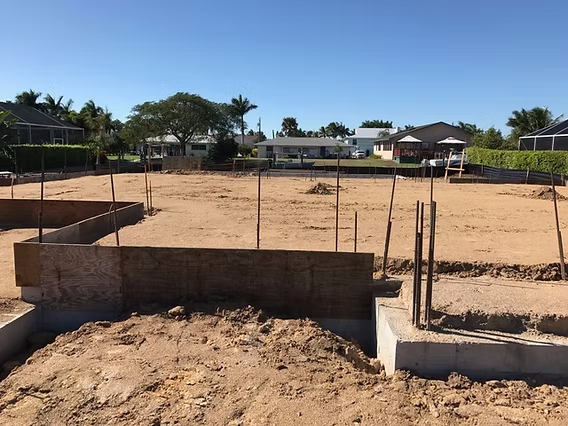
1. Foundation & Soil Stabilization
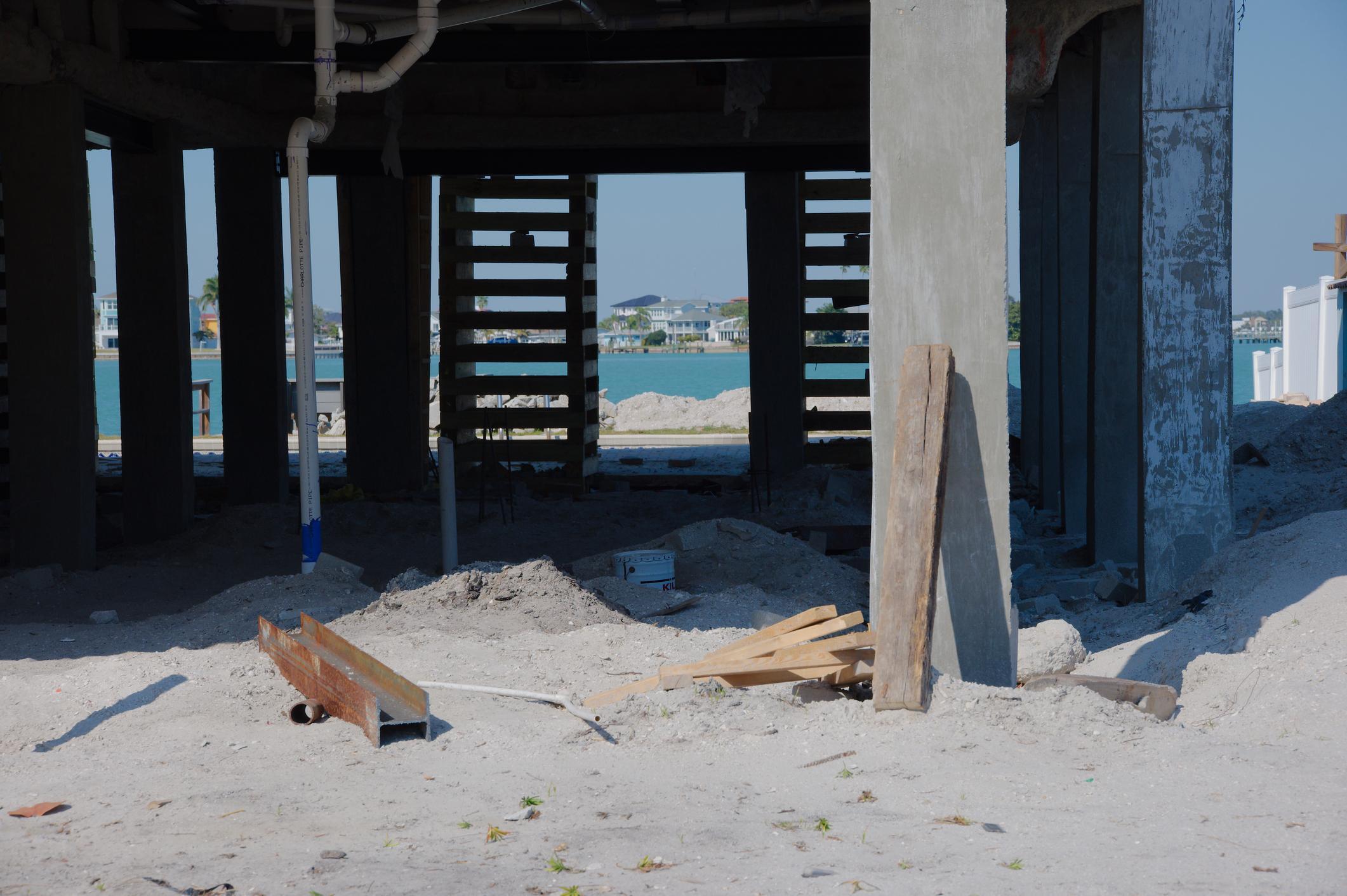
Waterfront lots often require:
- Deep foundations or pilings
- Soil compaction and stabilization
- Reinforced footings
Poor foundation planning leads to settlement issues and structural risk.
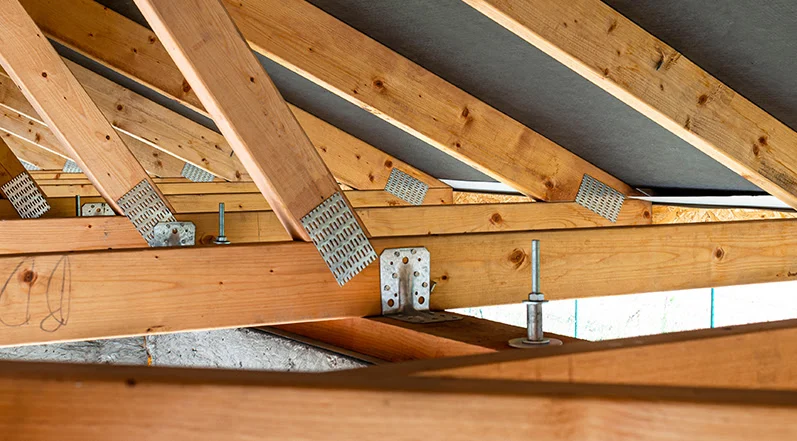
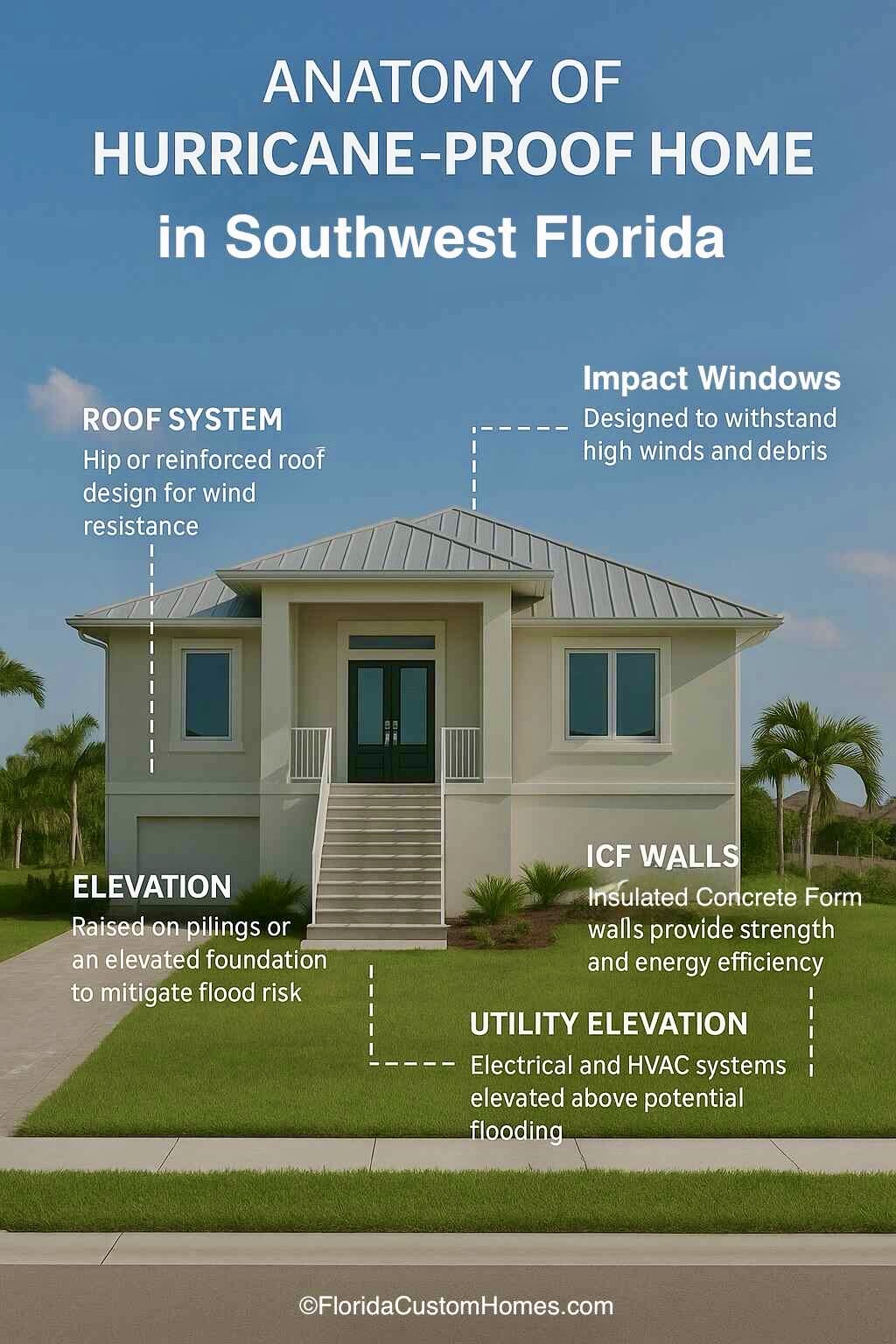
2. Concrete Block & Hurricane-Resistant Construction
In South Florida, luxury homes must be built to withstand:
- High wind loads
- Flying debris
- Storm surge exposure
This includes:
- Reinforced concrete block (CBS)
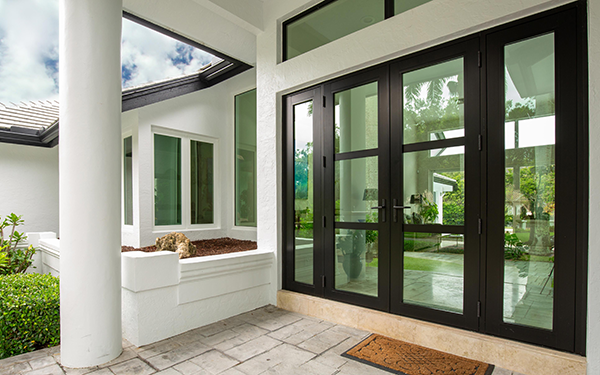
- Impact-rated windows and doors
- Structural tie-down systems
👉 This is non-negotiable—and a major cost driver.
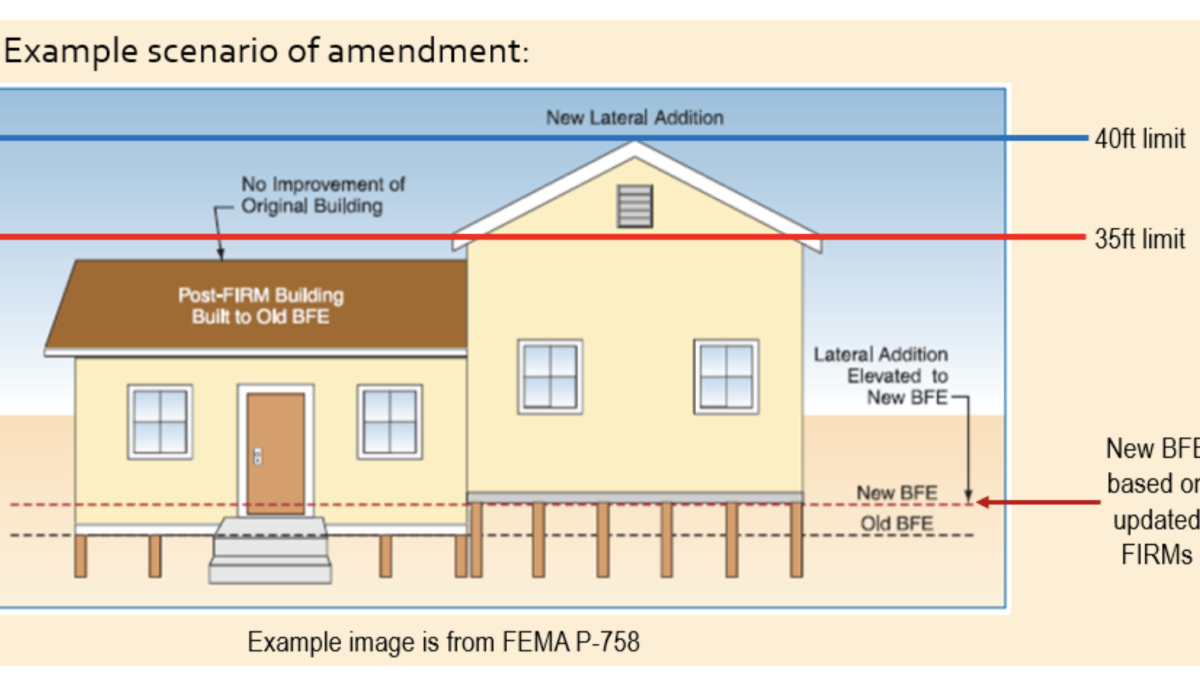
📏 Flood Zones, Elevation & FEMA Compliance
Most waterfront properties fall into high-risk flood zones.
Requirements include:
- Minimum finished floor elevation
- Flood-resistant materials below base flood elevation
- Proper drainage and grading
👉 Elevation mistakes can result in:
- Higher insurance premiums
- Failed inspections
- Reduced resale value
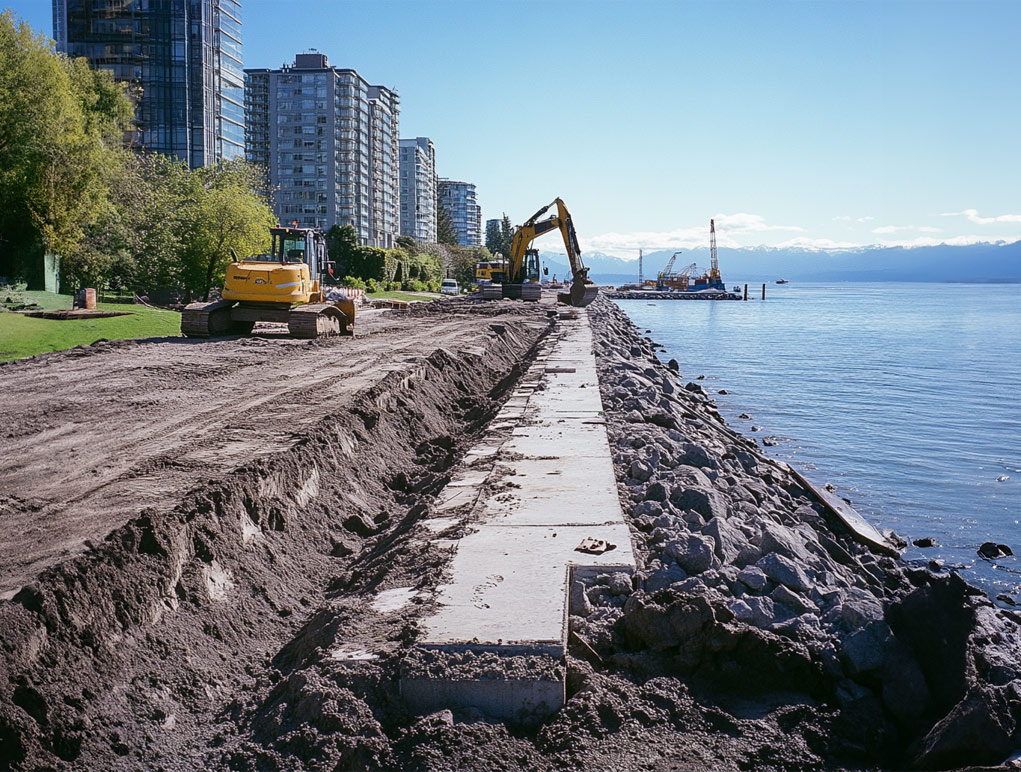
🏗️ Seawalls, Docks & Waterfront Infrastructure
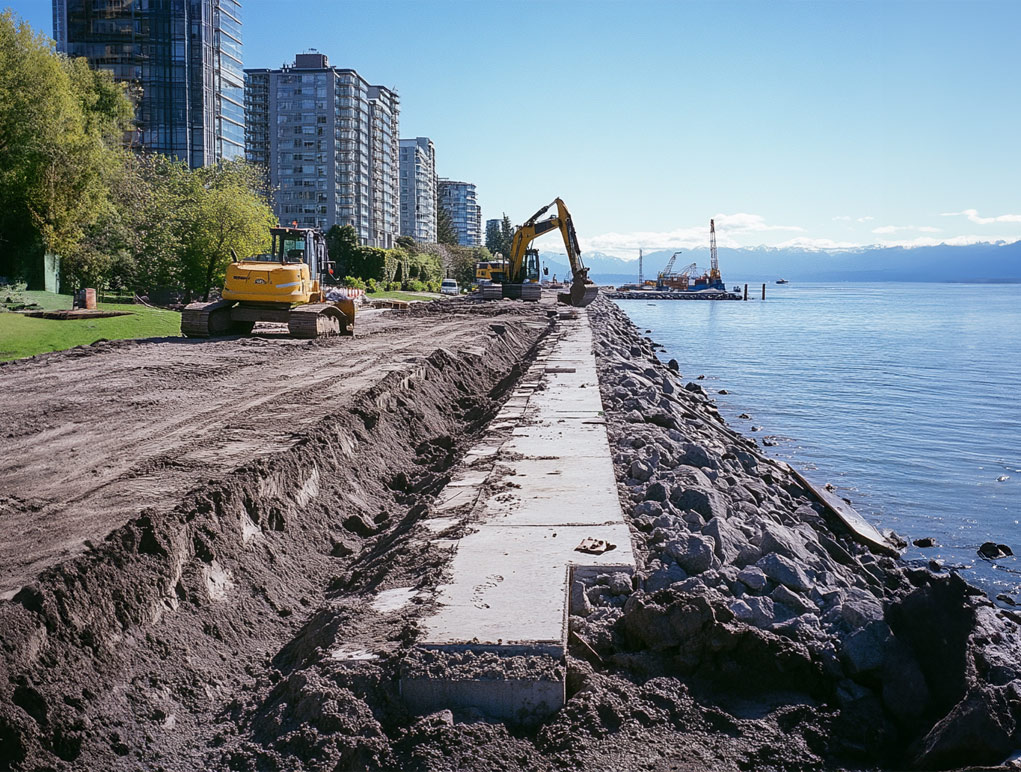
Seawalls
- Lifespan: ~30–50 years
- Replacement cost: $80K – $300K+
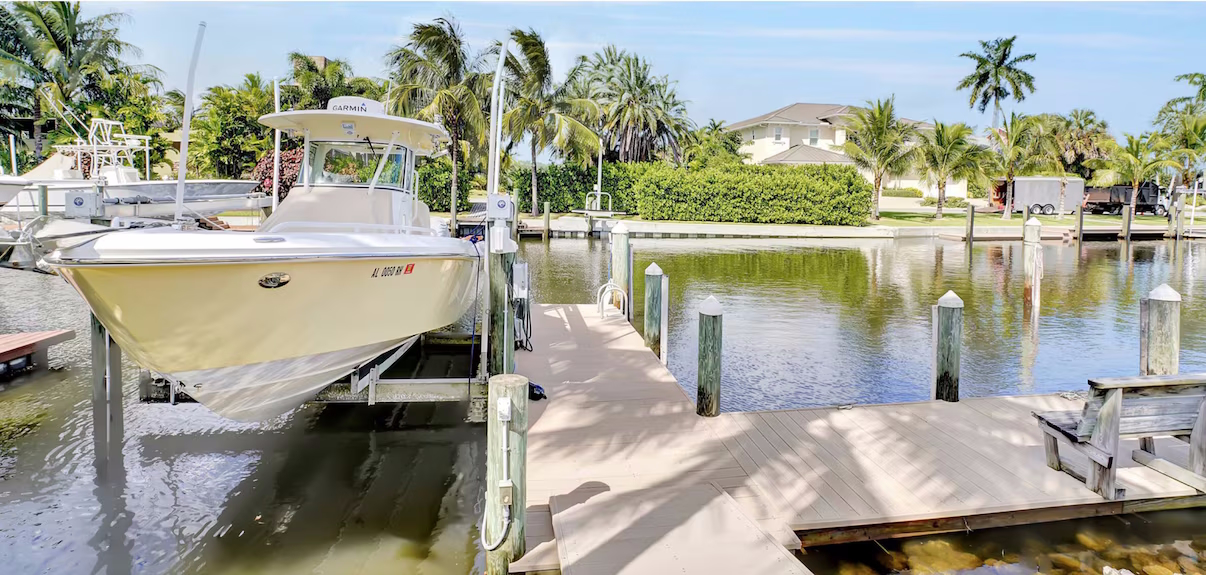
Docks & Boat Lifts
- Custom design based on vessel size
- Permitting required
👉 These elements are often overlooked during budgeting.
📜 Permitting & Regulatory Complexity
South Florida waterfront construction involves multiple layers:
- Municipal building departments
- Environmental regulations
- Coastal Construction Control Line (CCCL) (in certain zones)
- Dock and marine permitting
Expect:
- Longer approval timelines
- Additional engineering requirements
- Multiple inspections
💰 Cost Factors Unique to Waterfront Homes Major Cost Drivers:
Major Cost Drivers
- Site preparation and soil conditions
- Seawall and dock construction
- Elevation and foundation work
- Premium materials for corrosion resistance
- Extended timelines
Waterfront homes typically cost 15%–30% more than comparable inland builds.
Common Mistakes to Avoid
- Underestimating site conditions
- Ignoring seawall condition before purchase
- Hiring a builder without waterfront experience
- Not planning for elevation requirements
- Overlooking permitting timelines
These mistakes can add hundreds of thousands in unexpected costs.
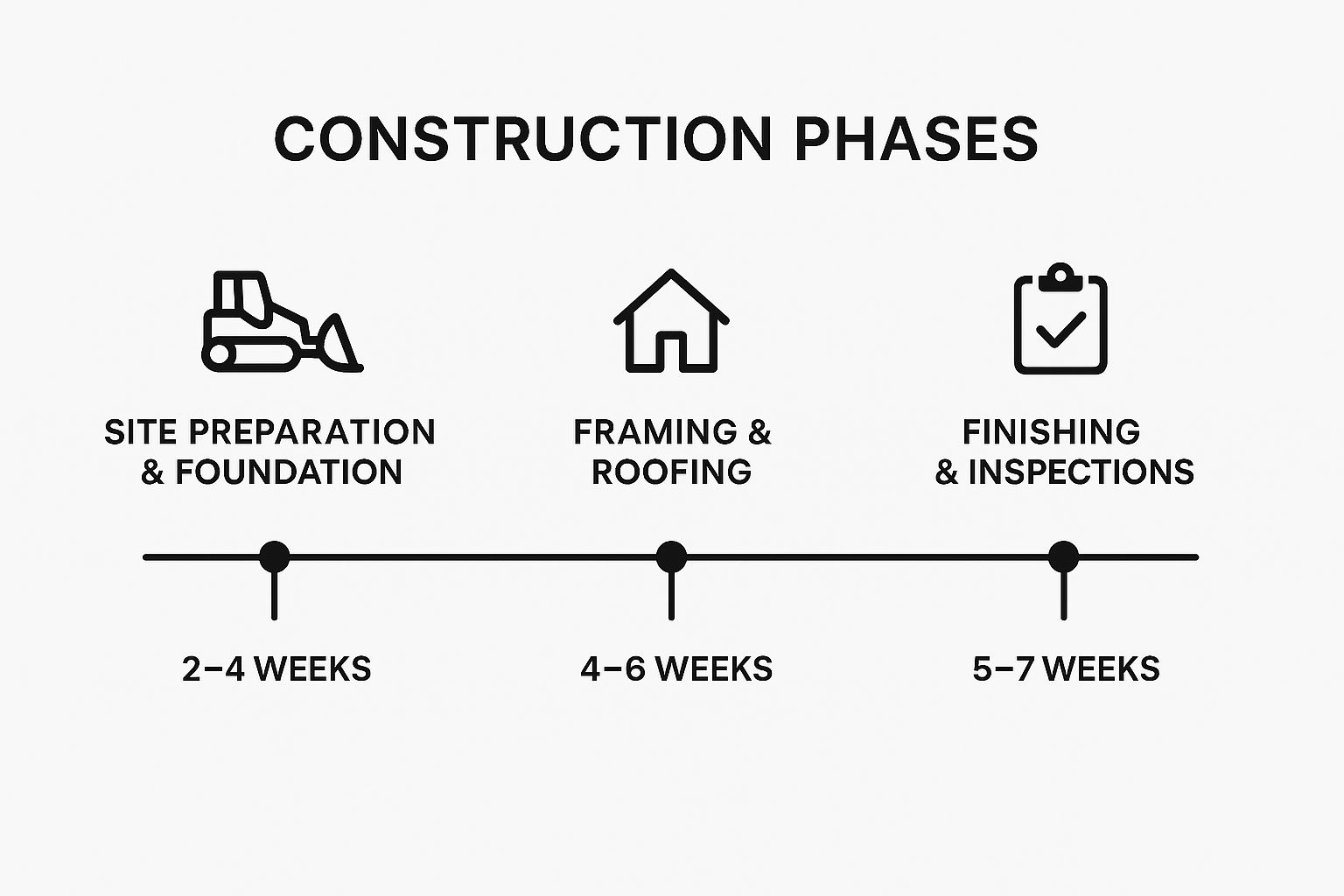
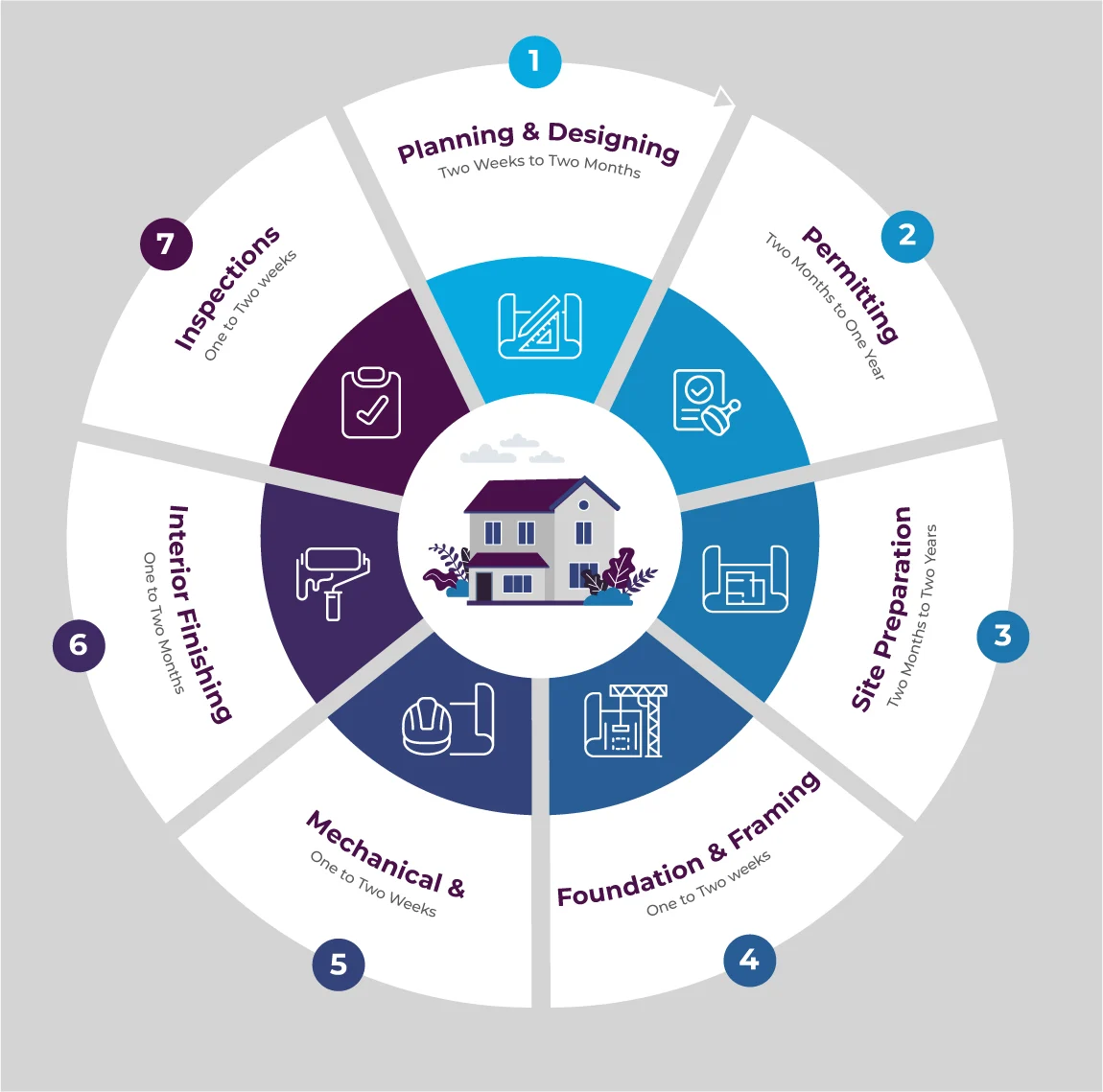
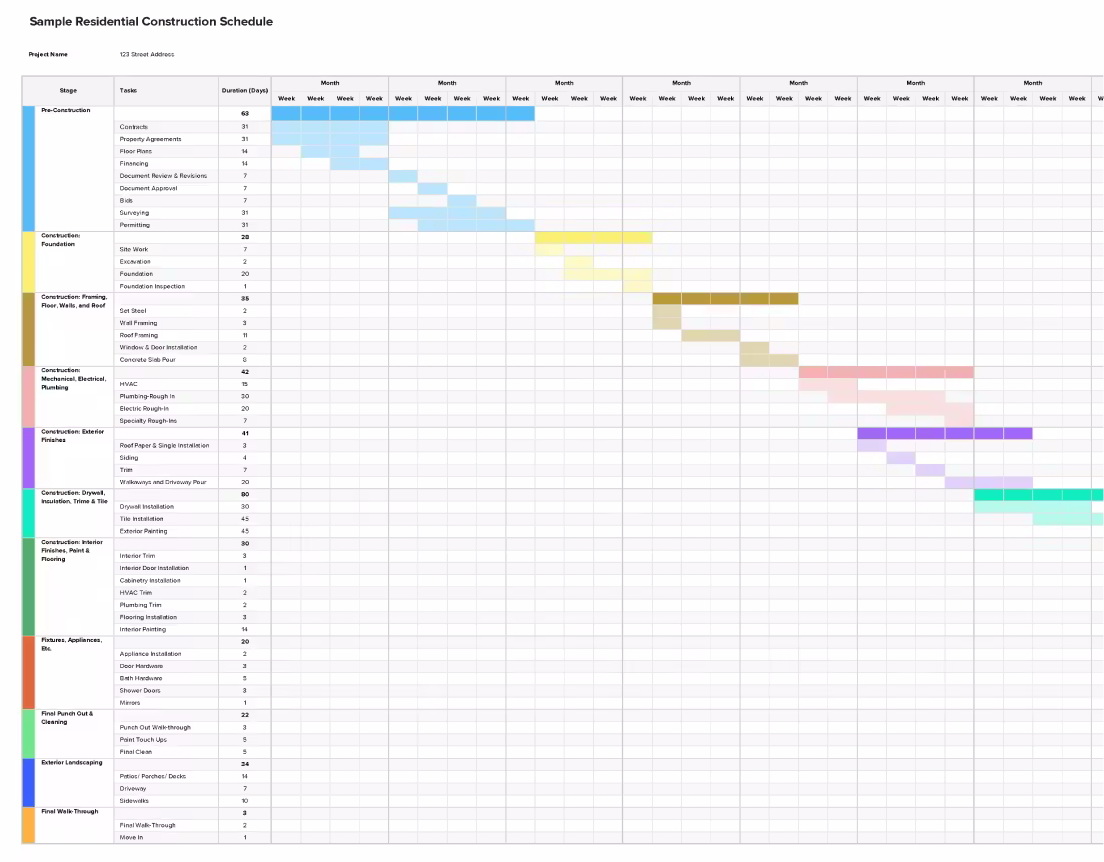
Timeline Expectations
💡 Pro Insight for High-End Projects
Typical timeline:
- Pre-construction: 3–6 months
- Permitting: 6–12+ months
- Construction: 12–24 months
Waterfront builds often take longer due to approvals and engineering.
To execute successfully:
- Conduct full site and seawall inspection before purchase
- Engage builder early (before finalizing plans)
- Work with architect + builder collaboratively
- Budget 15%+ contingency
- Prioritize structural integrity over cosmetic upgrades
Frequently Asked Questions
Q. What is the biggest challenge in waterfront construction?
Foundation stability, flood compliance, and regulatory approvals.
Q. How much more expensive is a waterfront home to build?
Typically 15%–30% more than inland homes.
Q. Do I need a special builder for waterfront homes?
Yes, experience in coastal construction is critical.
Q. What permits are required for waterfront construction?
- Building permits
- Environmental approvals
- Dock/seawall permits
Q. Why Kass Construction & Development
Kass Construction & Development specializes in:
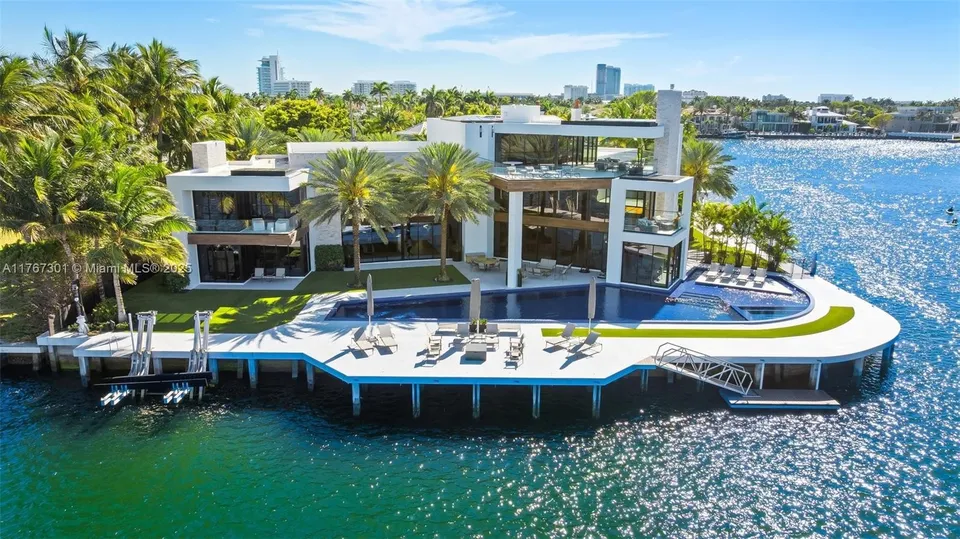
- Waterfront luxury homes
- Concrete, hurricane-resistant construction
- Complex permitting navigation
- High-end architectural builds
We help clients:
- Identify risks before construction begins
- Accurately budget waterfront variables
- Deliver structurally sound, high-performance homes