How to Protect Your Investment and Maintain Budget Control on High-End Custom Home Projects
Cost overruns in luxury construction can quickly erode budgets and timelines on high-end projects. In this guide, Kass Construction shares the primary causes of overruns when building in South Florida and practical prevention strategies we use for clients in Broward County, Palm Beach County, and Miami-Dade County.
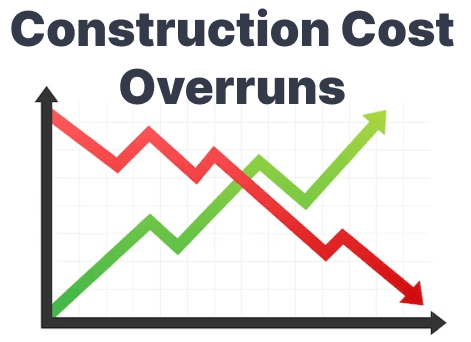
Cost overruns are one of the most significant financial risks in luxury custom home construction and this article opens by framing them as both common and largely preventable. In South Florida, where high-end projects often range from $3M to $10M+, even modest percentage increases can translate into hundreds of thousands or millions of dollars in unexpected costs. This guide establishes a clear understanding of what cost overruns are, why they occur, and how they impact overall project performance, positioning budget control as a critical component of successful luxury construction.
The article then breaks down the primary drivers behind cost overruns, including incomplete design, unrealistic budgeting, change orders, site conditions—especially on waterfront properties—permitting delays, material price volatility, and poor project management. By analyzing each of these factors in detail, the guide provides a real-world perspective on how costs escalate during a project and where the most common financial breakdowns occur. It also quantifies the impact, showing how typical overruns can reach 10%–30% or more, reinforcing the importance of proactive planning and disciplined execution.
Finally, the article delivers a proven framework for preventing and controlling overruns, outlining practical strategies used by experienced builders and developers. From finalizing design before construction and implementing detailed, line-item budgets to enforcing strict change order processes and maintaining contingency reserves, the guide emphasizes control, transparency, and accountability. It also highlights key warning signs that indicate a project may be at risk, equipping homeowners and investors with the insight needed to protect their investment and maintain financial discipline throughout the build process.
The good news: most cost overruns are predictable and preventable with the right planning, contract structure, and project management discipline.
This guide breaks down the real causes of cost overruns and provides a proven framework to avoid them.
🧠 What Is a Cost Overrun?
A cost overrun occurs when the actual project cost exceeds the original budget.
Example:
- Planned budget: $5,000,000
- Final cost: $5,750,000
👉Overrun: $750,000 (15%)
⚠️ The 7 Primary Causes of Cost Overruns
1. Incomplete or Evolving Design
One of the biggest drivers of overruns:
- Starting construction before plans are finalized
- Ongoing design changes during construction
👉 Every change impacts:
- Materials
- Labor
- Timeline
2. Underestimated Budget & Unrealistic Allowances
Builders sometimes use low allowances for:
- Kitchens
- Bathrooms
- Flooring
👉 Result: Clients upgrade later → cost spikes
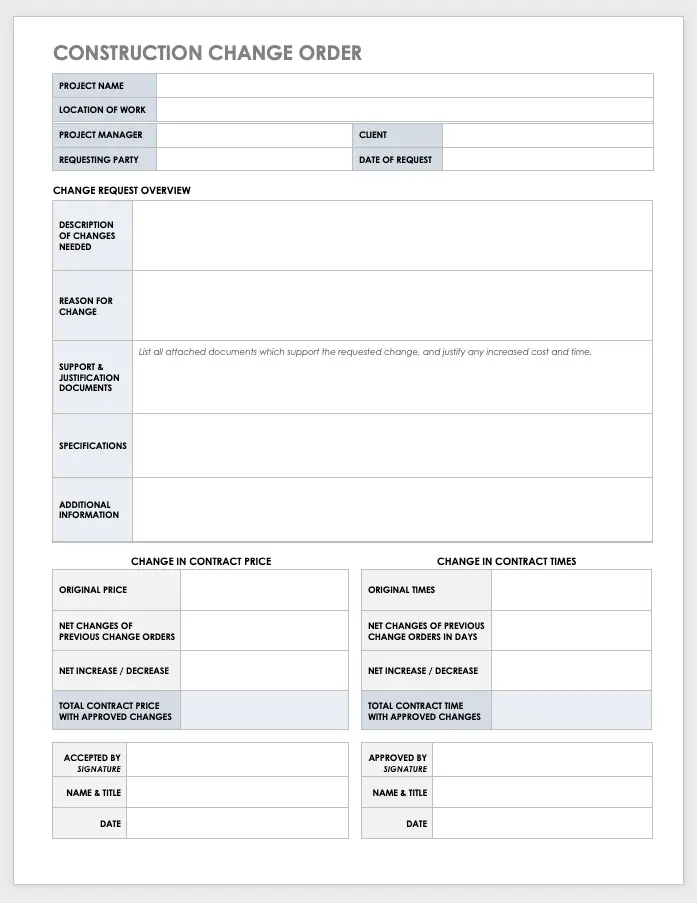
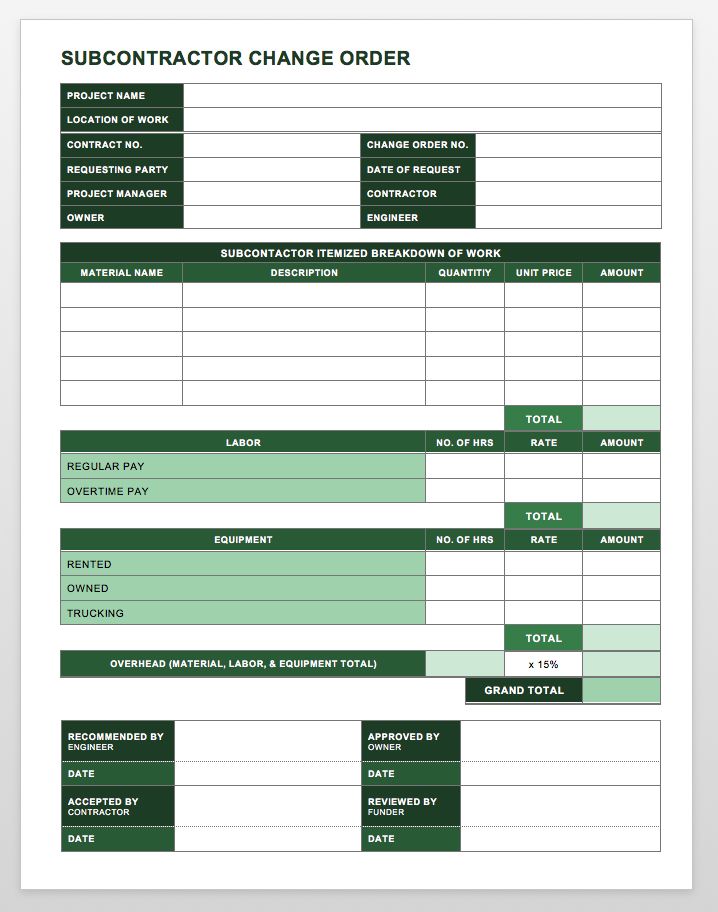
3. Change Orders During Construction
Change orders are modifications after construction begins.
Common examples:
- Upgrading finishes
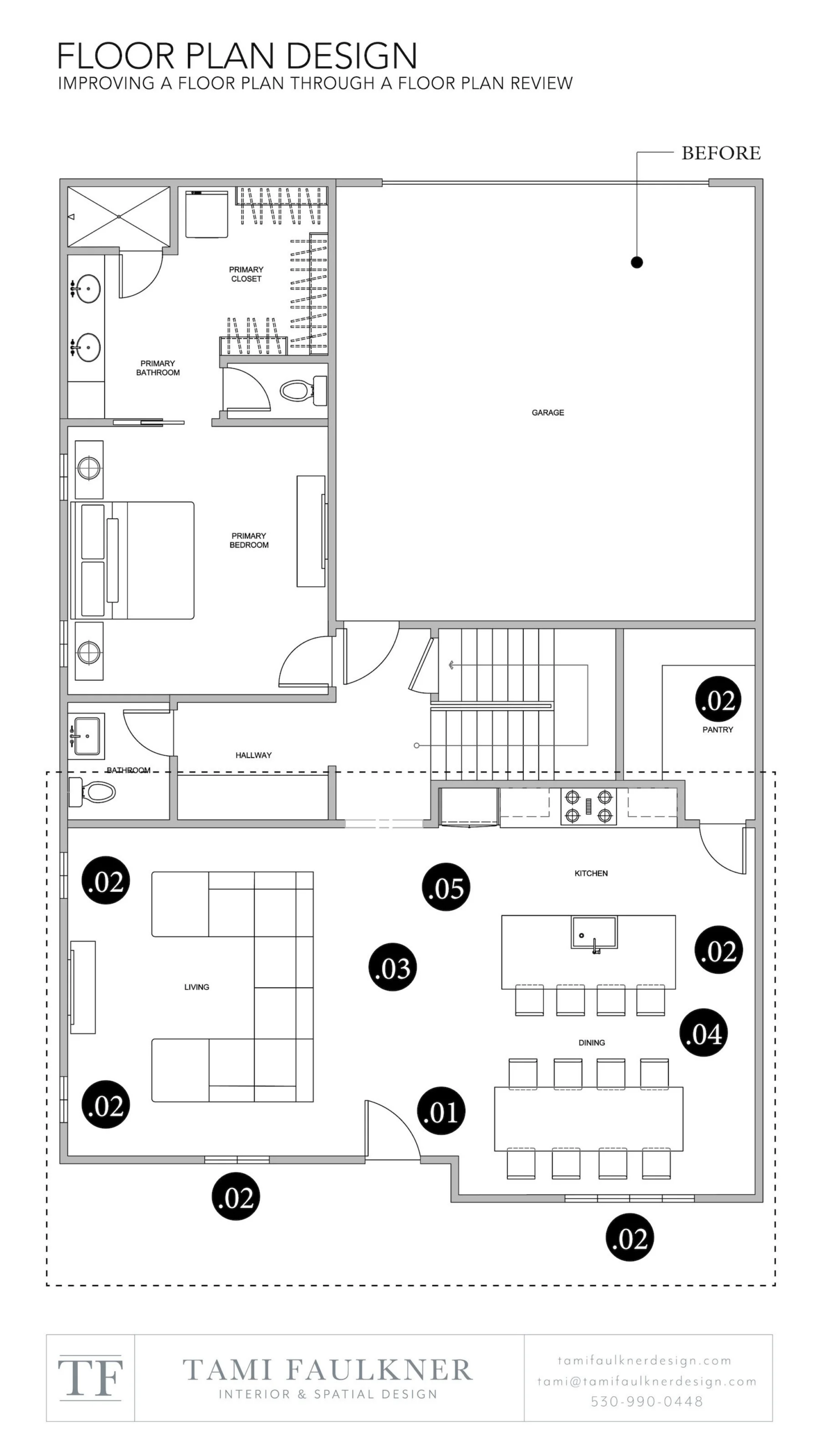
- Layout adjustments
- Adding features
👉 These are the #1 cause of cost overruns
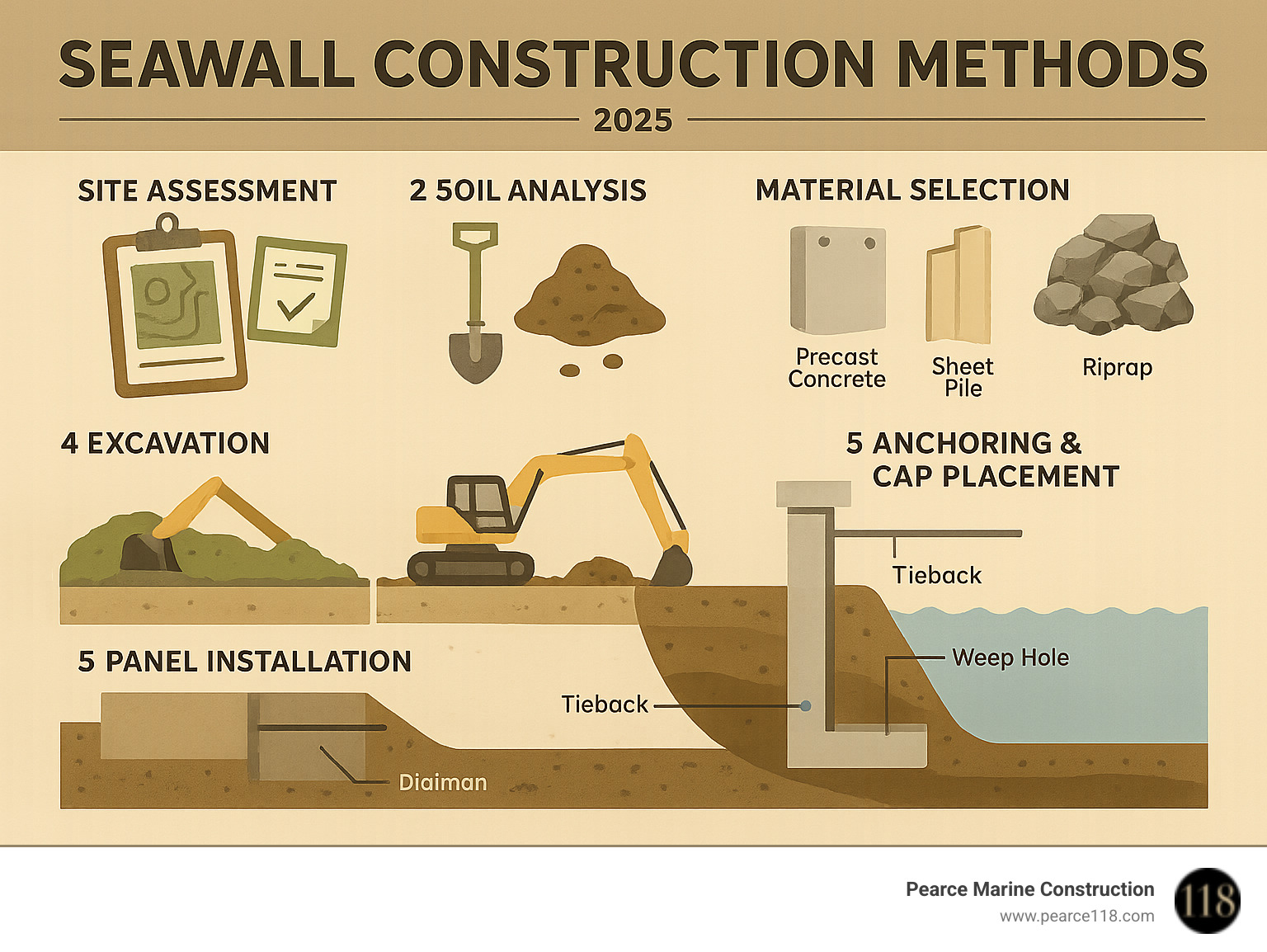
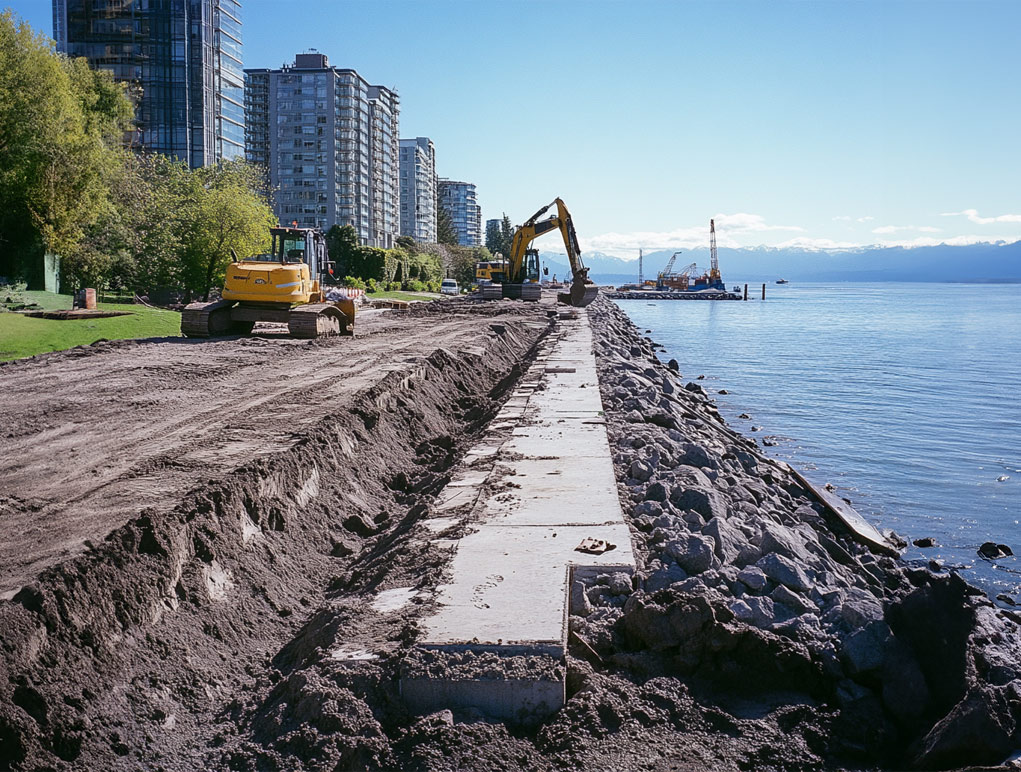
4. Site Conditions (Especially Waterfront)
Unexpected issues include:
- Poor soil conditions
- Seawall damage
- Drainage complications
👉 These can add significant unplanned costs
5. Permitting Delays & Regulatory Changes
Delays can lead to:
- Extended labor costs
- Material price increases
- Carrying costs
👉 South Florida permitting is a major variable.
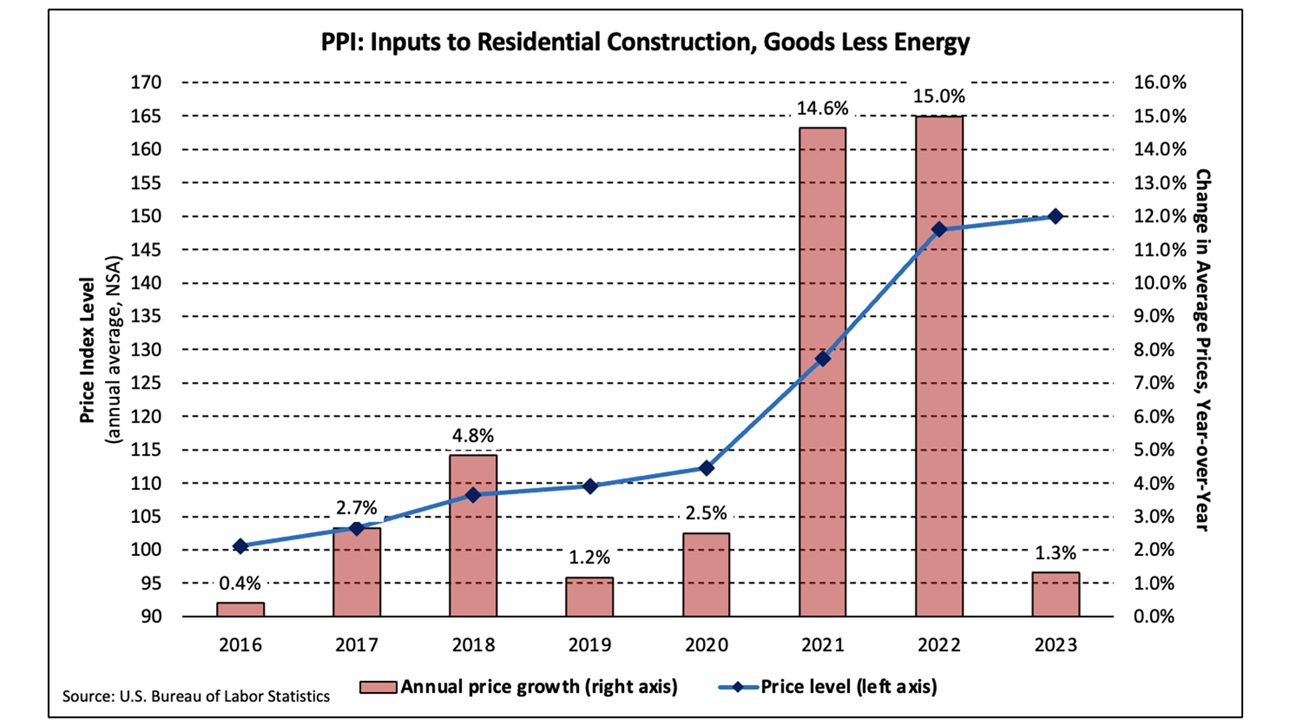
6. Material Price Volatility
Luxury projects often involve:
- Imported materials
- Custom fabrication
👉 Price changes and delays impact cost.
7. Poor Project Management & Communication
Lack of coordination leads to:
- Rework
- Scheduling inefficiencies
- Misaligned expectations
👉 This is where inexperienced builders fail.
💰 Real-World Impact of Cost Overruns
Typical overruns in luxury construction:
- 10%–15%(common)
- 20%–30%+(poorly managed projects)
👉 On a $7M home:
- 15% overrun = $1,050,000
🛡️ How to Prevent Cost Overruns (Pro-Level Strategy)
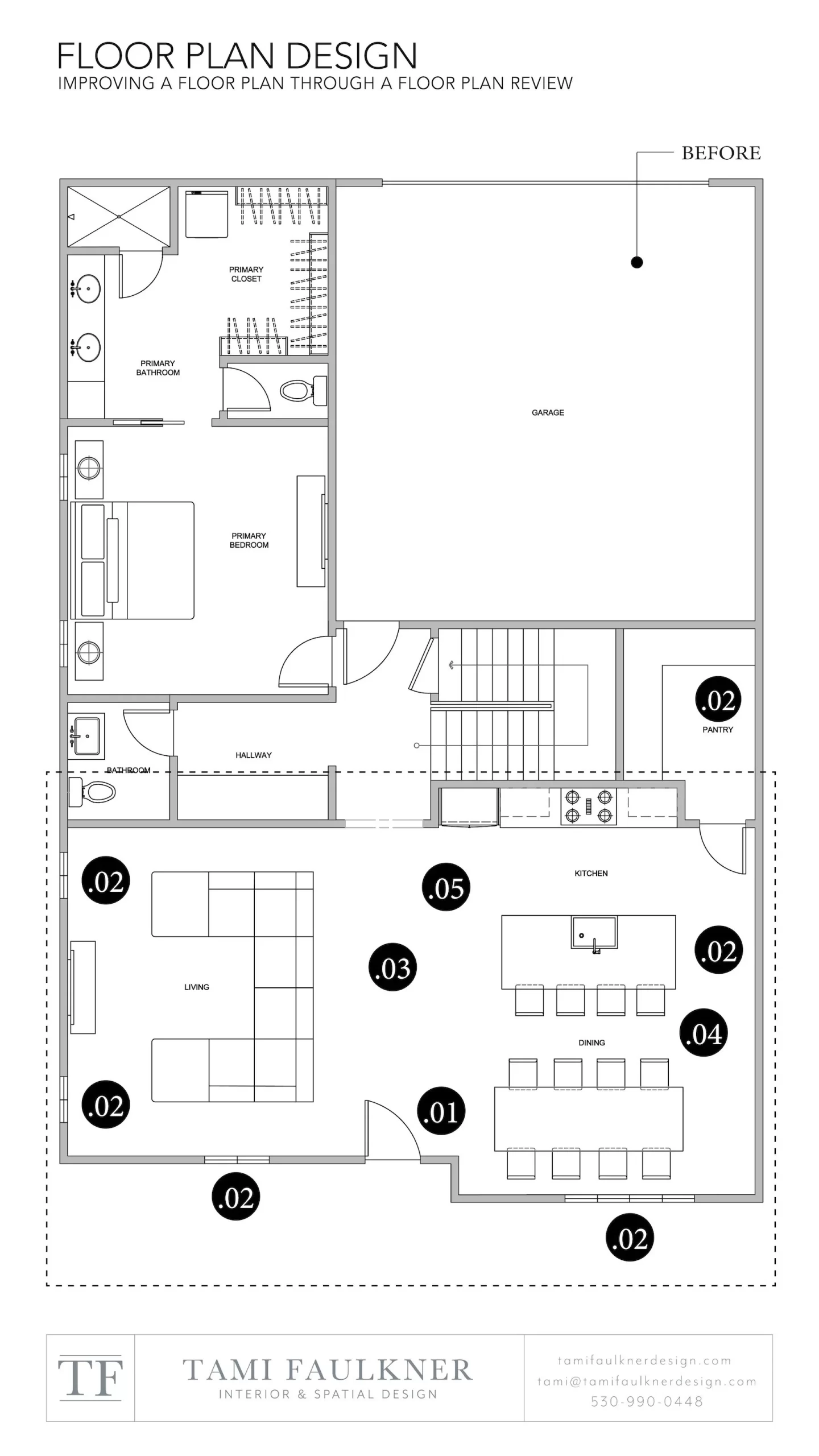
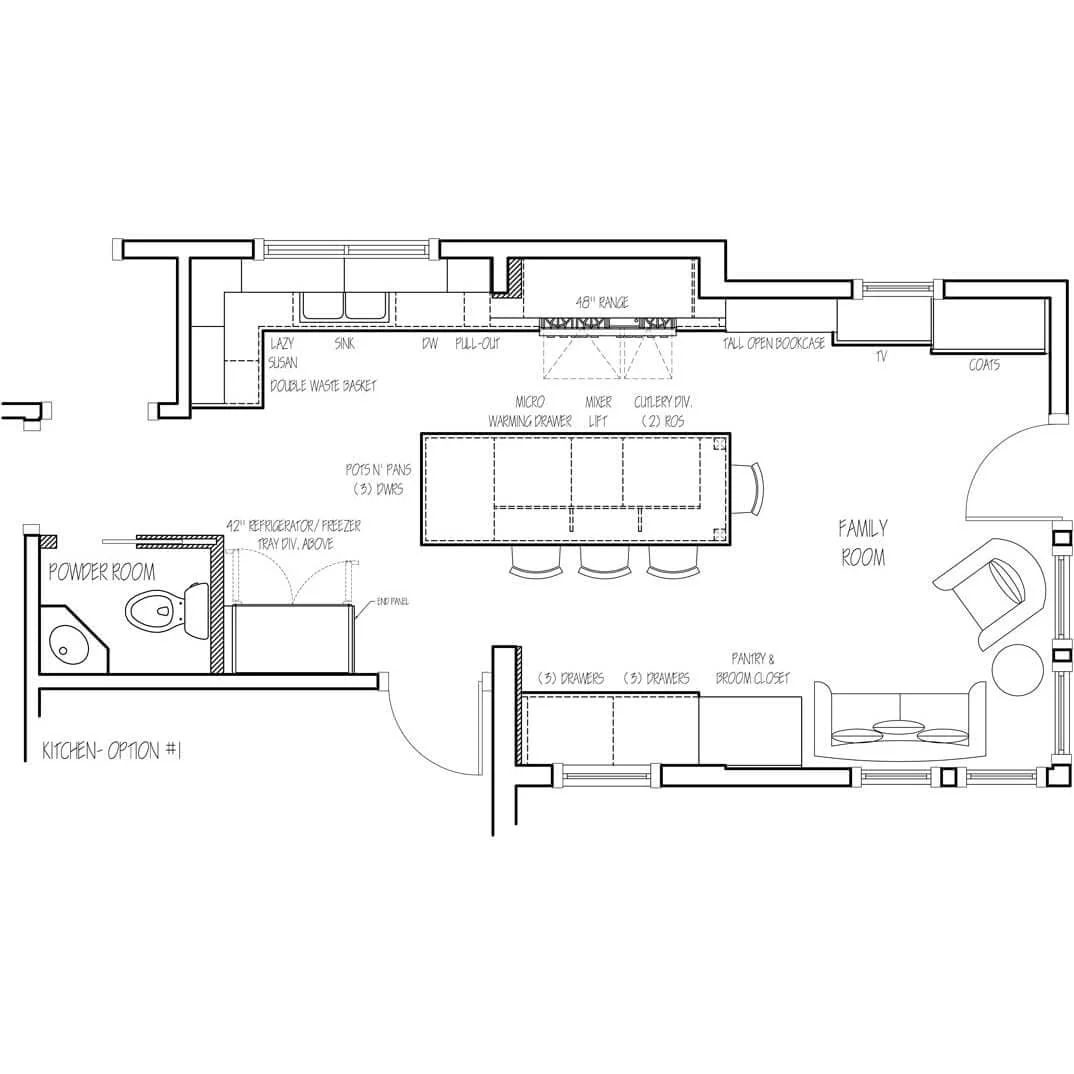
1. Finalize Design Before Construction Begins
👉 This eliminates:
- Mid-project changes
- Scope creep
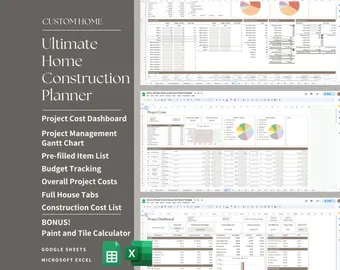
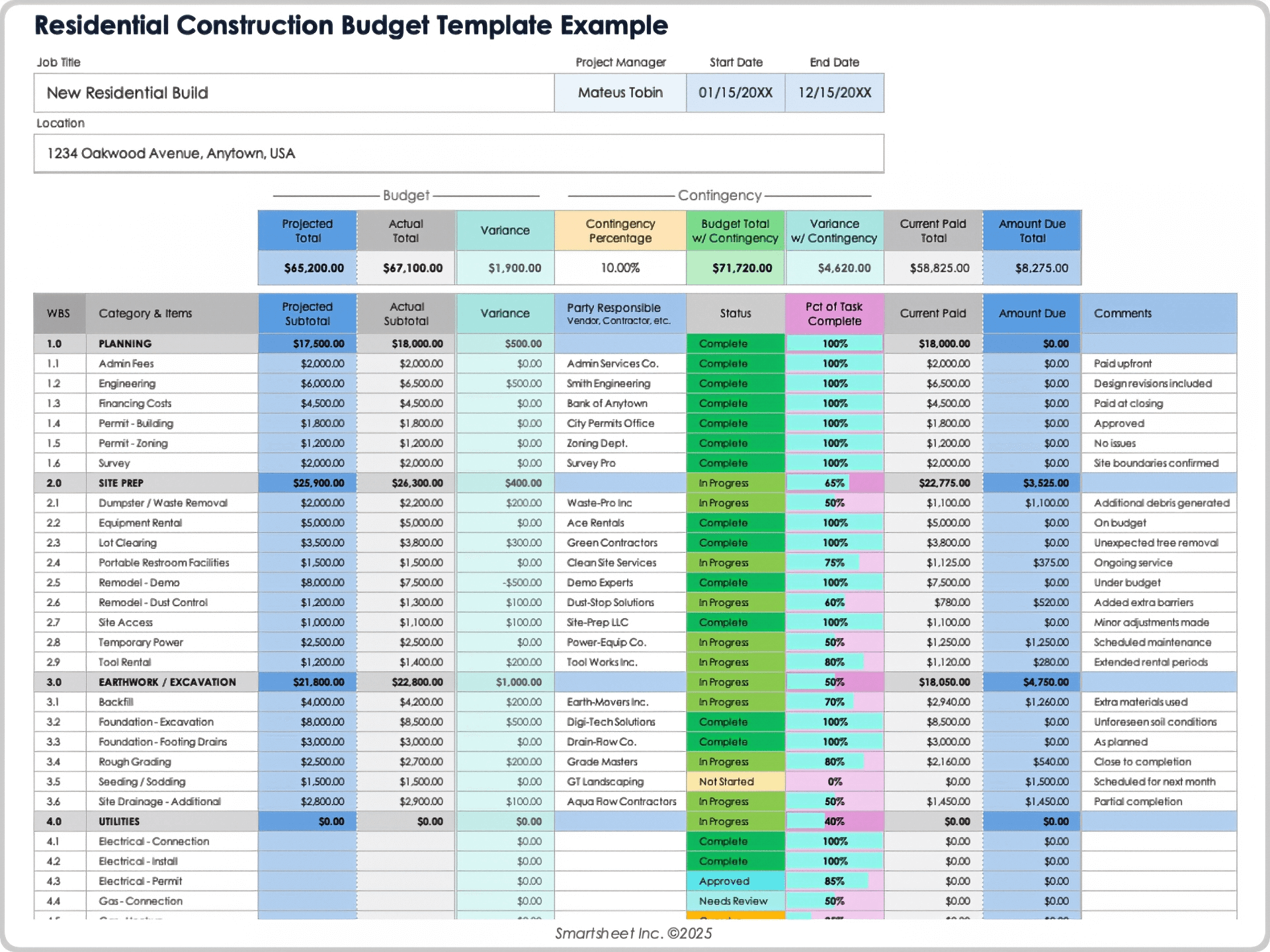
2. Use Detailed, Line-Item Budgets
Break down:
- Materials
- Labor
- Allowances
👉 Transparency = control
3. Establish a Controlled Change Order Process
Every change must include:
- Written approval
- Cost impact
- Timeline impact
👉 No exceptions.
4. Maintain a 10%–15% Contingency Reserve
This protects against:
- Unknown conditions
- Market fluctuations
5. Choose the Right Contract Structure
- Cost-plus (with transparency)
- GMP (Guaranteed Maximum Price)
👉 Avoid vague or incomplete contracts.
6. Work with an Experienced Luxury Builder
Experience matters in:
- Budget forecasting
- Risk identification
- Execution discipline
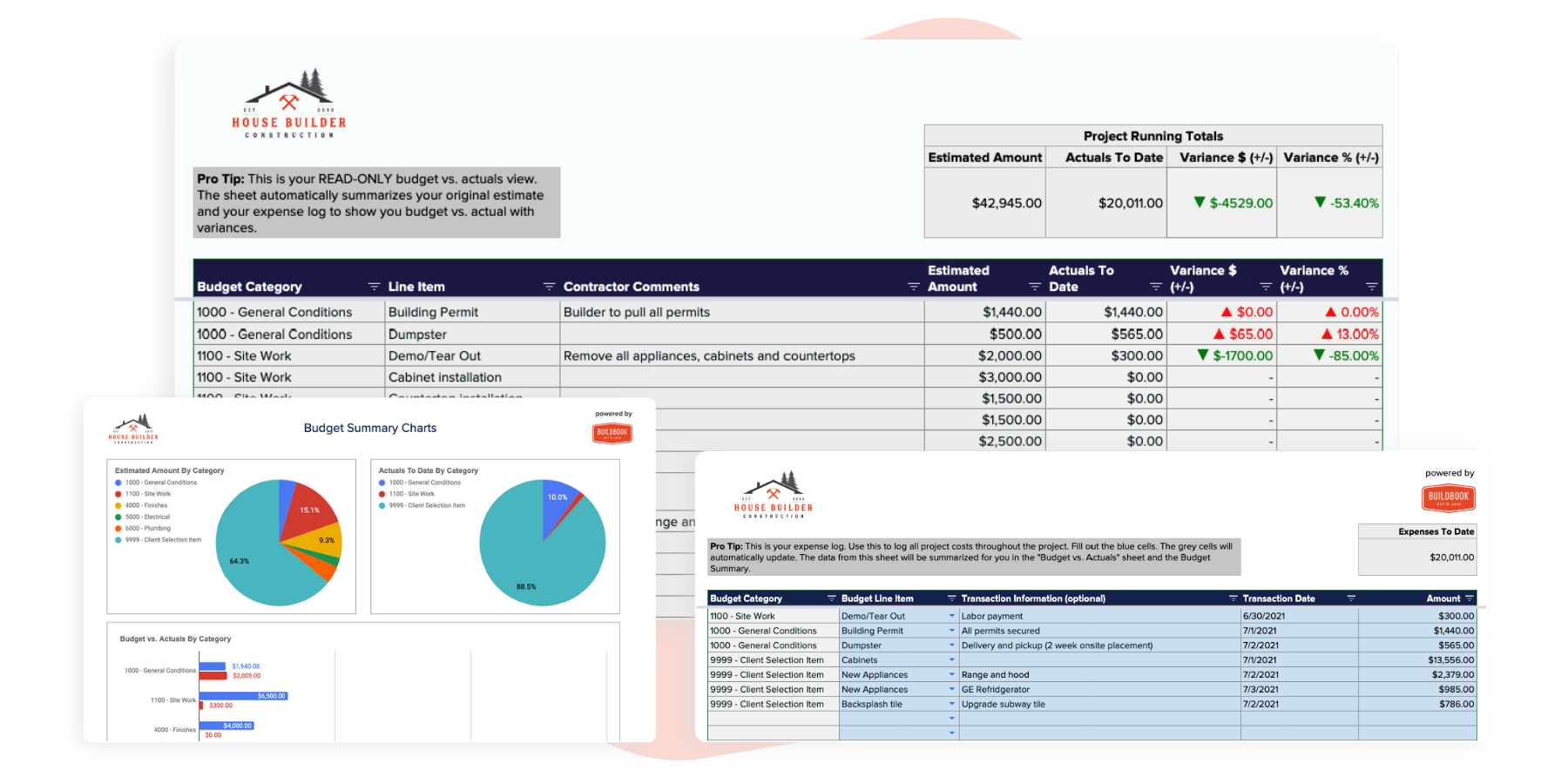
7. Monitor the Project with Ongoing Reporting
Track:
- Budget vs actual
- Change orders
- Timeline
👉 Early detection prevents escalation.
📊 Cost Overrun Prevention Framework
Risk Factor | Prevention Strategy |
Design Changes | Finalize plans early |
Low Allowances | Set realistic budgets |
Change Orders | Strict approval process |
Site Issues | Pre-construction analysis |
Permits | Plan for delays |
Materials | Early procurement |
Management | Experienced builder |
⚠️ Warning Signs Your Project Is at Risk
- Budget not clearly defined
- Frequent design changes
- Lack of detailed reporting
- Delays without explanation
- Vague communication
👉 These indicate potential overruns.
💡 Strategic Insight for High-Net-Worth Clients
The goal is not to eliminate all overruns—it’s to:
👉 Control, predict, and minimize them
Well-managed projects:
- Stay within 5%–10% of budget
- Maintain timeline discipline
- Deliver expected quality
Frequently Asked Questions
Q. What causes cost overruns in construction?
Design changes, poor planning, site conditions, and material costs.