A Strategic Guide to Protecting Your Investment in Luxury Custom Home Construction
Understanding construction contracts for high-end residential projects is critical to protecting your investment and ensuring a smooth building experience. At Kass Construction, we help clients across South Florida, primarily in Broward County as well as Palm Beach County and Miami-Dade County, navigate complex contract terms that cover scope, timeline, payments, change orders, and dispute resolution.
In high-end residential construction, the contract is not just a legal document it is the financial and operational blueprint that governs the entire project. This article begins by positioning construction contracts as a critical risk-management tool, especially in South Florida where luxury builds often range from $3M to $10M+ and involve complex design, permitting, and execution variables. It highlights how a properly structured agreement protects homeowners and investors from cost overruns, delays, scope disputes, and legal exposure, setting the foundation for a controlled and predictable build process.
The guide then breaks down the different types of construction contracts used in luxury projects fixed-price, cost-plus, and cost-plus with a guaranteed maximum price (GMP) explaining how each structure impacts cost transparency, flexibility, and risk. It further explores the essential components that must be clearly defined within any high-end contract, including scope of work, payment schedules, allowances, change order procedures, timelines, and insurance requirements. By detailing these elements, the article provides readers with a comprehensive understanding of how contracts directly influence both project execution and financial outcomes.
Finally, the article delivers a strategic framework for evaluating and negotiating construction contracts, highlighting common red flags and the costly consequences of poorly structured agreements. It emphasizes the importance of clarity, accountability, and disciplined oversight, while offering pro-level strategies used by experienced clients to maintain control throughout the build. By combining legal insight with practical construction knowledge, this guide equips homeowners and investors with the tools needed to protect their investment and execute a luxury custom home project with confidence.
For high-end residential builds in South Florida—often ranging from $3M to $10M+—a well-structured construction contract protects against:
- Cost overruns
- Project delays
- Scope disputes
- Legal and financial risk
This guide breaks down how construction contracts work, what to look for, and how to protect your investment before construction begins.
🧠 What Is a Construction Contract?
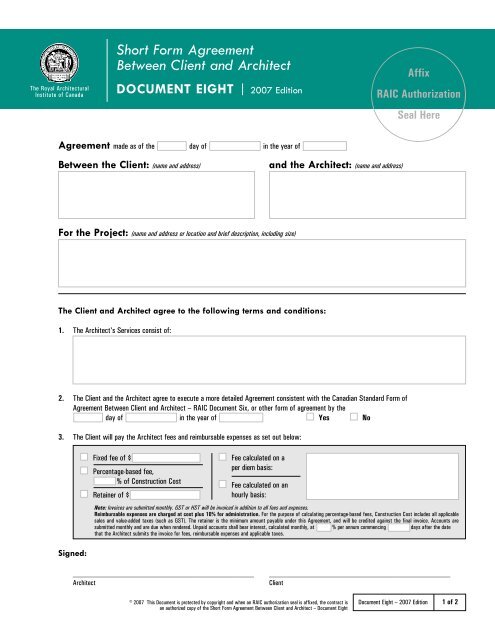
A construction contract is a legally binding agreement between the homeowner (or developer) and the builder.
It defines:
- Scope of work
- Project cost and payment structure
- Timeline and milestones
- Responsibilities of each party
👉 In high-end projects, contracts must be detailed, transparent, and strategically structured.
🏗️ Types of Construction Contracts (Critical to Understand)
1.Fixed-Price (Lump Sum) Contract
How it works:
- One total price for the entire project
Advantages:
- Predictable cost
- Lower financial uncertainty
Risks:
- Less flexibility for changes
- Builders may include large contingencies
👉 Best for: Clearly defined projects with minimal design changes
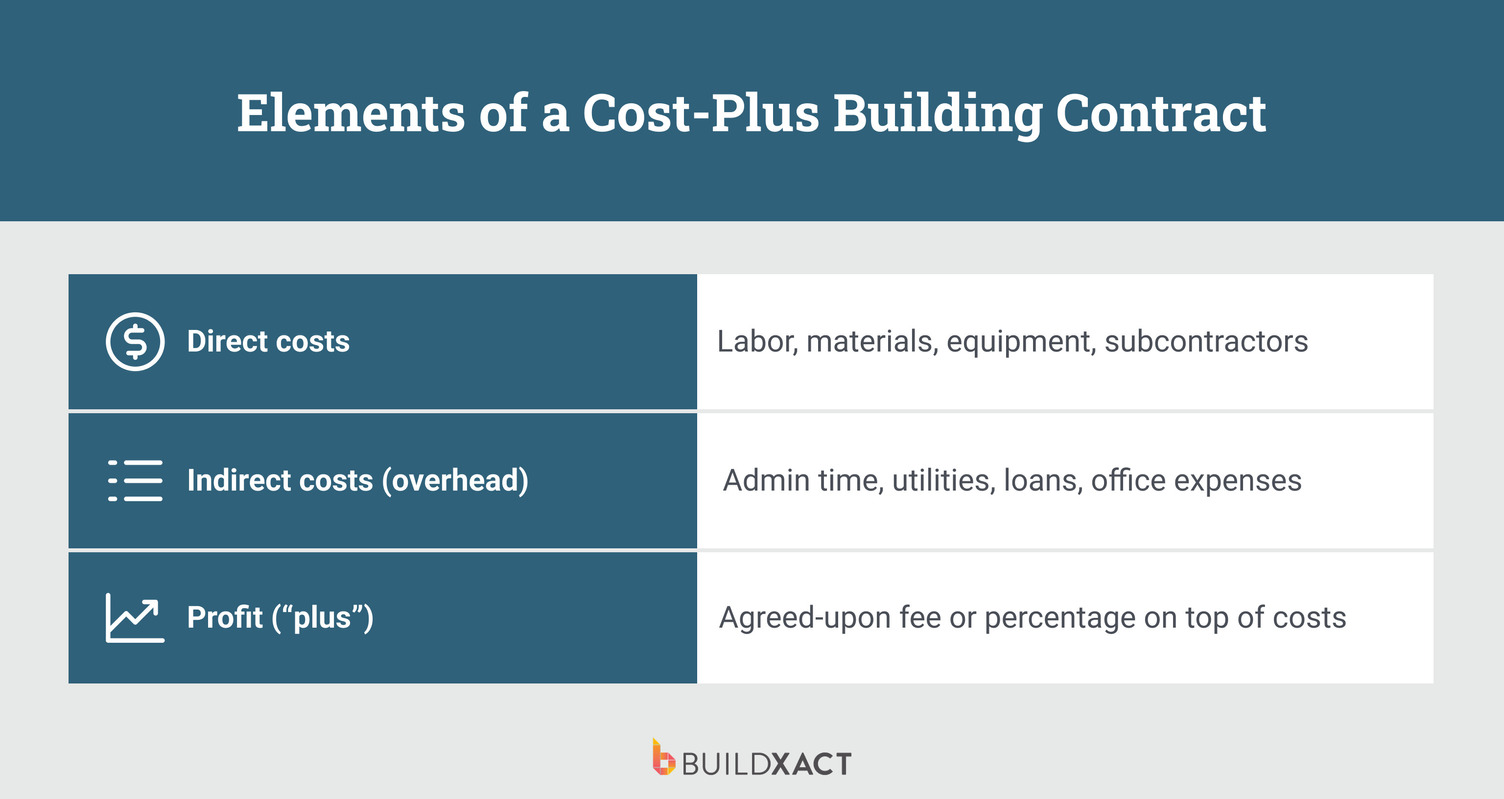
2. Cost-Plus Contract (Most Common in Luxury Builds)
How it works:
- Client pays actual costs + builder fee (percentage or fixed)
Advantages:
- Transparency
- Flexibility for customization
- Higher quality control
Risks:
- Requires disciplined oversight
- Potential for cost overruns without controls
👉 Best for: High-end custom homes with evolving design
3. Cost-Plus with Guaranteed Maximum Price (GMP)
Hybrid structure:
- Cost-plus model with a price ceiling
Advantages:
- Balance of flexibility + cost control
👉 Common in sophisticated luxury projects
📄 Key Components of a High-End Construction Contract
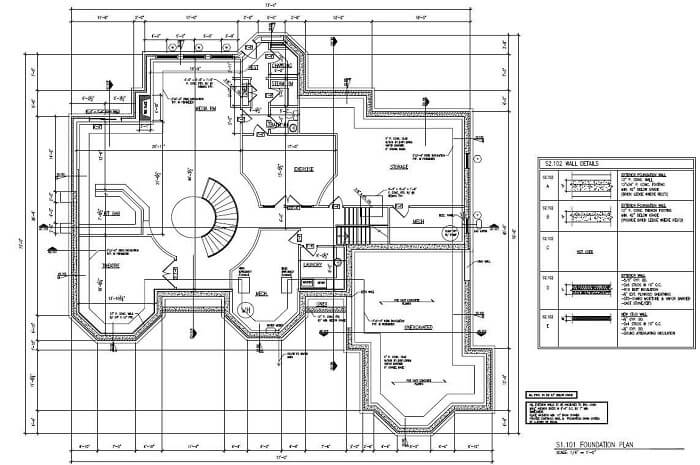
1. Scope of Work (VERY IMPORTANT)
Defines:
- What is included
- Materials and finishes
- Construction standards
👉 Vague scope = guaranteed disputes
2. Payment Structure & Schedule
Typical structure:
- Initial deposit
- Progress payments tied to milestones
- Final payment upon completion
👉 Payments should align with verified work completed
3. Allowances & Selections
Allowances are placeholders for:
- Flooring
- Cabinets
- Fixtures
👉 Risk:
If allowances are too low → budget overruns later
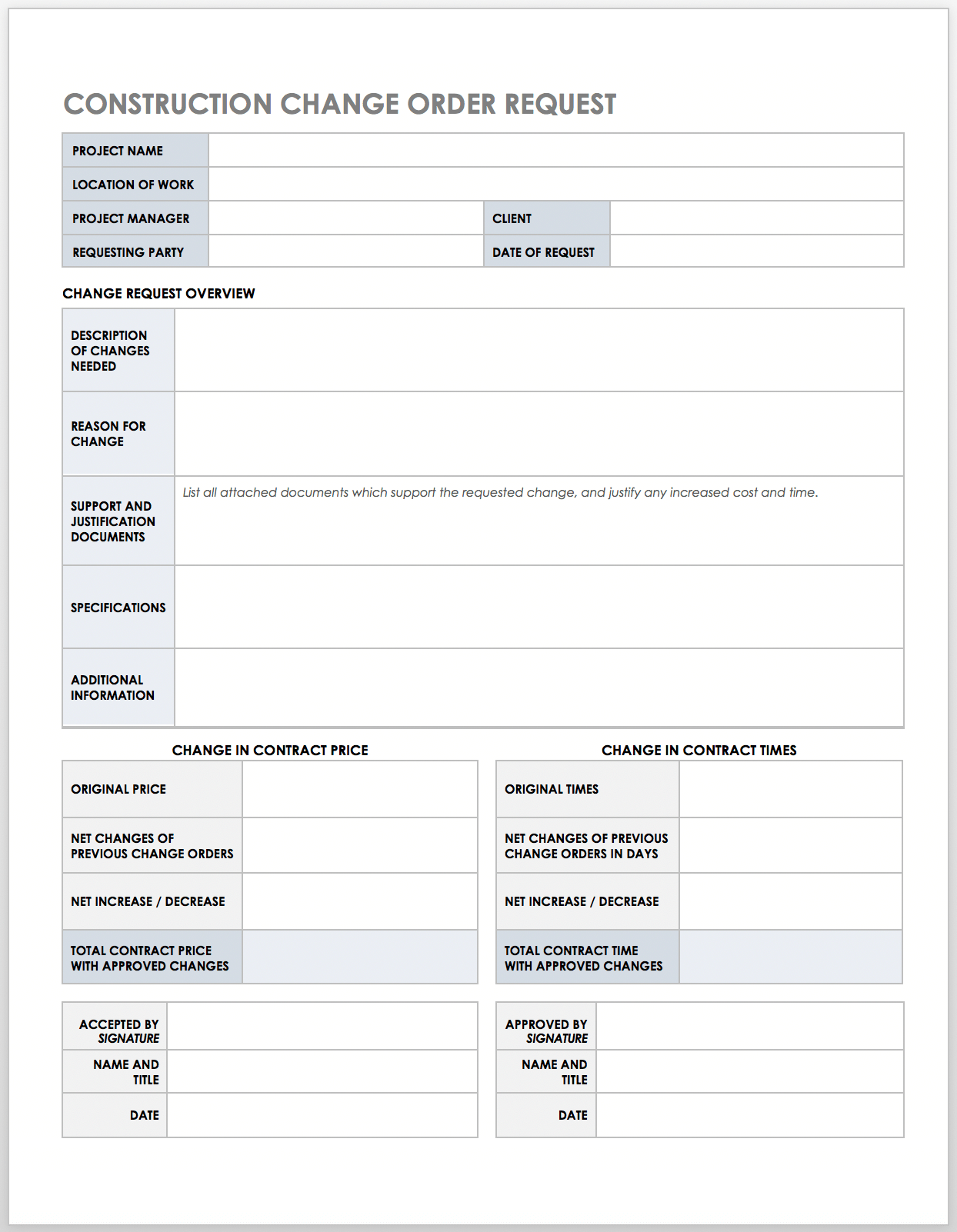
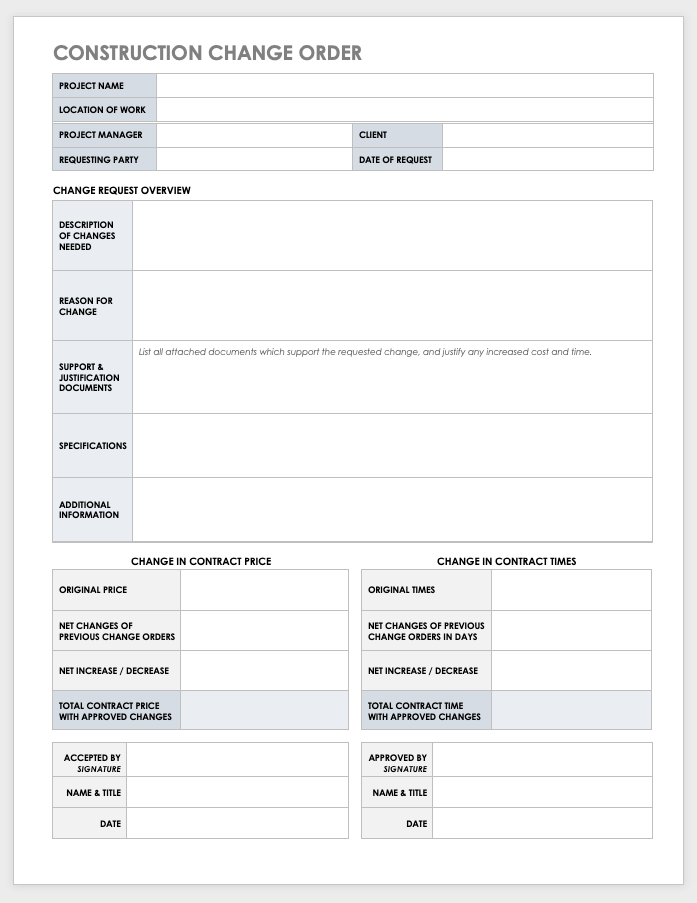
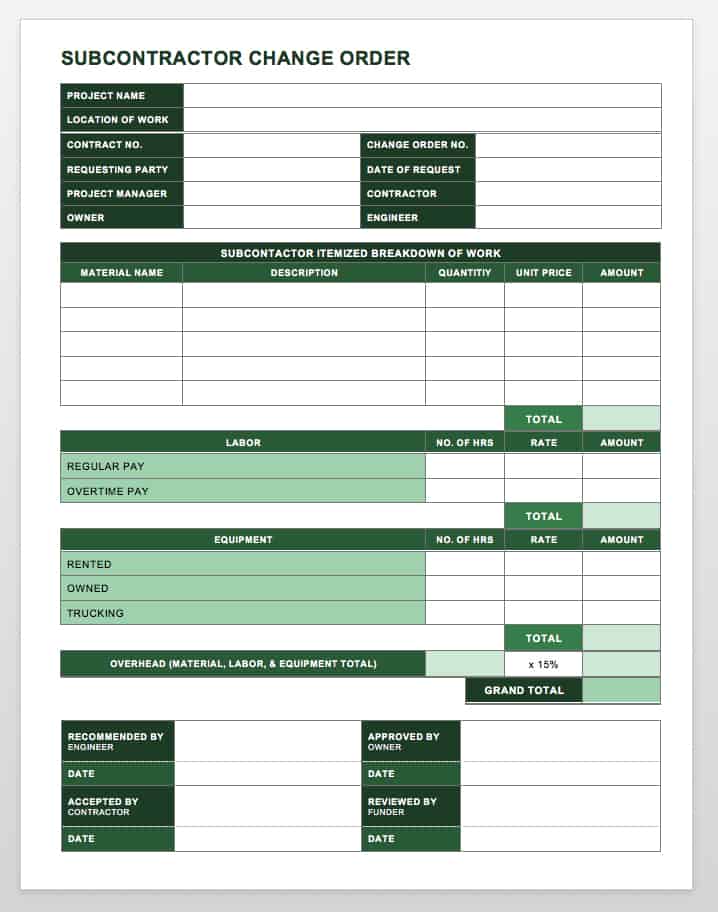
4. Change Order Process
Defines how changes are handled.
Must include:
- Written approval
- Cost impact
- Timeline impact
👉 Uncontrolled change orders are the #1 cause of overruns
5. Timeline & Substantial Completion
Defines:
- Project duration
- Milestones
- Completion criteria
👉 Should include realistic expectations (not optimistic promises)
6. Insurance & Liability
Must include:
- General liability insurance
- Workers’ compensation
- Builder’s risk insurance
👉 Protects both client and builder
7. Dispute Resolution
Specifies:
- Mediation
- Arbitration or litigation
👉 Clear processes reduce legal exposure
⚠️ Red Flags in Construction Contracts
- Vague or incomplete scope of work
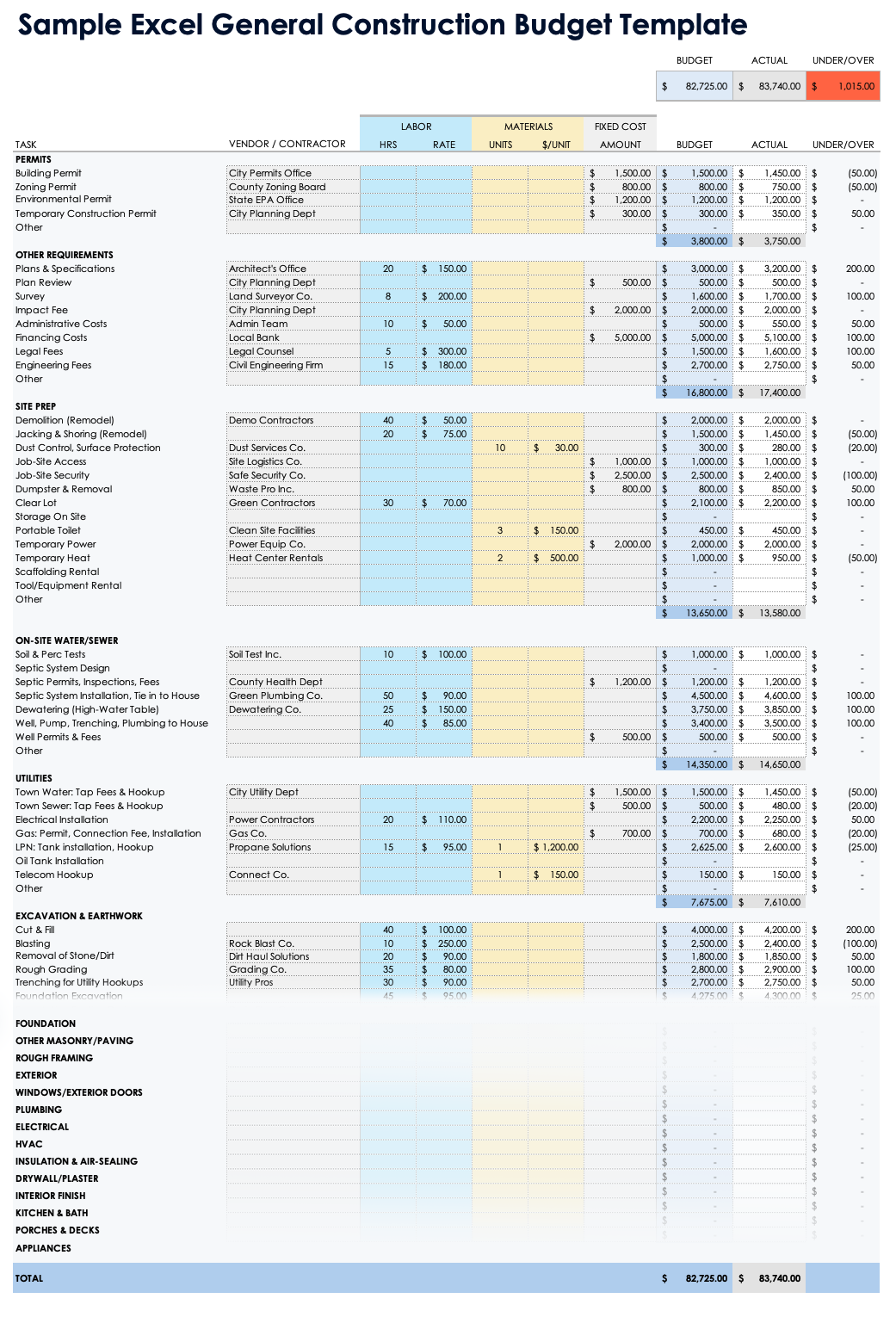
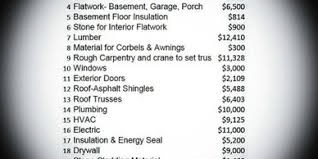
- No detailed budget breakdown
- Unrealistic timeline promises
- Missing change order procedures
- Lack of insurance documentation
👉 These are early warning signs of project risk
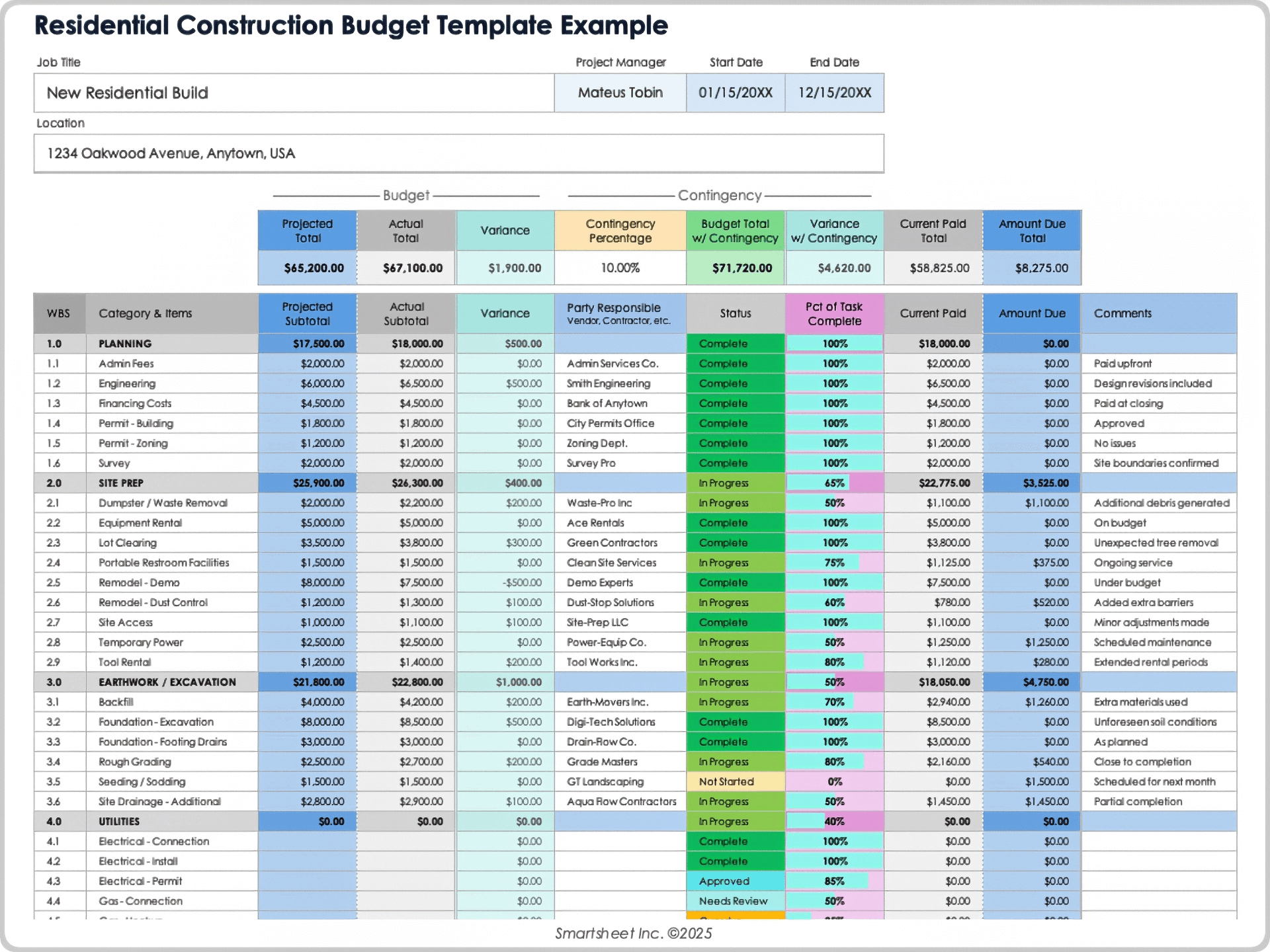
💰 How Contracts Impact Your Total Project Cost
Contracts directly influence:
- Cost transparency
- Budget control
- Risk exposure
Example:
A poorly structured contract can lead to:
- 10%–25% cost overruns
- Delays
- Legal disputes
🧠 Pro-Level Contract Strategy (Used by Experienced Clients)
To protect your investment:
- Choose the right contract type (often cost-plus for luxury)
- Ensure detailed scope and specifications
- Set realistic allowances
- Require transparent reporting
- Establish strict change order controls
👉 The goal is clarity, accountability, and predictability
📊 Contract Type Comparison
Factor | Fixed Price | Cost-Plus | GMP |
Cost Predictability | High | Medium | High |
Flexibility | Low | High | Medium |
Transparency | Medium | High | High |
Risk of Overruns | Low | Medium–High | Controlled |
Frequently Asked Questions
Q. What is the best construction contract for a luxury home?
Cost-plus or GMP contracts are typically best for high-end custom homes.
Q. What is a cost-plus contract in construction?
It is a model where the client pays actual construction costs plus a builder fee.
Q. How do I avoid cost overruns in construction?
- Use detailed budgets
- Control change orders
- Work with an experienced builder
Q. What should be included in a construction contract?
Scope, cost, timeline, payment terms, and change order procedures.
🏆 Why Kass Construction & Development
Kass Construction & Development prioritizes:
- Transparent contract structures
- Detailed budgeting and reporting
- Clear communication
- Risk-managed project execution
We help clients:
- Understand every financial component
- Avoid hidden costs
- Execute high-end builds with confidence