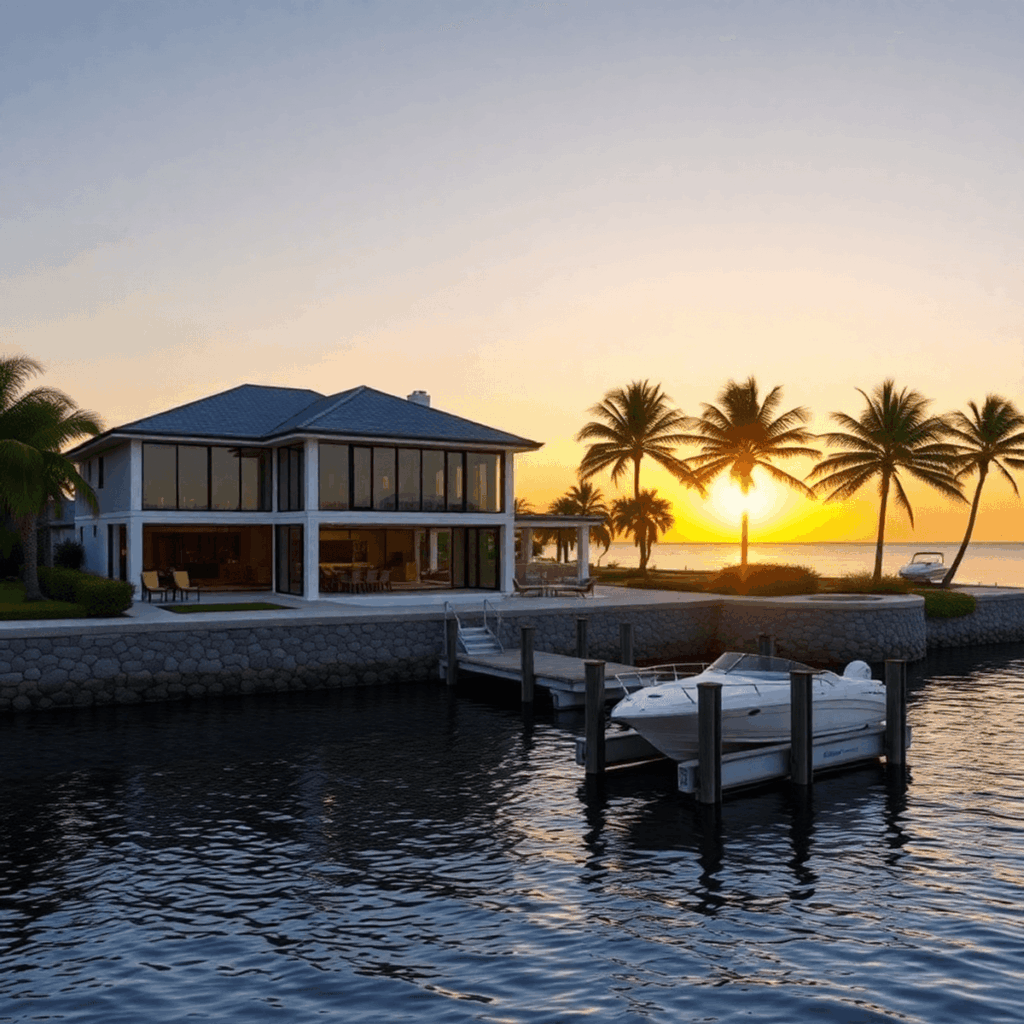
Building a luxury custom home in Palm Beach County is as much about where you build as what you build. Two lots with the same square footage can produce completely different design options, permitting timelines, and total project costs depending on the neighborhood, municipality, and coastal conditions.
Below is a clear, neighborhood-by-neighborhood guide to help you narrow the search and move from “dream home” to a buildable plan.

What “luxury custom home” means in Palm Beach County (and why the neighborhood matters)
In Palm Beach County, a luxury custom home is rarely defined by size alone. The best projects typically share four traits:
- Architect-driven design that responds to the lot, light, and lifestyle, not a template.
- Premium materials and systems built for South Florida conditions: impact-rated openings, high-performance roof assemblies, humidity control, and exterior finishes that hold up to salt air and sun.
- Long-term value tied to thoughtful floor plans, timeless proportions, and strong construction documentation.
- Lifestyle fit, which often means one or more of these: waterfront access, golf or club proximity, walkability, privacy, and security.
The reason the neighborhood matters is simple: it determines what is feasible and how expensive it will be to get there.
A few examples of neighborhood-driven variables that can reshape a build:
- Lot size and setbacks that affect footprint, pool placement, and garage configuration.
- Flood zones and elevation that influence foundation design, insurance, and sitework. For instance, understanding floodplain building elevation standards is crucial.
- Coastal construction requirements (and coastal control lines in certain areas) that impact engineering, glazing, and sometimes buildable area.
- HOA or architectural review that can add design constraints and time.
- Utility tie-ins and stormwater needs, especially in older pockets or where upgrades are required.
- Permitting timelines, which can vary significantly by municipality.
Set expectations early: many of the most desirable neighborhoods have limited inventory for teardown lots. Buyers often choose between prime location + teardown versus newer enclave + larger lots.
The best neighborhoods for new luxury construction are the ones where zoning, lifestyle, and resale demand align so your design can be executed cleanly and your investment remains resilient. For more insights into building in this unique region, consider exploring additional resources available at Kass Construction’s website.
How to choose the right neighborhood for a new build (before you buy the lot)
Before you fall in love with a street or a view, start with non-negotiables. This keeps the search efficient and prevents costly compromises later.
Start with lifestyle priorities
Consider:
- Schools (public, private, and proximity)
- Commute and airport access (PBI is a major advantage for many; FLL is often a consideration for frequent travel)
- Boating access (inlet proximity, fixed bridges, dock feasibility)
- Golf and private clubs
- Beach proximity
- Privacy and security (gated, guardhouse, or quiet street patterns)
- Walkability to dining, shopping, and cultural amenities
Lot evaluation checklist (high-level, but essential)
A strong feasibility review often includes:
- Elevation, drainage, and water management
- Flood zone and insurance implications FEMA’s guide on retrofitting can provide valuable insights.
- Seawall condition (if waterfront) and remaining useful life
- Soil conditions and geotechnical realities that affect foundations and pilings
- Protected trees and landscape restrictions
- Easements and right-of-way constraints
- Survey, plat, and deed restrictions that may limit placement or additions
Regulatory realities that can slow or reshape a design
Palm Beach County includes a mix of municipal and unincorporated jurisdictions, and they do not behave the same way.
Key factors that can change your timeline:
- Municipal permitting vs. unincorporated review
- Historic overlays in select neighborhoods
- Coastal construction rules on barrier islands and exposed areas
- HOA design guidelines for rooflines, façade composition, landscaping, and material selections
Budget alignment: land + build + sitework (plus soft costs)
Total project budgets vary dramatically by neighborhood because land values and site conditions vary. Plan for:
- Land cost
- Build cost
- Sitework (demolition, hauling, pilings, dewatering, drainage, utilities, seawall work)
And do not forget soft costs, which are material on luxury projects:
- Architecture and engineering
- Survey, geotechnical, and inspections
- Legal review and contract administration
- Permitting fees and expediting where appropriate
Why an integrated team matters early
The easiest way to avoid buying the wrong lot is to bring in a builder and architect early, along with a realistic permitting strategy. Your team should confirm the lot can support your intended program (square footage, height, garage requirements, guest house, outdoor kitchen, dock) before you close.
Palm Beach (Town of Palm Beach): Iconic address, strict standards, limited lots
Palm Beach remains one of the most prestigious residential markets in the country, and that prestige is reinforced by scarcity, aesthetic expectations, and strict review standards.
Who it’s for: Buyers prioritizing iconic address, beach access, privacy, and long-term scarcity value.
Custom-home opportunities: Most new luxury builds are teardown/rebuilds or major transformations. Constraints often include lot coverage, height, setbacks, and design review requirements that demand a high level of documentation and coordination.
Lifestyle highlights: Worth Avenue, private beach clubs, bikeable streets, and proximity to cultural institutions in Palm Beach and West Palm Beach.
Build considerations: Permitting is typically tighter, neighbor sensitivity is higher, and staging/logistics can be challenging. Sitework and project management are often more expensive, and transparency around schedule, scope, and selections becomes critical.
Neighborhood feel: Quiet, manicured, old-Florida elegance. It is an excellent fit for timeless architecture and high craftsmanship, especially when the goal is a home that will read as “right” for decades.
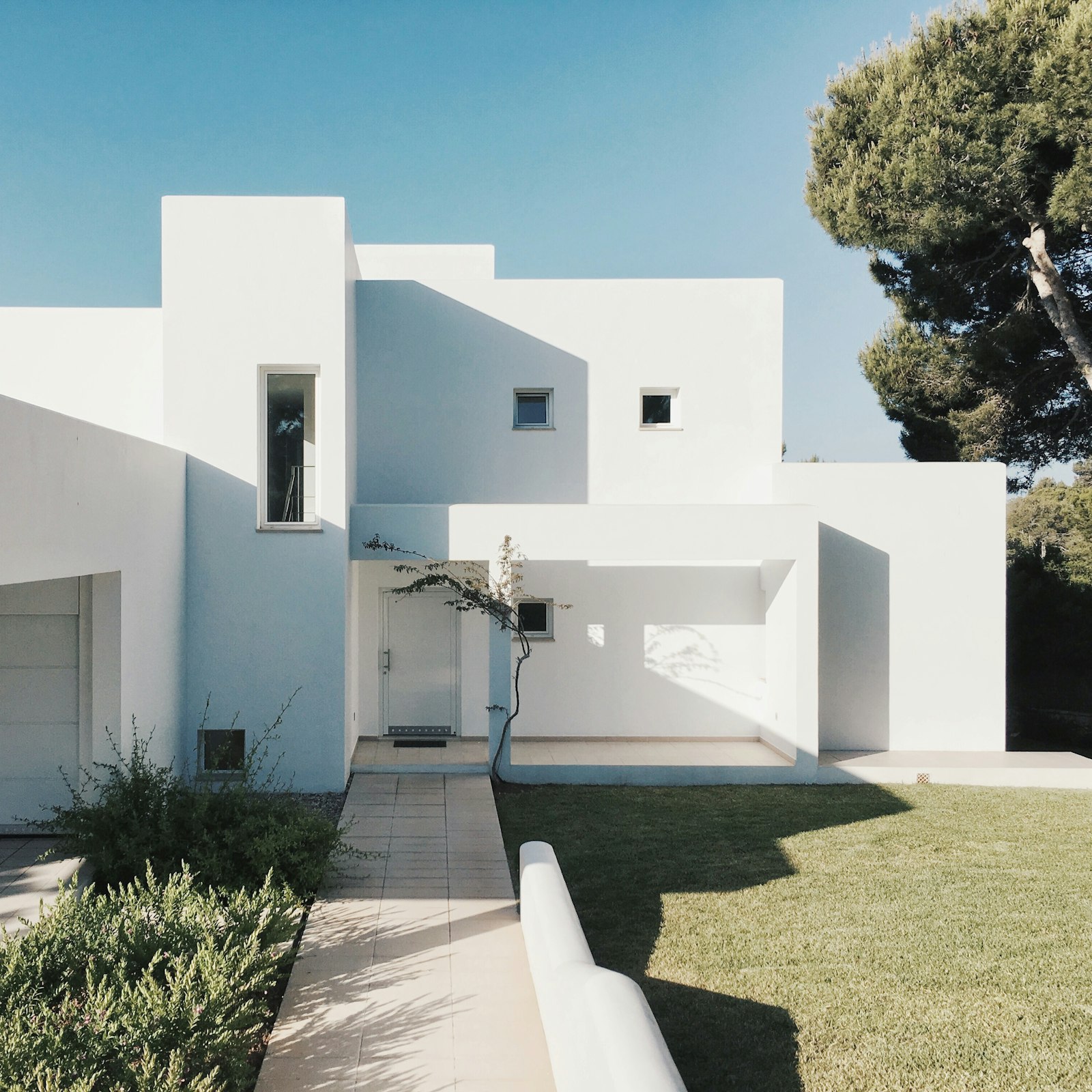
West Palm Beach: Modern luxury, growing demand, and more variety by pocket
West Palm Beach has evolved into a high-demand luxury market with a stronger urban energy, expanding business growth, and a wide range of residential pockets.
Who it’s for: Buyers who want a vibrant city, strong dining and culture, and easy access to PBI while still building a true high-end custom home.
Best pockets for custom builds: Availability changes constantly, but redevelopment and single-family opportunities are often associated with neighborhoods such as SoSo (South of Southern), El Cid, and Prospect Park. The key is to verify zoning and overlays early, especially if a property sits near a historic boundary.
Style fit: Contemporary coastal, transitional, and modern Mediterranean are common. These neighborhoods can support strong indoor-outdoor living, guest suites, and work-from-home layouts without sacrificing curb appeal.
Build considerations: Some areas include historic districts or compatibility expectations that affect approvals and architecture. Lot widths and alley access can drive garage design, parking, and how construction staging is handled.
Value angle: West Palm’s growth story has created meaningful upside, but luxury resale increasingly rewards quality construction, thoughtful proportions, and floor plans that feel effortless rather than oversized.
Palm Beach Gardens: Golf-and-club lifestyle with strong family appeal
Palm Beach Gardens offers a more suburban luxury feel with excellent club access and generally newer infrastructure compared to older coastal pockets.
Who it’s for: Buyers who want country club proximity, top-tier golf, and a family-friendly environment with strong everyday convenience.
Neighborhood types: You will find a mix of gated communities and club neighborhoods, plus select non-HOA pockets. That distinction matters because it changes design freedom, exterior requirements, and review timelines.
Custom-home opportunities: Relative to barrier-island locations, lot sizes can be larger, allowing for expansive single-story plans, dedicated offices, larger outdoor living areas, and oversized garages.
Lifestyle highlights: The PGA corridor, strong dining and shopping options, and easy access to Jupiter and West Palm Beach.
Build considerations: HOA architectural committees are common. Stormwater management and community standards often drive grading plans, landscape packages, and sometimes roof or façade requirements.
Jupiter: Waterfront energy, outdoor living, and a true “boater’s” market
Jupiter is one of the clearest “lifestyle” choices in the county, especially for buyers who want water access and an active, outdoor-forward community.
Who it’s for: Buyers prioritizing boating, beaches, and outdoor living while still expecting luxury-level fit and finish.
Where custom builds shine: Waterfront and canal-access pockets are obvious standouts, but there are also larger residential areas that support new construction, additions, and high-end expansions.
Design priorities: Homes here benefit from hurricane-resilient construction, strong indoor-outdoor transitions, durable exterior finishes, and smart storage for gear, paddleboards, and boating essentials.
Build considerations: Flood zones, seawalls, docks, and permitting for marine components can heavily influence schedule and cost. Coastal exposure requirements may also drive engineering and window/door packages.
Lifestyle highlights: Jupiter Inlet, a strong dining scene, family-friendly neighborhoods, nature preserves, and excellent golf access.
Boca Raton: Polished luxury, private clubs, and high-end design expectations
Boca Raton is known for refined residential enclaves, strong amenities, and high expectations for finish level and presentation.
Who it’s for: Buyers seeking a polished, amenity-rich environment with strong schools, dining, and private club options.
Neighborhood mix: Boca offers luxury enclaves, gated communities, and select non-HOA areas. Your choice should reflect whether you value design freedom and speed, or whether you prefer the structure and consistency of an HOA.
Custom-home opportunities: Many projects are teardown rebuilds or major renovations. The strongest results come from matching architecture to neighborhood patterns so the home feels intentional, not simply new.
Design trends: Clean modern lines, warm contemporary palettes, resort-style backyards, and high-performance building envelopes designed for comfort and efficiency.
Build considerations: HOA rules can shape landscaping, driveway design, exterior materials, and even construction hours. In established neighborhoods, logistics and staging require careful planning to minimize disruption.
Delray Beach: Boutique coastal lifestyle with strong upside
Delray’s appeal is its blend of coastal energy and an intimate, design-forward vibe that continues to attract high-end buyers.
Who it’s for: Buyers who want a lively, walkable scene near Atlantic Avenue with a relaxed coastal atmosphere.
Where to look: Established east-side neighborhoods and select redevelopment corridors often see new custom homes and high-end remodels. Inventory can be tight, so the strategy is usually patience plus readiness.
Style fit: Coastal contemporary, modern coastal with farmhouse influence, and bright indoor-outdoor plans with pools and guest casitas are common when lot sizes allow. This coastal cowboy style is becoming increasingly popular in the area.
Build considerations: Prime areas often mean smaller lots, tighter setbacks, tree and streetscape requirements, and limited staging space on narrow streets.
Value angle: Delray can reward great design, but it is also competitive. Build quality and floor plan decisions (privacy, guest suite placement, kitchen orientation, outdoor flow) tend to drive resale more than headline square footage.
Wellington: Equestrian prestige, bigger lots, and estate-style builds
Wellington is its own category, with equestrian culture shaping how many luxury properties are designed and used.
Who it’s for: Equestrian families and buyers who want space, privacy, and estate functionality such as barns, guest houses, and multi-car garages.
Custom-home opportunities: Larger parcels and equestrian-tailored communities allow for long driveways, separate wings, and service access that would be impossible in tighter coastal neighborhoods like Delray Beach.
Design priorities: Durable luxury finishes, serious mudrooms and laundry flow, staff or guest suites, and practical layouts that support training and show schedules.
Build considerations: Land use, drainage, outbuildings, and matching the property’s functional needs with code and community requirements all play a major role. A beautiful plan that ignores operational realities will feel frustrating day-to-day.
Lifestyle highlights: Proximity to equestrian venues, strong family amenities, and a quieter luxury setting that prioritizes space over walkability.
Highland Beach & Gulf Stream: Ultra-limited coastal pockets for buyers who want quiet
These coastal pockets are defined by privacy, low inventory, and a discreet sense of prestige.
Who it’s for: Buyers prioritizing quiet, immediate beach proximity, and a lower-profile feel without a “city” environment.
Custom-home opportunities: Rare. Projects often involve teardown/rebuilds or significant transformations, and buyers typically need patience to secure the right property.
Design priorities: Coastal durability, sound mitigation, secure entries, and elegant, understated architecture that feels appropriate to the setting.
Build considerations: Coastal construction requirements, setbacks, and logistics on narrow barrier-island streets can complicate staging and scheduling. The right team and a clear plan matter more than ever here.
Why it works: Discreet luxury and long-term demand driven by limited inventory and lifestyle simplicity.
A realistic build-planning snapshot: timeline, permitting, and what drives cost by neighborhood
Even with an experienced team, luxury custom homes move through predictable phases, and neighborhood variables influence each phase.
Typical phases
- Feasibility and due diligence (survey review, zoning, early budget modeling)
- Design development (architecture, engineering, interior planning)
- Permitting (municipal review, revisions, approvals)
- Sitework (demo, clearing, foundations, drainage, utilities)
- Vertical construction (structure through finishes)
- Final inspections and closeout
Neighborhood-specific cost drivers
Depending on where you build, costs can move meaningfully due to:
- Seawalls, docks, and marine permitting
- Pilings, dewatering, and enhanced foundations
- Utility upgrades and tie-ins
- Demolition constraints and hauling logistics
- HOA reviews and required redesign cycles
- Historic compatibility expectations in select pockets
Risk management that protects budget and schedule
Upfront diligence typically costs far less than mid-project surprises. Surveys, geotechnical work, environmental checks (where needed), and legal review help avoid change orders that stem from conditions that could have been identified early.
Quality factors that matter in South Florida
Regardless of neighborhood, long-term performance often comes down to:
- Impact-rated openings and proper installation
- Roof system selection and detailing
- Waterproofing strategy at balconies, transitions, and penetrations
- HVAC humidity control and ventilation
- Durable exterior materials suited to sun and salt exposure
In other words, “where you build” can change the entire project plan, from engineering to permitting, from logistics to final detailing.
How Kass Construction & Development supports luxury builds in Palm Beach County
Kass Construction & Development is a boutique, state-licensed luxury custom home builder based in East Fort Lauderdale, serving Palm Beach County and the broader South Florida market.
The firm is focused on precision, transparency, and long-term value creation, with a specialty in architect-driven custom homes, waterfront estates, and high-end renovations and transformations.
What integrated execution looks like
Luxury builds run smoother when feasibility, design coordination, and construction execution are connected early. Kass supports clients from:
- Land and lot evaluation
- Feasibility review and early budgeting
- Permitting strategy and documentation coordination
- Architecture and design partnerships with a focus on luxury home architecture
- Full-service construction through completion
With an understanding of the South Florida luxury real estate trends and an ability to navigate the unique challenges of the region’s construction landscape, Kass Construction & Development is well-equipped to deliver exceptional results for luxury home projects.
Owner’s representation and project management
In strict municipalities and HOA environments, project management often determines whether a build feels controlled or chaotic. Kass supports permitting, bidding, scheduling, inspections, and quality control with a process designed to reduce uncertainty and keep decisions clear.
Risk mitigation for high-stakes projects
Kass combines licensed general contractors, real estate attorneys, and professionals under one roof. That structure helps reduce avoidable surprises tied to contracting, compliance, scope clarity, and change order management, especially on complex waterfront or teardown sites.
Next step: narrow to 2–3 neighborhoods, then validate the lot with a builder-led feasibility review
A practical path for most buyers is:
- Shortlist 2–3 neighborhoods based on lifestyle first.
- Validate feasibility with the real constraints: survey, zoning, flood exposure, HOA guidelines, and site conditions.
- Confirm a preliminary budget range and schedule assumptions before closing on land.
- Align design goals with neighborhood rules early so you avoid redesign cycles that burn time and money.
If you are exploring a luxury custom home in Palm Beach County and want a clear go/no-go view on a specific lot, Kass Construction & Development can help with land evaluation, permitting strategy, and full-service execution from concept to completion.
FAQs (Frequently Asked Questions)
What defines a luxury custom home in Palm Beach County beyond just size?
In Palm Beach County, a luxury custom home is characterized by architect-driven design tailored to the lot and lifestyle, premium materials and systems suited for South Florida’s climate, long-term value through timeless floor plans and strong construction documentation, and a lifestyle fit that often includes waterfront access, golf or club proximity, walkability, privacy, and security.
Why does the neighborhood matter when building a luxury custom home in Palm Beach County?
The neighborhood influences key variables like lot size and setbacks affecting design options, flood zones impacting foundation and insurance requirements, coastal construction regulations affecting engineering and buildable area, HOA or architectural review constraints, utility tie-ins and stormwater management needs, as well as permitting timelines. These factors determine feasibility, design possibilities, cost, and project duration.
How should I choose the right neighborhood before purchasing a lot for my custom home?
Start with non-negotiable lifestyle priorities such as school quality and proximity, commute and airport access (notably PBI or FLL), boating access including inlet proximity and dock feasibility, golf or private club availability, beach proximity, privacy and security features like gated communities or quiet streets, and walkability to dining, shopping, and cultural amenities. This ensures your choice aligns with your lifestyle needs.
What are essential lot evaluation considerations for building a luxury home in Palm Beach County?
Key considerations include elevation, drainage, water management; flood zone designation with insurance implications; seawall condition if waterfront; soil conditions affecting foundations; presence of protected trees; easements or right-of-way constraints; and any survey, plat or deed restrictions that might limit placement or additions on the property.
How do regulatory factors impact the timeline and design of a luxury custom home project in Palm Beach County?
Regulatory realities vary across municipalities versus unincorporated areas. Factors such as municipal permitting processes versus county reviews, historic overlays in certain neighborhoods, coastal construction rules especially on barrier islands or exposed areas, and HOA design guidelines regarding rooflines, façade composition, landscaping and materials can all influence permitting timelines and impose design constraints that reshape your project.
What components should be included in budgeting for building a luxury custom home in Palm Beach County?
Budgeting should account for land acquisition costs which vary by neighborhood; build costs including construction materials suited for South Florida conditions; sitework expenses such as demolition, hauling, pilings installation, dewatering, drainage improvements, utility connections and seawall work if applicable; plus soft costs like architecture fees and engineering services that are significant in luxury projects.