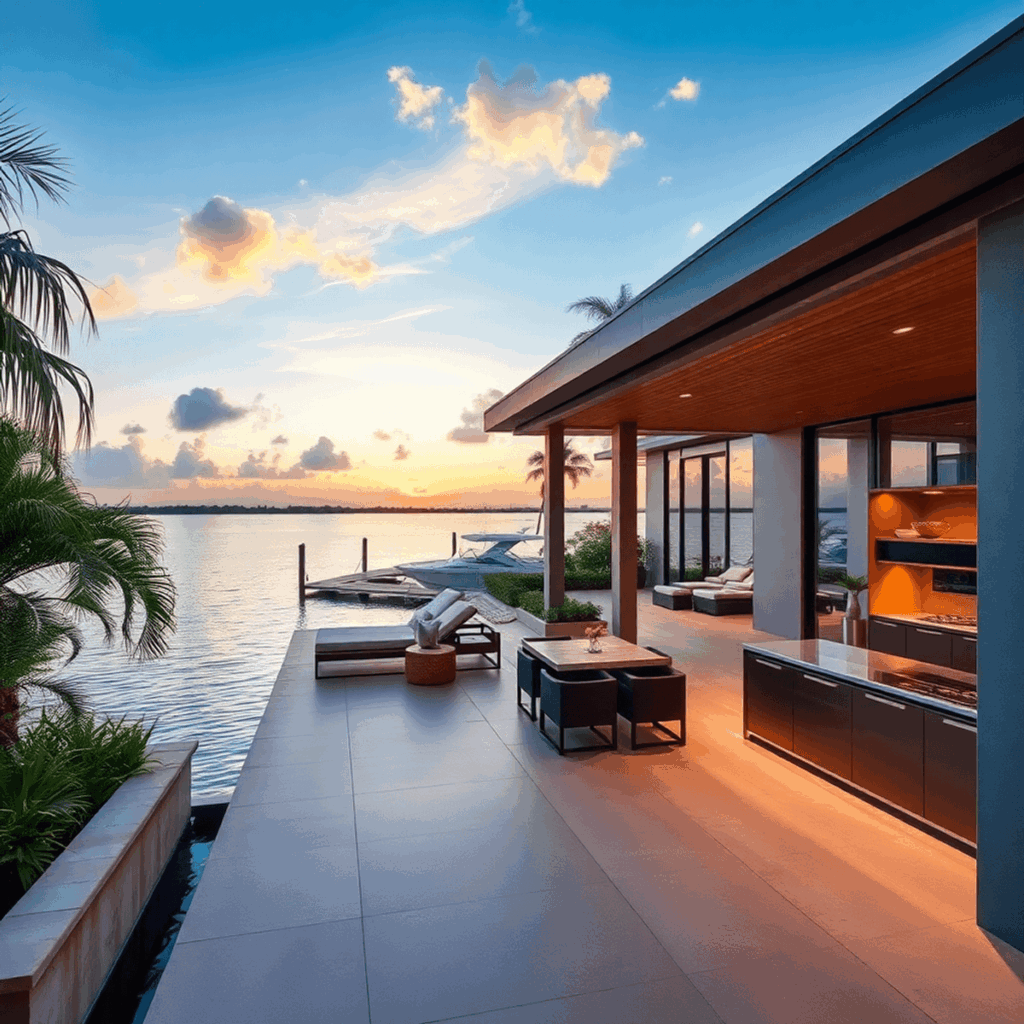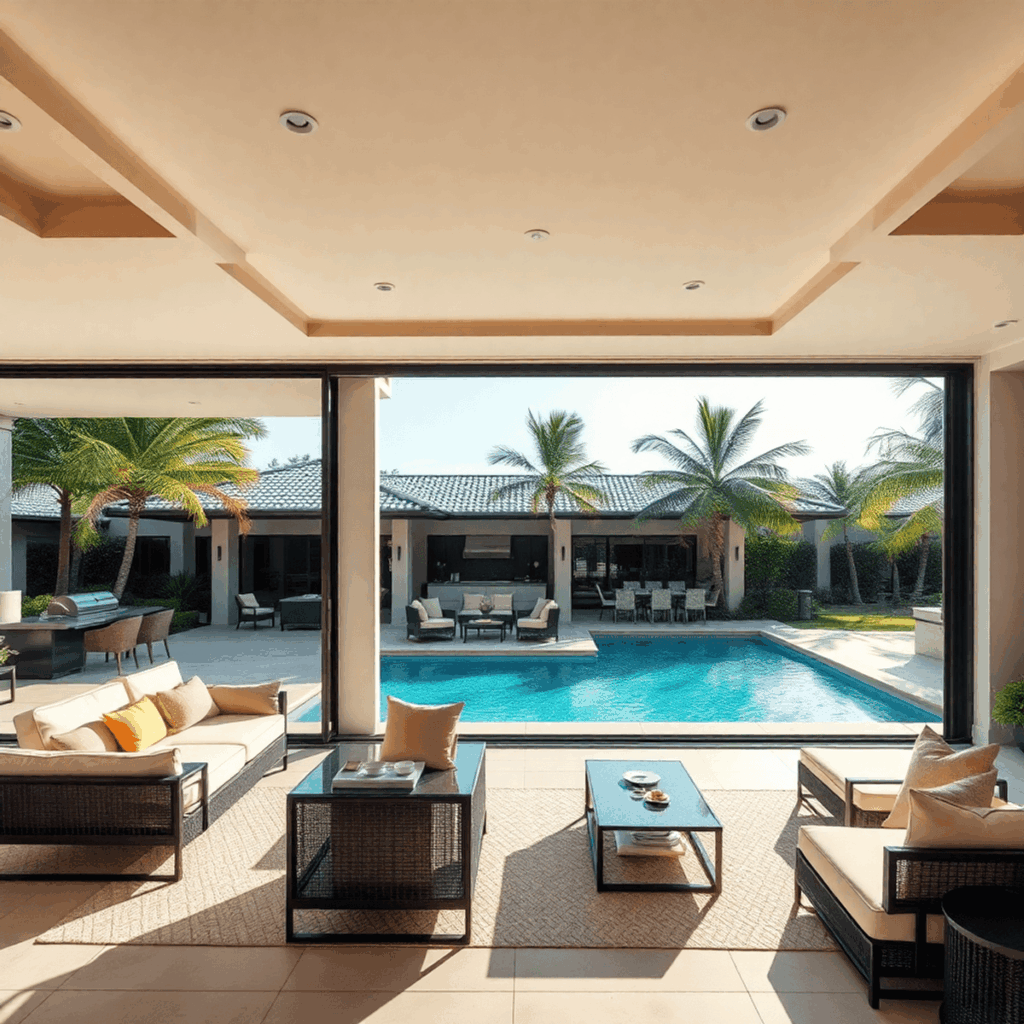
Picture a normal weekday in South Florida. You wake up a little too early because the bedroom feels warm, then you notice a faint musty smell after a rainy night. You make coffee, but the tap water tastes like chlorine. By late afternoon, the house is bright enough to cause glare, and by evening you are trying to “wind down” under lighting that still feels like daytime.
None of those issues are dramatic on their own. But together, they shape your sleep, stress level, energy, and recovery in ways you feel every day. For instance, did you know that humidity levels in your bedroom can significantly impact your sleep? A warm and musty room is not conducive to restful slumber.
That is why “wellness at home” has become the new benchmark for luxury living in Fort Lauderdale and across Broward, Palm Beach, and Miami-Dade. Beautiful finishes still matter, but the definition of high-end has shifted from what a home looks like to how it performs: calmer nights, cleaner air, better water, more comfortable humidity, quieter rooms, and spaces that make healthy routines effortless.
South Florida makes this both more challenging and more rewarding. We have year-round sun and indoor outdoor living, but also waterfront and urban noise, persistent humidity which affects our sleep quality, salt air, hurricane realities, and intense heat loads. The good news is that you can design for longevity without turning your home into a clinic. The goal is subtle, integrated choices that elevate how you live.
For those seeking advice on achieving this kind of wellness at home, there are plenty of resources available. Whether you’re looking for insights on construction or renovation strategies to improve your home’s performance and comfort level, Kass Construction’s insights could provide valuable guidance.
Moreover, it’s essential to consider how indoor lighting affects air quality, as harsh lighting can contribute to discomfort and stress. With the right adjustments in these areas, one can significantly enhance their living experience in South Florida. 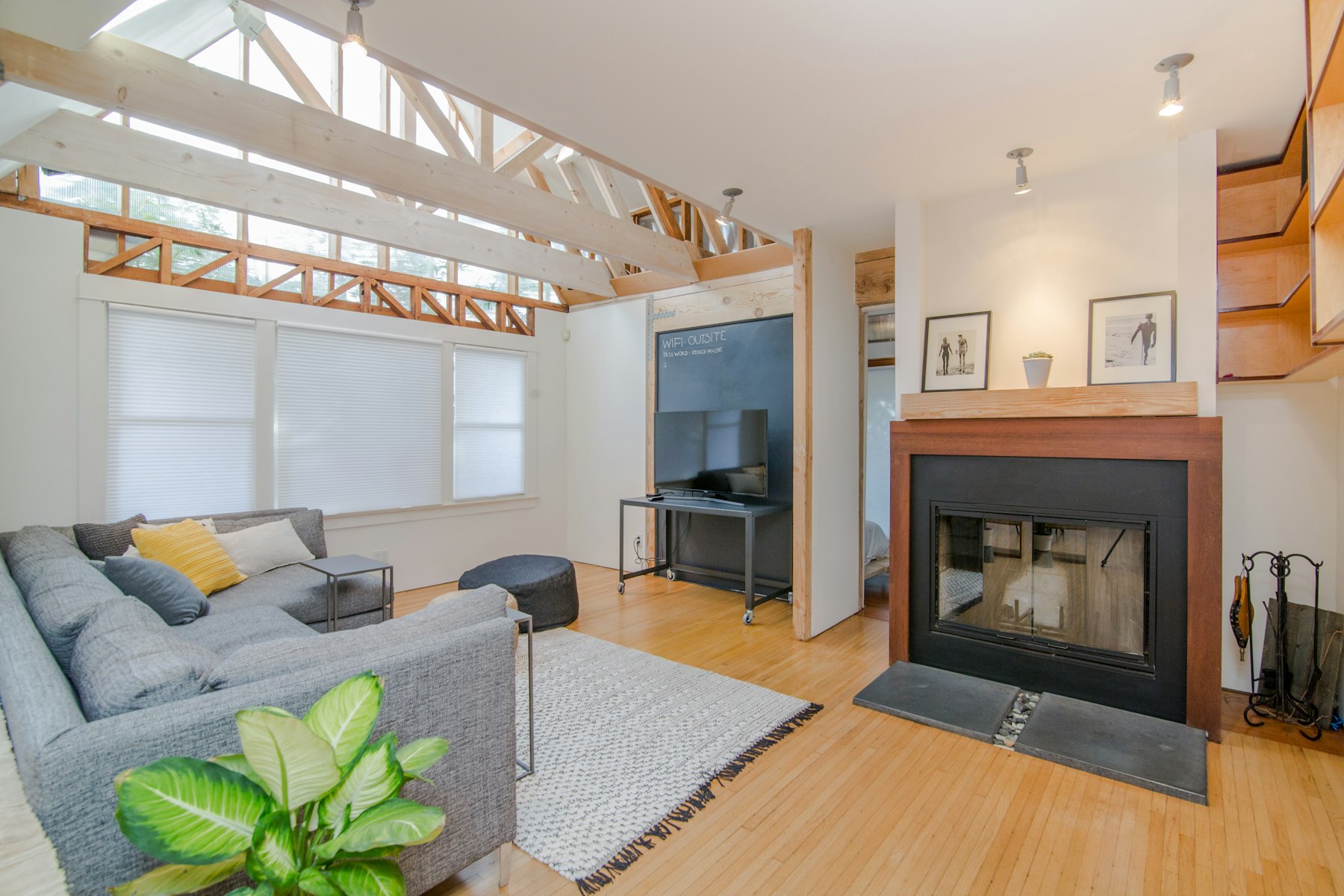
Why “wellness at home” has become the new benchmark for luxury living in South Florida
Traditional luxury has been about surface level upgrades: imported stone, statement lighting, dramatic cabinetry, and high-gloss “wow” moments. Today, many homeowners are asking a different question after they walk a property:
Will this home help me feel better at 7 a.m. and 9 p.m., not just at a dinner party?
That shift is especially pronounced in South Florida, where daily comfort depends on building science as much as style. A home here must manage humidity, resist wind and water intrusion, reduce noise, filter air, and still feel open and bright. When those fundamentals are handled well, you get something that feels unmistakably luxurious: calm, effortless living.
This article breaks down practical design choices that support wellness and longevity, using a clear framework you can apply whether you are planning a custom build, a high-end renovation, or evaluating a home before you buy.
The 6 pillars of wellness & longevity-focused home design
To keep wellness design grounded and actionable, it helps to evaluate a home through six pillars:
- Air: cleaner indoor air with better humidity control and fewer pollutants.
- Water: better tasting, safer water that supports skin health and protects appliances.
- Light: lighting and daylighting that support your circadian rhythm and sleep.
- Acoustics: quieter rooms that reduce stress and improve recovery.
- Thermal comfort: stable temperatures with humidity control, especially at night.
- Movement and recovery: a floor plan that encourages daily movement and makes recovery easy.
These pillars work best when planned early. Many of the biggest wins require coordination between architecture (like luxury home architecture) and MEP systems (mechanical, electrical, plumbing). When they are added as afterthought upgrades, they cost more and often underperform.
Pillar 1: Cleaner air (because you breathe your home 20,000 times a day)
South Florida indoor air has predictable enemies: humidity, mold risk, dust infiltration, and VOCs from paints, adhesives, and new finishes. Even luxury homes can suffer if the envelope is leaky, ventilation is unbalanced, or dehumidification is treated as an HVAC “nice to have.”
High-impact strategies include:
- A tight building envelope that reduces uncontrolled outdoor air infiltration. This is foundational for both comfort and humidity management.
- Balanced ventilation (ERV/HRV) to bring in fresh air without sacrificing comfort. In humid climates, the right approach depends on the broader system design and latent load strategy.
- MERV 13+ filtration (or better where appropriate) to capture finer particles, paired with correct duct design so airflow is not choked.
- Dedicated dehumidification so humidity is controlled even when cooling demand is low, such as rainy shoulder seasons or at night.
Material choices matter more than most people expect:
- Low or zero-VOC paints, adhesives, and sealants
- Formaldehyde-free or low-emitting cabinetry and millwork
- Flooring selections that balance durability, cleanability, and off-gassing profile
A wellness-grade air plan also includes a maintenance mindset:
- Filter access that is simple, not hidden behind finished millwork
- Proper service clearances for equipment
- Monitoring options (CO2, PM2.5, humidity) so performance is visible
- Commissioning at turnover to verify airflow, filtration fit, and target humidity

Pillar 2: Better water (taste, safety, and skin health)
In many South Florida neighborhoods, homeowners notice chlorine taste, sediment, and hardness variations. Aging municipal lines in some areas can contribute to inconsistency, and the impacts are not just aesthetic. Water quality affects appliances, plumbing fixtures, hair and skin feel, and even how often you descale shower glass.
A high-performing approach often includes:
- Whole-home filtration, tailored to local conditions, to reduce sediment and improve overall quality.
- Water softening where hardness is an issue, to protect fixtures and reduce scale.
- Under-sink RO (reverse osmosis) for drinking water if desired, especially for homeowners sensitive to taste.
Hot water design is also part of wellness:
- Hot water recirculation can reduce wait times and help limit stagnation in long runs when designed correctly.
- Temperature control and anti-scald protection support safety, particularly in multi-generational homes.
During custom builds and major renovations, plumbing layout choices make a measurable difference:
- Manifold layouts that simplify control and service
- Thoughtful shutoff locations
- Leak sensors in high-risk zones and around key appliances for risk reduction
Pillar 3: Light that supports your circadian rhythm
Light is not just visual. It is biological. Circadian-friendly design uses bright, cooler light earlier in the day and warmer, dimmer light in the evening to support melatonin production and better sleep. For a deeper understanding of this concept, refer to this circadian lighting guide which outlines how to effectively implement such strategies.
Key strategies include:
- Architectural daylighting through orientation, overhangs, glazing selection, and window placement that balances privacy with usable natural light.
- Layered lighting plans that separate ambient, task, and accent lighting so you are not forced to live under one harsh lighting level.
- Warm-dim or tunable white LEDs that shift tone as the day changes, paired with simple automated scenes.
- Nighttime glare reduction in hallways and bathrooms through low-level, warm lighting.
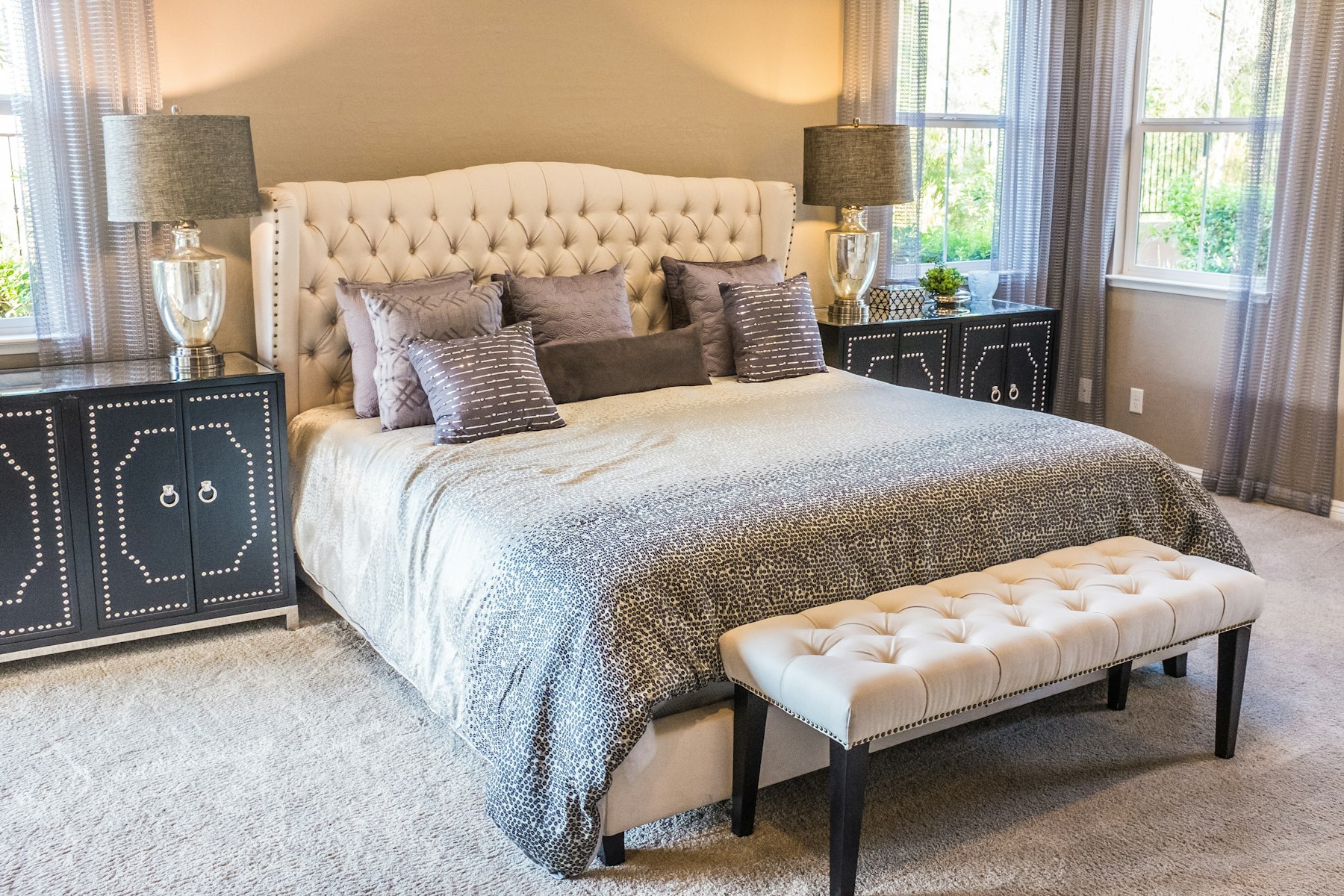
Sleep-focused blackout planning is often what separates “nice” from “restorative”:
- True blackout shades or drapery strategies
- Bedroom placement that minimizes exterior light intrusion
- Thoughtful control of landscape lighting and waterfront reflections where possible
Pillar 4: Quiet, calm spaces (acoustics as a health feature)
Noise is one of the most underestimated stressors in luxury homes, especially near waterways, busy corridors, and dense neighborhoods. Sound affects sleep depth, recovery, and overall nervous system load.
High-value acoustic improvements include:
- Impact-rated windows and doors selected not only for wind but for sound performance.
- Acoustic insulation in key partitions, especially around bedrooms, offices, and media walls.
- Resilient channels or isolation strategies where needed to reduce transmission between floors or adjacent spaces.
- Solid-core doors with upgraded seals for bedrooms and studies.
Layout is often the best first move:
- Position bedrooms away from the noisiest sides of the home
- Create a “quiet core” and use closets and bathrooms as buffer zones
- Avoid placing laundry, gyms, or mechanical rooms adjacent to sleeping areas
Mechanical noise control matters too:
- Duct design that avoids whistling and pressure issues
- Variable-speed equipment that runs quieter and steadier
- Remote placement and screening for condensers and generators, planned early to avoid unpleasant surprises
Pillar 5: Thermal comfort + humidity control for recovery and skin health
In South Florida, humidity is the hidden comfort variable. Two homes can both be set to 72°F, but the one at 50 percent relative humidity will feel cleaner, sleep better, and resist mold far more effectively than the one hovering at 65 percent.
A system approach typically includes:
- Right-sized HVAC (oversizing is a common and expensive mistake)
- Variable-speed systems for steadier comfort and better latent removal
- Zoning designed around how the home is used, not just the floor plan
- Dedicated dehumidifiers when required by the loads and lifestyle
- Smart thermostats and sensors that manage both temperature and humidity
Envelope details support everything:
- Insulation and air sealing continuity
- Solar heat gain control through glazing choices and shading
- Cool roof options where appropriate to reduce attic heat load and improve efficiency
Outdoor comfort matters for longevity too:
- Shaded lanais that are genuinely usable mid-day
- Ceiling fans and screened areas to expand evening comfort
- Misting used selectively and carefully, with moisture management in mind
It’s important to note that while creating these quiet, calm spaces in luxury homes, we should also consider safety aspects as outlined in this safety directive. The integration of safety features into our home design not only enhances comfort but also contributes significantly to overall well-being.
Pillar 6: Movement, strength, and recovery built into the floor plan
A wellness home is not just a home with a gym. It is a home that makes movement inevitable.
Design ideas that work well in luxury properties:
- Stairs that are inviting, comfortable, and naturally used
- Walking loops that connect indoor and outdoor spaces without bottlenecks
- Flexible rooms that can shift between office, yoga, and training
- A discreet fitness studio with resilient flooring and acoustic control
- A meditation or breathwork nook with morning light exposure
- Optional recovery zones such as sauna or cold plunge when appropriate and properly detailed
Pools can be designed for training and recovery, not just aesthetics:
- Lap length planning where site allows
- Resistance jets for low-impact conditioning
- Slip-resistant decking and safe transitions
Longevity also means universal design, integrated elegantly:
- Curbless showers with correct slope and waterproofing
- Wider passages in key areas
- Future-ready elevator shafts in multi-level homes
- Handrail blocking and reinforcement for later additions without demolition
Room-by-room: where wellness design pays off the fastest
The pillars become easier to apply when you see them room by room. If you want the fastest return, focus on spaces that influence sleep, daily routines, and the “friction” in healthy habits.
The primary suite: sleep, restoration, and a true off-switch
A wellness-first primary suite is built around a simple goal: your body should know it is safe to shut down.
Bedroom priorities:
- Blackout and glare control
- Quiet assemblies and door seals
- Cool, stable nighttime temperature with humidity control
- Outlet placement that reduces cord clutter and keeps nightstands clean
- Thoughtful TV placement, or none, depending on your sleep priorities
Closet and dressing:
- Ventilation to prevent humidity buildup
- Low-VOC millwork and adhesives
- Lighting with high color accuracy so clothing looks correct
Bathroom:
- Steam and moisture control with properly designed exhaust
- Non-slip surfaces selected for barefoot comfort and safety
- Shower planning that balances pressure, temperature stability, and drainage
- Optional comfort upgrades like radiant heat in targeted areas where it makes sense
A simple high-impact addition is a small recovery nook: a reading chair, a breathwork corner, or a spot designed for calm morning light.
Incorporating elements of luxury universal design can significantly enhance the functionality of your wellness home.
Kitchen and pantry: the wellness command center
If the primary suite is about recovery, the kitchen is about consistency.
Air and cooking:
- Proper range hood capture and adequate CFM
- Make-up air planned early so performance does not compromise comfort
- Clean duct routes that minimize bends and reduce noise
Water and ice quality:
- Filtration routed to the refrigerator and ice maker
- A dedicated drinking tap if you want separate treatment
- Clear service access so filters actually get changed
Materials:
- Low-VOC cabinetry and finishes
- Durable, easy-clean surfaces that do not require harsh chemicals
- Details that reduce crumbs, standing water, and mold-prone edges
Pantry as a system:
- Zones for meal prep, small appliances, and supplements
- Lighting and outlets where you actually use them
- Ventilation where needed to prevent heat buildup from appliances
Living areas: indoor outdoor flow without bringing the outdoors’ problems inside
South Florida living rooms often succeed or fail at the threshold.
Key moves include:
- Large openings with tight seals, paired with impact-rated doors that also reduce heat and noise
- Shading and glare control for screen comfort and eye strain reduction
- Flooring that feels good barefoot and is easier on joints, with slip resistance near exterior transitions
- An entry “drop zone” to manage sand, humidity, and allergens with a bench, storage, and a simple wash station concept
Outdoor spaces: longevity-friendly luxury (shade, safety, and low maintenance)
Outdoor living is a wellness feature when it is comfortable and consistently usable.
Priorities that pay off:
- Shade structures designed for the sun angles you actually experience
- Fans and lighting that make evenings inviting
- Mosquito mitigation through screening strategies, airflow, and landscape planning
- Slip-resistant pool decks and clear edge visibility for safety
- Handrails where needed, integrated cleanly rather than added later
Wellness amenities that fit South Florida lifestyles:
- Plunge pool or cold plunge (with correct equipment, drainage, and maintenance planning)
- Spa and hydrotherapy features
- Lap lane planning
- Outdoor shower for salt, chlorine, and sand
- A small herb garden that supports daily cooking habits
Hurricane-resilient detailing protects the wellness investment:
- Secure fixture selection and mounting methods
- Smart outdoor storage planning
- Drainage that prevents standing water after storms
Wellness design starts before construction: planning, permitting, and precision execution
Many wellness features live inside the walls: ventilation paths, duct sizing, vapor management, make-up air, filtration targets, acoustic assemblies, and electrical planning for lighting scenes and sensors.
That is why early coordination matters. A few common integration points:
- Ventilation and make-up air must be designed together, not separately
- Dehumidification performs best with a tight envelope and correct controls
- Acoustic goals influence glazing, framing, insulation, and door packages
- Lighting design affects ceiling details, control locations, and millwork
Documentation is what keeps wellness intentions from getting value-engineered away:
- Clear specs for low-VOC materials
- Filtration and ventilation targets
- Equipment schedules and access requirements
- Commissioning checklists to verify performance at turnover
In South Florida, permitting and inspections in Broward, Palm Beach, and Miami-Dade can add complexity, especially with impact requirements, coastal conditions, and tight urban sites. Experienced project management reduces delays by aligning drawings, engineering, product approvals, and inspections early.
Renovation vs. new build: the smartest way to add wellness features to an existing luxury home
Many homeowners can achieve meaningful wellness gains through renovation, especially when the structure is solid and the layout works. A new build becomes more efficient when the existing home cannot realistically support the mechanical systems, envelope performance, or layout goals without extensive rework.
High-ROI retrofit upgrades often include:
- Dedicated dehumidification and improved HVAC controls
- Upgraded filtration and better return air design
- Better glazing or targeted window and door replacements on noisy or sunny exposures
- Insulation and air sealing improvements where accessible
- Kitchen ventilation upgrades that actually exhaust to the exterior
Common constraints in renovations:
- Limited duct chases and ceiling heights
- Electrical capacity and panel limitations
- Structural constraints on changing openings
- Older plumbing layouts that make recirculation and manifolds difficult
If you are living in the home during work, phasing matters. The best approach typically sequences “invisible” performance upgrades first, then finishes, to avoid rework and maintain comfort during construction.
What “wellness-grade” craftsmanship looks like (and how to avoid expensive mistakes)
There is cosmetic luxury, and then there is performance luxury. Wellness-grade craftsmanship is the kind you feel, not just the kind you photograph.
Moisture management is the foundation:
- Correct flashing and waterproofing details
- Proper slope to drain in wet areas and exterior hardscape
- Condensation control at glazing and in mechanical designs
- Material transitions that do not trap moisture
Commissioning is what turns good intentions into verified performance:
- Airflow testing and balancing
- Humidity setpoints that hold under real conditions
- Pressure relationships that prevent humid infiltration
- Range hood performance checks, including make-up air behavior
Red flags that often lead to comfort issues and callbacks:
- Oversized HVAC systems that short cycle and fail to manage humidity
- Underpowered ventilation or poorly routed ducts
- Untested waterproofing in showers, balconies, and roof transitions
- Cheap sealants and paints that off-gas and fail early
- Equipment installed without access for service and filter changes
How Kass Construction & Development approaches wellness and longevity-focused luxury homes in Fort Lauderdale
Kass Construction & Development is a boutique, state-licensed luxury builder based in East Fort Lauderdale. The firm is focused on precision, transparency, and long-term value creation in South Florida’s competitive real estate market.
Specializing in architect-driven custom homes, waterfront estates, and high-end renovations, Kass Construction offers integrated execution from concept to completion. This integration reduces risk for clients because the work is coordinated across the disciplines that matter most for wellness performance: mechanical planning, envelope details, plumbing design, lighting coordination, and acoustic priorities.
A key advantage of the firm’s approach is the “one roof” structure that combines licensed general contractors with real estate attorneys and experienced professionals. This unique model supports smarter decision-making around land acquisition, permitting, documentation, and construction risk mitigation, especially in high-value coastal projects.
Kass Construction & Development serves Broward, Palm Beach, and Miami-Dade counties, providing owner’s representation and transparent project management so the details that affect air quality, humidity control, water systems, lighting scenes, and quiet assemblies are planned early and executed cleanly.
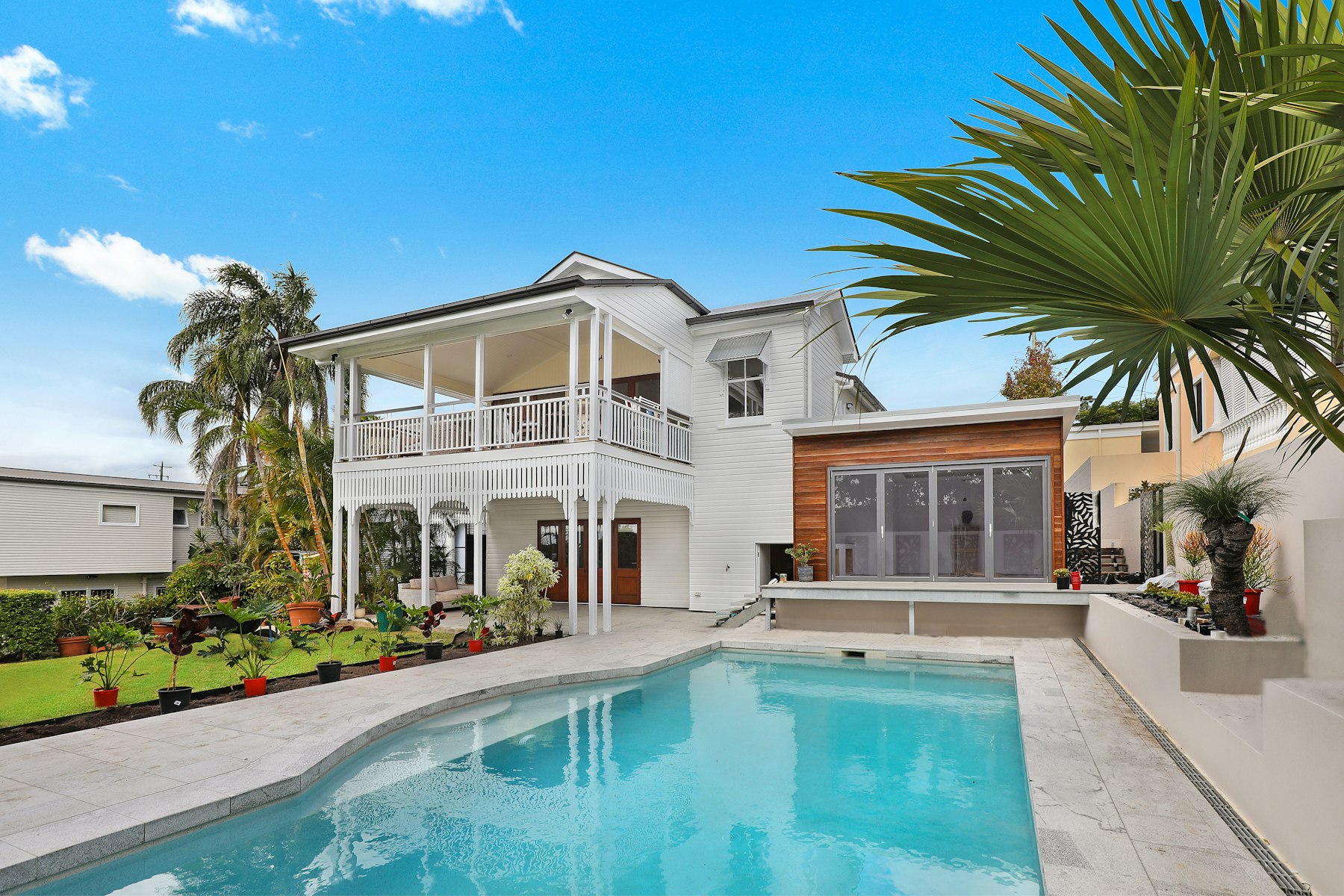
Conclusion: build a home that gives back to you every day
Wellness and longevity-focused design comes down to six compounding pillars: air, water, light, quiet, comfort, and movement. When these aspects are addressed early and executed precisely in your home—be it through a luxury home renovation or a wellness-first custom build—you will find that your house stops being something you manage and starts being something that supports you.
Small choices add up over years. That is what longevity means in a home.
A simple next step is to evaluate your current home against these six pillars. Identify the biggest friction points then plan either a phased upgrade or a custom build that makes feeling better the default every day.
FAQs (Frequently Asked Questions)
What is ‘wellness at home’ and why is it important in South Florida luxury living?
Wellness at home refers to designing and building homes that prioritize health, comfort, and longevity through features like cleaner air, better water, optimal lighting, noise reduction, thermal comfort, and supportive floor plans. In South Florida, where humidity, heat, salt air, and urban noise are prevalent, wellness-focused design enhances daily living by improving sleep quality, reducing stress, increasing energy levels, and supporting recovery.
How does humidity affect sleep quality in South Florida homes?
High humidity levels in bedrooms create warm and musty environments that disrupt restful slumber. Controlling indoor humidity is crucial for better sleep quality because excessive moisture can lead to discomfort and mold growth. Dedicated dehumidification systems and tight building envelopes help maintain stable humidity levels conducive to restful sleep.
What are the six pillars of wellness and longevity-focused home design?
The six pillars include: 1) Air – ensuring cleaner indoor air with controlled humidity and reduced pollutants; 2) Water – providing safer, better-tasting water that supports skin health; 3) Light – optimizing lighting to support circadian rhythms and improve sleep; 4) Acoustics – creating quieter rooms to reduce stress; 5) Thermal Comfort – maintaining stable temperatures with effective humidity control; 6) Movement and Recovery – designing floor plans that encourage daily activity and promote recovery.
How can indoor air quality be improved in South Florida homes?
Improving indoor air quality involves creating a tight building envelope to prevent uncontrolled outdoor air infiltration, using balanced ventilation systems such as ERV or HRV units to bring in fresh air while managing humidity, installing high-efficiency MERV 13+ filters to capture fine particles, incorporating dedicated dehumidification systems especially during low cooling demand periods, and selecting low or zero-VOC paints and materials to minimize pollutants.
Why is lighting design critical for wellness in South Florida homes?
Proper lighting design supports the body’s circadian rhythm by mimicking natural daylight patterns. Harsh or inappropriate indoor lighting can cause discomfort, increase stress levels, and disrupt sleep cycles. Incorporating daylighting strategies along with adjustable artificial lighting helps create calming environments that promote relaxation and healthy sleep patterns.
What role does coordinated architecture and MEP system design play in wellness-focused homes?
Coordinated planning between architectural elements (like luxury home design) and mechanical, electrical, plumbing (MEP) systems ensures that wellness features such as humidity control, ventilation balance, filtration efficiency, thermal comfort measures, lighting optimization, and acoustic treatments work seamlessly together. Early integration leads to cost-effective solutions with superior performance compared to afterthought upgrades.