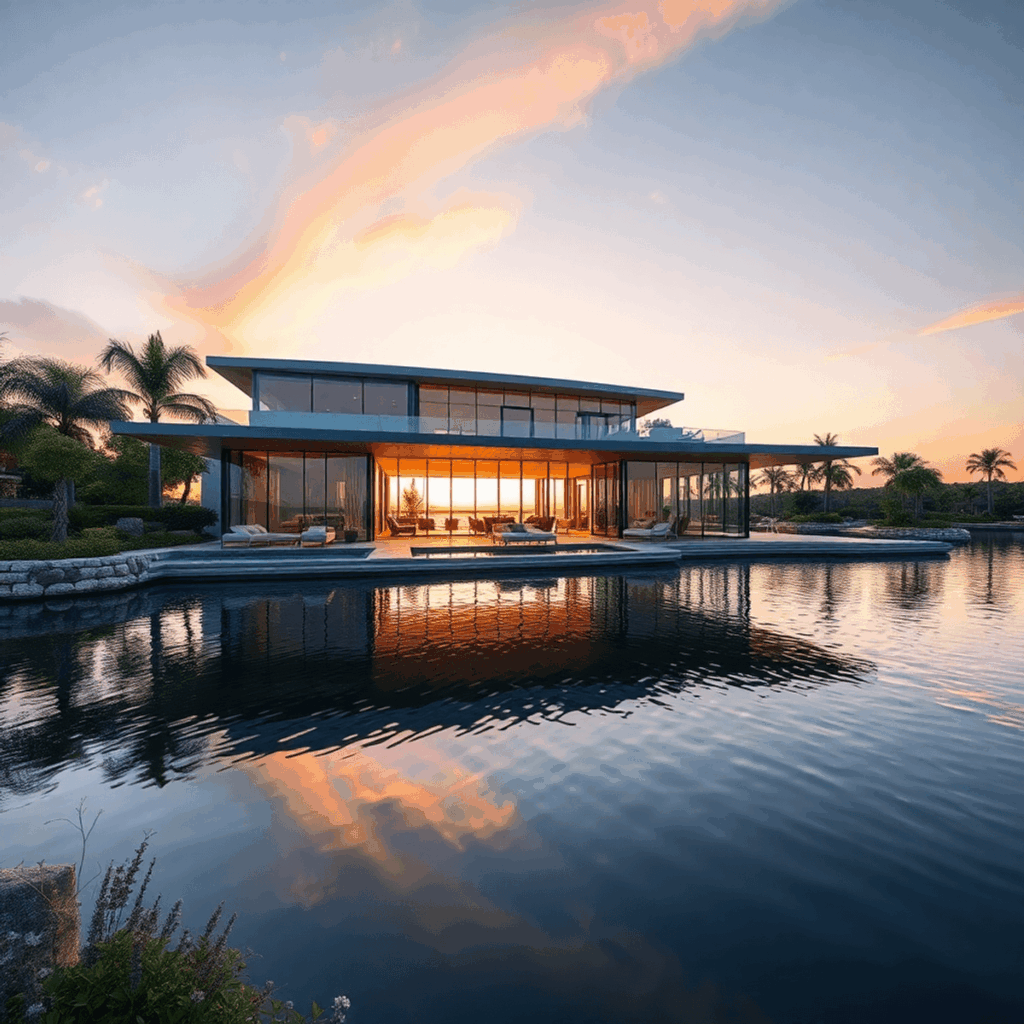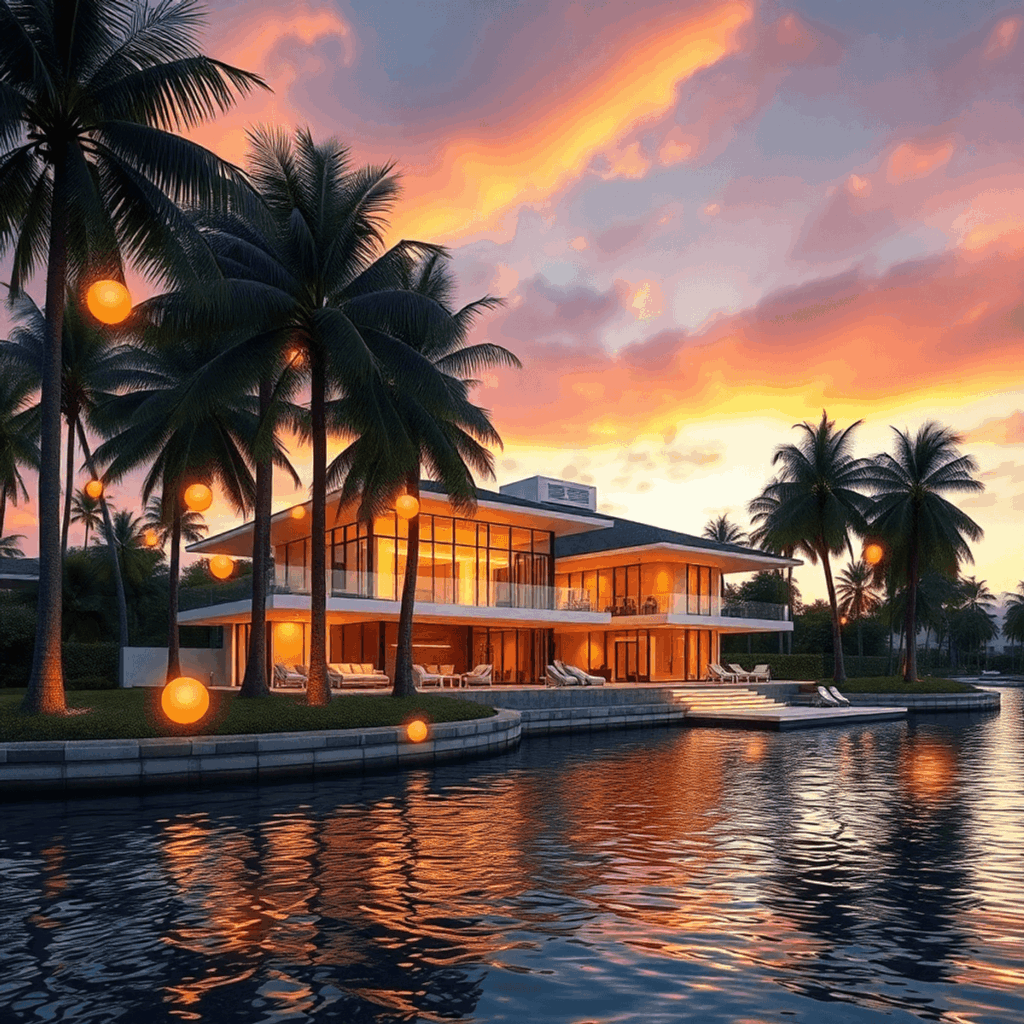
Why Florida is a top place to build a luxury home (even if you don’t live here)
Florida is one of those places where the dream sells itself. Sun. Water. Golf. Palm trees. A home that feels like a resort, but it’s yours.
And it can be a smart investment too, depending on where you build and how you plan to use it.
However, the friction is real when you’re international. Distance, time zones, language nuances sometimes, and the big one, trust. Who’s actually on site? Who’s watching the budget? Who’s catching the small mistakes before they turn into expensive ones?
Still, Florida is uniquely “buildable” for absentee owners compared to a lot of other luxury markets:
- Established luxury corridors with comps and experienced professionals.
- A deep bench of custom builders, architects, and high-end trades who are used to second homes and out-of-state clients.
- Construction can move year-round in many areas. Storm season is the caveat, and it’s not a small caveat, but you’re not dealing with months of winter shutdown.
The expectation to set right now is that building remotely is absolutely doable. People do it every day. But you have to run it like a project. Systems, documentation, reporting, approvals – if you try to build a $3M to $10M home on vibes and casual texts, the project will punish you for it.
The real problem: building remotely isn’t hard, misalignment is
Most remote builds don’t fail because the owner lives abroad. They fail because everyone is not aligned on what “done” looks like.
Common failure points I see with absentee owners:
- Unclear scope. “Luxury finishes” is not scope.
- Vague allowances that quietly blow up later.
- No communication cadence, so problems surface late.
- Change orders that feel like surprises (because they are, to you).
- Vendor finger pointing. Builder blames designer. Designer blames engineer. Everyone blames permitting.
Luxury makes this sharper. You have more custom decisions. More long lead items. More specialist trades. And your expectations are higher; which is fair because you’re paying for it.
The core idea of this whole article is simple: build a remote-friendly system so distance doesn’t become risk.
This involves assembling the right team + contract + reporting + approvals + checkpoints. To navigate these challenges successfully, it’s crucial to leverage resources effectively. For instance, understanding construction permitting in South Florida can greatly streamline your project management process and mitigate potential issues down the line.
Start with the right Florida location (because rules and risks change by zip code)
Where you build in Florida changes everything. Budget, timeline, insurance, even what your architect is allowed to draw.
A few location variables that matter more than people expect:
- Coastal vs inland. Coastal can mean stricter wind design, corrosion, salt air durability, and often higher insurance complexity.
- Flood zones and elevation. Floodplain requirements can change your foundation design and your costs. Sometimes dramatically.
- Wind zones. Impact rated windows and doors, roof assemblies, fastening schedules. These aren’t “nice to have” in many areas, they’re the baseline.
- HOA and design review. Some luxury communities have intense architectural review boards. That can be good (protects values) and also slow (adds approvals).
- Access to luxury trades. You want a market where high end millwork, stone, glazing, and smart home installers are common, not rare.
Luxury markets people typically look at, just as examples, not promises: Miami and Miami Beach areas, Naples, Sarasota and Longboat Key, Palm Beach, Orlando area luxury communities, and pockets in Jacksonville and St. Augustine.
A simple location filter that works well for international owners:
- Direct flight access or at least easy connections. You may only visit a few times, but those visits matter.
- Rental or usage goals. Pure second home feels different than part time rental. Some HOAs restrict rentals hard.
- Insurance cost profile. Get rough insurance guidance early, even before design, especially near the coast.
- HOA flexibility. Ask about build timeline requirements, contractor rules, and design restrictions.
Also, permitting speed varies a lot by municipality. Two towns can be 30 minutes apart and feel like different countries in how quickly plans get reviewed. Plan for it.
Pick your build path: custom build, teardown, or major renovation
Most luxury buyers end up in one of three lanes:
1) Build on vacant land
Cleanest from a “known conditions” standpoint, assuming the lot is truly ready. But land development can bite. Utilities, soil conditions, drainage, seawalls, fill requirements, all of that is real work.
2) Teardown and rebuild
Common in prime neighborhoods where the value is the location. You get a known neighborhood and often mature landscaping. But you inherit demolition permits, possible historic district rules, and sometimes neighbor constraints that make construction logistics tighter.
3) Major renovation
This can look “faster” on paper. Sometimes it is. Often it isn’t. Renovations uncover surprises. Framing issues. Hidden moisture. Old plumbing. Outdated electrical. And while you’re discovering those surprises, your schedule and budget are just sort of… floating.
Remote owner lens:
- Easiest to manage from abroad: new build on a well vetted lot, or a teardown rebuild with a strong builder and clear plans.
- Most hidden risk: major renovation. It can be beautiful. But it’s the one that can spiral without tight oversight.
Approvals and complexity differences:
- Vacant land may require more civil work, site plans, drainage, utilities.
- Teardowns may need demolition permits and extra neighborhood coordination.
- Renovations may trigger code upgrades, and sometimes you’re effectively building new inside an old shell.
Practical framework:
- If you want speed, buy something close to what you want already, or do a controlled renovation (not a full gut) with heavy pre inspection.
- If you want control and predictability, new build with full drawings and a procurement plan.
- If you want architectural uniqueness, custom build or teardown rebuild.
- If you have low tolerance for surprises, avoid major renovation unless you can be present more often or you have a very strong owner’s rep.
Build your absentee owner team first (this is your real insurance)
A luxury home is a team sport. For an international owner, the team is basically your insurance policy.
Core roles, and what “good” looks like:
- Luxury custom builder. Proven track record at your price point, strong superintendent, clean documentation, and a real process for selections and change orders.
- Architect. Not just pretty plans. Someone who understands Florida codes, wind, flood constraints, and how to detail for humidity.
- Interior designer. Important for a remote build because they can drive selections early and prevent allowance disasters.
- Structural engineer. Especially critical in coastal and wind zones.
- Civil engineer. Grading, drainage, site utilities, sometimes seawall coordination.
- Landscape architect. Florida outdoor living is half the house. And irrigation and drainage matter.
- Local owner’s rep / project manager. This is the big one for absentee owners.
An owner’s rep can protect scope, verify progress, manage documentation, and sanity check billing. They can also walk the job site when you cannot, and ask the annoying questions that save you money.
Who leads coordination? You need one clear coordinator. Sometimes it’s the builder. Sometimes it’s the owner’s rep. Sometimes it’s the architect during design then the builder during construction. What you do not want is ambiguity. Ambiguity creates delays because everyone assumes someone else is handling it.
Licensing and insurance basics to verify:
- Florida contractor licensing (and that it is active and appropriate for the work).
- General liability.
- Workers comp.
- References on similar luxury projects, not just “a happy client” but someone who built something comparable.
Nail the budget: why luxury builds go sideways (and how to prevent it)
Luxury budgets go sideways for boring reasons. Not because people are greedy. Because decisions were left vague.
A clean luxury budget usually includes:
- Hard costs: labor and materials for the home.
- Soft costs: architecture, engineering, interior design, owner’s rep, surveying.
- Sitework: clearing, grading, fill, drainage, utilities, seawall work if applicable.
- Permitting and impact fees.
- Interiors: cabinetry, appliances, lighting, plumbing fixtures, built ins, finishes.
- Landscaping and pool: pool, spa, outdoor kitchen, lanai, screening, planting, irrigation.
- Technology: smart home, AV, security, networking, cameras.
- Contingencies.
Allowances vs fixed selections. This is where remote owners get trapped. An allowance is basically a placeholder number. If the allowance assumes a $6 per square foot tile and you naturally pick $18 per square foot tile, the budget “mysteriously” grows. Multiply that across lighting, plumbing, appliances, cabinetry hardware, stone, and suddenly you’re six figures over and nobody feels responsible.
Florida specific cost drivers to plan for:
- Coastal engineering and stricter structural requirements.
- Impact rated windows and doors in many areas.
- Elevation requirements in flood zones.
- Insurance considerations that influence design choices.
- The pool and lanai culture. Many luxury buyers want serious outdoor living.
- HVAC that can actually handle heat and humidity, often with zoning and dehumidification.
A contingency strategy that works: Keep two contingencies.
- Design contingency for the period where drawings are evolving and you are still making big layout decisions.
- Construction contingency for actual field surprises and true unknowns.
And don’t “release” contingency mentally until drawings are complete and you have real bids, not rough estimates.
Contracts that protect absentee international owners (without slowing the project)
Contract style, in plain English:
- Fixed price: one number for a defined scope. Great when scope is truly defined. Dangerous when it isn’t, because quality can get value engineered to protect the builder.
- Cost plus: you pay actual costs plus a fee. Transparent when done right. Can drift when not controlled.
- GMP (guaranteed maximum price): a cap with defined scope and allowances, often with shared savings or defined rules. Common in custom work.
For many custom luxury builds, GMP or a tightly managed cost plus tends to fit reality, because true custom work has evolving selections and lead times. But the right answer depends on your project and your tolerance for risk.
Remote owner must haves in the contract:
- Written scope exhibits. What is included, what is excluded.
- Decision deadlines. If the project needs tile selections by X date, it should be written and tracked.
- Change order approval rules. No verbal approvals. No “we thought you meant.”
- Markup transparency. What is the fee on subs and materials. What is the change order markup.
- Documentation requirements. Meeting notes, photo reporting, updated budget logs.
- Dispute resolution process. You want a path that doesn’t require you to get on a plane just to have a difficult conversation.
Payment controls:
- Milestone based draws tied to verified progress.
- Lien waivers.
- Proof of insurance.
- Retainage, even a small amount, to keep closeout responsive.
Paying on vibes fails remotely. It just does.
Also spell out warranty expectations and post close punch process. If you won’t be in Florida often, you need a clean way to identify issues, submit them, and get them resolved without a lot of drama.
Permitting, codes, and inspections in Florida: the parts you can’t ignore from abroad
High level flow usually looks like:
- Surveys and site data.
- Site plan and civil engineering.
- Architectural and engineering plans.
- Permit submission.
- Plan review.
- Revisions and resubmittals.
- Permit issuance.
- Staged inspections during construction.
Florida building realities that affect design:
- Wind loads and hurricane rated assemblies.
- Flood elevation requirements.
- Energy code impacts that influence insulation, glazing, HVAC.
Who handles what depends on your team, but typically: Architect coordinates drawings, engineers stamp their components, civil handles site, builder submits permits or supports submissions.
As a remote owner, you track this with a shared permit log and weekly updates. It can be a simple spreadsheet. Date submitted, reviewer comments, who owes the response, next resubmittal date.
Municipalities vary wildly in turnaround time. Complete drawings reduce delays. So does responding fast to comments.
Designing a Florida luxury home that actually performs (storms, heat, humidity)
Luxury is not just marble and a pretty chandelier. In Florida, luxury is a house that stays dry, comfortable, and low drama when it’s 94 degrees and the air feels like soup.
Translate luxury into performance:
- Durable building envelope.
- Moisture control that is designed, not hoped for.
- High quality glazing.
- Resilient power and water planning.
Key Florida design decisions:
- Covered outdoor living that actually works, with proper drainage and materials that can take sun and rain.
- Shading strategy. Overhangs, screens, orientation. It matters.
- HVAC zoning plus dehumidification. Comfort is humidity control.
- Mold resistant materials in the right places.
- Salt air durability near the coast. Fasteners, exterior hardware, coatings.
These aspects are crucial when considering luxury home architecture design in South Florida.
Resilience upgrades that matter for absentee owners:
- Generator with automatic transfer switch.
- Impact glass and rated doors.
- Smart leak detection.
- Whole home surge protection.
And the balance. Aesthetics vs maintainability. Some finishes look incredible in a photo and suffer in seasonal vacancy. Choose materials that can handle humidity and long periods of a closed up home.
This is particularly relevant for those interested in waterfront and coastal home construction in South Florida, where salt air durability becomes a significant factor.
In terms of luxury home renovations or remodeling in South Florida, it’s essential to consider these elements to ensure the property not only looks stunning but also performs well under the unique Florida climate conditions.
Furthermore, understanding South Florida luxury real estate trends can provide valuable insights for making informed investment decisions in this market.
Remote decision making: a simple system to keep the project moving
If you want the project to move, you need rhythm.
Communication cadence that works:
- Weekly owner update: progress, schedule, budget, decisions needed.
- Monthly financial summary: costs to date, committed costs, forecast.
Use a decision register. This is just a running list of selections with due dates. Tile, lighting, plumbing, appliances, paint, cabinetry, hardware, stone, exterior finishes. If it’s not on the register, it will surprise you later.
Approving from abroad: Ask for documented samples and curated options. Ideally good, better, best with pricing attached. Then you give written sign off. Not a casual “looks good” in a WhatsApp thread that disappears.
Use a shared project hub for everything: Plans, specs, photos, meeting notes, invoices, change orders. And use consistent naming and version control. Sounds nerdy, saves projects.
Quality control when you can’t be on site
Luxury homes need tighter QA/QC because the assemblies are more complex. Waterproofing, custom showers, window installs, millwork, clean reveals. Small errors show up forever.
Remote methods that actually work:
- Third party inspections at critical milestones.
- Photo and video walkthroughs with narration, not just pretty photos.
- Punch list software that assigns owners and due dates.
Critical checkpoints for absentee owners:
- Foundation forms and pours.
- Framing.
- Roof dry in.
- Window and door installation.
- Waterproofing.
- Tile showers before they close up.
- Cabinetry templating.
- Final MEP commissioning.
Punch lists and re inspections can drag on if nobody owns the schedule. Handle it with a deadline driven closeout plan. What gets done before substantial completion, what gets held back in retainage, and what the builder must respond to within X days.
Timeline reality: what typically slows luxury builds in Florida
Custom luxury is rarely fast. Even with a great team.
A practical phase timeline, conceptually:
- Concept and programming.
- Design development.
- Construction documents.
- Permitting.
- Build.
- Closeout.
Common delay causes:
- Long lead items. Windows, cabinets, specialty stone, custom doors, certain appliances.
- Permitting revisions.
- Weather and storm season disruptions.
- Subcontractor availability.
- Late design changes. The quiet killer.
How absentee owners reduce delays:
- Make selections early. Earlier than feels comfortable.
- Procure long lead items early.
- Hold pre bid meetings to align scope.
- Lock specs before the permit set goes in.
Use the schedule as a tool, not a poster. Weekly look ahead plus a constraints list. What is blocking the next tasks, who owns it, when it clears.
Security, insurance, and vacancy planning (the absentee owner checklist)
Construction phase insurance, at a high level:
- Builder’s risk.
- Liability.
- Verify alignment between owner coverage and builder coverage. Do not assume it is automatic.
Post build insurance considerations: Wind and flood exposure, mitigation credits, and keeping documentation. Impact windows specs, roof specs, tie downs, permits. Insurers want proof.
Vacancy strategy:
- Monitored security.
- Smart locks.
- Water shutoff valves.
- Humidity monitoring.
- Regular property checks.
If you will rent occasionally, design for it: Durable surfaces, separate owner storage, easy maintenance workflows. The home should be beautiful, but also not fragile.
How to choose a builder when you’re an international buyer (without getting burned)
Go beyond the portfolio. Ask:
- What is your current job load.
- Who is my superintendent and what is their experience.
- How do you communicate. Weekly reports, photos, meetings.
- How do you handle change orders.
Proof to request:
- References from similar price points.
- Sample budgets (even redacted).
- Sample schedules.
- A redacted example of a monthly report.
Red flags for remote builds:
- Vague allowances with no guidance.
- Refusal to document.
- Unclear subcontractor management.
- Aggressive timelines without procurement planning.
Remote vetting process that works: Video interviews, a site visit of an active project with your owner’s rep, and background checks plus licensing verification. If a builder is great, they will not be offended by this. They will respect you for it.
Closing the project: commissioning, warranties, and a smooth handoff from abroad
Commissioning in plain terms is making sure the systems actually work the way you paid for.
Test and verify:
- HVAC performance and dehumidification.
- Irrigation zones and drainage.
- Pool equipment.
- Generator operation.
- Smart home systems, networking, cameras, access control.
Handoff package for absentee owners should include:
- As builts.
- Warranties.
- Paint, tile, and finish schedules.
- Appliance manuals.
- Vendor list with contacts.
- Maintenance calendar.
Set up ongoing support: Property manager or caretaker, scheduled inspections, and a process for warranty claims when you’re overseas. Who reports the issue, who schedules access, how photos get documented, and how you track resolution.
Remote luxury builds succeed when the system is tight. Team, contract, reporting, checkpoints. Distance is just geography. Misalignment is the real enemy. If you build the system early, Florida becomes what it should be. Fun again. The lifestyle. The upside. And a home that feels effortless when you finally arrive.
FAQs (Frequently Asked Questions)
Why is Florida considered a top place to build a luxury home even for absentee owners?
Florida offers established luxury corridors with comparable properties and experienced professionals, a deep pool of custom builders and high-end trades accustomed to working with second-home and out-of-state clients, and year-round construction possibilities in many areas. These factors make it uniquely ‘buildable’ for absentee owners compared to other luxury markets.
What are the main challenges faced when building a luxury home remotely in Florida?
The main challenges include managing distance, time zones, language nuances, and establishing trust. Misalignment on project scope, vague allowances, lack of regular communication, unexpected change orders, and vendor finger-pointing can cause remote builds to fail. Running the project like a well-documented system with clear reporting and approvals is essential to overcome these challenges.
How does the location within Florida affect building a luxury home?
Location impacts budget, timeline, insurance costs, design restrictions, and construction requirements. Coastal areas require stricter wind design and corrosion-resistant materials; flood zones influence foundation design; wind zones dictate impact-rated windows and roof assemblies; HOAs can impose architectural reviews; and access to luxury trades varies by area. Choosing locations with direct flight access, favorable rental policies, manageable insurance costs, flexible HOAs, and efficient permitting processes is crucial.
What are the different build paths available for luxury homes in Florida?
Luxury buyers typically choose among three options: 1) Building on vacant land—which offers known conditions but may involve utilities and soil work; 2) Teardown and rebuild—common in prime neighborhoods but may involve demolition permits and historic district rules; 3) Major renovation—can be faster on paper but often uncovers surprises like framing or plumbing issues that affect schedule and budget. New builds or teardown rebuilds with clear plans are easiest to manage remotely.
How can absentee owners effectively manage their luxury home construction projects in Florida?
Absentee owners should establish a remote-friendly system involving assembling the right team of professionals, setting clear contracts, implementing thorough reporting mechanisms, defining approval checkpoints, and maintaining consistent communication cadence. Leveraging resources such as understanding construction permitting in South Florida also helps streamline project management and mitigate risks.
What considerations should international buyers keep in mind when investing in Florida luxury homes?
International buyers should consider factors like direct flight accessibility for site visits, rental or usage goals since some HOAs restrict rentals, insurance cost profiles especially near coastal areas, HOA flexibility regarding build timelines and contractor rules, as well as differences in permitting speed across municipalities. Proper planning around these aspects ensures smoother building experiences despite distance challenges.