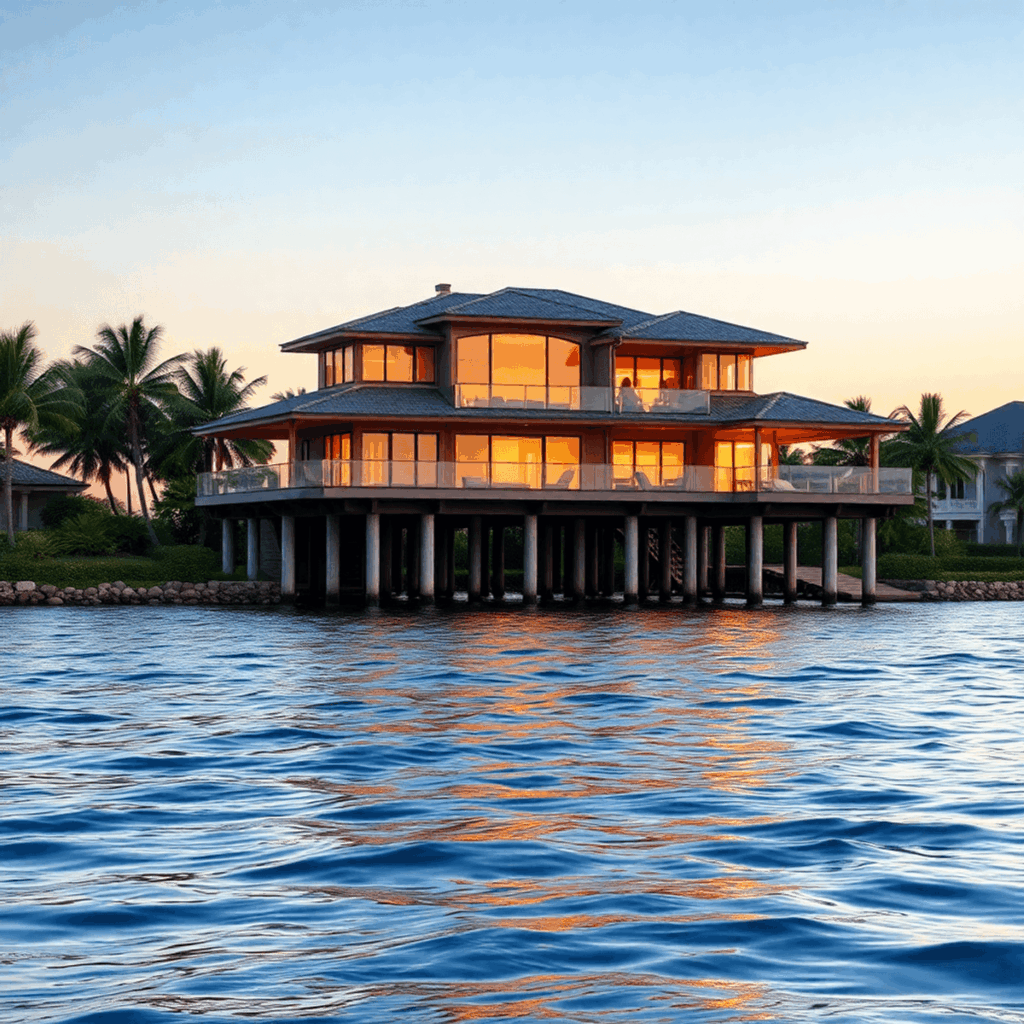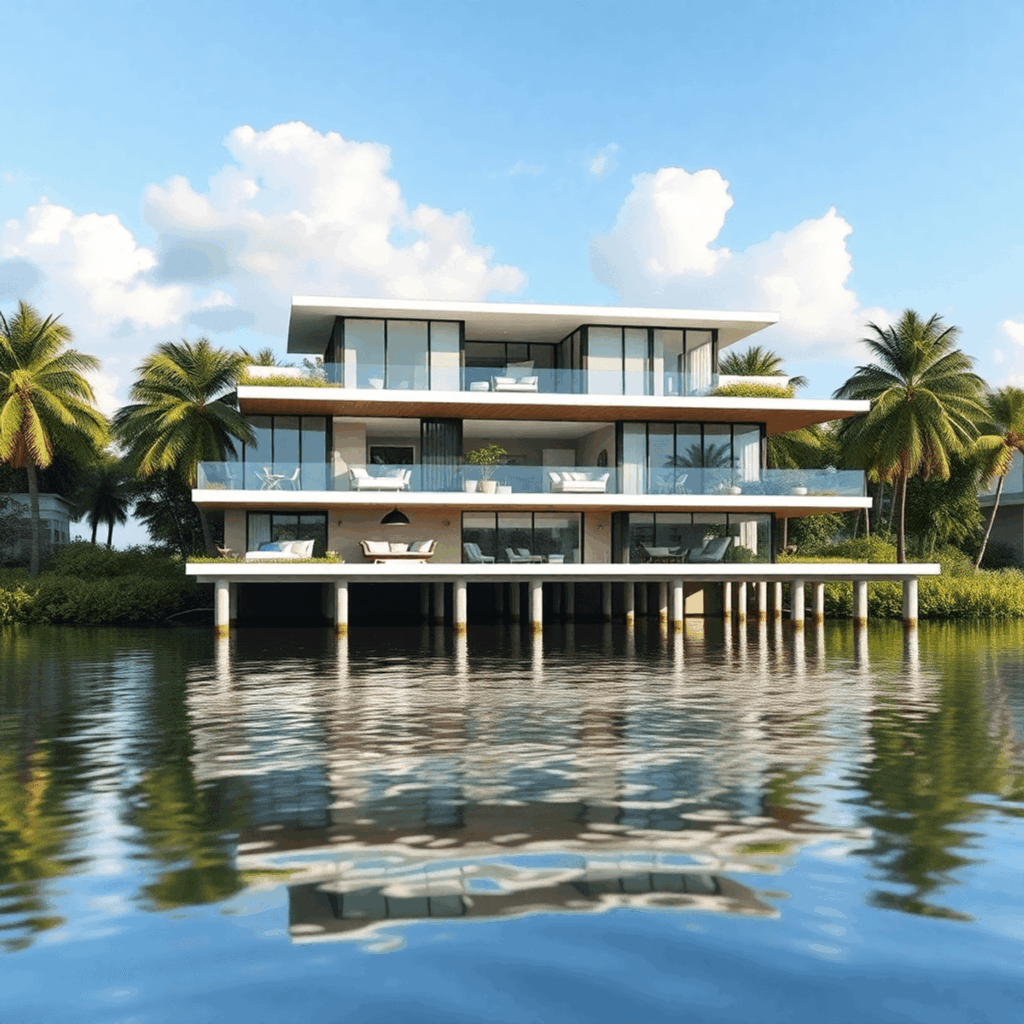
South Florida luxury homes exist in a beautiful yet demanding environment. Waterfront exposure, humidity and salt air, intense UV, and strict hurricane codes all convey one message: luxury has to perform, not just photograph well.
This guide breaks down creative elevated design solutions that feel distinctive and high-end while staying timeless. Think of it as design moves that remain buildable, maintainable, and visually coherent, whether you are planning a custom home in Fort Lauderdale or a high-end renovation in Broward, Palm Beach, or Miami-Dade.
Why “Elevated Design” Matters in South Florida Luxury Homes
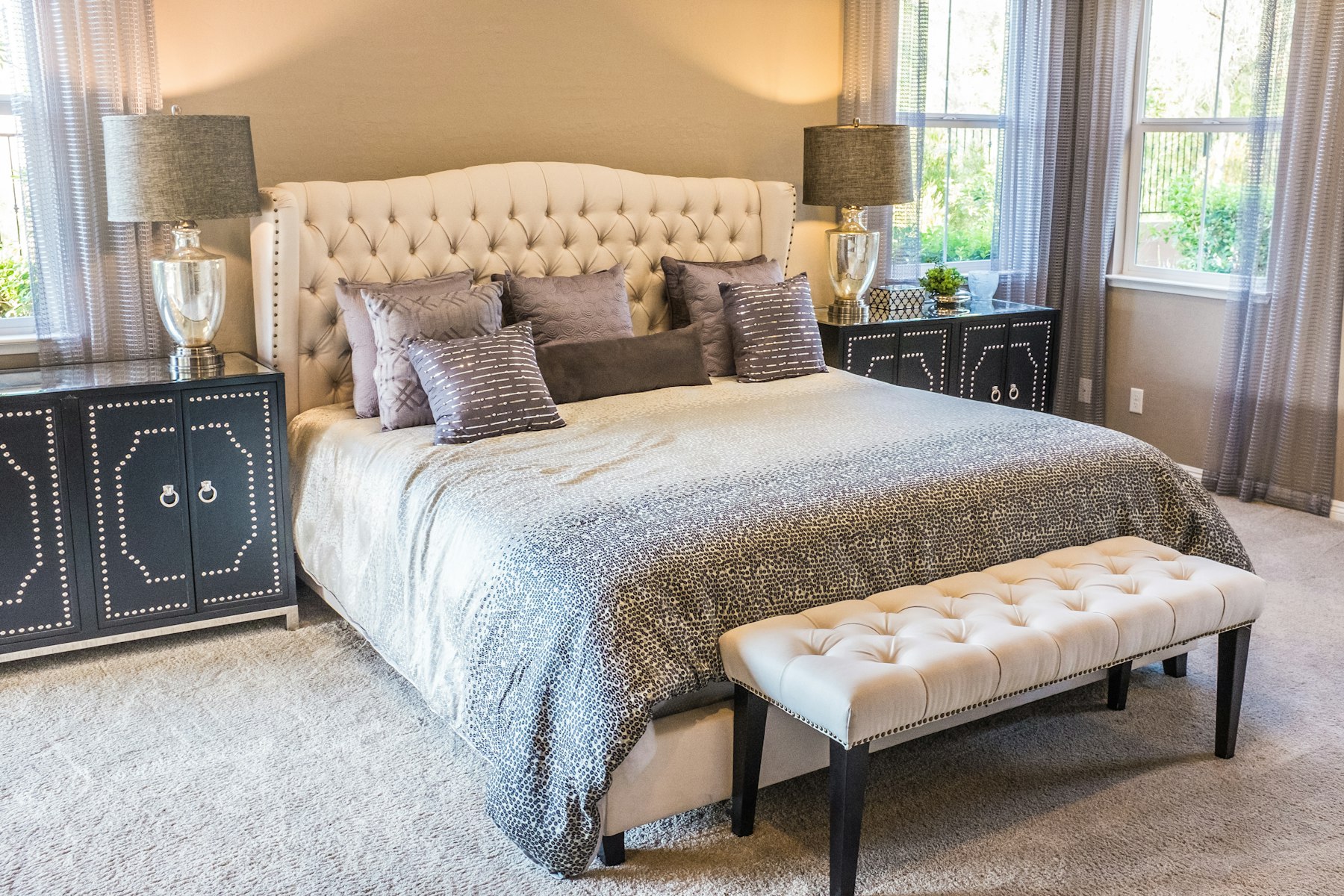
“Elevated design” is not about adding more; it is about making smarter, cleaner decisions that read expensive up close. It is the alignment of architecture, materials, detailing, and execution so the home feels intentional from every angle. This concept is particularly relevant when considering luxury home architecture design in South Florida.
In South Florida, elevated design also has to account for:
- Coastal exposure: salt air, corrosion risk, and constant humidity which are critical factors in waterfront and coastal home construction.
- Sun and heat: UV damage, glare, and finish fading.
- Indoor-outdoor living: transitions must feel seamless and durable.
- Hurricane and wind-load requirements: impact-rated openings, roof assemblies (which must adhere to specific wind load requirements for Florida pole barns), and fastening schedules matter.
- Maintenance reality: luxury should not require constant repair to stay beautiful.
When we say “preserve luxury aesthetics,” we mean clean detailing, a coherent material palette, quiet sophistication, and craftsmanship that holds up to scrutiny. The goal is a home that feels calm and refined today, and still does ten years from now. This ideal can be achieved through careful planning during luxury home renovations or remodeling in South Florida, taking into account the necessary wind-resistant provisions for structural integrity.
Start With a Luxury “Design DNA”: The Rules That Keep Everything Cohesive
Before drawings turn into selections, establish a clear design North Star. This is where the best projects gain momentum and avoid expensive backtracking later.
Define the North Star early
Clarify three things before you dive into details:
- Architectural style: modern coastal, transitional, Mediterranean-inspired, or something more contemporary.
- Proportion rules: ceiling heights, window rhythms, and how bold or minimal the detailing should be.
- Your definition of luxury: a calm retreat with soft materiality, or a statement home with dramatic moments.
Build a limited, intentional palette
A timeless luxury home typically relies on 3 to 5 hero materials, used consistently:
- One primary floor finish (with a coordinated exterior counterpart)
- One “quiet” wall finish (paint, plaster, or micro-texture)
- One dominant stone look (natural or porcelain)
- One warm element (wood tone, oak, walnut, or thermally modified exterior wood)
- One metal family (brushed nickel, blackened bronze, or brass, used consistently)
Accents should be strategic, not random. Luxury is often restraint.
Prioritize proportion and alignment
High-end homes look “right” because key datum lines are disciplined:
- Consistent window head heights across elevations
- Door heights that match the home’s scale
- Clean transitions where materials meet
- Intentional symmetry, or clearly designed asymmetry
Layer the lighting plan early
Lighting cannot be an afterthought if you want clean ceilings and refined millwork. Involve the architect, designer, and builder early so:
- Cove details are framed correctly
- Downlights align with architecture, not furniture guesswork
- HVAC, sprinklers, speakers, and lighting do not fight for ceiling real estate
For more insights into creating such luxurious spaces in South Florida’s unique market conditions and understanding the latest luxury real estate trends, you may find these resources helpful: Kass Construction Insights and Kass Construction Resources.
Why architect-driven planning protects the aesthetic
When the architectural intent is clear, the build team can price accurately, coordinate trades cleanly, and avoid redesign in the field. That reduces rework and protects the visual outcome, especially in high-detail homes where reveals, joints, and trim strategies matter.
Creative Exterior Moves That Still Read Timeless (Not Flashy)
A luxury exterior should feel composed, not overdesigned. The best “creative” upgrades are usually about depth, shadow, and material quality.
Add depth with overhangs, recesses, and shadow lines
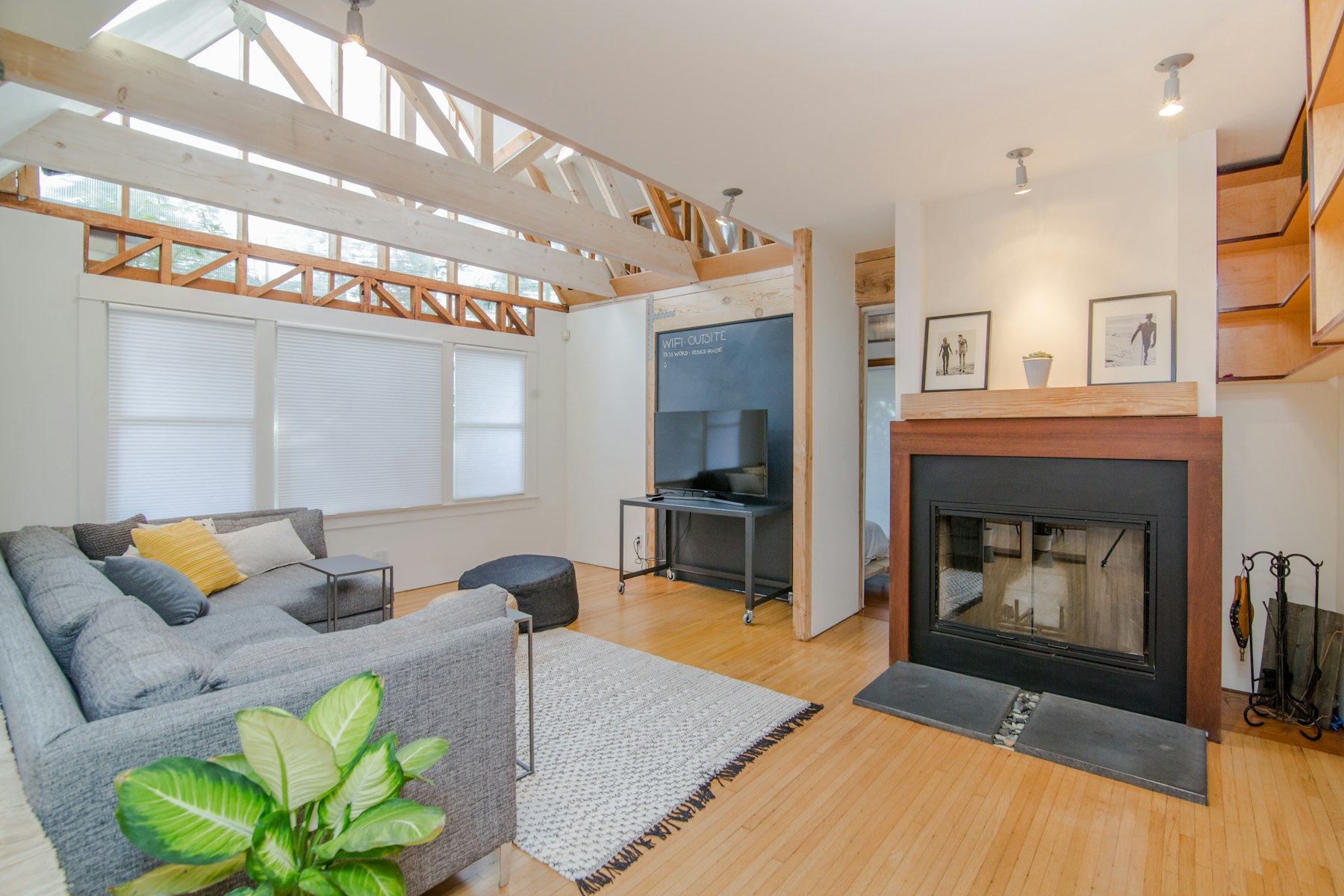
Instead of ornament, use architectural moves that create drama through light:
- Deep roof overhangs for shade and proportion
- Recessed openings around windows and entries
- Clean shadow reveals at transitions between materials
- Layered massing that looks intentional from the street and the water
Choose high-impact, low-noise materials
In coastal environments, material selection must balance beauty with durability:
- Limestone-look porcelain for a refined, consistent exterior surface with lower maintenance
- Architectural concrete for a modern, monolithic feel
- Thermally modified wood for warmth with improved stability
- Premium stucco systems designed for crack resistance and long-term performance
Integrate garage and service areas into the architecture
Nothing breaks a luxury façade faster than a “utility” zone that looks like an afterthought. Consider:
- Flush garage doors with minimal seams
- Hidden vents and grilles
- Matching cladding and consistent trim
- Cleaner side-yard elevations for corner lots and waterfront properties
Treat landscape as exterior design
Landscape is not decoration, it is architecture at ground level:
- Layered planting for depth and privacy
- Hardscape rhythm that mirrors the home’s geometry
- Discreet drainage solutions so water does not stain or erode finishes
Coordinate with permitting and wind-load requirements
Exterior changes often affect structural loads, fenestration schedules, and code compliance. Early coordination reduces redesign and avoids last-minute compromises that can dilute the design.
Interior Architecture Upgrades: The Details That Make a Home Feel Custom
Luxury is often felt in the quiet decisions: how a wall meets a floor, how a door closes, how sound travels.
Use “quiet lines” and consistent reveals
Refined interiors rely on controlled junctions:
- Flush baseboards or minimal base profiles
- Shadow gaps at drywall returns
- Clean casing strategies that match the architecture
- Consistent reveal dimensions across millwork and drywall conditions
For instance, achieving clean sightlines where the wall meets flush built-ins can significantly enhance the overall aesthetic.
Upgrade doors and transitions
A simple upgrade with outsized impact is the interior door package:
- 8 to 10-foot doors to match ceiling height and scale
- Solid-core slabs for sound control
- Concealed hinges for clean sightlines
- Minimal frames and aligned hardware finishes
Plan wall elevations, do not “feature wall” everything
Wall texture is powerful when it supports proportion:
- Paneling where it improves scale, such as long corridors or large living walls
- Micro-rib textures for subtle depth
- Plaster finishes for softness and light control
Used everywhere, these details become visual noise. Used strategically, they read bespoke.
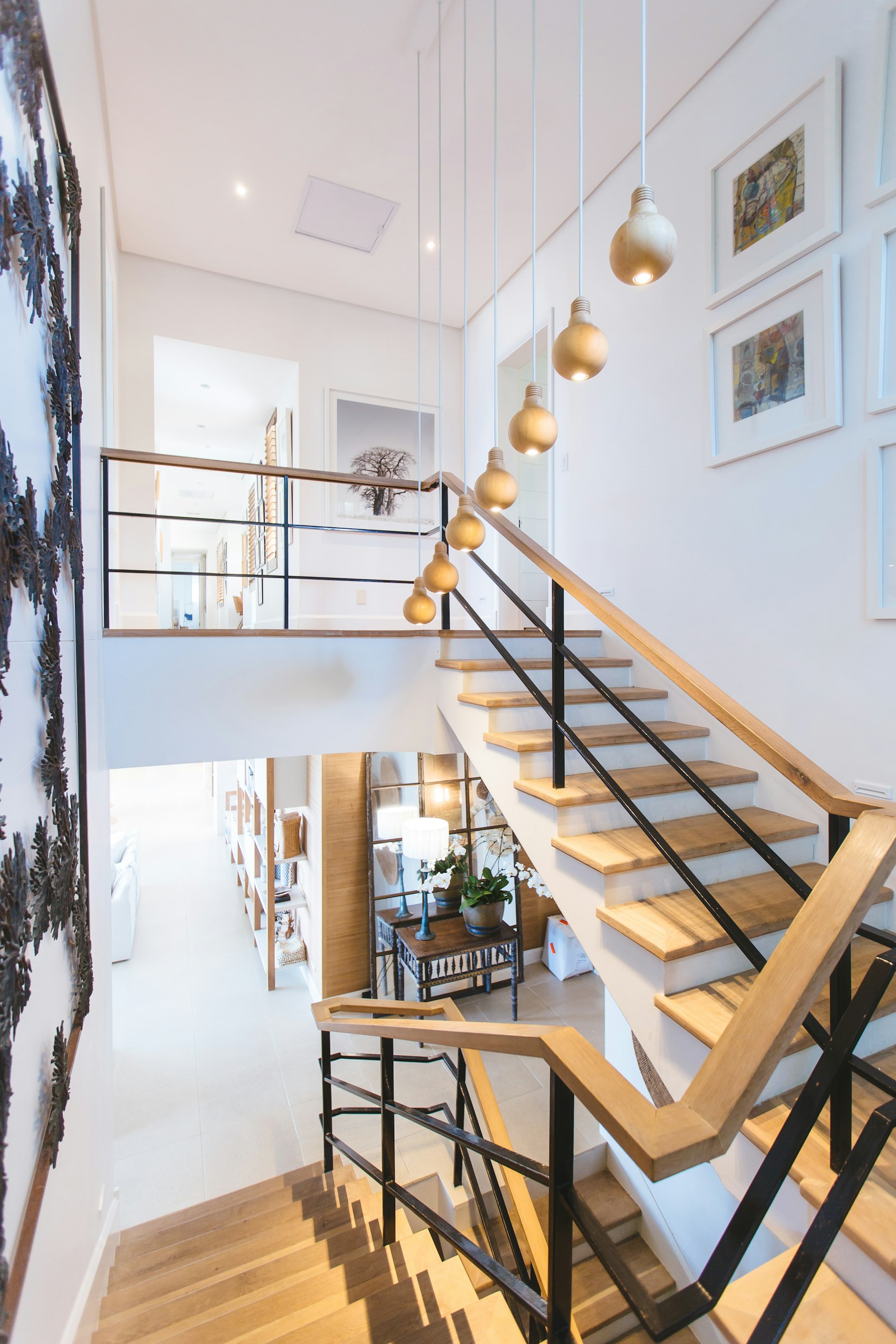
Make staircases sculptural
Stairs are one of the most visible architectural elements in a home. Elevated options include:
- Thinner profiles and cleaner stringer detailing
- Floating treads engineered properly for comfort and code
- Glass or refined metal detailing
- Warm under-tread lighting for nighttime ambiance
Build in sound and comfort
Luxury is also acoustic:
- Acoustic insulation between floors and key rooms
- Solid-core doors and better seals
- Mechanical planning that reduces noise at returns and diffusers
A serene home feels expensive, even before you notice the finishes.
High-End Material Swaps That Preserve the Luxury Look (and Improve Longevity)
Value engineering does not have to look value engineered. The goal is to preserve the visual intent while improving performance in a coastal climate.
Porcelain vs. natural stone in coastal areas
Marble and limestone are beautiful, but they can stain, etch, and weather quickly near salt air and pools. High-end porcelain can deliver:
- Similar veining and tonal movement
- Better stain resistance
- Easier maintenance
- More consistent matching for large runs
Engineered wood and wide-plank stability
Humidity swings can punish solid hardwood. The right engineered product often performs better while keeping the luxury look:
- Wider planks with stable cores
- Finishes designed for UV exposure near large glass
- Thoughtful expansion planning at thresholds and long runs
Use natural hardwood where conditions support it, and use high-quality engineered alternatives where performance matters more.
Countertops and slabs: where quartzite vs. quartz makes sense
For high-end kitchens, consider how the slab will live:
- Quartzite: often favored for natural movement and prestige, but varies by slab and can require sealing
- Quartz: consistent, lower maintenance, and can look very refined when paired with elevated detailing
Add luxury through execution: full-height backsplashes, bookmatching where appropriate, and cleaner edges that fit the architecture.
Outdoor continuity without sacrificing durability
Extend the interior palette outward, but choose finishes that are:
- UV-stable
- Slip-resistant near pools
- Appropriate for heat and bare feet
- Built with corrosion-resistant fasteners and substrates
Lighting as Architecture: Elevated Effects Without Visual Clutter
Lighting is one of the fastest ways to elevate a home, and also one of the easiest ways to ruin clean ceilings if it is not coordinated early.
Layer four types of light
Map lighting room by room:
- Ambient: the overall wash
- Task: countertops, vanities, desks
- Accent: art, stone textures, feature walls
- Decorative: pendants, chandeliers, sconces
Use hidden light sources for a gallery feel
Some of the most luxurious lighting effects are indirect:
- Cove lighting in trays and perimeter soffits
- Wall grazing for plaster, rib textures, and stone
- Toe-kick lighting in kitchens and baths
- Integrated shelf lighting in bars and built-ins
Keep Kelvin consistent
Discipline with color temperature is a hallmark of high-end lighting. Consistency keeps finishes looking rich and skin tones natural. A home that mixes temperatures randomly often feels harsh, even with expensive fixtures.
Control systems and scenes
Luxury is how it feels to live in:
- Entertain
- Evening
- Cleaning
- Away
A well-programmed system makes the home feel effortless.
Coordinate with HVAC and ceiling layouts
Downlight grids, linear vents, sprinklers, speakers, and access panels must be coordinated so the ceiling reads calm, not crowded.
Indoor–Outdoor Continuity: Make the Transition Feel Seamless and Expensive
Indoor-outdoor living is a South Florida signature. The difference between “nice” and “exceptional” is how seamless the transition feels.
Large openings done right
Multi-slide or bi-fold systems are only as luxurious as their detailing:
- Recessed tracks where feasible
- Clean thresholds and aligned floor heights
- Proper water management at the opening
- Structural planning that avoids awkward soffits and dropped beams
Outdoor kitchens and bars that feel interior-grade
Avoid the common “grill island” look. Elevated outdoor entertaining zones include:
- Cabinetry that matches the home’s style
- Stone selections that coordinate with the interior palette
- Integrated task lighting and ambient lighting
- Better ventilation and heat planning for comfort
Shade and comfort that blends into architecture
Comfort is part of luxury:
- Pergolas designed as architectural extensions
- Motorized screens integrated cleanly
- Ceiling fans chosen for performance and aesthetics
- Misting systems where appropriate, planned discreetly
Privacy by design for waterfront lots
Use sightline planning, landscape screening, and architectural walls so the home feels private without looking defensive.
Durability checklist
Specify for the coast:
- Marine-grade hardware
- Corrosion-resistant fasteners
- Proper drainage and slopes
- Materials that will not fade or warp quickly
Built-In Custom Millwork: Storage That Looks Like Part of the Architecture
Millwork is a luxury multiplier because it reduces visual clutter and makes rooms feel intentional.
Signature opportunities
High-impact millwork zones include:
- Hidden pantries and secondary prep storage
- Integrated wine walls
- Library and office built-ins
- Media walls with cleaner cable management
- Mudrooms and entry organization that feels tailored
Functional luxury that fits real life
The best millwork supports how the homeowner lives:
- Concealed charging
- Appliance garages
- Organized drawers and inserts
- Drop zones for bags, keys, and mail
Coordinate early for seamless execution
Millwork should be coordinated with:
- Electrical and low voltage
- Lighting integration
- HVAC conditions and returns
- Appliance specs and clearances
Coastal maintenance considerations
Specify finishes, adhesives, and ventilation strategies that can handle humidity and keep the millwork stable long-term.
Smart, Secure, and Quiet: “Invisible” Upgrades That Preserve Aesthetics
The most valuable upgrades are often the ones you do not notice.
Concealed tech for clean walls
- In-wall speakers where appropriate
- Hidden access points for strong Wi-Fi coverage
- Minimal wall plates and cleaner switch layouts
Security that does not look commercial
- Discreet cameras placed with architectural intent
- Integrated door stations
- Landscape lighting that supports perimeter security without glare
Mechanical planning for comfort
Luxury comfort requires planning:
- Zoned HVAC
- Humidity control strategies
- Quiet vents and returns
- Equipment placement that protects interiors and reduces noise
Resilient construction for South Florida
Impact-rated openings, waterproofing details, and structural upgrades should be integrated without compromising design. Done early, these choices protect long-term value and reduce future retrofits that can scar finished spaces.
How to Execute Elevated Design Without Compromising the Vision (Process Matters)
Most design failures are not taste problems. They are process problems.
Common failure points
- Late material decisions that force rushed substitutions
- Poor trade coordination leading to misalignment
- Rushed detailing that creates sloppy joints and inconsistent reveals
Preconstruction essentials
- Constructability review
- Budget alignment tied to the design intent
- Lead-time planning for windows, doors, stone, and specialty items
- Detailed scopes for each trade
Field verification culture
High-end execution requires:
- Shop drawings and submittals that are reviewed and tracked
- Laser levels and consistent layout control
- QC checklists for reveals, joints, and alignment before finishes go in
Owner’s representation approach
A strong owner’s rep mindset helps maintain clarity: transparent updates, risk mitigation, and managing changes without design drift.
Where Kass Construction & Development fits
Kass Construction & Development, a boutique architect-driven luxury builder based in East Fort Lauderdale, serves Broward, Palm Beach, and Miami-Dade. The firm provides integrated project management and permitting, coordinates architecture and design partnerships, and executes with a focus on precision and long-term value creation for custom homes and high-end renovations.
Design Ideas You Can Apply Right Now (Whether New Build or Renovation)
If you want elevated results without redesigning the entire home, prioritize the moves that change how the home feels day to day.
Quick wins
- Tighten your material palette to a few intentional choices
- Unify hardware finishes across the home
- Upgrade lighting layering and dimming, room by room
- Simplify trim strategy for cleaner lines
Medium-scope upgrades
- Add a millwork feature wall with integrated lighting
- Refresh the staircase with better detailing and lighting
- Introduce a ceiling detail with cove lighting in key spaces
- Upgrade the interior door package for scale and quiet
High-impact transformations
- Rework indoor-outdoor openings and thresholds
- Refine the exterior elevation with depth, shadow lines, and better material continuity
- Redesign the kitchen and pantry for integrated storage and cleaner sightlines
How to prioritize spending
Invest where you touch and see daily (floors, doors, lighting, millwork), and where it protects the home (envelope, waterproofing, HVAC, and humidity control). This is how you build a home that feels luxurious and stays that way.
Ready to Preserve the Luxury Vision and Elevate the Execution?
If you are planning a custom home or high-end renovation in South Florida, Kass Construction & Development can help you evaluate feasibility, protect design integrity, and execute with precision. Schedule a consult and bring your plans or ideas for a design-integrity and constructability review.
FAQs (Frequently Asked Questions)
What challenges does South Florida’s environment pose for luxury home design?
South Florida’s luxury homes face unique challenges such as waterfront exposure, humidity, salt air corrosion, intense UV rays, and strict hurricane codes. These factors demand that luxury homes not only look beautiful but also perform well structurally and maintain their aesthetics over time.
What is meant by ‘Elevated Design’ in South Florida luxury homes?
‘Elevated Design’ refers to making smarter, cleaner architectural decisions that convey a high-end feel up close. It involves aligning architecture, materials, detailing, and execution so the home feels intentional from every angle while accounting for coastal exposure, sun and heat, indoor-outdoor living transitions, hurricane resistance, and maintenance realities.
How can homeowners establish a cohesive design direction for their luxury home project?
Homeowners should define a clear ‘Design DNA’ or North Star early by clarifying their preferred architectural style (e.g., modern coastal or Mediterranean), setting proportion rules like ceiling heights and window rhythms, and defining their personal vision of luxury—whether it’s a calm retreat or a statement home with dramatic elements. This approach helps maintain cohesion and avoid costly redesigns.
What role does material selection play in creating timeless South Florida luxury homes?
A timeless luxury home typically relies on 3 to 5 hero materials used consistently throughout the project. This includes a primary floor finish with an exterior counterpart, a quiet wall finish like paint or plaster, a dominant stone look (natural or porcelain), a warm wood element such as oak or walnut, and a consistent metal family like brushed nickel or blackened bronze. Strategic accents support restraint and sophistication.
Why is early lighting planning crucial in South Florida luxury home design?
Early lighting planning ensures clean ceilings and refined millwork by coordinating architects, designers, and builders from the start. It allows proper framing of cove details, alignment of downlights with architectural features rather than furniture placement guesses, and prevents conflicts among HVAC systems, sprinklers, speakers, and lighting fixtures—all contributing to seamless indoor-outdoor living experiences.
How does architect-driven planning benefit the construction of high-detail luxury homes in South Florida?
Architect-driven planning provides clear architectural intent that enables accurate pricing, efficient trade coordination, and minimizes redesign during construction. This approach protects the visual outcome by ensuring reveals, joints, trim strategies, and other details are executed precisely—essential for maintaining the refined aesthetics expected in high-end South Florida homes.