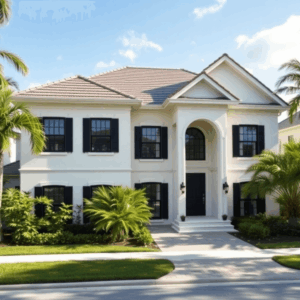
Whole home automation is becoming the baseline expectation for luxury estate living in South Florida — not because it is a status symbol, but because the bigger the home, the more systems you are quietly responsible for. Multiple HVAC zones, lighting layers, motorized shades, pool and spa equipment, security, gates, cameras, audio, irrigation, guest houses, docks, and outdoor kitchens. When those systems are disconnected, the home becomes harder to run, more expensive to operate, and more prone to small failures that turn into inconvenient service calls. Whole-home automation solves that by turning the property into one coordinated ecosystem, with voice control as a convenience feature and measurable energy efficiency as the outcome.
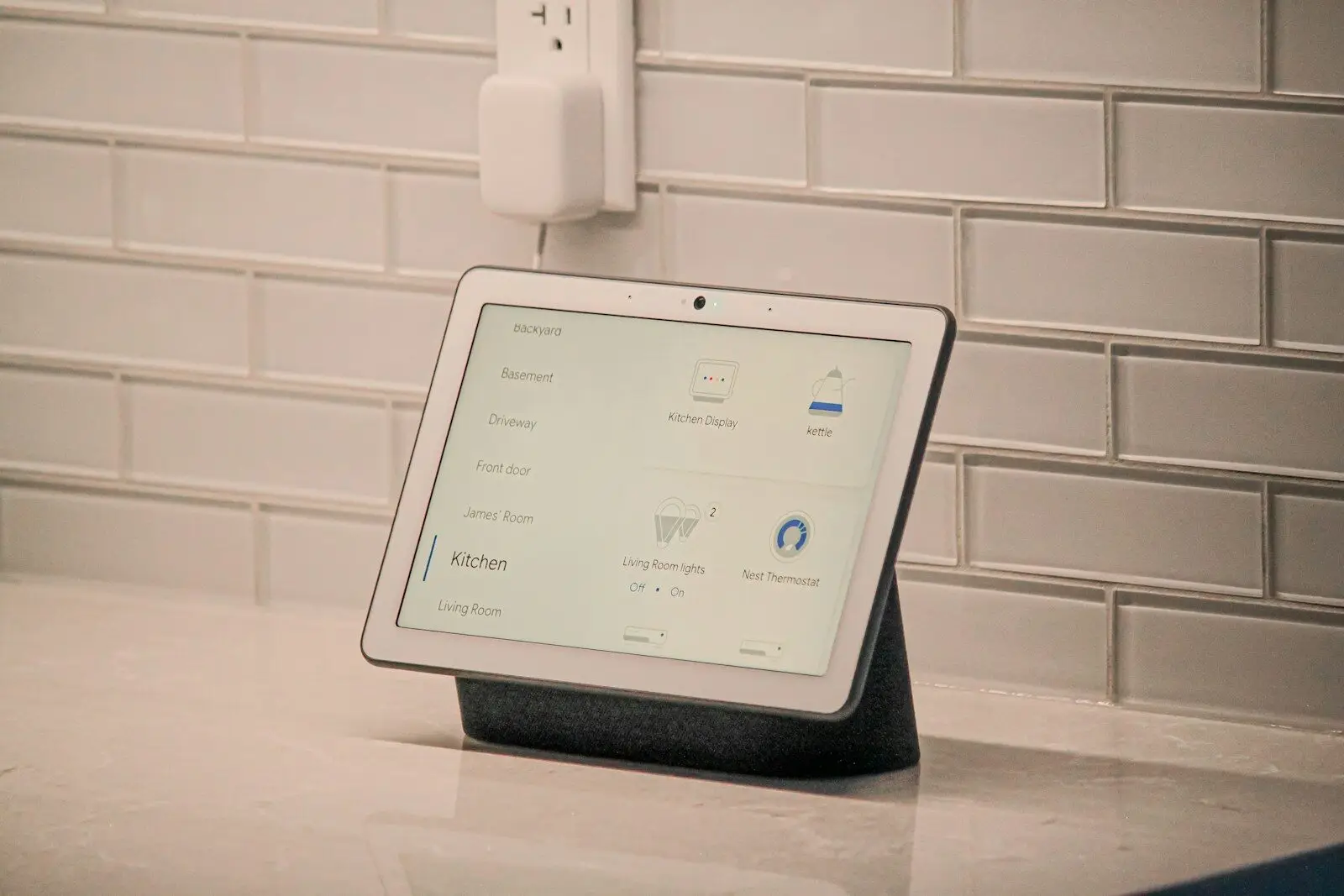
Why whole-home automation is becoming standard in South Florida luxury estates
In a large home, “smart” can quickly become “scattered.”
One thermostat app for the main house, another for the guest suite. Separate apps for pool equipment, landscape lighting, shades, cameras, and audio. Multiply that by a spouse, a house manager, and rotating guests, and you end up with a property that is technologically advanced yet operationally clumsy.
Whole-home automation is different from isolated smart devices. It means one platform coordinates multiple subsystems so they behave like a single home, not a collection of gadgets. Lighting can respond to occupancy; shades can respond to sun exposure; HVAC can respond to humidity and whether the home is occupied; and security can trigger exterior lighting and notifications automatically.
South Florida accelerates the need for this approach:
- Heat and humidity increase HVAC runtime and make humidity control just as important as temperature.
- Hurricane season adds preparation routines: storm shutters or shades (which could be part of your luxury home renovation), generator checks, and power-down strategies.
- Waterfront properties bring salt air, outdoor zones (often seen in waterfront and coastal home construction), docks, gates, and perimeter coverage that must work reliably.
- Second-home and part-time residency requires remote visibility and predictable “arrival comfort” without wasting energy while vacant.
- Staff coordination benefits from clear scenes and simple control rather than a pile of apps and passwords.
The outcome most luxury homeowners want is simple: voice-controlled convenience, lower operating costs, comfort and security that are consistent every day—whether the home is full of guests or empty for weeks. This level of convenience is often achieved through luxury custom home building practices which include integrating advanced technology into the architecture itself. Such luxury home architecture design not only enhances the aesthetic appeal but also ensures functionality aligns with modern living needs.
What “voice-controlled, energy-efficient” actually looks like (the non-gimmicky version)
Voice control should be treated as an interface layer, not the foundation of the system. A properly designed estate still works beautifully with:
- In-wall keypads (fast, elegant, guest-friendly)
- Touch panels in key locations
- A well-designed mobile app for remote access
- Voice assistants like Alexa, Google Assistant, or Siri as an optional layer
In practice, the best homes use voice for convenience, not for everything. If a guest does not want to talk to the house, the house should still be easy to operate.
Energy efficiency in automation is also not a vague promise. It typically comes from a handful of tactics that work extremely well in large South Florida properties:
- Scheduling based on actual household patterns
- Occupancy sensing so lights and HVAC do not run in empty wings
- Daylight harvesting that dims lighting when natural light is sufficient
- Demand-based HVAC that adapts to occupancy, humidity, and time of day
- Automated shading to reduce solar heat gain before it hits the glass
- Load shedding so non-essential loads reduce automatically during generator operation or peak demand scenarios
The “secret sauce” is scenes and routines that match how the estate is used. Examples that feel natural in luxury homes:
- Good Morning: raises selected shades, sets a comfortable HVAC setpoint, turns on kitchen and hallway lighting at low brightness, starts a preferred music preset.
- Away: reduces HVAC, turns off non-essential lighting, arms security, enables leak monitoring alerts, and sets exterior lighting to a security profile.
- Entertain: balances lighting layers, sets music zones, adjusts patio fans, and locks in temperatures for high-occupancy areas.
- Storm Mode: secures shades, prepares HVAC, confirms generator readiness, powers down non-essential loads, and sets alert rules.
- Quiet Hours: reduces brightness, limits certain notifications, and keeps exterior areas calm while maintaining perimeter security.
Reliability is where luxury automation succeeds or fails. The principles are straightforward:
- Hardwire critical components where it matters
- Build a network designed for the property, not a basic consumer setup
- Include local control options so core functions work even if internet access is down
- Protect systems with surge suppression and battery backup for critical infrastructure
For more insights on creating such luxurious and efficient homes with Kass Construction, you can explore their resources section here.
Additionally, it’s interesting to note how the principles of energy efficiency in home automation align with broader trends in sustainable living. For instance, this study explores various aspects of energy-efficient practices that can be beneficial not just in luxury homes but across different types of properties.
Start with the estate’s backbone: architecture, wiring, and a network that won’t fail
If you want an estate that “just works,” you start behind the walls.
Prewire strategy for luxury properties
For new builds and major renovations, the gold standard is a structured low-voltage plan that includes:
- Dedicated wiring for keypads, touch panels, access control, cameras, Wi‑Fi access points, and audio
- Conduit runs for future upgrades (so you are not opening ceilings later)
- One or more centralized equipment rooms with proper ventilation and service access
A clean equipment room is not just about aesthetics. It improves reliability, keeps sensitive hardware out of humid utility spaces, and makes upgrades easier.
Network design basics for large properties
A luxury estate needs an enterprise-grade network, typically including:
- Wired backhaul for access points (not Wi‑Fi repeaters)
- Coverage planning for indoor and outdoor zones (pool, terraces, dock, gate)
- VLANs (virtual networks) for better security and management, separating devices like cameras and IoT from personal devices
- Proper switching, routing, and monitoring so performance stays stable
Power protection and generator planning
South Florida power events are not theoretical. A resilient plan often includes:
- Whole-home surge suppression
- UPS backup for the network rack, security system, and control processor
- Generator integration logic so the home can automatically reduce non-essential loads during backup operation
This is generally easier in new construction, but high-end renovations can still achieve excellent results with the right planning, selective access, and a mix of hardwired and thoughtfully chosen wireless devices.
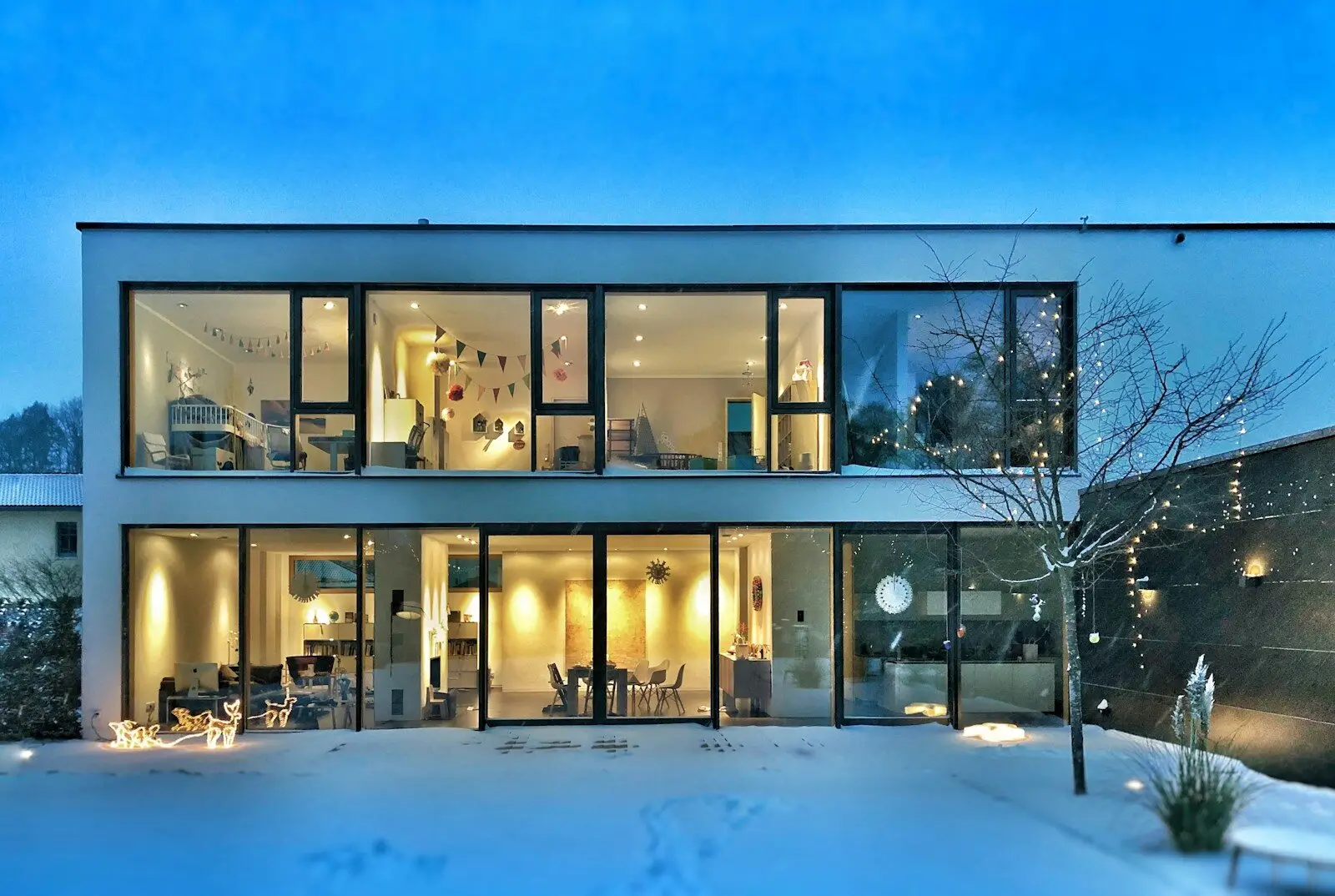
Automation systems that drive real energy savings (where the ROI usually is)
If the goal includes measurable efficiency, focus on the systems that consume the most energy and create the most comfort complaints.
HVAC optimization (usually the biggest win)
For South Florida estates, HVAC design and control should account for temperature and humidity, occupancy, and part-time use.
Common strategies include:
- Multi-zone control so unused wings are not conditioned like occupied spaces
- Integrated smart thermostats tied into the automation platform
- Occupancy logic that sets back temperatures responsibly, without creating humidity problems
- Coordination with fresh-air systems (such as ERVs) where applicable
- Part-time occupancy setpoints that protect finishes while reducing runtime
A well-tuned “vacant” strategy often aims for safe humidity control and moderate temperature rather than extreme setbacks that invite moisture issues.
Motorized shades plus lighting
Shades and lighting work best when they are designed together:
- Shades reduce solar heat gain before it enters the space
- Lighting can dim based on daylight levels
- Scenes can balance interior comfort without sacrificing the view
This also protects interiors from UV exposure, which matters for art, fabrics, and high-end finishes.
Hot water, pumps, and leak prevention
In estate properties, pumps and water systems can quietly add cost and risk:
- Smart hot water recirculation scheduling reduces waste without sacrificing comfort
- Pool and spa automation can optimize filtration runtime, heating schedules, and variable-speed pump behavior
- Whole-home leak detection with automatic shutoff valves can prevent catastrophic damage, especially in second homes
Energy monitoring for targeted optimization
Circuit-level monitoring can reveal the real culprits: multiple HVAC condensers, wine rooms, server racks, dehumidifiers, and outdoor equipment. With that data, schedules and setpoints become evidence-based, not guesswork.
Voice control done right: natural commands, privacy settings, and room-by-room logic
The best voice control feels premium because it is designed intentionally.
Design voice by zone
Not every room needs an always-on microphone. Many luxury homeowners prefer:
- Voice in kitchens and primary living areas
- Limited or optional voice in bedrooms
- Minimal voice coverage outdoors, depending on privacy and noise considerations
For outdoor areas where minimal voice coverage is preferred, using a high-quality headset like the Lightspeed Delta Zulu ANR can enhance communication without compromising privacy.
Commands that feel natural
Well-designed scenes make voice control simple. Examples that sound normal in daily life:
- “Set terrace to dinner.”
- “Turn on guest suite.”
- “Start bedtime.”
- “Set temperature to 72 in master.”
The system should respond consistently and quickly, without requiring memorized phrasing.
Privacy and security guardrails
A luxury voice experience also respects privacy:
- Physical mic-off options and scheduled mute periods
- Voice profiles where appropriate
- Restrictions on sensitive actions like door unlock, often requiring a PIN, phone presence, or confirmation
Fallback controls that look like they belong
Voice should never be the only way to run the home. Elegant keypads, discreet touch panels, and a clean app experience ensure the estate still works if voice is unavailable, the internet is down, or a guest simply prefers not to use it.
Security, access, and resilience for waterfront and high-value properties
Security automation in a luxury estate is not about adding gadgets. It is about reducing response time and tightening coordination between systems.
Perimeter and entry
Common integrations include:
- Smart locks and controlled access points
- Gate control tied to the home’s platform
- Video intercom at gates and main entries
- Options such as license-plate or vehicle detection, depending on the property’s needs
Cameras and lighting synergy
When exterior lighting, motion detection, and camera alerts are coordinated, the property becomes easier to monitor and safer:
- Motion-triggered exterior lighting in defined zones
- AI alerts that reduce false notifications
- Privacy zones for neighboring properties
- Secure remote viewing for owners who travel
Leak and water intrusion protection
For second homes, leak detection is one of the highest value automations available:
- Whole-home leak sensors in mechanical rooms, kitchens, laundry, and bathrooms
- Automatic shutoff valves
- Sump and backup pump monitoring where applicable
Storm readiness with “Storm Mode”
A practical storm routine can:
- Secure shades or shutters
- Put HVAC into a safe operating mode
- Power down non-essential loads
- Confirm generator status and UPS health
- Adjust alert rules and notifications for the event window
Comfort and lifestyle upgrades that make estates feel ‘hotel-finished’
Once the backbone and core systems are right, lifestyle features are where the home starts to feel refined.
Whole-home audio, including outdoor zones
A well-designed audio system avoids the typical pain points: uneven volume, confusing controls, and “dead zones” outdoors. The goal is seamless handoff from kitchen to patio to pool to dock, with presets for party mode and quiet evenings.
Circadian lighting and wellness
Lighting that supports daily rhythms is not flashy, but it is noticeable:
- Warmer tones at night to reduce harshness
- Brighter task lighting in the morning
- Coordinated shading that preserves natural light during the day
Home theater and media done cleanly
Luxury results usually come from planning early:
- Centralized AV racks
- Hidden speakers and thoughtful placement
- Acoustic considerations during framing and finish work
Specialty spaces without overcomplication
Wine rooms, gyms, saunas, cold plunges, and smart fireplaces can all integrate well, as long as the automation scope is disciplined. The rule is simple: integrate what improves experience and reliability, not every feature a device manufacturer offers.
New build vs. renovation in South Florida: what changes in the automation plan
New construction advantages
New builds allow you to do everything cleanly:
- Full prewire and conduit
- Properly designed equipment rooms
- Better HVAC zoning options
- Cleaner integration of shading and lighting
- Superior finish consistency (no patchwork access later)
High-end renovation realities
Renovations can still achieve estate-level automation, but the plan changes:
- Work around existing stone, ceilings, and electrical pathways
- Phase installation to reduce disruption
- Use wireless selectively where it makes sense, without relying on it for critical systems
- Focus on infrastructure that can be expanded later
Permitting and coordination
Luxury outcomes depend on early alignment between low-voltage, electrical, HVAC, millwork, and design teams. When those groups coordinate at the right milestones, you avoid rework and preserve design intent.
A practical timeline includes:
- Rough-in planning and prewire before walls close
- Trim-out coordination with finishes and millwork
- Commissioning and testing subsystem by subsystem
- Owner and staff walkthrough with training before move-in
Choosing the right platform: one ecosystem, fewer apps, and long-term support
Luxury estates typically outgrow DIY smart devices because the requirements are different. Estate-grade systems usually include a central processor and professional commissioning so lighting, HVAC, shades, security, and audio behave consistently.
Selection criteria that matter in high-end homes:
- Scalability for future additions (guest house, dock, new outdoor zones)
- Local control and reliability
- Broad third-party compatibility (HVAC, shades, access control, security)
- Keypad aesthetics that match the interiors
- Serviceability, documentation, and support
To avoid vendor lock-in issues, prioritize:
- Open standards where practical
- Documented as-builts and labeling
- Clear expectations around service plans and software updates
- Future-proof infrastructure: conduit, spare rack space, spare network ports, and a plan for maintaining the system long-term
How Kass Construction & Development approaches automation in luxury custom builds
Kass Construction & Development, a state-licensed luxury home builder based in East Fort Lauderdale, serves Broward, Palm Beach, and Miami-Dade. Specializing in architect-driven custom homes, waterfront estates, and high-end renovations, the firm emphasizes precision, transparency, and long-term value.
Automation succeeds when the builder is integrator-friendly and the construction plan supports the technology, not the other way around. Kass approaches automation with integrated execution in mind:
- Coordinating architects and design partners so keypads, panels, lighting loads, and shading pockets align with the design intent
- Managing permitting and project planning so low-voltage, electrical, HVAC, and millwork sequencing stays clean
- Planning equipment rooms for heat management, service access, and long-term maintainability
- Reducing construction-phase risk by accounting for humidity, condensation, and waterproofing details around sensitive low-voltage systems
- Supporting clean handoffs between trades to minimize commissioning delays and post-move issues
For discerning homeowners, the real value is not just the feature list. It is durable infrastructure, documented systems, and a closeout process that leaves the home stable, understandable, and easy to maintain.
A practical roadmap: from concept to move-in (without feature creep)
Luxury automation can expand quickly if the scope is not managed. A simple roadmap keeps decisions clear.
Step 1: Define priorities
Choose the outcomes first:
- Energy savings and humidity control
- Security and remote visibility
- Entertainment and outdoor lifestyle
- Wellness lighting and comfort
Then define your must-have scenes (Away, Entertain, Storm Mode, Bedtime).
Step 2: Create an automation scope map by zone
Break the estate into logical zones:
- Main house
- Guest house
- Outdoor living and pool
- Dock and waterfront edge
- Garage, staff areas, and service corridors
This prevents the common mistake of overbuilding some areas and overlooking others.
Step 3: Budget realistically
Start with infrastructure:
- Wiring, conduit, network, equipment rooms, power protection
Then add experiential upgrades:
- Shades, audio, specialty spaces, theater
Plan alternates so you can make smart tradeoffs without redesigning the whole system.
Step 4: Build and commission properly
Commissioning is where luxury systems become dependable. Test each subsystem, then test scenes across systems. Train household staff and provide a simple owner manual that explains:
- How to use scenes
- How to handle guests
- What to do during storms
- Who to call for support
Step 5: Post-move optimization
The best estates tune the system after move-in:
- Adjust schedules to real lifestyle patterns
- Review energy monitoring data
- Make seasonal tweaks for South Florida weather and humidity cycles
Closing: the real goal is effortless control and lower operating costs
The best whole-home automation does not make an estate feel “techy.” It makes it feel finished: easier to run, quieter, more comfortable, more secure, and less expensive to operate.
If you are building or renovating in South Florida, automation should be part of the design and construction process, not an add-on at the end. The infrastructure decisions made early, such as wiring, network design, equipment rooms, and power protection, determine whether the home feels seamless for the next decade.
For those considering a luxury custom build or high-end renovation in Broward, Palm Beach or Miami-Dade, it’s essential to align automation infrastructure with design intent and permitting from the start. This strategic approach not only ensures effortless control but also measurable efficiency. Understanding current South Florida luxury real estate trends can further enhance your investment strategy in this thriving market.
FAQs (Frequently Asked Questions)
What are the benefits of whole-home automation in South Florida luxury estates?
Whole-home automation in South Florida luxury estates transforms multiple disconnected systems—such as HVAC zones, lighting layers, motorized shades, pool and spa equipment, security, gates, cameras, audio, and irrigation—into one coordinated ecosystem. This integration simplifies home management, reduces operational costs, enhances energy efficiency, and improves comfort and security whether the home is occupied or vacant.
Why is whole-home automation particularly important for large luxury homes in South Florida?
Large luxury homes often have numerous subsystems controlled by separate apps or devices, leading to operational complexity. In South Florida, factors like heat and humidity requiring precise HVAC and humidity control, hurricane season preparation routines, salt air affecting waterfront properties, part-time residency needs for remote monitoring, and staff coordination make integrated whole-home automation essential for seamless operation and convenience.
How does voice control fit into a luxury estate’s automation system?
Voice control serves as an optional interface layer for convenience rather than the foundation of the system. Estate automation includes in-wall keypads, touch panels at key locations, mobile apps for remote access, and voice assistants like Alexa or Google Assistant. This ensures that guests or residents can operate the home easily even without voice commands.
What energy-efficient strategies are used in South Florida luxury home automation?
Energy efficiency is achieved through scheduling based on household patterns; occupancy sensing to avoid running lights and HVAC in empty areas; daylight harvesting that dims artificial lighting when natural light suffices; demand-based HVAC adjusting to occupancy and humidity; automated shading to reduce solar heat gain; and load shedding during generator use or peak demand periods.
Can you provide examples of typical scenes or routines in a luxury home’s automated system?
Common scenes include ‘Good Morning’ which raises selected shades, sets comfortable HVAC settings, turns on low-brightness kitchen and hallway lights, and starts preferred music; ‘Away’ that reduces HVAC usage, turns off non-essential lighting, arms security systems, enables leak alerts, and adjusts exterior lighting for security; ‘Entertain’ balancing lighting layers with music zones and patio fans; ‘Storm Mode’ securing shades and preparing generators; and ‘Quiet Hours’ reducing brightness while maintaining perimeter security.
How does integrating advanced technology during luxury custom home building improve estate management?
Incorporating advanced technology into the architectural design during luxury custom home building ensures that smart systems are seamlessly integrated for both aesthetic appeal and functional efficiency. This approach enables consistent comfort, security, energy savings, and ease of control through coordinated subsystems tailored to modern living needs in South Florida’s unique environment.