An owners representative is the owner’s professional counterpart on a construction project: someone with the technical fluency to read the drawings, the contractual fluency to read the agreement, and the standing to act on the owner’s behalf. The role is widely used in commercial development and increasingly common on large private residences, where the complexity now matches the commercial world.
Key takeaways
- What is an owners representative?
On a South Florida luxury build, an owners representative is a professional engaged by and answerable only to the owner, who oversees the design and construction team, verifies cost and progress, observes quality, manages the owner's decisions, and protects the owner's contractual position. - What authority does the role carry?
The authority is whatever the owner grants in writing, and on a Fort Lauderdale or Palm Beach build this should be explicit: which decisions the representative may make alone, which require the owner, and above what value nothing proceeds without the owner's signature. - Where does the role sit in the team?
The role sits beside the owner, not inside the construction contract with the South Florida builder. - What background does the role require?
Construction competence first: someone who has built in South Florida, who knows the coastal and county reviews, who can read structural drawings and a schedule of values, and who knows what a reasonable price looks like.
Kass Construction provides this role directly: see our owner’s representative services in South Florida.
What is an owners representative?
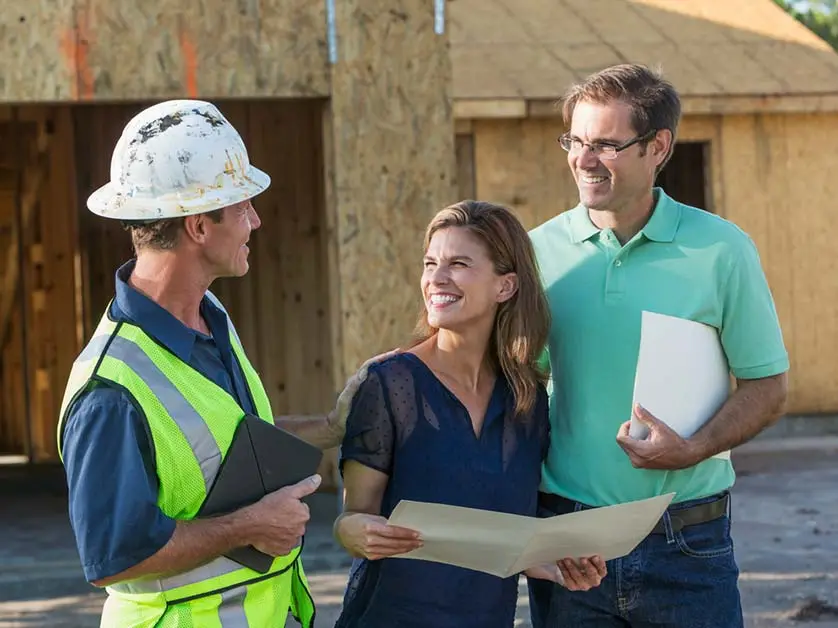
On a South Florida luxury build, an owners representative is a professional engaged by and answerable only to the owner, who oversees the design and construction team, verifies cost and progress, observes quality, manages the owner’s decisions, and protects the owner’s contractual position. An owners representative does not build and does not design; the role exists to hold everyone else to what was agreed.
The protective function is described in how owner’s representation protects high-net-worth clients.
What authority does the role carry?
The authority is whatever the owner grants in writing, and on a Fort Lauderdale or Palm Beach build this should be explicit: which decisions the representative may make alone, which require the owner, and above what value nothing proceeds without the owner’s signature. An owners representative with undefined authority is either powerless or over-empowered, and both cause problems.
The engagement structure is covered in how to choose the right owner’s rep.
Where does the role sit in the team?
The role sits beside the owner, not inside the construction contract with the South Florida builder. The architect works for the owner under a design agreement; the builder works under a construction contract; the owners representative works under a separate services agreement with no financial interest in either. That triangle is what makes the oversight meaningful.
The distinction is explained in owner’s representative versus general contractor.
| Party | Agreement with the owner | Interest |
|---|---|---|
| Architect | Design services agreement | Design intent and coordination |
| General contractor | Construction contract | Delivering the building for the price |
| Consultants | Specialist appointments | Their own discipline |
| Owners representative | Services agreement, no construction interest | The owner’s, exclusively |
What background does the role require?
Construction competence first: someone who has built in South Florida, who knows the coastal and county reviews, who can read structural drawings and a schedule of values, and who knows what a reasonable price looks like. Contractual literacy second. An owners representative without genuine building experience can only relay information, which is not the same as evaluating it.
Contractor licenses are searchable at Florida DBPR.
How is the role different from a project manager?
The difference is whose interest it serves: the builder pays the project manager, the owner pays the representative, and on a South Florida luxury build those interests diverge. A builder’s project manager manages the builder’s obligations and is paid by the builder. An owners representative reviews those obligations on the owner’s behalf and is paid by the owner. Both roles can be excellent; they are simply not substitutes for each other.
The comparison is drawn in owner’s representative versus in-house builder teams.
When is the role typically engaged?
Ideally before the South Florida builder is selected, so the representative can help evaluate bids and review the contract. It is frequently engaged later, and it still adds value mid-project, but the greatest leverage sits in the decisions made before construction starts rather than in the corrections made afterwards.
The timing question is examined in when to bring in an owner’s rep.
What does the role deliver in practice?
In practice the owner receives a weekly written report, a live budget with a forecast to completion, a decision and approval log, verified draw recommendations, site observation records at defined stages, and a punch process at the end. An owners representative should produce documents the owner can read, not reassurance the owner has to trust.
The deliverables are itemized in what an owner’s representative does.
Who should consider engaging one?
Owners building in Broward, Palm Beach, or Miami-Dade who are remote, time-constrained, building at unfamiliar scale, or managing several projects; owners whose first language is not English or whose experience is in a different construction market; and owners for whom the project represents a significant share of net worth. Those are the situations where an owners representative repays the fee most clearly.
The remote case is covered in absentee owner representation.
How does Kass Construction & Development serve in this role?
With the building experience the role actually requires: Kass Construction & Development, a state-licensed (CGC1529472) boutique luxury builder led by Mitch Kass, a licensed general contractor and attorney, with 100+ luxury residences delivered by Mitchell Kass and the firms he has led across Broward, Palm Beach, and Miami-Dade, acts as an owners representative for clients who want their interests held by someone who has built at this level rather than someone who has only administered it.
A custom build often runs 18 to 36 months. Contact Kass Construction & Development or call 954-607-4335.
What does an owners representative cost, and how is the fee structured?
An owners representative is paid by the owner only, never by the builder, and the fee is structured one of three ways.
| Fee model | How it works | Best suited to |
|---|---|---|
| Percentage of construction cost | A fixed percentage of the hard-cost contract, billed monthly against progress | Full-scope engagements from design through closeout |
| Monthly retainer | A flat monthly fee for a defined scope of hours and site visits | Long builds where the workload is steady |
| Hourly or milestone | Billed as used, or per milestone (feasibility, design review, closeout) | Limited-scope engagements and second opinions |
Two rules protect the owner regardless of model: the fee must not rise when the builder’s contract rises (a percentage fee is fixed at contract signing, not recalculated on change orders), and the representative must have no financial relationship with the builder, architect, or trades. The value side of that fee is worked through in is hiring an owners representative worth it and how oversight saves high-net-worth owners millions.
What credentials should an owners representative hold in Florida?
Florida does not license the title, so the credentials behind it are what count: a Florida Certified General Contractor license, a professional engineering or architecture license, or a documented record of comparable completed projects. What to verify:
- Contractor license. A Certified General Contractor (CGC) license is issued by the Florida Department of Business and Professional Regulation under Florida Statutes Chapter 489 and can be checked in minutes on the DBPR license portal. Kass Construction & Development builds under license CGC1529472.
- Design licenses. Architects and engineers are licensed separately; an owners representative with either can read structural and envelope drawings without an interpreter.
- Comparable projects. Waterfront, flood-zone, and high-velocity hurricane zone experience in Broward, Palm Beach, or Miami-Dade. A representative who has only run inland projects will learn coastal permitting on your calendar.
- Insurance. Professional liability (errors and omissions) and general liability, with certificates on file.
Owners representative vs construction manager vs project manager: what is the difference?
The three titles overlap on paper and differ on one question: whose interest does the person serve?
| Role | Employed by | Primary duty | Signs contracts with trades? |
|---|---|---|---|
| Owners representative | The owner | Verify, advise, and protect the owner’s position | No |
| Construction manager (CM at risk) | The owner, but holds trade contracts | Deliver the building for a fee plus cost | Yes |
| Builder’s project manager | The general contractor | Deliver the builder’s contract profitably and on time | On the builder’s behalf |
A builder’s project manager can be excellent and still not be your advocate, because the employer decides the loyalty. The working relationship between the two is described in managing architect, engineer, and contractor relationships.
What does a week with an owners representative look like?
On an active South Florida custom home, a custom home owners representative typically touches the project on a fixed weekly rhythm.
- Monday: review the builder’s two-week look-ahead against the master schedule; flag any concealment stage (waterproofing, structural connections, pre-drywall) that needs attendance this week.
- Midweek site walk: photograph progress, compare installed work to drawings and approved submittals, note deficiencies in an observation report.
- Decision log: chase the owner for selections coming due and the architect for open RFIs; nothing waits past its need-by date without a note explaining why.
- Friday report: progress, photographs, open issues, decisions due, and any cost or schedule exposure, delivered in writing.
- Month end: draw review against verified work, lien waivers collected, forecast to completion updated.
Quality checkpoints within that rhythm are detailed in quality control, inspections, and punch lists, and the tools that let a remote owner see the same week are covered in remote monitoring technology for owners representatives.
Frequently Asked Questions
What is an owners representative in luxury construction?
A professional engaged by and answerable only to the owner, who oversees the design and construction team, verifies cost and progress, observes quality, and protects the owner’s contractual position.
Do they build or design anything?
No. The role exists to hold the builder and design team to what was agreed, which is why it carries no financial interest in either contract.
What authority should they have?
Exactly what the owner grants in writing: which decisions they may make alone, which require the owner, and the value threshold above which nothing proceeds without a signature.
What experience should they have?
Genuine building experience first. Someone who can read structural drawings, a schedule of values, and a price. Contractual literacy is the second requirement.
How is this different from the builder’s project manager?
Whose interest each serves. The builder’s project manager is paid by the builder; an owner’s representative is paid by, and answerable to, the owner.
When should one be engaged?
Ideally before the builder is selected, so they can evaluate bids and review the contract. Mid-project engagement still helps but captures less value.
What should I receive from them?
Weekly written reports, a live budget with forecast to completion, a decision log, verified draw recommendations, site observation records, and a managed punch process.
Do I need an owner’s rep for a luxury home?
For high-value projects, it is highly recommended.
Does an owner’s rep replace a builder?
No—they work alongside the builder to ensure accountability.
How much does an owner’s representative cost?
Typically 1%–3% of the project budget.