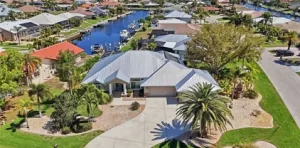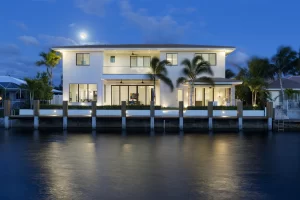
Indoor outdoor living in South Florida is not just a trend — it’s the baseline expectation for a luxury estate. With long outdoor seasons, warm evenings, and a lifestyle that rarely demands you stay inside, the best homes are designed to extend beyond their walls. This means creating outdoor spaces that are not only beautiful for hosting parties but also comfortable and functional for everyday use: morning coffee in the shade, family dinners under cover, kids splashing in the pool while the kitchen remains accessible, and quiet corners that offer privacy even in dense neighborhoods.
When executed well, indoor-outdoor living is all about practical design: seamless circulation between spaces, shared sightlines, consistent comfort levels, and details that withstand heat, humidity, rain, salt air, and bugs. However, the biggest miss in high-end homes is often the most common: outdoor areas that photograph beautifully but fail to perform. Materials overheat, furniture mildews, pool decks become slippery, screens rattle in the wind, door systems leak or become difficult to operate, and what is labeled as an “outdoor kitchen” turns out to be just a grill on a pretty cabinet with no space to prep or clean.
This guide aims to walk you through the principles that make indoor-outdoor living feel effortless year-round. From site planning and transitions to comfort systems, coastal materials and construction execution.
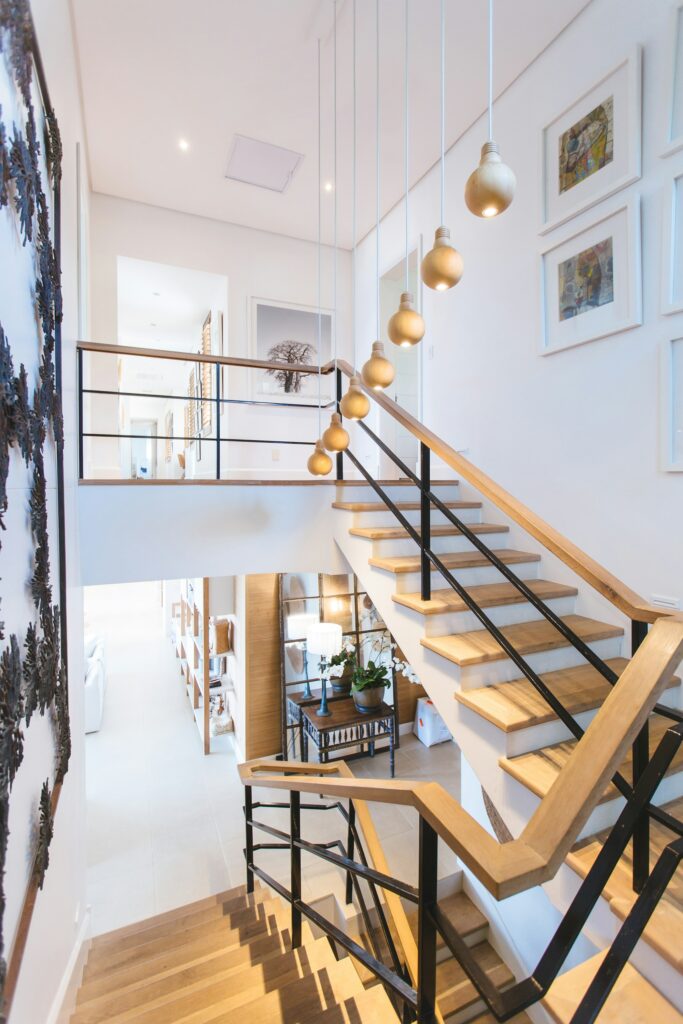
Why Indoor Outdoor Living South Florida Is the Default Luxury Standard
A Florida estate should not treat the exterior as an accessory. In this climate, outdoor square footage is daily square footage. The most successful homes:
- Move you naturally between inside and outside without bottlenecks.
- Keep the outdoors visually connected to the great room, kitchen, and primary living zones.
- Maintain comfort through shade, airflow, bug control, and rain planning.
- Use finishes and hardware that stay stable in coastal conditions.
When these elements are planned together meticulously during luxury custom home building, indoor-outdoor living stops feeling like “opening the doors for entertaining” and starts feeling like an integral part of how the home functions all year round.
Start with the site: orientation, breezes, water, and privacy
Great indoor-outdoor estates begin with the lot, not the floor plan. The home should respond to sun angles, wind patterns, waterfront conditions, and neighboring sightlines.
Orientation: design with the sun path
South Florida sun is powerful, especially in the late afternoon. A strong site plan reduces heat load before you ever add mechanical cooling.
- Place primary outdoor rooms to capture morning light when it feels best.
- Create shade for later in the day through roof overhangs, loggias, and strategic landscape canopy.
- Treat western exposure with extra respect. This is where glare and heat build quickly.
Breezes: capture airflow, control wind exposure
On many days, natural airflow is the difference between a usable terrace and an abandoned one.
- Align openings to encourage cross-breezes.
- Use courtyards to create protected “air pockets.”
- On waterfront lots, plan wind buffers so the outdoor dining area does not become the windiest part of the property.
Privacy planning: design it, do not hope for it
Luxury feels quiet. That starts with privacy that is intentional.
- Use layered landscaping screens rather than a single hedge line.
- Consider second-floor sightlines from neighbors, especially around pools.
- Place outdoor kitchens and gathering zones so they feel secluded, not showcased.
Waterfront considerations: access, views, glare, and daily movement
Waterfront estates add unique planning needs:
- Keep view corridors clean from the great room and kitchen, not only from the terrace.
- Manage reflections and glare off water through overhang depth and glass selection.
- Make dock access convenient but discreet, so traffic does not cut through primary lounging zones.
- Coordinate seawalls, drainage, and staging early to avoid design compromises later.
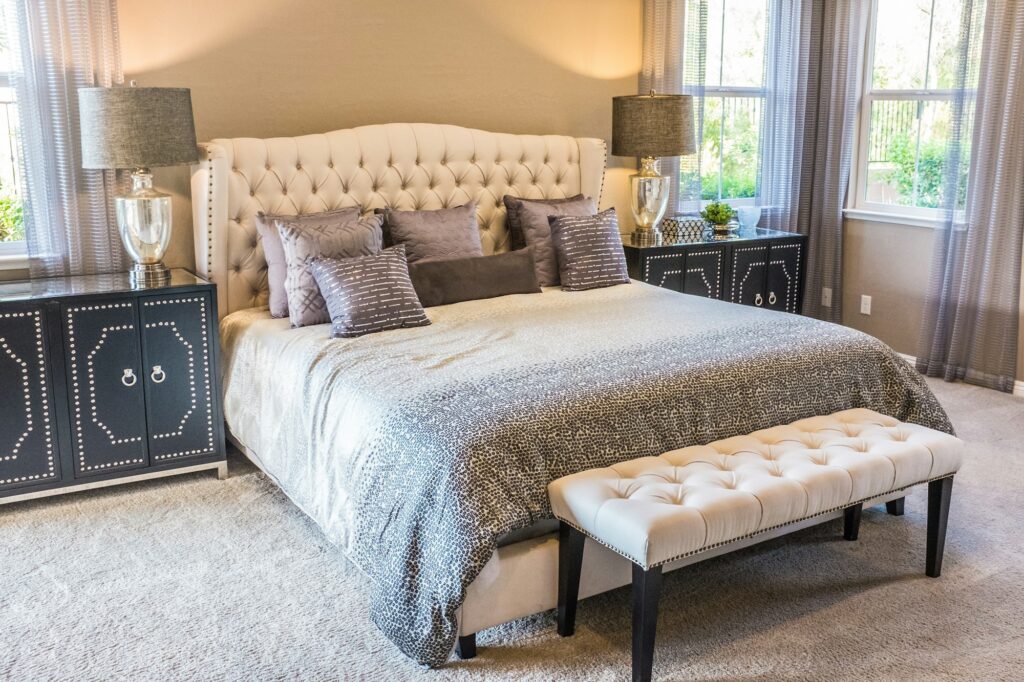
For more insights on how to effectively plan your estate considering these factors, you can explore additional resources provided by Kass Construction. They offer valuable information that can help you further understand these concepts.
Design the “seam”: transitions that make inside and outside feel like one space
The “seam” is where architecture, structure, and detailing must align. This is the threshold where many projects either become truly seamless or visibly patched together.
Large-format openings that change the way the home lives
Pocketing sliders, multi-slide door systems, and corner openings can erase the boundary when engineered and installed correctly. These systems not only change circulation and sightlines but also significantly enhance the psychology of indoor-outdoor living, creating a more harmonious living experience.
However, these installations demand meticulous coordination:
- Structural loads must be resolved early.
- Water management at the track and sill must be precise.
- Hardware quality matters because these doors are used daily.
Ceiling alignment: one visual plane, inside to out
A simple way to make spaces feel connected is to continue the ceiling language outdoors:
- Extend soffits.
- Carry wood or warm-toned ceiling finishes into covered exterior zones.
- Keep lighting placement consistent so the transition feels intentional at night.
Material continuity without creating maintenance problems
Continuity is not about copying finishes exactly. It is about creating a controlled palette that reads as one home. This approach aligns with the interior to exterior continuity design strategy:
- Carry complementary stone or porcelain across thresholds.
- Avoid surfaces that become slippery when wet.
- Select exterior wall finishes that resist staining, salt, and mildew.
Acoustics: soften echo and control sound travel
Hard exterior surfaces can create a “pool deck echo.” Use:
- Exterior ceilings with warmth and texture.
- Landscape buffers that absorb sound.
- Wall treatments and planting that reduce reflections near seating zones
Make outdoor rooms function like real rooms (not patio add-ons)
The estates that live best outdoors treat exterior zones as true rooms with real utilities and real storage. Core “rooms” often include:
- Covered lounge
- Outdoor dining
- Outdoor kitchen and bar
- Pool deck with sun and shade zones
- Fire feature area
- Quiet retreats for reading or decompression
Sizing and layout rules that prevent daily frustration
A few planning principles go a long way:
- Keep clear walking paths around seating groups so circulation stays natural.
- Put dining near the kitchen and under cover whenever possible.
- In the outdoor kitchen, plan a functional grill to sink to refrigeration relationship so it works like an indoor kitchen, not a display.
Power, water, and storage: what makes it feel effortless
Outdoor living gets messy without the right infrastructure. Plan early for:
- Outlets where people actually sit and prep.
- Low-voltage lighting and concealed transformers.
- Hose bibs placed for real cleaning convenience.
- Towel and cushion storage that is ventilated and easy to access.
- Hidden trash and recycling so the space stays visually clean.
Entertainment readiness without visible clutter
If outdoor TV is part of the lifestyle, place it to avoid glare and plan for weather-protected equipment. Audio should be zoned so music is full where you sit, but not louder at the property line than it is in the lounge.
Day-to-night usability: layered lighting
Outdoor lighting should be elegant and safe:
- Downlights for general glow under cover
- Sconces for warmth and vertical interest
- Step and path lights for navigation
- Control zones that can shift from “entertaining” to “quiet evening”
Comfort is engineered: shade, airflow, cooling, and bug control
Year-round living depends on systems integrated early, not retrofitted after the fact.
Shade architecture: choose the right tool for the exposure
Shade can be permanent, adjustable, or automated, depending on orientation and wind:
- Deep overhangs and loggias for consistent protection
- Pergolas for filtered light
- Adjustable louvers for directional sun control
- Motorized screens for flexible shade and bug protection
Wind exposure matters. What works in a protected courtyard may not perform on an open waterfront terrace.
Cooling options without waste
In South Florida, comfort often requires a mix:
- High-performance fans that move air where people sit
- Conditioned cabanas for true relief during the hottest periods
- Strategic HVAC extensions only when the space is designed to be enclosed and efficiently controlled
Misting can help in certain microclimates, but it must be used carefully in humidity and positioned to avoid making surfaces damp.
Insect management: design it in
Bug control is part of luxury here. Options include:
- Screened enclosures for maximum protection, where appropriate for the architecture
- Motorized retractable screens that disappear when not needed
- Landscape choices that reduce pest habitat near seating zones
- Warmer exterior lighting color temperatures that are less attractive to insects
Rain strategy: keep daily movement dry
Plan drainage as a lifestyle feature, not just a technical requirement:
- Gutters and downspouts that do not dump water at thresholds
- Concealed drains where large roof planes shed water
- “Dry paths” from kitchen to grill, bedroom to pool, and garage to entry
Materials that hold up in heat, humidity, storms, and salt air
Material selection is performance plus beauty plus maintenance. Near the coast, the wrong choice may look fine at turnover and fail quickly with real use.
Flooring: slip resistance, heat, and jointing that lasts
Porcelain pavers are popular for good reason: consistency, lower maintenance, and strong performance when properly specified. Natural stone can be beautiful, but it requires careful selection and sealing. Either way:
- Prioritize slip resistance.
- Consider heat absorption in full sun.
- Use exterior-rated setting systems and jointing that can handle movement and weather.
Metal choices: prevent corrosion at the weak points
Salt air attacks fasteners, hardware, and dissimilar metal connections first. Typical high-performing choices include:
- Marine-grade stainless where appropriate
- Powder-coated aluminum for many exterior applications
- Thoughtful detailing at fasteners, hinges, and railing connections to reduce corrosion points
Windows and doors: impact-rated quality matters most at large openings
Large-format openings are only as good as their seals, tracks, and hardware.
- Specify impact-rated systems suited to the exposure and wind loads.
- Protect tracks from debris and plan for maintenance access.
- Invest in quality so operation stays smooth over years, not months.
Upholstery and finishes: plan for UV, moisture, and storms
Outdoor furniture should be selected like building materials:
- Solution-dyed acrylic fabrics for color stability
- Quick-dry foam and breathable construction
- Storage planning for cushions and loose items during storms
Pool and landscape design that feels like a resort, but lives like a home
In many Florida estates, the poolscape becomes the center of gravity. The best designs balance resort-level beauty with everyday function.
Pool placement: sightlines and supervision
Consider what you see from the kitchen and great room. You want:
- Clear visibility for safety supervision
- A layout that creates zones, such as a sun shelf, spa, and a lap line when desired
- Seating areas that feel close to the water without being splashed constantly
Planting: native and salt-tolerant, layered for maturity
South Florida landscapes perform best when they are designed for the actual conditions:
- Salt-tolerant species near waterfront exposure
- Layered privacy planting for a mature feel
- Trees placed for shade without creating constant debris in the pool
Keep equipment discreet
Outdoor showers and changing areas add real comfort. Pool equipment should be:
- Quiet
- Accessible for service
- Hidden from primary sightlines so the space reads like a resort
Water and fire features: use them intentionally
Water features can add movement and sound, but they can also create noise issues near bedrooms or neighbors. Fire features add warmth and a natural gathering point, but need wind-aware placement and safe clearances.
Lighting, audio, and smart controls: the details that make it effortless
The most luxurious tech is often invisible. It supports nightly use, security, and simple control without making the home feel “over-equipped.”
Lighting scenes that match real life
Plan scenes such as:
- Entertaining
- Pathway safety
- Late-night subtle glow
Use warm color temperatures and glare control so the property feels inviting, not overlit.
Outdoor audio zoning that stays on-property
Speaker placement should be coordinated with landscape early. The goal is even coverage in seating areas without hot spots that push sound beyond the yard.
Security and privacy that do not look commercial
Integrate cameras, smart locks, and gate controls in a way that matches the architecture. Good planning keeps sightlines clean and avoids clutter at entries.
Backup power planning for storms
Generator readiness is part of coastal reality. Prioritize critical systems:
- Refrigeration
- Basic lighting
- Security
- Essential circuits that keep the home livable during outages
Permitting, code, and coastal engineering: building it right in Broward, Palm Beach, and Miami-Dade
Florida’s rules shape the design, especially near the coast. Wind loads, impact requirements, flood zones, and drainage constraints affect everything from rooflines to door openings.
Early coordination prevents expensive redesign:
- Structural engineering for large openings and long spans
- Roof uplift detailing and overhang engineering
- Proper integration of waterproofing and door transitions
- Site drainage plans tied to finished floor elevations
Waterfront projects add another layer:
- Seawall considerations and dock permitting
- Construction staging constraints on tight lots
- Access planning that protects neighbors and keeps schedules realistic
Transparent project management matters here. Long-lead items, inspections, and sequencing are not side issues in South Florida. They are the difference between momentum and months of delay. For more information on construction permitting project management in South Florida, visit our website.
How Kass Construction & Development approaches indoor-outdoor estates (concept to completion)
Kass Construction & Development is a boutique, state-licensed luxury builder based in East Fort Lauderdale, serving Broward, Palm Beach, and Miami-Dade counties. The firm specializes in architect-driven custom homes, waterfront estates, and high-end renovations, with fully integrated execution from early planning through completion.
What “architect-driven” execution means in the field is simple: the design intent is protected through detailing discipline and coordination across trades. Indoor-outdoor living exposes mistakes quickly. If the slab height is off, the seam fails. If drainage is treated casually, doors become a problem. If materials are not specified for salt air, hardware and finishes degrade.
Kass approaches these projects with an owner’s representation mindset:
- Proactive communication and scope clarity
- Quality control that focuses on the transition points and performance details
- Transparent guidance on selections and trade-offs, so the home lives as well as it looks
When evaluating a builder for indoor-outdoor living in South Florida, look for three things: precise detailing, real coastal material knowledge, and proven coordination between structure, waterproofing—which includes crucial aspects like keeping rooftop decks watertight—openings, and exterior finishes.
Because the goal is not a patio that impresses guests once. It is effortless daily living: coffee outside, dinners under cover, quiet evenings by the pool, and spaces that stay beautiful through Florida’s seasons.
In this context of South Florida luxury real estate trends and investment strategy, understanding these elements becomes crucial not just for builders like Kass Construction & Development but also for prospective homeowners seeking to maximize their investment in this unique market.
FAQs (Frequently Asked Questions)
Why is indoor-outdoor living considered the baseline expectation for luxury estates in South Florida?
Indoor-outdoor living is the baseline expectation in South Florida luxury estates due to the region’s long outdoor seasons, warm evenings, and a lifestyle that rarely requires staying inside. Homes are designed to extend living spaces beyond their walls, creating comfortable and functional outdoor areas for everyday use and entertaining.
What are the key site planning considerations for designing an effective indoor-outdoor living space in South Florida?
Effective site planning involves orienting the home to capture morning light while providing shade from intense afternoon sun, aligning openings to encourage cross-breezes for natural airflow, ensuring privacy through layered landscaping and thoughtful placement of outdoor zones, and addressing waterfront considerations such as view corridors, glare management, dock access, and drainage coordination.
How can transitions between indoor and outdoor spaces be designed to feel seamless in a luxury South Florida home?
Seamless transitions are achieved by using large-format openings like pocketing sliders, multi-slide door systems, and corner openings that erase boundaries between inside and outside. These require meticulous coordination of structural loads, precise water management at tracks and sills, and high-quality hardware to ensure daily usability and maintain comfort.
What common mistakes should be avoided when designing outdoor areas in high-end South Florida homes?
Common mistakes include using materials that overheat or mildew, slippery pool decks, rattling screens, leaking or hard-to-operate door systems, and inadequate outdoor kitchens that lack preparation or cleaning space. These issues compromise functionality despite aesthetic appeal.
How does climate influence material selection for indoor-outdoor living spaces in coastal South Florida?
Materials must withstand heat, humidity, rain, salt air, and bugs typical of coastal South Florida. Choosing finishes and hardware that remain stable under these conditions ensures durability and consistent comfort throughout the year.
Why is privacy planning essential in luxury indoor-outdoor living designs in dense neighborhoods?
Privacy contributes significantly to the feeling of luxury by creating quiet spaces. Intentional privacy planning uses layered landscaping screens rather than single hedges, considers second-floor sightlines from neighbors especially around pools, and places outdoor kitchens and gathering areas to feel secluded rather than exposed.