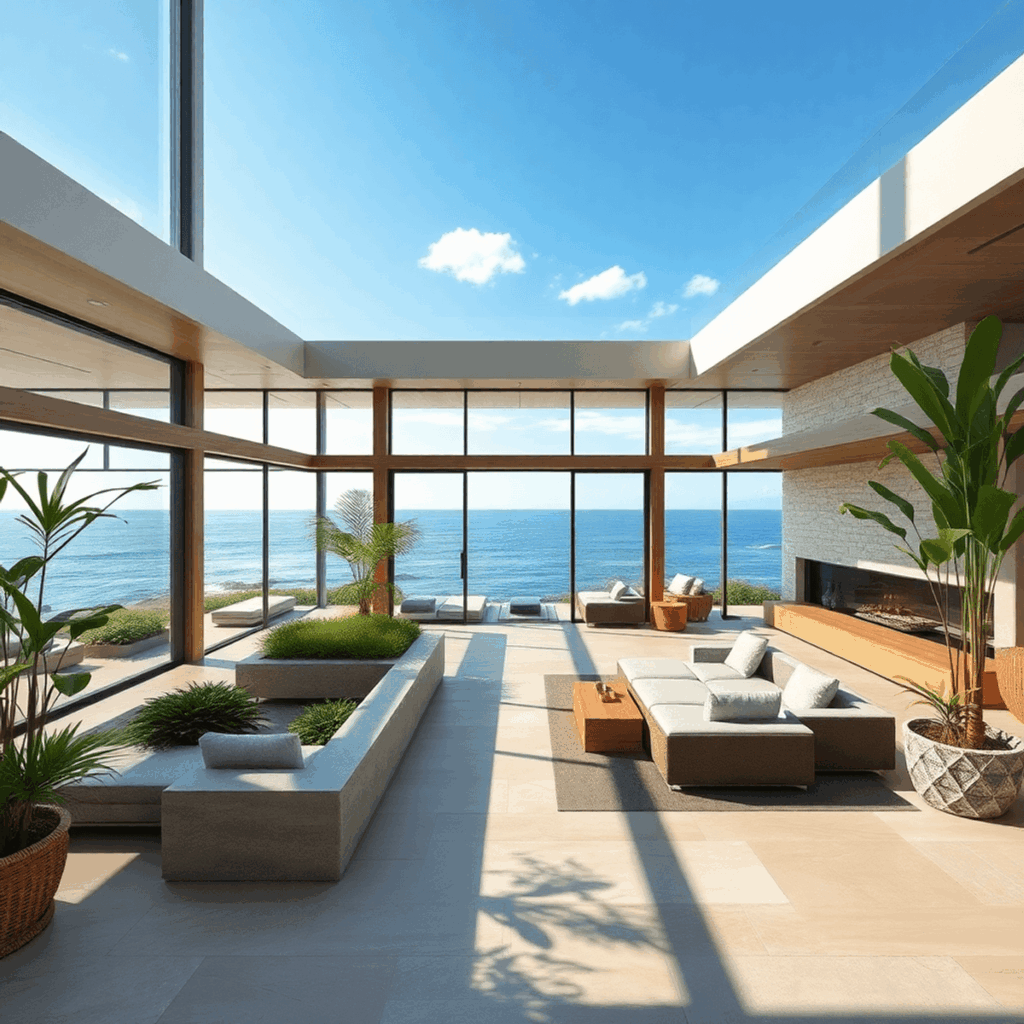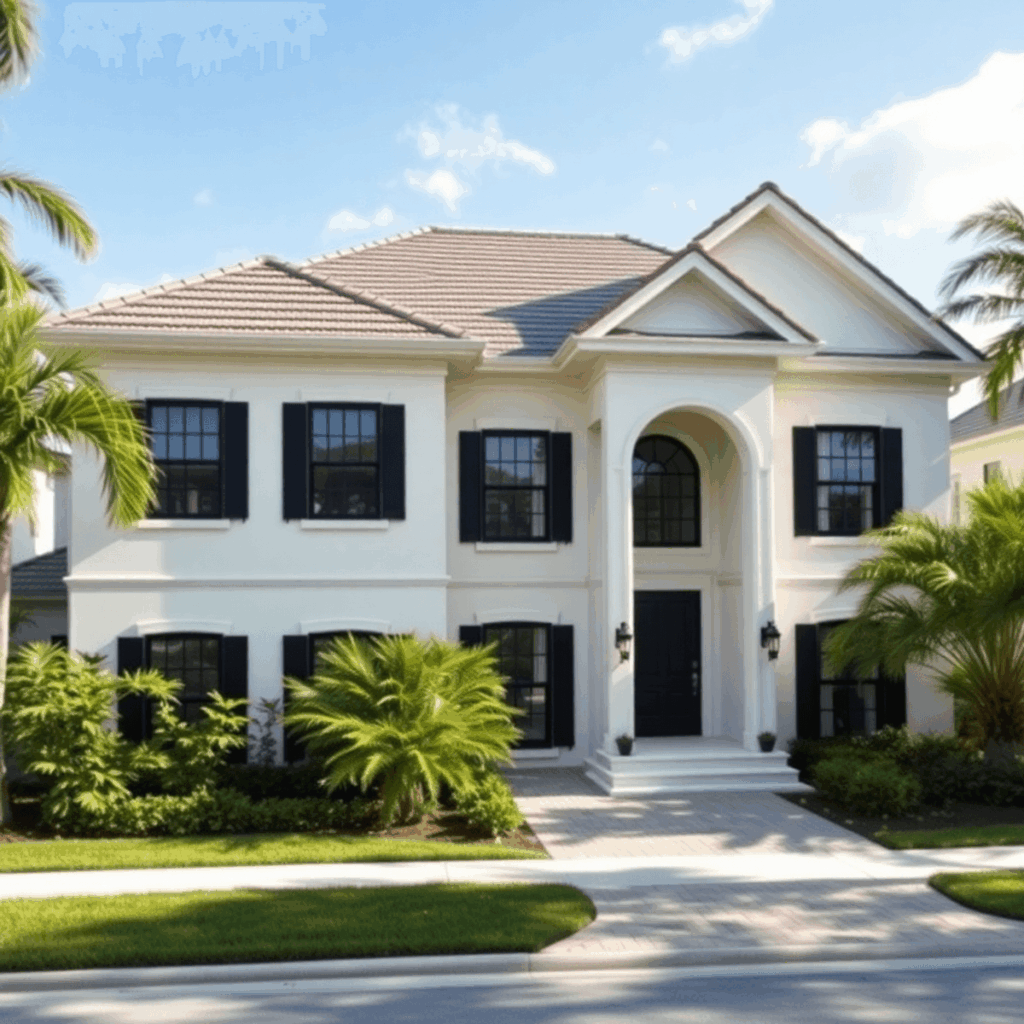
South Florida coastal living comes with a tradeoff: breathtaking views and ocean breezes, plus long stretches of heat and humidity that can make even a beautiful home feel sticky, stuffy, and expensive to run.
This guide is a practical, coastal specific look at passive cooling and natural ventilation strategies that work in places like Fort Lauderdale, Broward County, Palm Beach, and Miami-Dade. These strategies are especially relevant for those considering luxury custom homes where comfort, quiet, durability, and design all have to align.
Why coastal homes overheat (and why “just crank the AC” isn’t the best plan)
In South Florida, homes overheat for a few predictable reasons:
- High humidity keeps the air feeling warmer and slows your body’s ability to cool itself.
- Intense sun loads roofs, walls, and especially glass with heat for hours.
- Warm nights reduce the “reset” you get in drier climates, so the building never fully cools down.
- Salt air accelerates corrosion and wear, so underperforming exterior components can degrade faster.
If you rely on air conditioning alone, the home can still feel uneven: hot spots near west facing glass, clammy bedrooms, and an AC system that runs long cycles to manage moisture. That is not ideal in a high-end home where you want stable comfort, low noise, and long-term performance.
The goal of passive strategies is not to eliminate mechanical cooling. It is to reduce heat gain, improve comfort, and give you options. The best results come from combining design, detailing, and controlled mechanical backup. This ensures the home performs well whether the windows are open for a breeze or closed for quiet, conditioned comfort.
Start with the basics: heat, moisture, and airflow in a coastal house
In a coastal home, you are solving three linked problems:
- Solar heat gain (sun through glass and heat absorbed by the roof and walls)
- Internal heat (people, cooking, lighting, equipment)
- Moisture load (humidity, also called latent heat)
Two ventilation forces matter most:
- Wind-driven ventilation: breezes push air into the windward side and pull air out on the leeward side.
- Stack effect: warm air rises and exits high openings, pulling in replacement air from lower openings.
The coastal reality check is that ventilation must be intentional. If you “leak” air through random gaps, you can pull in hot, humid, salty air at the wrong times, and that can create comfort issues and long-term damage to finishes.
A helpful way to think about performance is the home’s control layers:
- Water control (bulk rain management)
- Air control (uncontrolled leakage vs intentional ventilation)
- Vapor control (moisture movement and drying potential)
- Thermal control (insulation and heat flow)
You do not need to get overly technical to benefit from this. The big idea is simple: block heat first, manage air on purpose, and keep assemblies able to dry.
Site planning and orientation: free cooling starts before the foundation
If you are building custom, the cheapest cooling upgrade is often layout on the lot, as detailed in this resource from Kass Construction.
Reduce east and west exposure when possible
In South Florida, the harshest solar load is typically low-angle morning and afternoon sun, meaning east and west. When site constraints allow, orienting the long faces of the home north–south can reduce punishing glare and heat gain.
Use prevailing breezes to plan openings
In Fort Lauderdale and nearby coastal areas, breezes often come from the east and southeast. This can inform:
- Where you place operable windows and doors
- How you shape lanai/loggia zones
- Whether you can create a front-to-back airflow path on a waterfront lot
Avoid wind shadows
Neighboring structures, tall walls, and dense hedges can create dead zones. Spacing, setbacks, and targeted voids like breezeways and courtyards can help air move through the site rather than around it.
Landscape as a cooling system
Good landscape design reduces heat in three ways:
- Shade: trees and layered planting cool walls, glazing, and outdoor rooms.
- Lower reflection: lighter hardscape, permeable surfaces, and planted buffers reduce glare and re-radiated heat.
- Microclimates: shaded courtyards and screened gardens become comfortable extensions of the interior.
Design the envelope to block heat without trapping moisture
A coastal home’s envelope should do two things at once: reduce heat gain and avoid moisture problems.
Roof is priority #1
Your roof takes the most solar load. Common high-impact strategies include:
- Cool roof finishes (high reflectance where appropriate for the design)
- Radiant barriers in the right assemblies
- Vented roof assemblies that release heat buildup
- High-performance insulation with careful attention to air leakage paths
Walls: continuous insulation plus careful air sealing
In hot-humid climates, uncontrolled infiltration can bring in a steady stream of moisture. A strong wall strategy typically includes:
- Continuous insulation to reduce thermal bridging
- Air sealing at transitions, penetrations, and openings
- A clear plan for drainage and drying, not a wall that traps moisture
Windows and doors: impact-rated, low SHGC, tuned by orientation
Glass is often the biggest comfort swing in luxury coastal architecture. Look for:
- Impact-rated glazing that meets local requirements
- Low SHGC glass to reduce solar heat gain
- Orientation-based decisions, since east/west glass often needs more protection than north/south
Moisture-smart detailing and salt-air durability
Coastal assemblies should be detailed to dry and to last:
- Avoid common vapor trap mistakes
- Use corrosion-resistant fasteners and connectors
- Select coastal-rated materials so performance does not fade after a few years of salt exposure
Shading that looks good on a luxury home (and actually works)
Shading is one of the most cost-effective comfort upgrades you can make, and it is also one of the easiest to integrate into architectural character.
Right-size overhangs
Well-designed overhangs can block high summer sun and reduce direct solar load on glass and walls. The key is sizing and placement, not just adding depth everywhere.
Exterior shading beats interior shading
Interior shades help with glare, but the heat is already inside once sunlight passes through glass. Exterior solutions stop sun before it enters, which is why they are typically more effective for cooling. This is where retrofitting solar shading in existing buildings can make a significant difference.
Coastal-friendly options that can match high-end design
- Fixed awnings and brise-soleil
- Pergolas designed as real shade devices, not just décor
- Shutters that fit modern coastal or transitional architecture
- Motorized screens for patios and loggias
Storm detailing matters
In South Florida, shading devices must be anchored and selected with wind loads and impact requirements in mind. The best projects coordinate architecture, structural engineering, and product selection early so the shading is not a last-minute compromise.
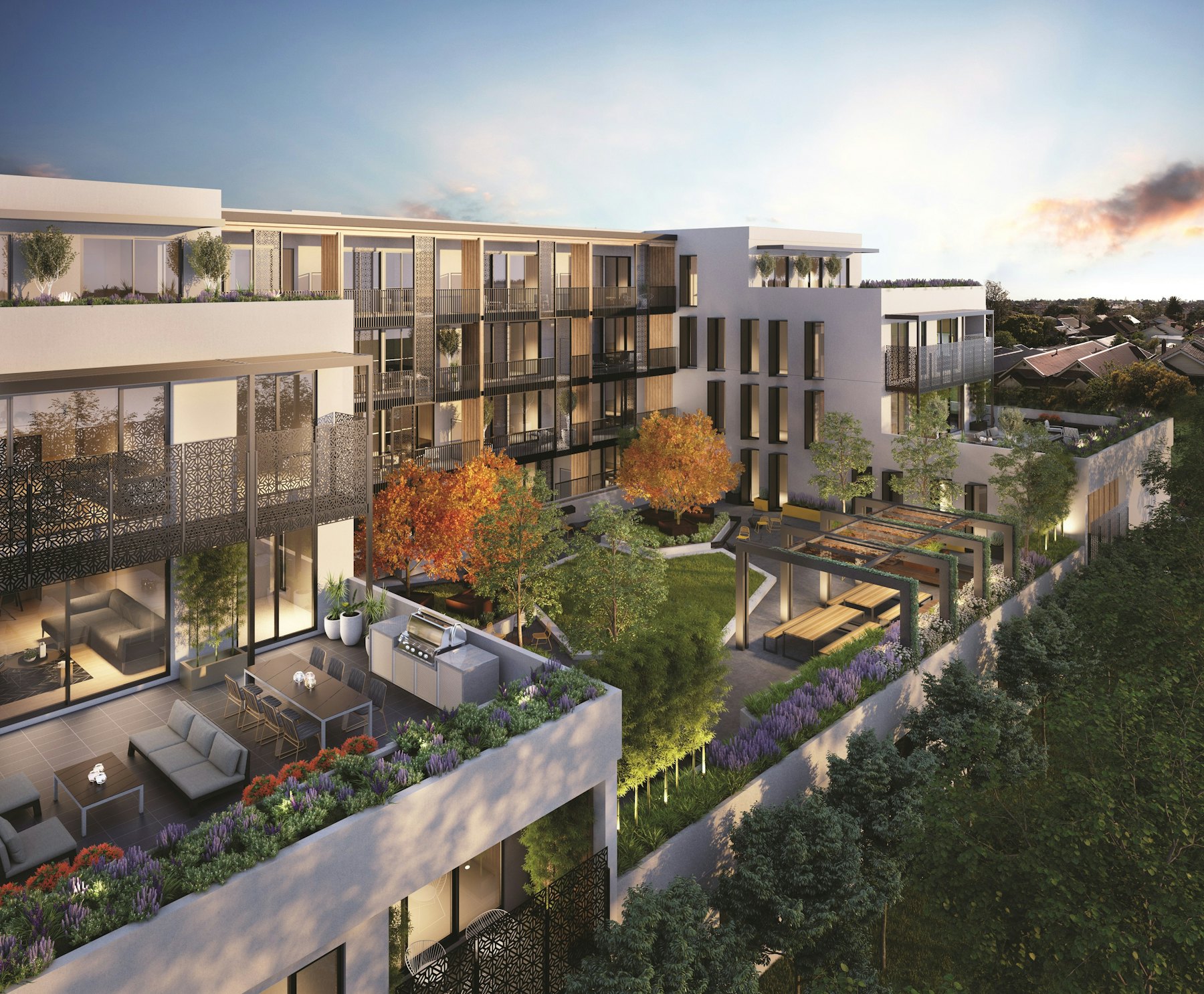
Natural ventilation that’s intentional: cross-breezes, stack ventilation, and zoning
Natural ventilation can feel incredible near the ocean, but it works best when the plan is designed for it.
Cross-ventilation layout
To get real crossflow:
- Place operable openings on opposite sides of primary rooms.
- Create interior pathways so air can move through, not stop at a corridor wall.
- Avoid sealing off “dead-end” rooms with a single small window.
Use pressure zones
Air enters on the windward side and exits on the leeward side. Casement and awning windows can be especially helpful because they can “catch” breezes depending on how they are hinged and angled.
Stack ventilation
Stack effect can be designed into the home with:
- High and low operable windows
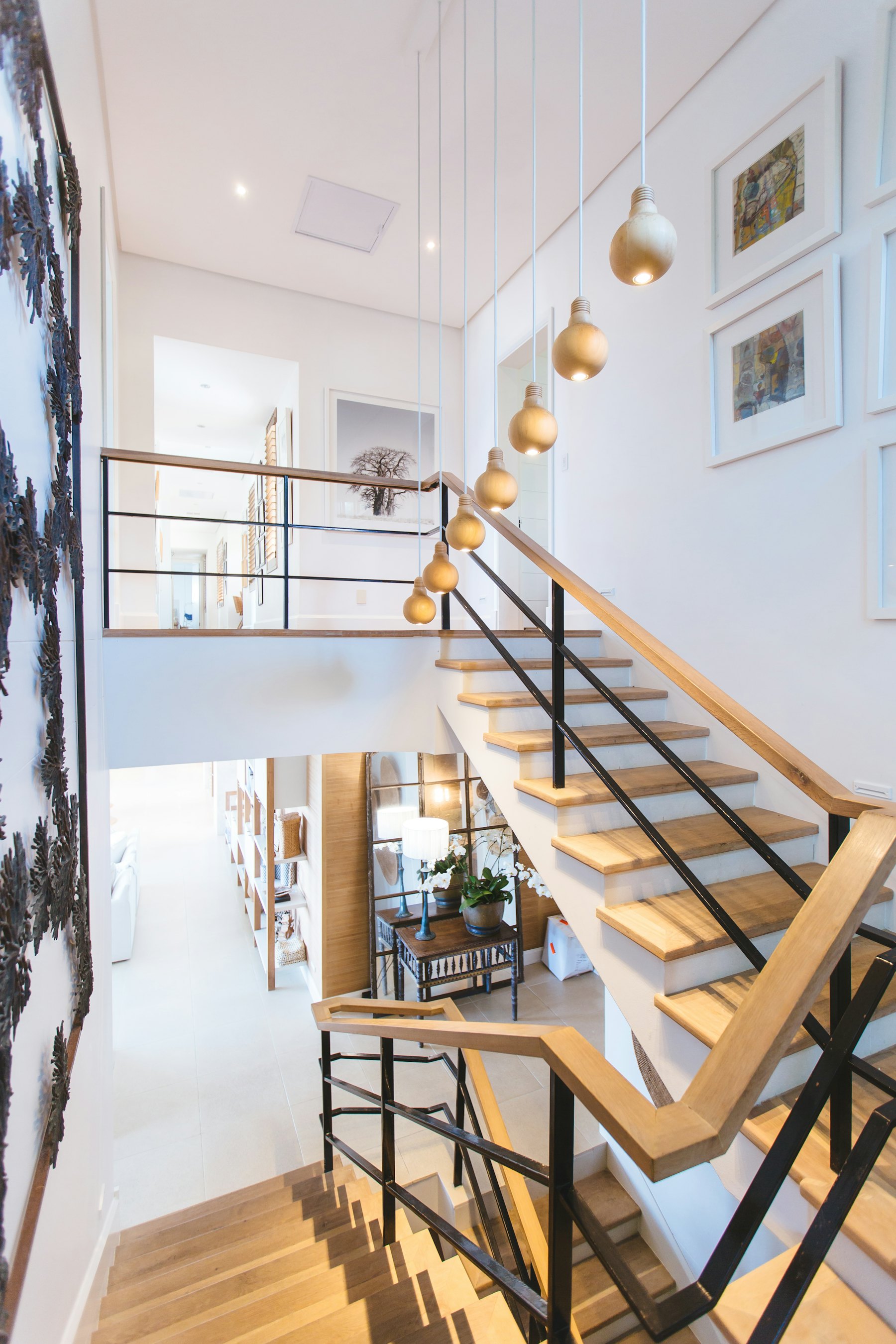
- Stairwells that vent at the top
- Clerestory windows or vented high points that exhaust warm air
Zoning the home
Luxury homes often have wings. Use that to your advantage:
- Ventilate a guest suite independently.
- Keep an office quiet and conditioned while other zones are open.
- Allow a primary suite to stay stable at night while living areas breathe earlier in the day.
Rule of thumb: more operable area is generally better, but the real target is balanced, unobstructed flow. If you want a starting point for early design conversations, aim for operable openings that feel generous on at least two sides of key rooms, then confirm with your architect and engineer based on the plan, wind direction, and glazing constraints.
Humidity and indoor air quality: the coastal catch with “open windows”
The biggest misconception about natural ventilation in South Florida is that it always improves comfort.
Humid air can make interiors feel hotter, and it can stress high-end finishes like wood flooring, custom cabinetry, millwork, and even artwork. It can also introduce salt and pollutants.
When to ventilate naturally
- Early morning when outdoor air is comparatively cooler
- After a front when conditions are drier
- During breezy shoulder periods, especially when interiors have been shaded
When to shut it down
- Midday heat plus high humidity
- Long stretches of warm, wet nights
- When wind-driven rain is present
Use simple controls
Humidity sensors and smart thermostats can help you decide when the home should be in “open” mode vs “conditioned” mode. In high-end homes, it is common to pair passive strategies with:
- Better filtration
- Controlled fresh air approaches, including DOAS or climate-appropriate ERV/HRV strategies (selected carefully for hot-humid performance)
The best target is flexibility: the option for breezy living when conditions cooperate, and quiet, consistent comfort when they do not.
Floor plans that “breathe”: courtyards, breezeways, and indoor–outdoor transitions
Some of the most effective passive cooling strategies are architectural moves that also improve lifestyle.
Courtyards and atriums
A shaded courtyard can create a protected microclimate and improve airflow. When paired with screened openings and overhangs, it becomes a comfortable thermal buffer.
Breezeways and pass-throughs
Especially on waterfront lots, a deliberate front-to-back breezeway can move air through the home and reduce stagnant zones.
Ceiling heights and volume
Taller spaces can stratify heat. If you increase volume, pair it with:
- High exhaust points for stack ventilation
- Ceiling fans to mix and move air where people live
Indoor–outdoor rooms as buffers
Shaded lanais and loggias, which can be enhanced with patio shade ideas, reduce solar load on exterior walls and provide a transition zone that can be comfortable even when the interior is kept more stable.
Privacy plus ventilation
You can maintain privacy without sealing the home by using:
- Layered landscaping
- Screens and louvers
- Offset openings and courtyard walls that allow air movement
Ceiling fans, whole-house fans, and “low-energy helpers” that amplify passive cooling
Fans do not lower air temperature, but they improve comfort by increasing evaporation and convective heat loss. In other words, moving air can make a space feel several degrees cooler.
Ceiling fans
- Use appropriately sized fans for the room volume.
- Place them where people sit and sleep, not only in circulation areas.
- Choose outdoor-rated fans for covered patios and coastal exposure.
Whole-house fans
These can work during cooler, drier spells and at night in the right conditions. In hot-humid stretches, they can be a bad idea because they can pull in damp air and increase indoor moisture loads.
Exhaust in wet zones
Continuous or timed exhaust in bathrooms and laundry areas helps manage moisture spikes, especially in tightly built homes.
Dehumidification as a partner
Standalone or ducted dehumidifiers can improve comfort and reduce AC runtime by handling latent load more efficiently, particularly in shoulder seasons when the AC may not run long enough to dehumidify well.
For luxury builds, also consider noise and vibration control, because a quiet home is part of the comfort goal.
Material choices that stay cooler and last longer near the ocean
Material selection is both a comfort decision and a durability decision.
- High-albedo finishes and lighter colors can reduce surface temperatures.
- For decking and pavers, choose materials that do not store and re-radiate excessive heat, and shade hardscape where possible.
- Thermal mass has limited benefits in hot-humid coastal zones unless you can reliably flush heat with cooler, drier air.
- Use stainless or properly galvanized hardware, coastal-rated coatings, and a realistic maintenance plan.
- Inside, select moisture-stable cabinetry and wood products, and ensure proper acclimation to reduce warping and movement.
Storm-ready ventilation and water management details (because coastal design isn’t optional)
Coastal design has to perform in everyday comfort and in extreme events.
Impact requirements affect operability and shading
Window and door selection is shaped by hurricane codes, which can influence:
- Frame types and hardware
- Opening sizes and configurations
- Shutter and screen integration
Water intrusion control
Passive cooling strategies should never compromise resilience. Key details include:
- Proper flashing and sill pans
- Drainage planes and weeps
- Raised thresholds and smart transitions at outdoor living areas
- Wind-driven rain management at openings and screens
Backup power considerations
During outages, maintaining basic dehumidification or ventilation control can protect interiors and finishes, especially in high-value homes. This is where having a robust heating, ventilation, and air conditioning (HVAC) system becomes crucial.
Permit and inspection reality
In Broward, Palm Beach, and Miami-Dade, design choices must pass code review and inspection. Performance detailing is only valuable if it is buildable, inspectable, and documented correctly. This is where our expertise in construction permitting and project management in South Florida comes into play.
A practical “strategy stack” for South Florida coastal homes (what to prioritize)
If you want a clear priority list, here is a strong order of operations.
Tier 1 (highest ROI)
- Roof and attic strategy
- Glazing selection and SHGC by orientation
- Exterior shading
- Airtightness plus controlled ventilation
Tier 2
- Cross and stack ventilation layout
- Ceiling fans and targeted exhaust
- Shaded outdoor buffers (loggias, lanais)
- Landscape shading and reduced hardscape glare
Tier 3
- Advanced controls and sensors
- Dedicated dehumidification
- Specialty facade systems and more complex shading assemblies
The sequence matters: block heat first, then move air, then manage moisture. In custom homes, coordination is the hidden multiplier. When architects, engineers, and trades are aligned early, the performance details survive budgeting and scheduling without getting value-engineered into problems.
How Kass Construction & Development approaches comfort-first coastal builds
Kass Construction & Development is a state-licensed luxury custom home builder based in East Fort Lauderdale, serving Broward, Palm Beach, and Miami-Dade. The firm specializes in architect-driven custom homes, waterfront estates, and high-end renovations, with integrated project management and permitting support.
For passive cooling and natural ventilation, the approach is straightforward: coordinate the design intent with the build reality so the home performs as beautifully as it looks.
That typically means:
- Aligning architectural concepts like shading, glazing, and indoor–outdoor transitions with constructability and long-term durability
- Coordinating passive strategies with local wind loads, impact requirements, and inspection expectations
- Planning renovations that incorporate passive upgrades such as window and shading replacements, roof and insulation improvements, reworked airflow pathways where the structure allows
If you are evaluating a waterfront lot or planning a renovation to align with current South Florida luxury real estate trends, Kass Construction & Development can help you map the right strategy stack before decisions become expensive to change.
FAQs (Frequently Asked Questions)
Why do South Florida coastal homes tend to overheat, and why isn’t relying solely on air conditioning ideal?
South Florida coastal homes overheat due to high humidity that makes the air feel warmer, intense sun that heats roofs and walls, warm nights that prevent cooling, and salt air that accelerates exterior wear. Relying only on air conditioning can cause uneven temperatures, clammy rooms, and long AC cycles, which isn’t ideal for stable comfort, quietness, and durability in luxury homes.
What are the key passive cooling and natural ventilation strategies suitable for South Florida coastal homes?
Effective strategies include reducing solar heat gain through design and orientation, managing internal heat sources, controlling moisture load, intentional wind-driven ventilation by placing openings according to prevailing breezes (east and southeast), using stack effect ventilation with high and low openings, blocking heat first while managing air purposefully, and ensuring building assemblies can dry properly.
How does site planning and orientation contribute to passive cooling in South Florida custom homes?
Site planning helps by orienting the home north-south to minimize harsh east and west sun exposure, placing operable windows and doors to capture prevailing east/southeast breezes for airflow, avoiding wind shadows from neighboring structures by including breezeways or courtyards for air movement, and using landscaping for shade, reduced reflection, and creating cooler microclimates around the home.
What role does landscaping play in enhancing natural ventilation and cooling in coastal homes?
Landscaping provides shade with trees and layered plants that cool walls and outdoor areas; it lowers heat reflection through lighter hardscapes and permeable surfaces; and it creates microclimates such as shaded courtyards that serve as comfortable outdoor extensions of the interior living space.
What are the main control layers in a coastal home’s building envelope to ensure comfort and durability?
The key control layers include water control to manage bulk rain; air control distinguishing between uncontrolled leakage versus intentional ventilation; vapor control managing moisture movement and drying potential; and thermal control addressing insulation and heat flow. Properly balancing these layers blocks heat effectively while preventing moisture problems.
Why is roof design considered a priority in reducing heat gain for South Florida coastal homes?
The roof receives intense solar radiation for hours each day, making it a major source of heat gain. Prioritizing roof design with reflective materials, proper insulation, ventilation, or shading reduces this heat load significantly. This helps maintain indoor comfort levels while minimizing reliance on mechanical cooling systems.