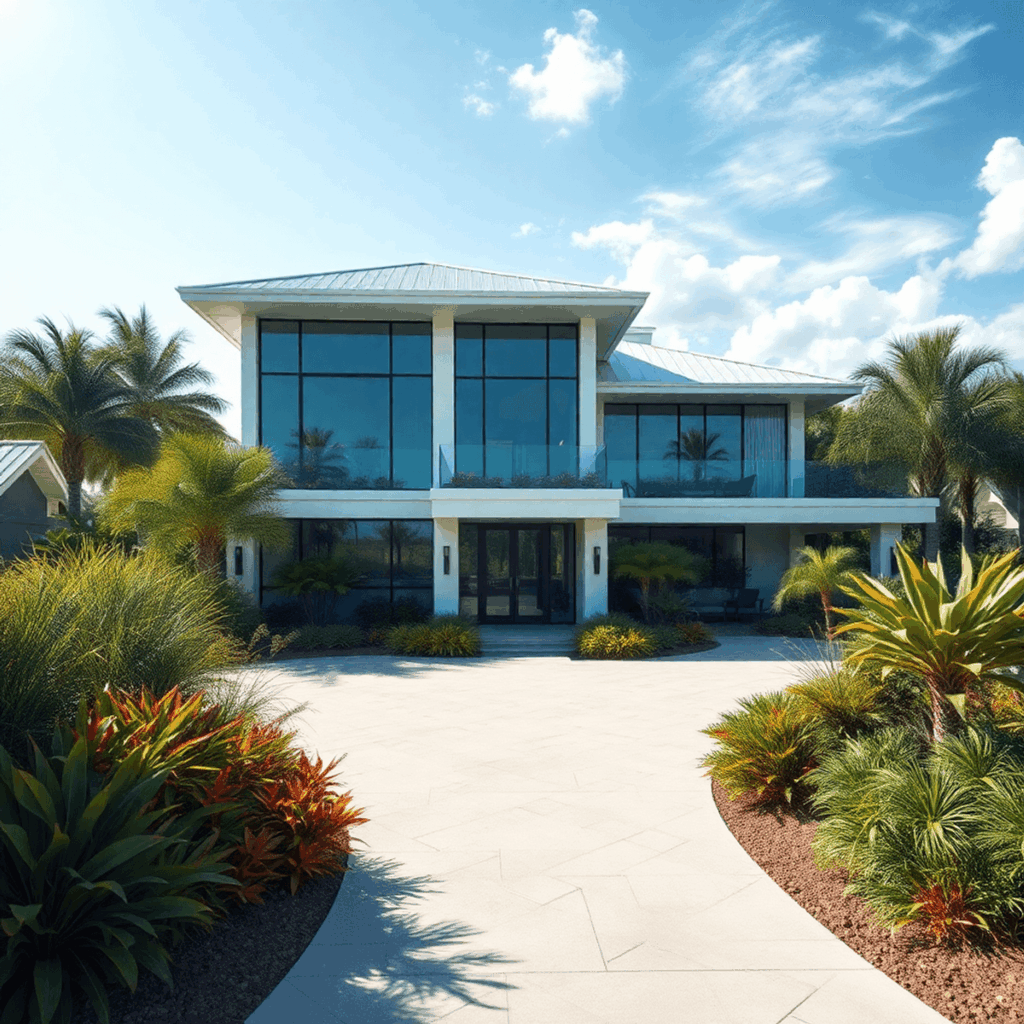
Luxury coastal living already comes with “natural amenities” most homeowners can only dream about: sun, salt air, palms, water views, and a lifestyle that naturally spills outdoors. Biophilic design is the method that helps you capture all of that inside your home, every day, in a way that feels intentional, elevated, and calm.
Below is a practical guide to applying biophilic design in high-end coastal homes, particularly in South Florida. The goal is simple: bring nature indoors without sacrificing durability, comfort, or a clean modern aesthetic.
Why biophilic design feels “made” for luxury coastal living
Biophilic design means designing a home to reconnect people with nature through light, air, natural materials, views, water, and greenery. It’s not just about adding plants; it’s a whole-home approach that makes nature a daily experience even when you are inside.
In South Florida, the conditions are already ideal for biophilia:
- Abundant sun for daylighting
- Waterfront and Intracoastal views worth framing like art
- Breezes that can support comfort when planned correctly
- Indoor-outdoor living that is part of the culture
This guide focuses on high-end, buildable strategies that work in coastal construction. These strategies include considerations for humidity, salt air, wind exposure, and maintenance realities. For those looking into luxury custom home building in this region or considering waterfront and coastal home construction, these insights will be invaluable.
The luxury outcomes buyers care about are also the same reasons biophilic design works so well:
- A calmer, more restorative home environment
- Wellness benefits tied to daylight, air quality, and materials
- Strong resale appeal because it feels timeless and resort-like
- A “vacation at home” experience that is hard to replicate with décor alone
For those looking to transform their homes to encapsulate these benefits through luxury home renovations or remodeling, this guide serves as an essential resource.
Start with the site: using water, views, and breezes as the “first materials”
The best biophilic interiors begin with site-driven planning, not furniture selections. In luxury coastal homes, the “materials” you want to design with first are already there: water, sky, landscape, and wind.
Orient primary rooms for views, with privacy in mind
A common mistake in waterfront neighborhoods is treating the view as a single giant glass wall, then realizing the home feels exposed to neighbors, docks, or boat traffic. A more refined approach is to plan:
- Primary living areas oriented to the best water or garden angles
- Strategic landscaping and screening to protect privacy
- Layered glazing and sightlines that feel open without feeling on display
Capture prevailing breezes with smart openings
When the plan supports it, cross-ventilation can reduce the “sealed box” feeling many modern homes create. This usually comes down to:
- Aligning operable openings to create clear airflow paths
- Using operable glazing strategically, not randomly
- Planning where air enters and exits, especially in double-height spaces
Frame nature with view corridors
One of the most luxurious biophilic moves is creating a view corridor from the entry through the main space to the water or a courtyard feature. Hallways can become gallery-like moments when they frame:
- A specimen palm or sculptural tree
- A reflecting basin
- A textured stone garden wall with grazing light
These principles of site-driven planning can significantly enhance your home’s design. By leveraging natural elements like water and breeze, you can create a living space that feels both luxurious and harmonious with its surroundings. For more resources on implementing these strategies effectively, consider exploring some helpful resources available online.
Coastal constraints to design around (high-level)
Coastal projects must account for realities that influence layout and openings, such as:
- Setbacks and waterfront rules
- Flood elevation requirements
- Wind exposure and impact-rated assemblies
- Coastal construction methods that prioritize resilience
A builder and architect who understand coastal details will help you maintain the design intent while meeting these constraints.
Natural light as a luxury feature (without the heat and glare)
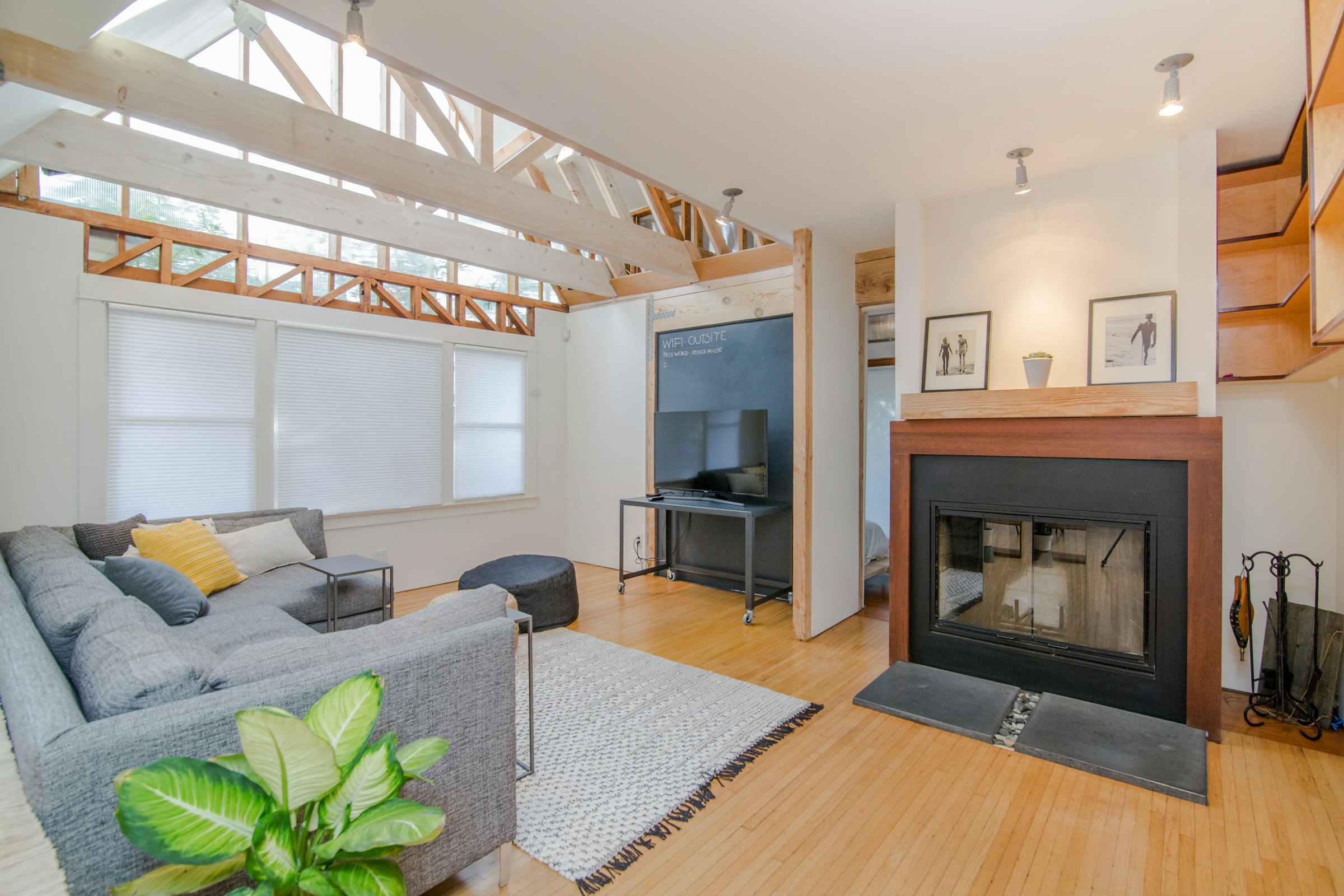
In a coastal home, daylight can be either breathtaking or exhausting. Great biophilic design makes light feel soft, controlled, and resort-like.
Daylighting strategies that feel elevated
- Clerestory windows for privacy-friendly brightness
- Skylights in protected roof zones to avoid harsh midday glare
- Light wells to bring daylight deep into the plan
- Tall glazing that emphasizes sky and palms, not just the horizon
Prevent glare and overheating
Coastal sun can be intense, especially with reflective water. Practical tools include:
- Deep overhangs and architectural recesses
- Shading screens that add texture to the façade
- High-performance glass selected for heat gain and clarity
- Thoughtful room depth so daylight does not turn into a spotlight
Layered lighting that supports circadian rhythm
A biophilic lighting plan is not only about daylight. At night, lighting should support the way people actually relax:
- Warmer, dimmable lighting for evenings
- Brighter task lighting where you need function
- Accent lighting that highlights natural textures like stone, plaster, and wood
Extend the “nature experience” after sunset
Landscape lighting should feel like a continuation of the interior. When done well, the outdoor environment becomes a living backdrop at night, not a dark void beyond glass.
Indoor-outdoor continuity: where biophilia becomes a floor plan decision
Biophilia becomes real when it shapes the plan, not just the palette.
Seamless transitions that read as one environment
Luxury coastal homes often aim for the feeling that the interior “opens” into the exterior. Details that help:
- Flush thresholds where feasible (and properly detailed)
- Consistent floor lines to visually pull you outside
- Aligned ceiling planes that extend into covered outdoor areas
Create “pause points” that invite nature in
These are the moments people remember:
- A window seat facing the water
- A reading nook that looks into a courtyard garden
- A hallway that frames a landscape element like a painting
Covered outdoor rooms that live like interiors
Loggias, outdoor kitchens, and lounge zones should function like true rooms, not afterthought patios. In South Florida, covered outdoor living is often where the home gets used the most.
Courtyards and atria for tighter lots
In dense coastal neighborhoods, courtyards can deliver privacy, daylight, and greenery while still reading as “outside.” They also create a protected microclimate for planting and water features.
Materials that look natural and survive the coast
Biophilic interiors rely on materials that feel authentic to the hand and eye. Coastal interiors also need materials that can handle humidity and salt air.
Prioritize tactile, honest finishes
- Natural stone (limestone-inspired looks, travertine, or durable alternatives)
- Limewash or plaster-style finishes for soft depth
- Engineered hardwood options suited to humidity
- Warm metals that develop character without constant polishing
Coastal durability checklist
- Corrosion resistance for hardware and metals
- Low-maintenance finishes that do not trap salt residue
- Mold and mildew awareness in assemblies and material choices
- Salt-air performance, especially near operable openings
Design with natural texture
A high-end biophilic palette often leans into:
- Matte finishes rather than high gloss
- Organic edges and subtle variation
- Layered neutrals that echo sand, shells, driftwood, and limestone
Where statement natural materials have maximum impact
If you want a home to feel instantly elevated, concentrate natural materials where they carry the most visual weight:
- Kitchen islands and backsplashes
- Feature walls in the great room
- Sculptural staircases
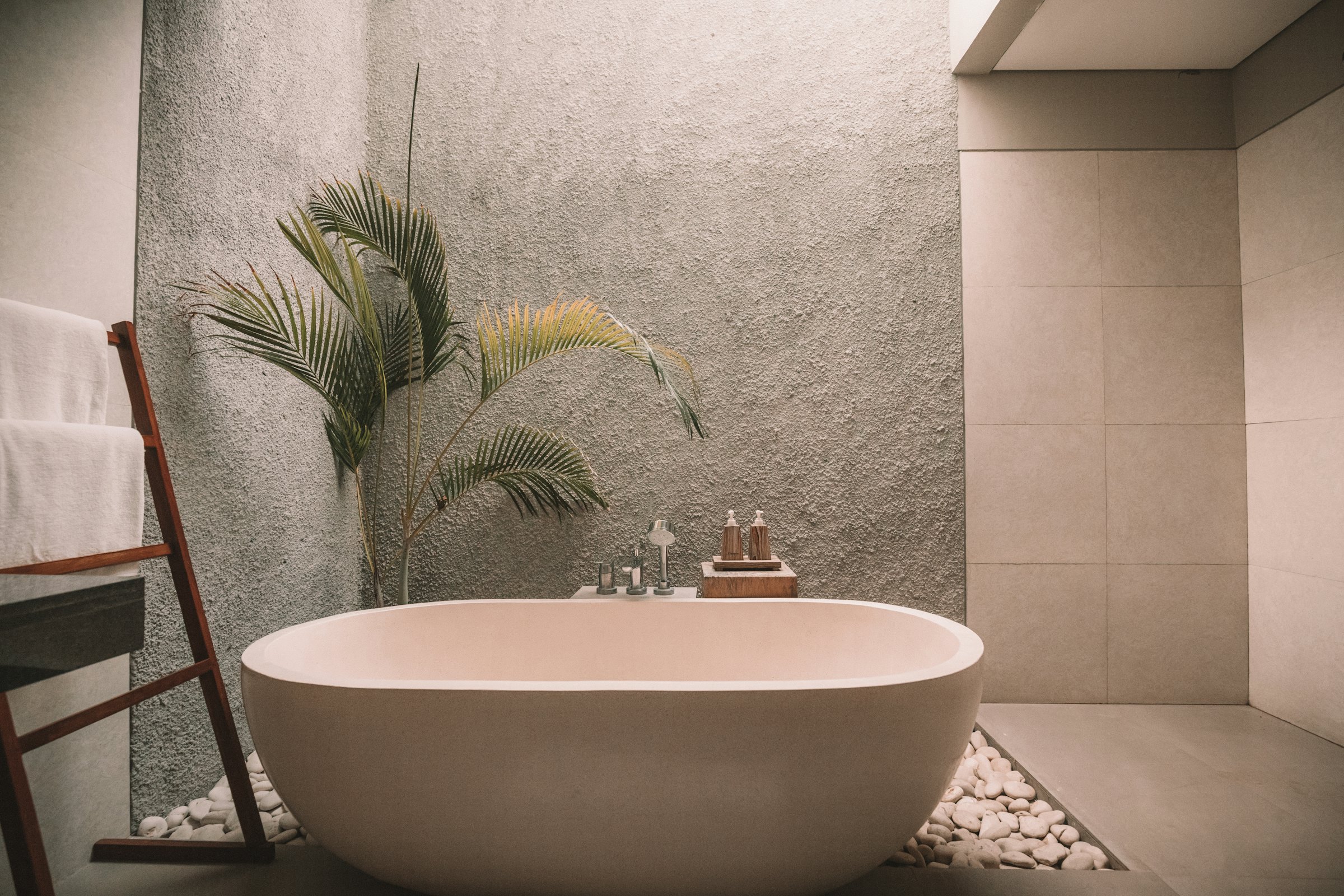
- Spa bathrooms with stone and plaster
Coordinate early with builder and design partners
In luxury coastal work, the “dream material” can become a schedule or performance problem if it is selected too late. Early coordination helps ensure lead times, installation details, and coastal durability align with the construction plan.
Living elements: greenery, courtyards, and interior gardens (done the high-end way)
The most polished approach to indoor planting is intentional planting. Fewer plants, healthier plants, and placements that feel architectural.
Best placements in luxury homes
- Double-height living areas with a statement tree or sculptural planter
- Kitchen herb walls or a contained herb garden near natural light
- Bathroom greenery that thrives in humidity and soft light
- Entry statements that create an immediate “nature-first” impression
Built-in planters and green walls: plan them like systems
If you want a green wall or built-in planter to look seamless, it should be designed from day one, including:
- Irrigation and drainage
- Grow lighting where daylight is not enough
- Waterproofing and access for maintenance
Choose coastal-friendly species near openings
Plants near doors and operable glazing should be selected with coastal conditions in mind. Coordinate with a landscape designer who understands native and coastal-friendly options to reduce pests and maintenance.
Design for long-term success
The quiet killer of indoor greenery is poor planning. Success comes from:
- Mapping sunlight and shade across the day
- Protecting floors and nearby finishes
- Managing indoor humidity so planting helps the home, not harms it
Water and sound: bringing the coast inside without the mess
Water features work in biophilic design because they provide movement, reflection, and calming sound. In luxury coastal homes, the key is making water feel intentional, not fussy.
High-end options that suit coastal modern homes
- Slim wall fountains with controlled splash
- Courtyard reflecting basins visible from interior rooms
- Entry water elements that create a “resort arrival” moment
Practical considerations
- Humidity impact and ventilation awareness
- Splash control and surface selection
- Filtration access for serviceability
- Materials that resist scale and corrosion
Use sound intentionally
Pairing subtle water sound with acoustic-friendly materials helps large open rooms feel calmer. Wood slats, textured plaster, and soft furnishings can reduce echo and make the entire space feel more serene.
Healthy coastal interiors: air, comfort, and moisture control as biophilic essentials
Biophilia is wellness plus building science. “Nature indoors” should include fresh air, filtration, and stable comfort. To achieve this, it’s crucial to improve indoor air quality through effective ventilation systems.
Ventilation for humid coastal climates
Luxury homes in South Florida often need a strategy that balances:
- Fresh air delivery
- Dehumidification
- Stable temperature and comfort without feeling clammy
Low-VOC selections for healthier living
In tight, high-performance homes, material emissions matter more. Prioritize low-VOC options such as:
- Paints and primers
- Sealants and adhesives
- Cabinetry finishes and composite materials
Quiet mechanical planning and zoning
Biophilic design aims for serenity. Loud returns, poorly placed grilles, or oversimplified zoning can undermine it. Plan mechanical zones and equipment locations early so comfort feels invisible.
Coordinate early so systems do not ruin the architecture
Late-stage changes often create bulky soffits and compromised ceiling lines. The earlier MEP coordination happens, the cleaner the final light lines and transitions will be.
Room-by-room ideas for a luxury coastal biophilic home
Great room
- Panoramic glazing with integrated shading
- Natural stone focal wall or textured plaster
- Layered neutral textiles that echo the beach
- A defined view corridor to water or landscape
Kitchen
- Stone paired with warm wood tones
- Herb garden integration near a window or light well
- Natural light centered over the island
- Durable hardware and finishes suited to salt air
Bathrooms
- Spa strategy: stone, plaster, and calm proportions
- Rain shower with soft, indirect lighting
- Greenery that tolerates humidity
- Warm dimming for evening routines
Staircase and entry
- Sculptural wood or stone moments that feel natural, not ornate
- Clerestory or skylight for a luminous arrival
- A framed view to a courtyard, water feature, or landscape element
Home office
- Daylight and greenery to improve focus
- Glare control for screens
- Acoustic planning so the space feels quiet and restorative
How Kass Construction & Development helps execute biophilic luxury coastal homes (without costly surprises)
Biophilic design can look effortless in photos, but execution is where most projects either succeed or get expensive.
Kass Construction & Development is a state-licensed luxury custom home builder based in East Fort Lauderdale, serving Broward, Palm Beach, and Miami-Dade. The firm specializes in architect-driven custom homes, waterfront estates, and high-end renovations where design intent matters.
Architect-driven delivery that preserves design intent
Biophilic homes rely on precise details: clean ceiling lines, large openings, flush transitions, and material alignment. Kass collaborates closely with architecture and design partners to maintain those intentions through construction, not value-engineer them away at the finish line.
Integrated expertise under one roof
Kass combines licensed general contracting with real estate and attorney support to reduce risk and streamline delivery, particularly helpful in coastal projects where permitting, approvals, and documentation can get complex.
Where biophilic coastal projects commonly go wrong
- Waterproofing and detailing at large openings and transitions
- Material lead times and substitutions that compromise the look
- Indoor planter drainage and hidden moisture issues
- MEP coordination that creates soffits, noise, or interrupted light lines
A boutique builder with coastal experience prevents these failures through early coordination, detailed scheduling, and quality control.
Owner’s representation and project management
From land acquisition to final construction or renovation, Kass provides transparency, scheduling discipline, and hands-on oversight so the finished home feels as refined in real life as it did on paper.
A simple blueprint: planning biophilic design from concept to completion
Step 1: Define lifestyle goals
Clarify what matters most: wellness, entertaining, privacy, and your tolerance for maintenance. Decide what “nature indoors” should mean for you.
Step 2: Site and concept planning
Orient the home to views and breezes. Define openings, indoor-outdoor zones, courtyards, and protected landscape moments.
Step 3: Engineer the comfort layer
Plan ventilation, dehumidification, shading, and acoustics so the home feels calm and consistent in every season. This is essential for maintaining a healthy indoor air quality which is a key aspect of biophilic design.
Step 4: Detail the living elements
Design planters, green walls, and water features with drainage, access, waterproofing, and long-term maintenance in mind.
If you are building or remodeling a luxury coastal home in South Florida with an intention of incorporating biophilic design executed with precision, Kass Construction & Development is well-positioned to help you plan and build it the right way from concept through completion. Additionally, understanding current luxury real estate trends in South Florida can further enhance your investment strategy.
FAQs (Frequently Asked Questions)
What is biophilic design and why is it ideal for luxury coastal living?
Biophilic design is a method of designing homes to reconnect people with nature through elements like light, air, natural materials, views, water, and greenery. It goes beyond just adding plants by creating a whole-home experience that brings nature indoors daily. This approach is ideal for luxury coastal living because it complements the natural amenities such as sun, salt air, palms, and waterfront views common in coastal areas like South Florida.
How can homeowners incorporate biophilic design in high-end coastal homes while maintaining durability and comfort?
Incorporating biophilic design in luxury coastal homes involves strategic planning that accounts for humidity, salt air, wind exposure, and maintenance. Using site-driven planning to orient rooms for optimal views and breezes, selecting resilient natural materials, ensuring proper ventilation through operable openings, and framing nature with view corridors help bring nature indoors without sacrificing durability or comfort.
What are some effective strategies for maximizing natural light in coastal luxury homes without causing heat or glare issues?
To maximize natural light while minimizing heat and glare in coastal luxury homes, designers use daylighting techniques such as layered glazing, strategic window placement to capture sunlight without direct exposure during peak heat hours, and incorporating shading devices. These strategies ensure interiors are bright and inviting while maintaining comfort.
How does site-driven planning enhance biophilic design in waterfront and coastal home construction?
Site-driven planning enhances biophilic design by using the home’s natural surroundings—water views, sky, landscape features, and prevailing breezes—as foundational ‘materials’ in the design process. This includes orienting primary living spaces toward the best views with privacy considerations, capturing cross-ventilation through aligned operable openings, and creating framed view corridors that showcase natural elements like specimen trees or reflecting pools.
What coastal construction considerations must be addressed when applying biophilic design principles?
When applying biophilic design in coastal construction, it’s essential to consider setbacks and waterfront regulations, flood elevation requirements, wind exposure with impact-rated assemblies, and resilient building methods suitable for harsh coastal environments. Collaborating with builders and architects experienced in these constraints ensures that the home’s natural connection is preserved without compromising structural integrity or compliance.
What are the wellness and lifestyle benefits of integrating biophilic design into luxury coastal homes?
Integrating biophilic design into luxury coastal homes creates a calmer and more restorative environment by enhancing daylight access, improving air quality through better ventilation, and using natural materials that promote well-being. It also offers strong resale appeal due to its timeless resort-like feel and provides a ‘vacation at home’ experience that elevates everyday living beyond what décor alone can achieve.