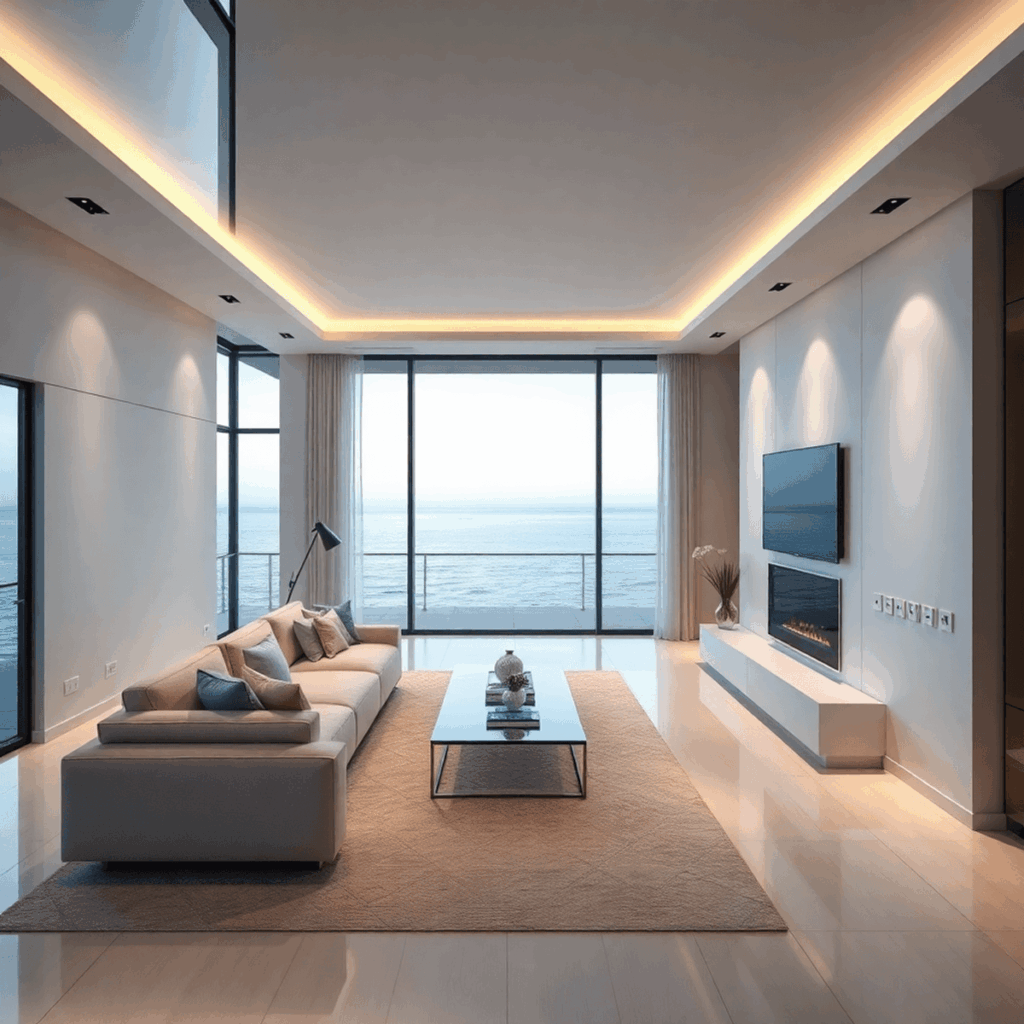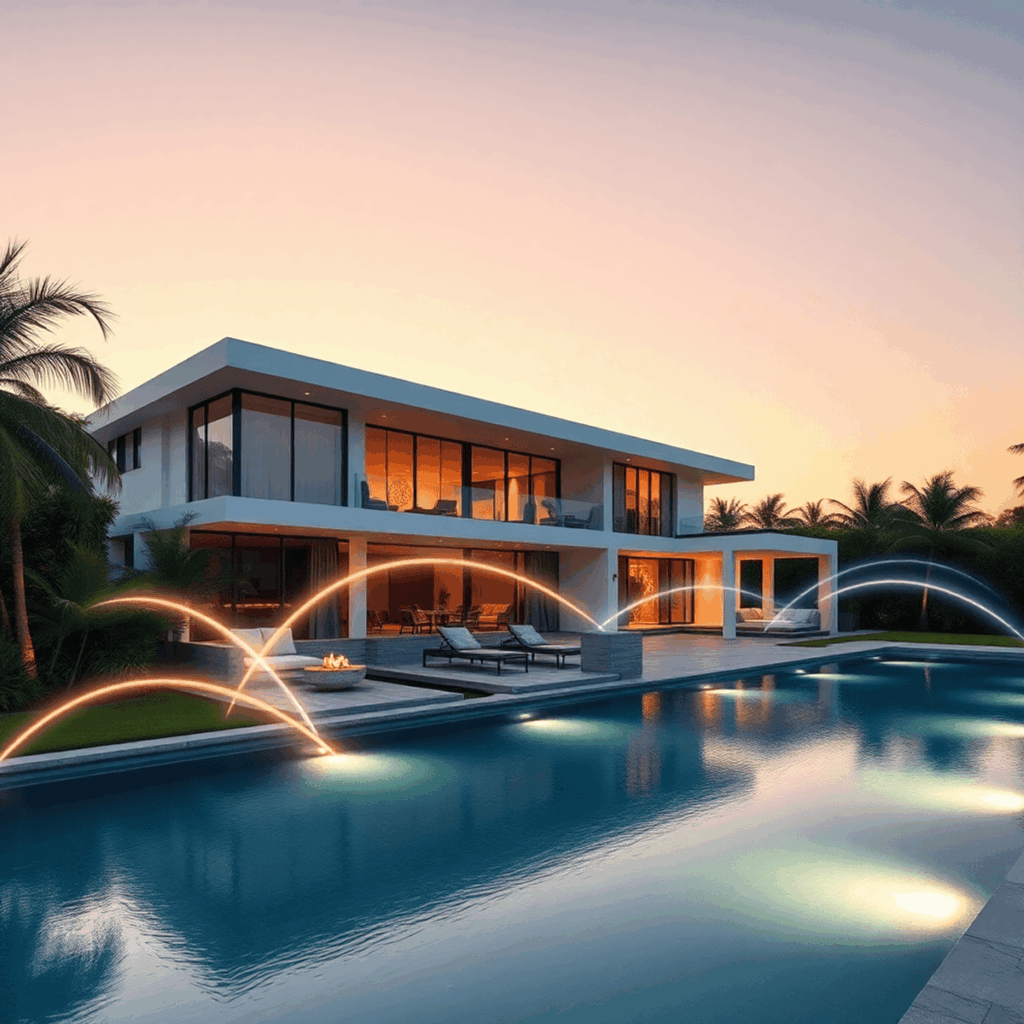
Smart home control is supposed to feel invisible. Walk in, lights behave, temperature is comfortable, music is easy, and security is tight. But in real homes, especially large luxury homes in South Florida, it often turns into a daily negotiation with voice assistants, slow apps, and automations that work perfectly for one person and confuse everyone else.
This guide is a practical, 2026-grounded look at what actually works: which control methods are reliable, how to layer them so the house still functions when one layer fails, and how to plan the “boring” infrastructure that determines whether any of this feels like luxury.
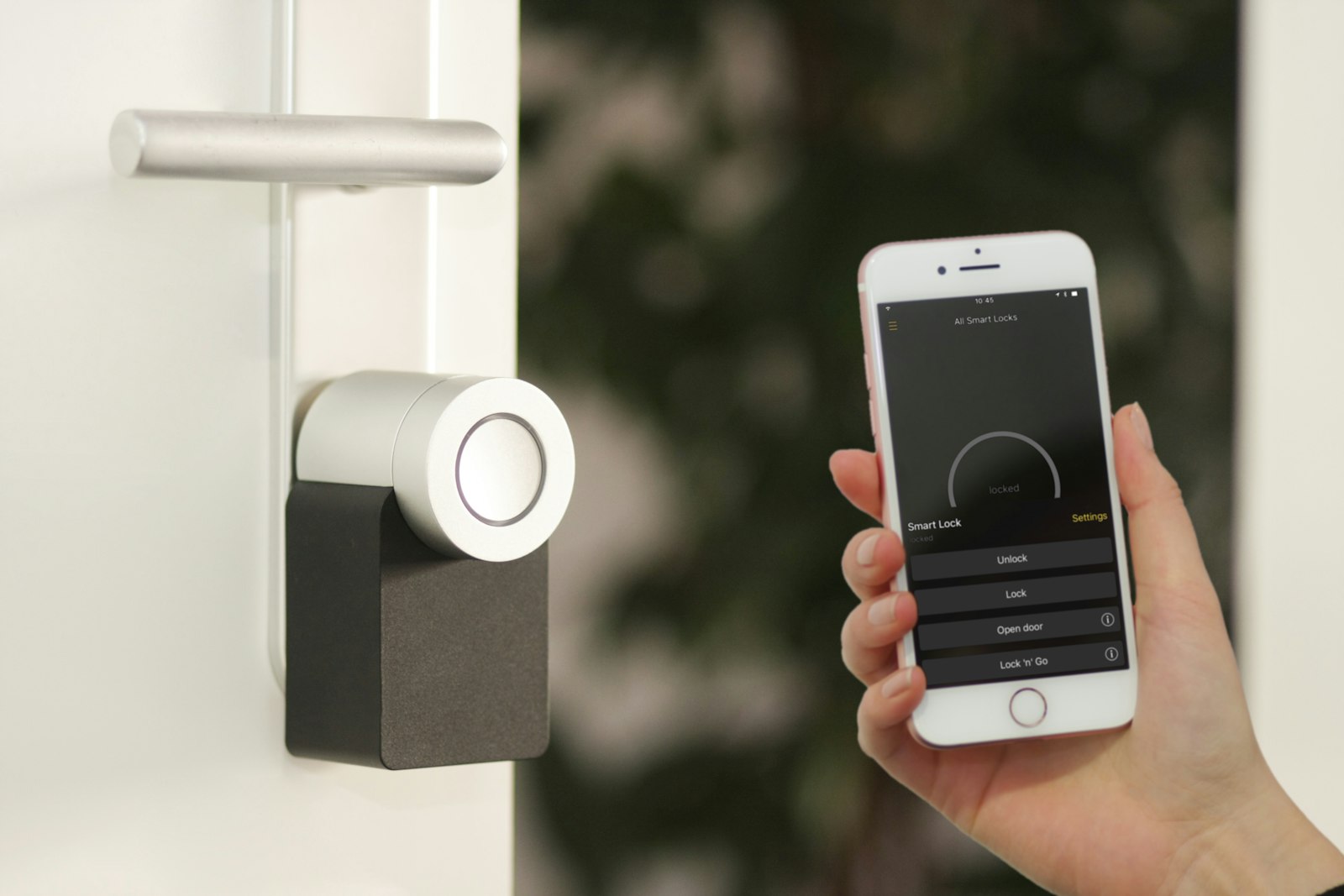
Why “smart home control” still disappoints (and what’s changed in 2026)
Most smart home disappointment is not because the devices are “bad.” It’s because the control method doesn’t match real life.
A smart home might be “perfect” for the person who set it up, and frustrating for everyone else:
- A spouse who does not remember scene names.
- Kids who want lights now, not after an app loads.
- Guests who should never need a tutorial.
- Staff who need access to certain zones, not the whole home.
- Property managers who need audit logs and simple workflows.
- Short-term rentals where usability and resilience matter more than novelty.
In luxury custom home building in South Florida, these smart home frustrations can be mitigated by designing homes with user-friendly automation systems. However, it’s essential to remember that these systems should enhance the living experience rather than complicate it.
Moreover, waterfront and coastal home construction often comes with its own set of challenges. The unique environmental factors must be considered during the design and construction phases to ensure that smart home technologies function optimally.
As we delve deeper into luxury home architecture and design, we find that a well-planned infrastructure is crucial. This infrastructure not only supports advanced technology but also plays a significant role in defining luxury living.
Lastly, luxury home renovations and remodeling can provide an opportunity to reassess and improve existing smart home systems. With careful planning and execution, these renovations can lead to a seamless integration of technology into everyday living.
What’s improved in 2026
The good news is that smart homes in 2026 are meaningfully better than they were even two or three years ago, especially in the custom-home segment:
- Faster local processing: more systems can run automations locally, which reduces lag and keeps basic behavior working during internet hiccups.
- Better device interoperability: more products can talk to each other without brittle workarounds, especially when you standardize categories (lighting, shades, locks).
- More reliable presence detection: combining phone presence, door states, motion, and schedules produces fewer “why did the house do that?” moments.
- Smarter automation logic: modern controllers can manage context, conditions, and safety checks with less manual tinkering.
What hasn’t improved enough
Even in 2026, a few pain points are stubborn:
- Voice recognition is still flaky in open-plan spaces: kitchens, great rooms, and outdoor zones are acoustically hard. Add music, ventilation, and multiple voices, and it gets worse.
- Apps still get over-complicated: too many vendor apps, too many logins, too many inconsistent interfaces.
- Cloud outages still happen: and when a critical feature depends on the cloud, you feel it immediately.
- Wi‑Fi congestion still ruins “smart”: large properties with many clients, cameras, speakers, and outdoor access points can overwhelm poorly designed networks.
The promise of this article (and why South Florida is its own category)
Luxury homes in Broward, Palm Beach, and Miami-Dade have unique constraints:
- Large footprints and multiple buildings or zones.
- Outdoor kitchens, terraces, pools, docks, gates, landscape lighting, and waterfront exposure.
- Humidity, salt air, and storm readiness, which impact equipment placement and long-term reliability.
The goal here is simple: pick a control stack that stays reliable in real South Florida conditions. This requires careful planning and execution. It’s not just about integrating smart technology but also about ensuring that the infrastructure supporting these technologies is robust. For more insights into how to achieve this level of reliability in your home construction or renovation project in South Florida’s unique climate conditions and geographical challenges. You can refer to resources provided by Kass Construction, which offer valuable information on navigating these complexities.
The 3 control layers every high-performing smart home uses
The best-performing smart homes do not bet everything on one interface. They use a layered model:
- Physical controls (keypads/switches) for instant access
- Voice for convenience
- App for deep control and remote access
A voice-only home fails when the room is noisy or the command is forgotten. An app-only home fails because nobody wants to unlock a phone to turn on a hallway light. A physical-only home can feel limited for remote access, cameras, and management.
The target is graceful fallback: if one layer is slow, offline, or confusing, the home still works.
This is also the mindset Kass Construction & Development uses when planning architect-driven custom homes: technology should be designed like any other system. That means clear user experience, redundancy, and documentation, not last-minute add-ons after finishes are complete.

Voice control in 2026: great for a few things, terrible for others
Voice is still worth using, but only if you treat it as a convenience layer, not the foundation.
Where voice shines
Voice is best for quick, low-stakes commands:
- “Turn on the kitchen lights.”
- “Set the living room to 30%.”
- “Play jazz outside.”
- “Close the shades.”
- “Goodnight.”
- Timers, reminders, quick questions.
These are short, natural phrases where a miss is not a safety issue.
Where voice struggles
Voice breaks down when you need precision or when the environment is working against you:
- Scene names people forget (“Relax Evening v3” is not a lifestyle)
- Multi-step routines (“Set lighting to X, music to Y, shades to Z”)
- Security-sensitive actions (disarm, unlock, open gate)
- Noisy kitchens and open layouts
- Accents and guests with different phrasing
- Outdoor zones with wind, music, and distance
The practical voice strategy
To mitigate these issues, consider adopting some practical strategies for voice control:
- Keep voice scenes to 5–8 universal scenes max, and make them consistent across the home:
- Morning, Day, Evening, Entertain, Away, Goodnight (add one or two if needed).
- Use confirmations for sensitive actions like unlocking doors or disarming security.
- Avoid running multiple voice ecosystems unless you have a clear reason. Pick one as primary to reduce weird edge cases and naming conflicts.
Voice control that actually feels reliable: the rules of thumb
For a more reliable voice control experience, adhere to these rules of thumb:
- Use consistent, natural naming conventions: “Kitchen lights” beats “Downlights 1.”
- Prefer room-based commands: “Turn off the great room” is easier than micromanaging individual fixtures.
- Keep scenes universal and memorable.
- Confirm sensitive actions.
- Standardize the vocabulary across zones so guests do not have to guess.
Mobile apps in 2026: the best tool for setup, remote access, and deep control
If voice is convenience, the app is the management layer.
What apps do best
Apps are still the best option for:
- Onboarding devices and editing scenes
- Viewing cameras and doorbells
- Managing users and permissions
- Remote access for gates, deliveries, and guests
- Energy monitoring and utility insights
- Notifications and alerts (security, leaks, doors left open)
For more insights on how technology can enhance home management and other related topics, you may find useful information in various resources such as those provided by Kass Construction.
Why apps still frustrate homeowners
Apps frustrate people when:
- The home requires too many vendor apps.
- UI is inconsistent from category to category (lights feel different than shades).
- There is lag, especially on cellular connections or when cloud services are slow.
- Login fatigue kills adoption.
- Families never agree on what the home “should” look like in the app.
The fix is rarely “a better phone.” It is one consolidated app for daily use, with vendor apps reserved for installer-level setup when possible.
What “a good smart home app” means for luxury homes
For a luxury home, a good app needs to behave like a property management tool, not a gadget dashboard:
- Multi-user roles: homeowner vs guests vs staff (house manager, cleaning crew), with limited permissions
- Fast zone access: favorites for pool, landscape lighting, dock lighting, gates, and outdoor entertaining
- Offline resilience: basic local control should keep working if the internet drops. This is particularly important for offline-first smart lighting, ensuring that essential functions remain operational even during connectivity issues.
- Auditability: see what changed and when (useful for owner’s representation and long-term accountability)
Automation in 2026: the real best option, if you design it right
Automation is still the highest ROI layer in a luxury home because it removes daily friction. A well-designed home should automate 60 to 80 percent of daily actions quietly, as suggested in this comprehensive study on automation.
What makes automation feel smart (instead of annoying)
Good automation is not “more triggers.” It is better context and predictable behavior:
- Presence (home, away, arriving, sleeping)
- Time and sun position
- Light levels
- Temperature and humidity
- Door and lock states
- Safety checks and timeouts
A useful rule: if you have to think about the automation every day, it is not finished.
Automations that actually work in real homes (not just demos)
Arrival / Departure
- Combine geofencing with real signals like alarm state, garage/gate triggers, and door openings.
- Add safety checks so the home does not “arrive” because someone drove past the property.
Lighting
- Sunset-based exterior lighting for landscape, dock, and perimeter zones.
- Pathway lighting with motion after dark.
- Soft night lighting in bathrooms and hallways to avoid full brightness.
Shades
- Heat/load management during peak sun hours to reduce HVAC load.
- Privacy scenes at night, especially with glass-heavy waterfront designs.
Water and risk
- Leak detection with staged alerts: text, then call, then shutoff.
- Auto-shutoff should be designed with logic so it protects the home without causing chaos.
Entertainment
- An “Entertain” scene that sets lighting, music zones, and outdoor areas with one action, ideally a keypad button and a single app favorite.
What works best in 2026 (the honest ranking)
If you want the most reliable day-to-day experience in 2026, especially in large custom homes:
- Automation first
- Physical controls second
- Voice third
- Apps last (for depth and remote access, not daily basics)
Why this order wins
- Reliability: physical controls and local automation are less cloud-dependent.
- Speed: keypads and switches are instant.
- Guest usability: anyone can press a button labeled “Evening.”
- Safety: you can design safe defaults and confirmations.
- Family adoption: fewer steps means fewer arguments.
A simple decision framework
- If it must work every time: physical control
- If it should happen automatically: automation
- If it is occasional and low-stakes: voice
- If it is advanced or remote: app
The goal in a luxury build is not to feel “high tech.” It is to feel effortless.
The hidden factor: your network and electrical plan determine whether any of this works
Most “smart home problems” are network, power, or planning problems that show up later as “my lights are laggy.”
2026 baseline for luxury homes
For South Florida luxury properties, a modern baseline typically includes:
- Multiple access points with a designed coverage plan (not guesswork)
- Wired backhaul where possible
- A proper rack location (ventilation matters in humid climates)
- UPS battery backup for core gear (controller, network, critical security)
- Surge protection, plus careful grounding and lightning considerations
- Separate networks or VLANs when appropriate for security and stability
Builder + integrator coordination (where projects usually go wrong)
Smart homes go sideways when roles blur or sequencing is wrong. You need clarity between:
- Builder
- Electrician
- Low-voltage integrator
- AV
- Security
- HVAC contractor
A sequence that prevents rework:
- Prewire plan
- Device schedule
- Trim-out coordination
- Commissioning and testing
- Homeowner handoff and documentation
This is where a boutique, precision-focused, state-licensed builder like Kass Construction & Development can add real value: coordinating architect-driven plans with permitting and project management so technology is integrated cleanly, without afterthought cut-ins or rushed compromises.
Platform choices in 2026: what to prioritize (without getting brand-specific)
You can build a great system on different platforms, but the criteria matter more than the logo.
What to prioritize
- Local control: core lighting and automations should run without the internet
- Interoperability: the platform should support a broad ecosystem and avoid lock-in
- Longevity: stable vendors, good update history, strong dealer/support network
- Privacy and security: modern authentication, audit logs, clear permission models
- Ease of use: homeowners and staff must understand it without constant support
Hub vs hubless (why a controller still matters in large homes)
Hubless can work in smaller residences. In large custom homes, a central controller is still valuable because it:
- Reduces app sprawl
- Manages complex automations locally
- Keeps naming and scenes consistent
- Simplifies troubleshooting and support
In fact, understanding the importance of these roles and the sequencing can be akin to following a detailed project management guide which outlines how to effectively coordinate various aspects of a project for successful outcomes.
Thread vs Zigbee vs Z‑Wave vs Wi‑Fi (plain-language differences)
- Wi‑Fi: great bandwidth, but can congest quickly with many devices; not ideal for tons of small endpoints.
- Zigbee / Thread: mesh-friendly, good for sensors and lighting; generally strong battery performance and scalability when designed properly.
- Z‑Wave: also mesh-based, often strong for certain device categories; can be robust in large deployments.
The practical takeaway: do not mix everything. Standardize device types per category (lighting, shades, locks) and keep ecosystems tight.
Cloud dependence
Make a list of which features require cloud access (voice assistants, remote viewing, some AI features) and which must remain local (lighting, basic security behaviors, critical automations). In South Florida, storm-season resilience is not hypothetical.
Room-by-room: the control method that works best (2026 playbook)
Below is a practical playbook for zones common in South Florida luxury homes. Each section uses the same pattern: best primary control, best secondary control, and the automations that provide the “luxury” feel.
Entry, gate, and driveway
Best primary control: Physical (keypad/button) plus secure access control
Best secondary control: App for remote guest access and deliveries
Best automations:
- Arrival lighting that activates based on verified arrival signals
- Camera event lighting at night (driveway and entry)
- Gate open safety timers and alerts if left open
- Package and doorbell notifications routed to the right users
In waterfront neighborhoods and larger lots, gate logic should prioritize safety and predictable timing. This is not a place for voice-first control.
For more insights on South Florida luxury real estate trends and investment strategies, consider exploring specialized resources.
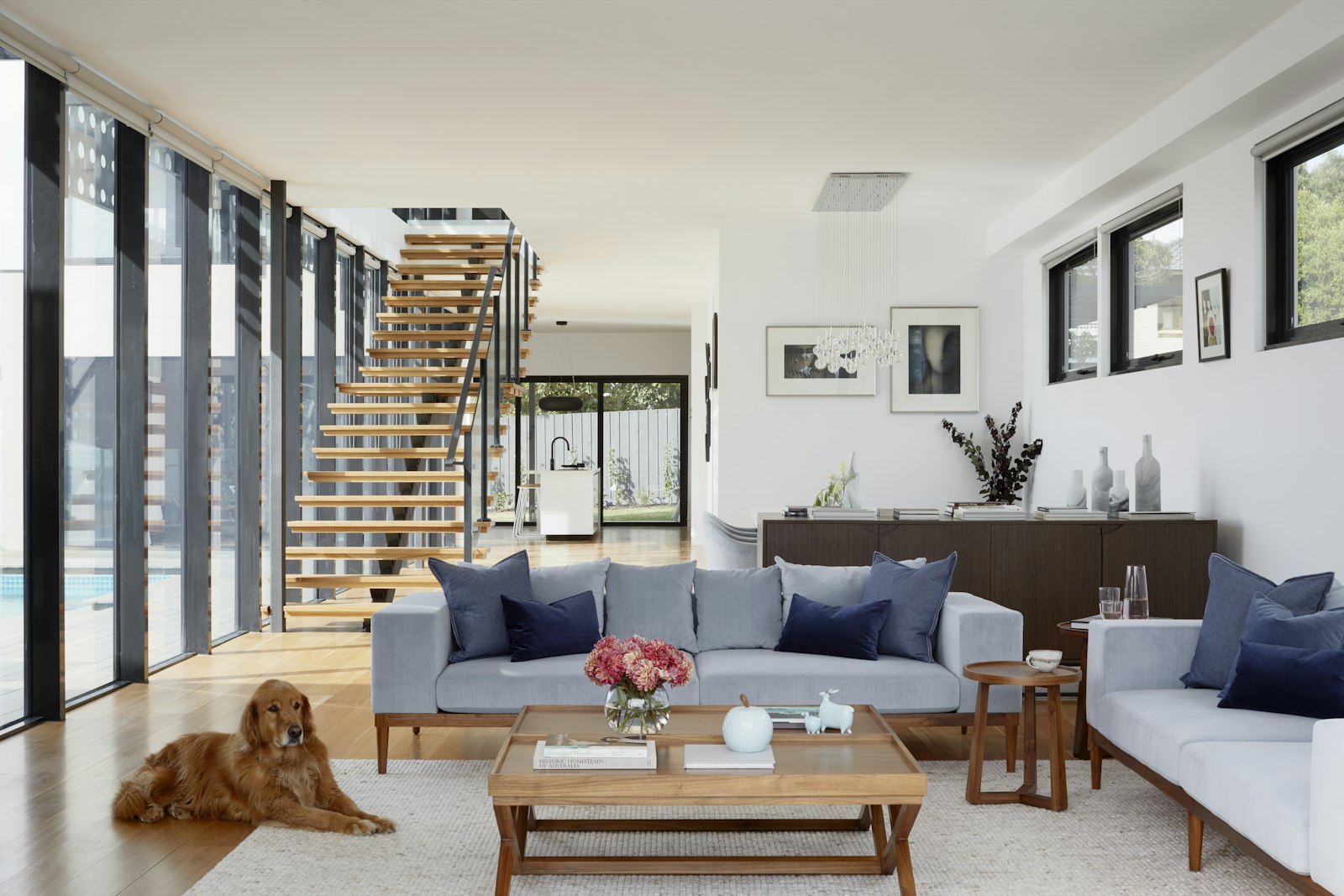
Kitchen + great room (the noise problem zone)
Best primary control: Keypads/switches for lighting scenes
Best secondary control: Voice for music and a few lighting commands (limited scope)
Best automations:
- Occupancy-based lighting after dark with sensible timeouts
- “Cooking” vs “Entertain” scenes (different brightness and task lighting)
- Ventilation and HVAC tie-ins that react to humidity and cooking activity
In open-plan designs, voice microphones compete with music, conversations, appliances, and range hoods. Physical scenes win here because they are instant and obvious.
Primary suite and bathrooms
Best primary control: Bedside keypad/switch for goodnight, shades, and temperature
Best secondary control: App for scheduling and personalization
Best automations:
- Night pathway lighting for bathrooms with low brightness
- Humidity-based exhaust fan control
- Morning shade routines aligned with weekday/weekend patterns
A bedside “Goodnight” button is one of the highest satisfaction features in luxury homes when it is designed properly (lights, security state, temperature setbacks, and shades).
Outdoor living, pool, and waterfront areas
Best primary control: Physical controls for lighting zones and critical equipment
Best secondary control: App for pool/spa settings and remote monitoring
Best automations:
- Sunset landscape lighting and dock lighting
- Party mode that sets exterior lighting and music zones
- Safety lighting on motion after dark (pathways, steps, seawall areas)
- Storm-prep routine that shuts down or secures non-essential systems
Outdoor zones are where South Florida homes shine, and also where environmental factors punish cheap hardware and weak planning. This is a zone where labeled controls and clear favorites in the app matter.

Security and safety: where voice control should NOT be your main interface
Security should prioritize reliability, audit logs, role-based access, and safe defaults.
Best practice in 2026
- Use physical + app as the primary interfaces.
- Use voice only as optional, with confirmations, or disable it entirely for security actions.
Critical automations to design deliberately
- Leak detection with shutoff and staged alerts
- Smoke/CO alerts with clear escalation
- Perimeter lighting on intrusion events
- Safe egress lighting (hallways and stairwells) during alarms
For high-value properties, owner’s representation benefits from documented system behaviors and access policies. It is not just about convenience. It is risk mitigation over the life of the home.
A realistic “done right” implementation plan (custom build or major renovation)
Most smart home regret comes from rushing decisions late in the project. A better approach is phased and deliberate.
Phase 1: Design
- Define lifestyle scenarios (weekday mornings, entertaining, travel, staff routines)
- Build a device schedule (by zone and category)
- Decide on control layers (physical, automation, voice, app)
- Create a network and rack plan
- Assign responsibilities across trades
Phase 2: Prewire
- Low-voltage runs for access points, cameras, keypads, and AV
- Shade power planning
- Rack location and ventilation
- Conduit for futureproofing
Phase 3: Trim + commissioning
- Label everything
- Test automations at real times of day
- Tune sensors (motion, lux, humidity) so they behave naturally
- Set up user roles (owners, guests, staff)
- Validate offline behavior for critical functions
In the prewire phase, it’s crucial to consider aspects like low-voltage runs for devices such as access points and cameras.
Phase 4: Handoff
- Homeowner and staff training
- A simple cheat sheet for scenes and controls
- Maintenance plan and remote support agreement
Kass Construction & Development’s model supports this approach well because high-end renovations, permitting project management, and architecture partnerships make it easier to plan technology early and reduce expensive change orders later.
What Kass Construction & Development recommends for South Florida luxury homes in 2026 (practical standard)
This is guidance, not a sales pitch: the best smart homes are “boringly reliable.”
A practical 2026 baseline spec for luxury homes typically looks like:
- Automation-first scenes designed around daily routines
- Physical keypads in main zones and transition points (entries, kitchen/great room, primary suite, outdoor hubs)
- Voice for convenience, limited to low-stakes commands and a small set of universal scenes
- One consolidated app for daily use, plus role-based access for guests and staff
- Locally resilient network and power so core functions keep working during internet outages
The execution matters as much as the devices: coordination between architect, electrician, and integrator, plus documentation that supports future service and upgrades.
The outcome should feel like luxury because it is effortless. Systems work even when the internet is down or a guest has no idea what brand anything is.
Wrap-up: the 2026 best control stack (simple takeaway)
If you want smart home control that actually works in 2026:
- Build on automations + physical controls
- Add voice as convenience
- Use apps for deep control and remote access
Success is determined more by planning, network design, wiring, and commissioning than by the newest gadget.
If you are building or renovating in Broward, Palm Beach, or Miami-Dade, the best next step is to audit your current setup or, ideally, plan control layers early during design and prewire, when changes are cheap and clean.
FAQs (Frequently Asked Questions)
Why do smart home control systems often disappoint users in luxury homes?
Smart home disappointment usually stems not from faulty devices but from control methods that don’t align with real-life usage. Systems might work perfectly for the person who set them up but frustrate others like spouses, kids, guests, staff, or property managers due to complexity or lack of intuitive controls.
What improvements have been made in smart home technology by 2026?
By 2026, smart homes have seen meaningful advancements including faster local processing that reduces lag and supports offline functionality, better device interoperability across categories like lighting and locks, more reliable presence detection combining multiple sensors, and smarter automation logic that manages context and safety with less manual effort.
What challenges still persist in smart home control systems as of 2026?
Key pain points remain such as flaky voice recognition in open-plan or noisy spaces, overly complicated apps with multiple logins and inconsistent interfaces, cloud outages impacting critical features, and Wi-Fi congestion especially in large properties with many connected devices.
How are luxury homes in South Florida uniquely affected when implementing smart home systems?
Luxury homes in Broward, Palm Beach, and Miami-Dade face unique challenges due to large footprints with multiple zones or buildings, outdoor features like pools and docks exposed to salt air and humidity, as well as storm readiness requirements. These factors demand robust infrastructure planning to ensure reliable smart home performance.
What is the recommended approach to designing a reliable smart home control system?
High-performing smart homes use a layered control model combining physical controls (keypads/switches) for instant access, voice commands for convenience, and app interfaces for deep control and remote access. This layered approach ensures reliability even if one method fails or is inconvenient at times.
Why is infrastructure planning critical to achieving luxury-level smart home experiences?
Well-planned infrastructure supports advanced technology by providing fast local processing, stable networks to avoid Wi-Fi congestion, resilient device interoperability, and environmental considerations especially important in coastal South Florida. This foundation determines whether smart home automation truly feels seamless and luxurious rather than complicated.