Luxury smart homes can feel timeless on day one, then dated surprisingly fast.
It usually happens for one of three reasons: the system is closed (you are trapped in one vendor’s ecosystem), the infrastructure was undersized (no wiring, no conduit, no rack space), or the plan was pieced together late (after drywall, after millwork, after the “last” change order).
In Florida, that risk compounds. Heat, humidity, salt air, storms, and the reality of power and internet interruptions all put extra pressure on technology. If you are building or renovating a high-end home in Broward, Palm Beach, or Miami-Dade, “future-proofing” is not just a buzzword. It is the difference between a smart home that stays valuable and one that becomes a constant project.
Why “future-proofing” matters more in Florida smart homes
A smart home is only as good as its ability to evolve. Devices change every year. Standards shift. Apps come and go. The goal is not to predict the future perfectly. The goal is to make sure your home can accept upgrades without opening walls, replacing whole subsystems, or compromising the finished design.
Florida introduces specific accelerants of obsolescence:
- Salt air and coastal exposure can corrode exterior hardware, camera mounts, fasteners, and connectors if they are not properly specified.
- Humidity and heat stress electronics, especially when equipment ends up in an unconditioned closet or an attic.
- Storms and outages make cloud-dependent systems fragile if you do not plan for backup power and local control.
- Reliability expectations are higher in luxury homes. When lighting scenes, gates, and security are part of daily living, “reboot the router” is not an acceptable lifestyle.
In practice, a future-proof smart home means:
- Adaptable infrastructure (wiring and pathways).
- Upgrade-ready panels, racks, and power.
- Open standards and interoperability – this is where digital sovereignty comes into play with open-source solutions providing flexibility.
- Resilient network and power strategy.
- Serviceability, documentation, and clean handoff.
This is also why future-proofing is easiest during new construction or a major renovation, when a builder and GC can coordinate every trade before walls close and finishes go in. For those looking into luxury home architecture design in South Florida, understanding these aspects of future-proofing becomes even more crucial.
Moreover, considering the potential cybersecurity risks associated with smart home technologies outlined in the National Cybersecurity Strategy 2023, it’s essential to incorporate robust security measures into your home’s design as part of the future-proofing process.
Start with the foundation: infrastructure that won’t need a redo
If you want technology to be upgradeable, start by treating low-voltage like a core building system, not an afterthought.
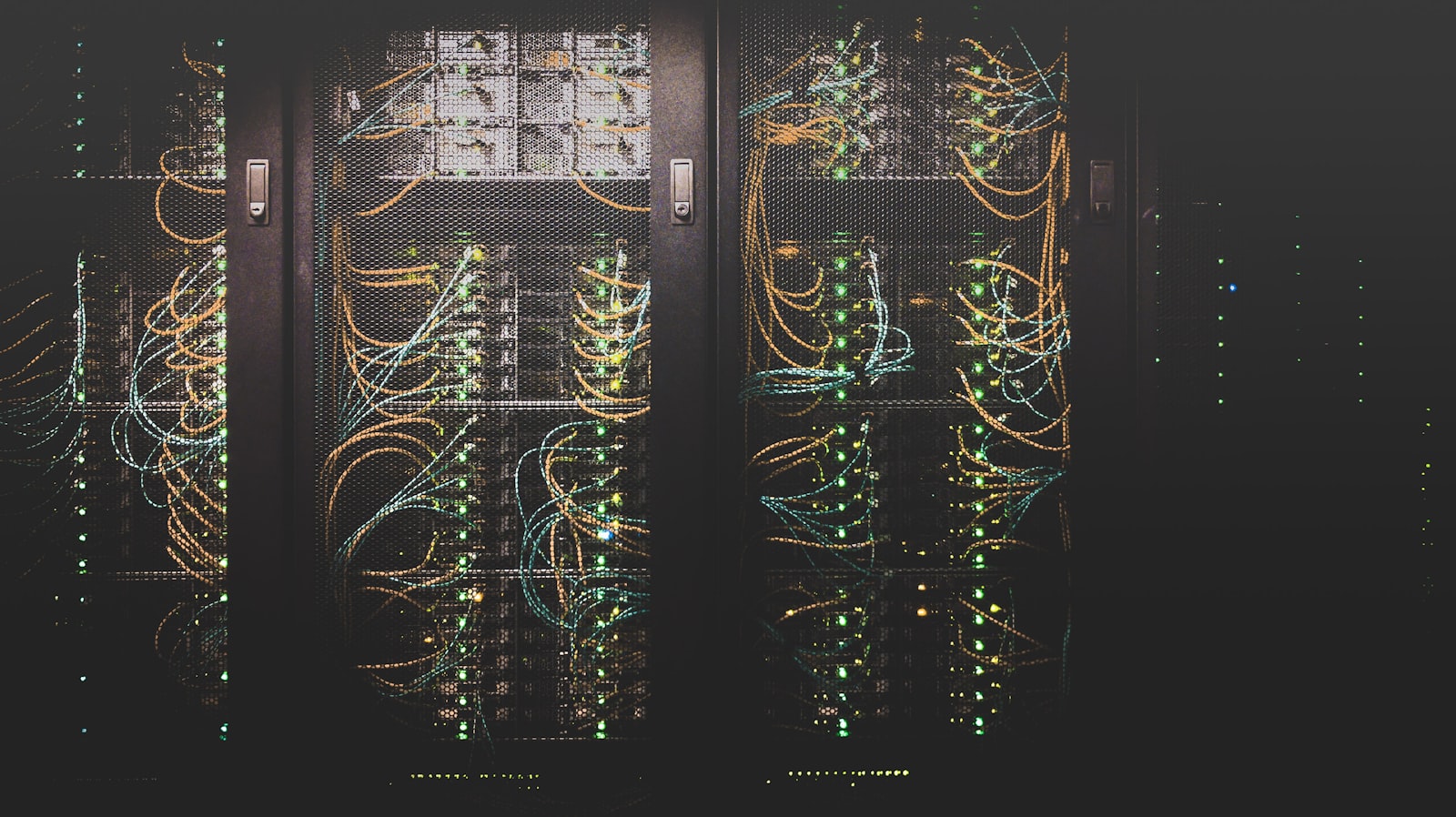
Prioritize structured low-voltage wiring (and generous conduit)
A Florida luxury home typically benefits from:
- Cat6A (or better) to key locations: TVs, offices, access points, touch panels, gate/intercom, and camera locations.
- Fiber pathways where appropriate, especially for long runs, detached structures, or bandwidth-heavy future needs.
- RG6 coax where relevant, such as specific AV distribution strategies or backup options.
- Conduit to strategic endpoints, including TV walls, ceiling locations, low-voltage racks, entry points, and exterior zones.
Conduit is the real future-proofing tool. It is your insurance policy when the “next” cable becomes necessary later.
Build a centralized equipment strategy
Plan a dedicated low-voltage closet or AV rack location with:
- Ventilation and, in many cases, active cooling.
- Service clearance and access (you should be able to reach everything without dismantling millwork).
- Labeled home runs and clean cable management.
- Physical room for expansion, not just a rack that is full on move-in day.
Plan power like you mean it
Smart homes fail in small ways when electrical is value-engineered. Future-proofing typically includes:
- More circuits than the minimum to prevent nuisance trips and overloaded multi-use circuits.
- Whole-home surge protection at the panel, plus point-of-use protection where needed.
- Conditioned or isolated circuits for sensitive network and AV gear (as appropriate for the design).
- Strategic outlet placement behind TVs, at window zones for shades, at structured wiring locations, and in soffits where equipment may live.
Make it maintainable (documentation is part of the build)
A proper handoff package should include:
- As-built plans for low-voltage.
- A simple network map.
- Rack layout and device list.
- Labeling standards for runs and terminations.
- Access panels where required so service does not become demolition.
Permitting and coordination in South Florida
Electrical and low-voltage scopes should be aligned early with local requirements and inspection realities in Broward, Palm Beach, and Miami-Dade. The fastest way to create schedule delays is to let trades overlap or leave gaps in responsibility.
Choose systems that age well: open ecosystems over locked-in platforms
A common mistake in luxury projects is choosing an “all-in-one” platform that feels sleek today but becomes restrictive later.
The risk of vendor lock-in
Be cautious of:
- Proprietary hubs that only speak to one ecosystem.
- Cloud-only dependencies where basic functions degrade without internet.
- Systems that require replacing everything to upgrade one component.
If your lighting, shades, security, and audio are inseparable from one closed platform, you do not own a smart home. You own a subscription to a specific way of living.
Interoperability first
Prioritize products that support widely adopted standards and can integrate through common control layers. In today’s market, that often includes:
- Matter for cross-ecosystem compatibility.
- Thread for modern low-power mesh networking.
- Zigbee and Z-Wave where proven reliability and device breadth matter.
- Wi‑Fi and Ethernet for bandwidth-heavy devices and stable backbone connectivity.
Separate “control” from “devices”
A future-proof approach keeps components swappable:
- Choose lighting, shades, HVAC, and security hardware that can be controlled by more than one interface.
- Avoid designs where the control app is the only way to operate essential functions.
- Think in layers: devices, local automation, then user interfaces.
Modular upgrades beat rebuilds
Plan the home so you can:
- Add rooms or zones later.
- Upgrade cameras without rewiring.
- Expand distributed audio without redoing ceilings.
Balance DIY-friendly and luxury-grade
In many luxury Florida homes:
- High-end, hardwired systems make sense for lighting control, shades, and audio distribution because reliability, finish integration, and resale perception matter.
- Flexible devices can work well for sensors and voice control, provided the network and power are designed correctly.
Florida priorities: resilience for storms, humidity, and coastal conditions
Florida smart homes should be designed like critical infrastructure, especially on the water.
Storm-readiness and power interruptions
Consider:
- Generator readiness and proper transfer strategy.
- Battery backup (UPS) for modem, router, switches, and security core.
- Smart load management for critical circuits (refrigeration, select lighting scenes, network, gate, security).
The goal is not that everything runs forever. The goal is that the home stays secure, connected, and usable through interruptions.
Internet continuity
Remote monitoring is only as good as the connection. Many owners now plan for:
- Dual-WAN capability (fiber or cable plus 5G failover).
- Clean handoff so security and monitoring remain accessible during outages.
Humidity and heat management
Avoid putting racks and sensitive gear in attic-adjacent spaces. Plan for:
- Conditioned equipment locations.
- Proper ventilation and active cooling where needed.
- Rated enclosures for specific applications.
Coastal corrosion and exterior durability
For exterior tech, specify for the environment:
- Outdoor-rated cameras and access devices.
- Stainless or appropriate fasteners and mounts.
- Sealed conduit penetrations and clean waterproofing details.
- Protected placements that reduce direct exposure without sacrificing coverage.
Waterfront estate considerations
Waterfront properties often need additional planning for:
- Gate and entry controls integrated with camera coverage.
- Dock lighting and surveillance.
- Perimeter coverage and strong surge strategy, including lightning considerations common to coastal South Florida.
Make the network “enterprise-grade”: the backbone of every smart feature
If there is one place not to cut corners, it is the network. Most “smart home problems” are really Wi‑Fi and switching problems.
Why Wi‑Fi becomes the #1 failure point
Luxury homes push networks hard:
- Dozens of devices, from TVs to cameras to smart shades.
- Outdoor living areas that demand coverage at the pool, patio, and dock.
- Consumer routers that were never designed for this scale.
A better design approach
Plan for:
- Wired-first connectivity wherever possible.
- Ceiling-mounted access points for consistent, architecture-friendly coverage.
- Proper switch capacity and PoE planning for cameras, APs, touch panels, and intercoms.
Segment the network
Network segmentation improves security and stability:
- Separate VLANs or networks for IoT devices, guests, and private devices.
- Reduced risk from vulnerable endpoints.
- Better performance under load.
Cover indoor and outdoor zones intentionally
Do not guess. Map it:
- Interior floors and high-use rooms.
- Backyard, pool, and outdoor kitchen.
- Patio, dock, and gate areas for waterfront homes.
Serviceability and monitoring
A future-proof network includes:
- UPS-backed modem, router, and switching.
- Remote management for troubleshooting.
- Proactive monitoring so issues are caught before they become day-to-day disruptions.
Lighting, shades, and HVAC: invest where long-term value is highest
Some categories deliver outsized long-term value in Florida because they affect comfort, reliability, and resale.
Lighting control: hardwired wins in luxury homes
Bulb-based smart lighting is fine in small projects, but many luxury homes benefit from hardwired lighting control:
- More reliable scenes and dimming.
- Cleaner wall aesthetics (keypads instead of multi-gang switches).
- Better long-term serviceability.
- Stronger resale appeal because it feels like part of the home, not gadgets.
Shades: comfort, UV protection, and heat management
- Reduce solar gain and improve HVAC efficiency.
- Protect art, flooring, and fabrics from UV exposure.
- Improve privacy without compromising views.
Plan wiring or power at windows early so you are not forced into retrofit compromises.
HVAC: thermostats are only the start
In large Florida homes, comfort is about humidity control and zoning as much as temperature:
- Integrate thermostats with zoning and dehumidification strategy.
- Use sensors where appropriate to address hot spots and high-humidity areas.
- Plan automation that supports comfort without constantly “fighting” occupants.
Energy-conscious automation that feels natural
The best automation is almost invisible:
- Schedule-based lighting and shade presets.
- Occupancy-based adjustments in secondary spaces.
- Load reduction strategies that do not feel like the home is making decisions for you.
Integration tip
Choose lighting, shades, and HVAC solutions that can integrate with multiple control platforms, not only one app.
Security and access: design for privacy, reliability, and modern expectations
Security in South Florida luxury homes is both a lifestyle feature and a resilience requirement.
A layered security approach
A strong design typically includes:
- Perimeter protection: gates, doors, glass break, and window contacts as appropriate.
- Surveillance coverage with planned sightlines.
- Automation tie-ins: entry lighting scenes, alert-based lighting, and “away” modes.
Local-first matters during outages
During storms, internet can be unreliable. Prioritize systems that keep core functions locally:
- Alarms that still arm and alert locally.
- Cameras that still record to a local NVR.
- Access systems that still function when cloud services are unavailable.
Camera planning and PoE wiring
Do this like an engineering exercise:
- Coverage map before rough-in.
- PoE wiring to each camera location.
- Proper NVR location (cooled, protected, serviceable).
- Privacy-conscious placement that respects neighbors and guest areas.
Access control and lifestyle fit
Modern expectations often include:
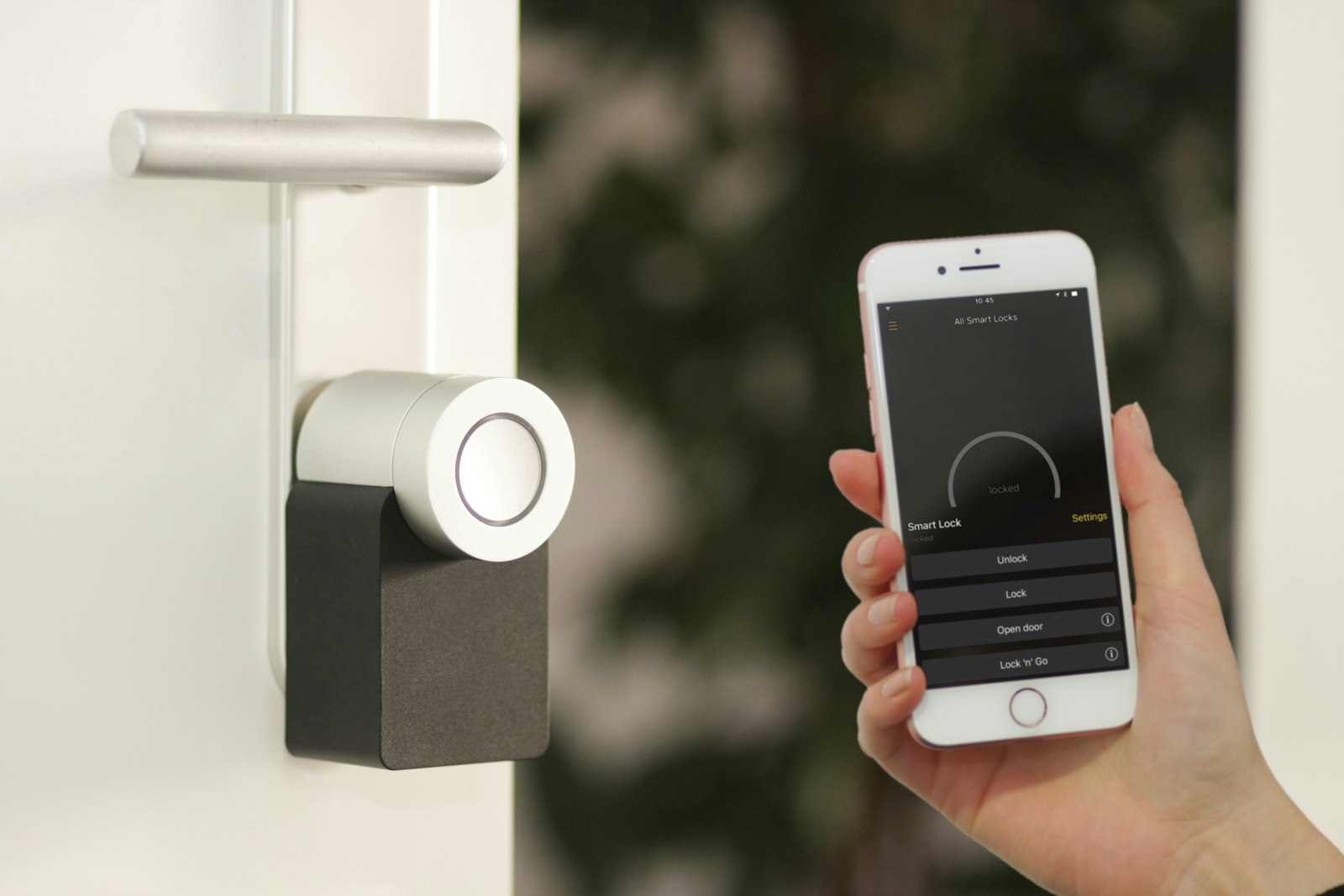
- Smart locks with reliable manual override.
- Gate operators tied to video intercom.
- Delivery and guest management that matches the property’s layout.
- Integration with the way owners actually arrive, host, and travel.
Cybersecurity basics
Plan for:
- Strong credential management.
- Network segmentation.
- A clear approach to firmware updates over time.
Plan upgrades like a roadmap (not random add-ons)
Future-proofing is also a budgeting strategy. Spend where it is painful to change later, and keep device choices flexible.
A simple phased plan
- Phase 1: infrastructure, network, essential lighting, shades prewire, core security.
- Phase 2: distributed audio, advanced automation, expanded outdoor coverage.
- Phase 3: EV charging, solar readiness, energy monitoring, and next-gen device upgrades.
Budgeting strategy that holds up
- Spend more on what is hidden: wiring, conduit, racks, power, and network.
- Avoid overcommitting to trendy endpoints that may be replaced in two years.
Future expansion points
Consider empty conduit runs:
- To attic or roof for future solar.
- To garage for EV charging and energy systems.
- To exterior zones for future cameras and landscape audio.
Documentation and handoff
Make sure the homeowner receives:
- System diagrams and network credentials handoff process.
- Warranty information and vendor contacts.
- Clear upgrade paths.
Resale and appraisal in South Florida luxury markets
Reliable, integrated basics typically add more perceived value than novelty. This aligns with the current trends in South Florida luxury real estate, where features like:
- Lighting control that works every time.
- Shading that protects interiors and improves comfort.
- Security and access that feel modern and robust.
- A network that supports the home without constant service calls.
are highly valued.
New build vs renovation in South Florida: what changes in the approach
New construction advantages
New builds allow:
- Full wiring access and ideal conduit pathways.
- Optimal rack placement and cooling.
- Clean integration with architecture, lighting design, and interior elevations.
High-end renovations: minimize disruption and protect finishes
Renovations require a strategy to avoid damaging luxury materials:
- Use existing chases where possible.
- Plan selective wall openings, then close cleanly.
- Prioritize zones with the biggest payoff (network, lighting control backbone, critical security).
- Sequence trades so technology rough-in happens before specialty ceilings, stone, and millwork are finalized.
Permitting and trade coordination
Align MEP updates with technology scopes to avoid:
- Rework after inspection.
- Missed rough-in windows.
- Conflicts between electrical and low-voltage responsibilities.
When to bring in specialists
Most successful luxury projects bring in, early:
- A low-voltage integrator.
- A lighting designer and lighting controls specialist.
- A security vendor for coverage planning and access control.
The key is coordination under one plan so the project does not become a patchwork of subcontractor preferences.
How Kass Construction & Development helps future-proof smart home builds
Kass Construction & Development is a boutique, state-licensed luxury custom home builder based in Fort Lauderdale, serving Broward, Palm Beach, and Miami-Dade. The firm specializes in architect-driven custom homes, waterfront estates, and high-end renovations where precision, sequencing, and long-term value matter. You can learn more about their expertise in luxury custom home building, waterfront and coastal home construction as well as luxury home renovations and remodeling.
Future-proofing works best when it is managed as part of the build, not bolted on at the end. Kass supports that through integrated execution:
- Coordination with architects and design partners so technology aligns with elevations, lighting plans, and finish details.
- Licensed general contracting and project management that keeps low-voltage, electrical, and mechanical scopes coordinated.
- Clear documentation, defined scopes, and planning discipline that reduce the risk of expensive rework.
- An owner’s representation mindset that advocates for the homeowner when selecting and sequencing technology trades, with a focus on upgrade-ready infrastructure rather than short-term cost cutting.
Practical next step: plan your smart home technology during design development, before walls close. This is especially important for waterfront estates where access must be considered from the start. If you are building or transforming a luxury home in South Florida, Kass Construction & Development can help you make technology decisions that stay valuable, serviceable, and upgrade-ready for years to come.
FAQs (Frequently Asked Questions)
Why do luxury smart homes in Florida become outdated quickly?
Luxury smart homes in Florida often become outdated quickly due to closed systems that trap homeowners in one vendor’s ecosystem, undersized infrastructure lacking proper wiring and conduit, and late planning after critical construction phases. Additionally, Florida’s heat, humidity, salt air, storms, and frequent power or internet interruptions accelerate technology obsolescence.
What does ‘future-proofing’ mean for smart homes in South Florida?
‘Future-proofing’ a smart home means designing it to easily accept technology upgrades without major renovations or compromising aesthetics. In South Florida, this involves adaptable infrastructure, upgrade-ready panels and power supplies, open standards for interoperability, resilient network and power strategies, and thorough documentation to ensure the home remains valuable and functional over time despite environmental challenges.
How does Florida’s climate impact smart home technology?
Florida’s climate introduces unique challenges such as salt air causing corrosion of exterior hardware and connectors, high humidity and heat stressing electronics especially in unconditioned spaces like attics or closets, and frequent storms causing power outages that affect cloud-dependent systems. These factors necessitate careful material selection, equipment placement, backup power solutions, and robust network design.
What infrastructure considerations are essential for future-proofing a luxury smart home?
Key infrastructure elements include structured low-voltage wiring with Cat6A or better cables to key locations like TVs and access points; fiber pathways for long runs or heavy bandwidth needs; RG6 coax where relevant; generous conduit to strategic endpoints; a centralized equipment closet with ventilation and space for expansion; ample electrical circuits with surge protection; conditioned circuits for sensitive gear; strategic outlet placement; and comprehensive documentation including as-built plans and network maps.
Why is early coordination important during construction or renovation of smart homes in Broward, Palm Beach, or Miami-Dade?
Early coordination among builders, general contractors, electricians, low-voltage specialists, and inspectors ensures that all trades align with local permitting requirements and inspection realities. This prevents schedule delays caused by overlapping scopes or gaps in responsibility. Coordinating before walls close allows optimal placement of wiring, conduit, racks, and outlets necessary for a future-proof smart home.
What role do open ecosystems play in selecting smart home systems?
Choosing open ecosystems over locked-in vendor solutions enhances flexibility and longevity of smart home technology. Open standards promote interoperability among devices from different manufacturers and support digital sovereignty through open-source solutions. This approach avoids vendor lock-in traps that can make upgrades costly or impossible without replacing entire subsystems.