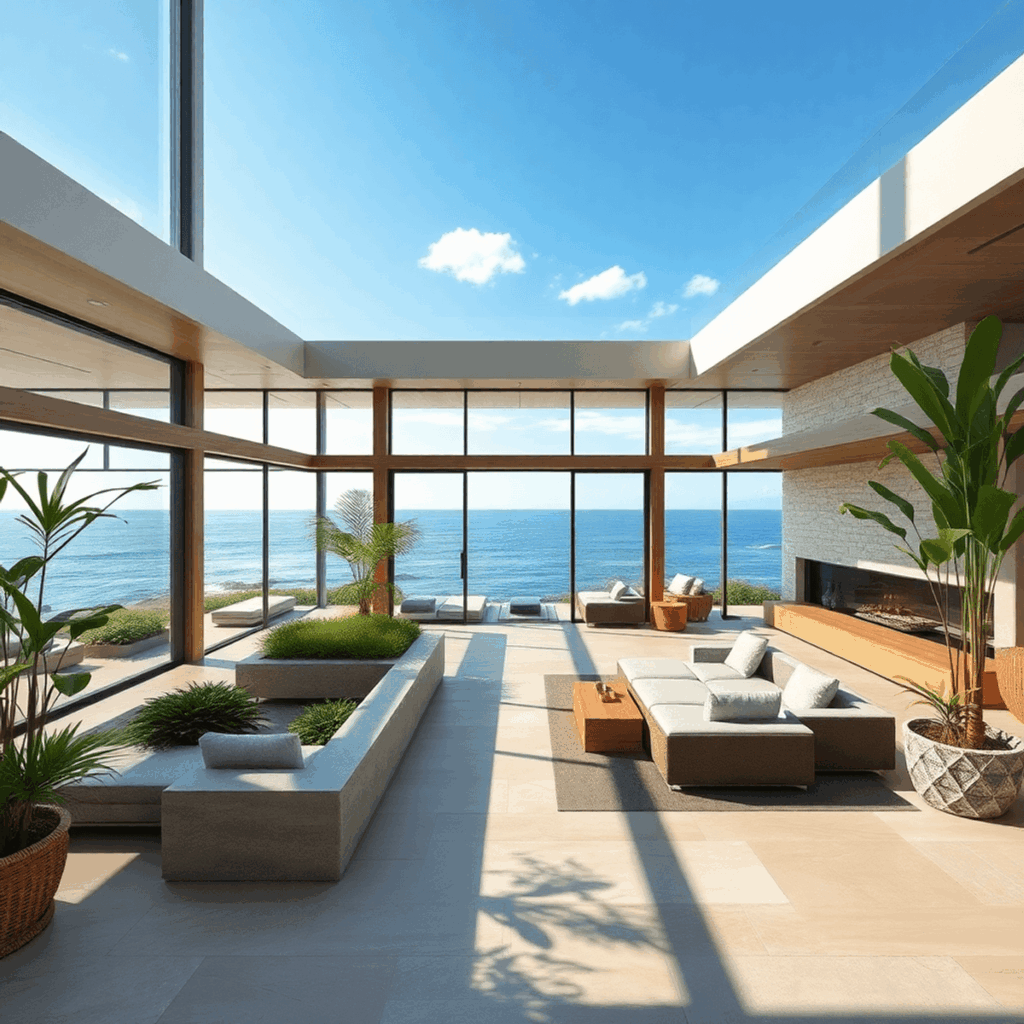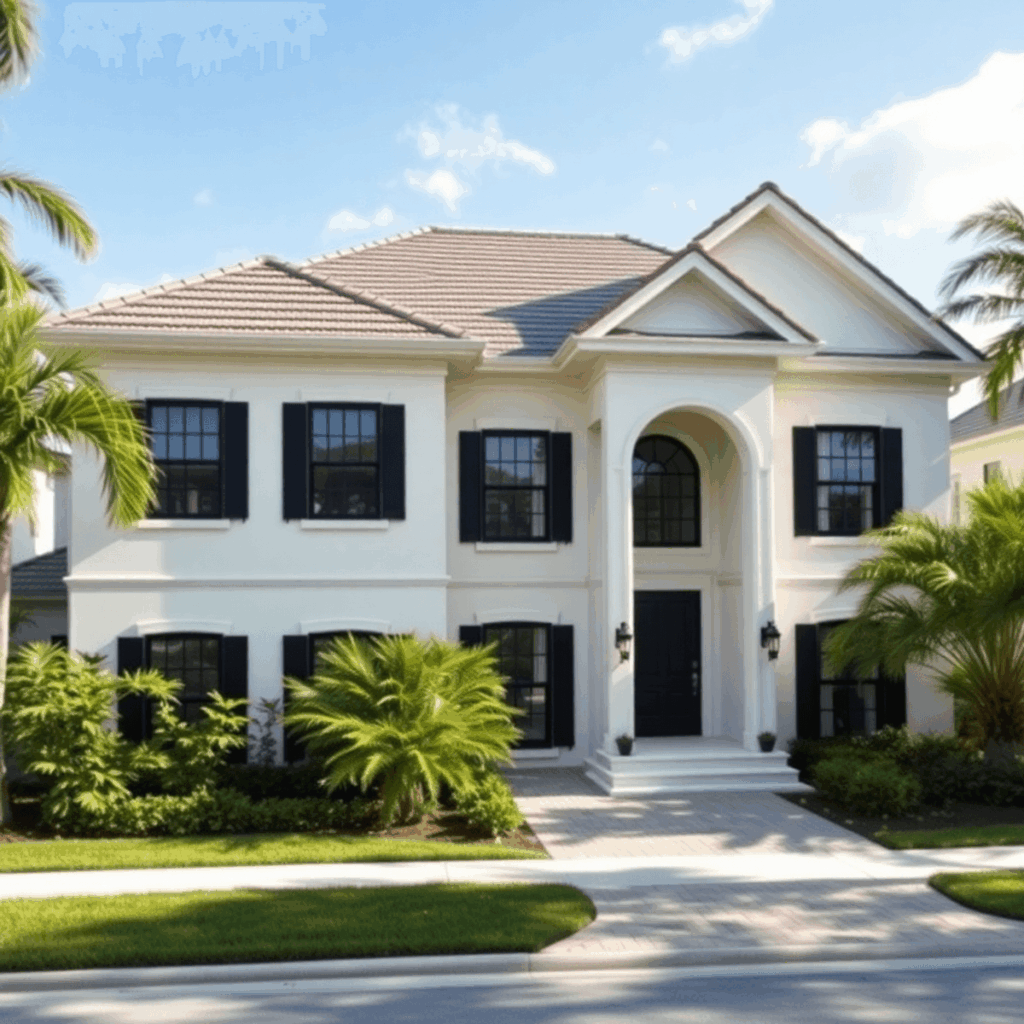
In South Florida, “luxury” transcends the typical markers of marble, glass walls, and seamless indoor-outdoor living. It embodies how a home feels on the hottest August afternoon, its resilience against salt air year after year, and its performance when weather conditions become severe.
However, modern buyers often seek three key aspects simultaneously:
- Luxury expectations: comfort, tranquility, clean lines, and premium finishes.
- Sustainability goals: efficiency, health, low operating costs, and smarter resource use.
- Hurricane resilience: code compliance and durability that surpasses standard requirements, particularly against wind, water, and power outages.
These objectives are interconnected but can conflict if treated as separate “features” rather than an integrated system.
The unique environment of South Florida necessitates this integration. Daily tests from heat and humidity challenge HVAC systems and building envelopes. Salt air speeds up corrosion. The intense sun damages glazing and finishes. Flood risks influence site design. High wind events strain structural detailing, roof systems, and openings to their limits.
This article serves as a practical guide to design choices that minimize trade-offs, along with a process for aligning the architect, builder, and owner early on to ensure the final result is both refined in appearance and robust under pressure.
Kass Construction & Development, a boutique architect-driven luxury custom home builder based in Fort Lauderdale, operates within this reality every day. Serving Broward, Palm Beach, and Miami-Dade counties, the core value of their model is integrated execution: minimizing gaps between design intent and jobsite decisions while reducing risks concealed behind appealing renderings.
For those considering luxury home renovations or remodeling in South Florida, understanding these dynamics is crucial. Similarly, for individuals looking into waterfront or coastal home construction in the region or exploring luxury custom home building options, it’s essential to grasp how local conditions can influence architectural design choices.
Why this “three-way balance” matters in South Florida (and why it’s hard)
Many homes can look luxurious on day one. Fewer can still feel luxurious after a decade of coastal exposure and a few major storm seasons.
The hardest part is that luxury is visible, while performance is often invisible until something goes wrong. Homeowners may fall in love with a minimalist façade and expansive glass, then realize later that the required connectors, drainage planes, wind pressures, and mechanical strategies were never resolved as a cohesive design.
A high-performing luxury home in South Florida should do three things consistently:
- Stay dry through wind-driven rain and long wet seasons.
- Stay comfortable with stable temperature, controlled humidity, and quiet operation.
- Stay durable in a corrosive coastal environment with predictable maintenance.
That only happens when the team sets performance targets early and treats the structure, envelope, and water management as the real “luxury foundation.”
Start with the right baseline: codes, site realities, and performance goals
Before discussing finishes, start with the baseline stack that governs the entire build:
- Florida Building Code (wind, structural, energy, life safety)
- Local amendments (Broward, Palm Beach, Miami-Dade can vary in requirements and review expectations)
- FEMA flood maps and base flood elevation (plus local storm surge considerations)
- Waterfront conditions (corrosion exposure, soil, sea walls, drainage constraints)
- HOA or community standards (architectural review, landscape requirements, height limits)
Luxury projects often go beyond code, especially on exposed sites. That can include:
- Higher design pressure (DP) ratings for openings
- Redundant roof and waterproofing strategies
- Elevated critical systems
- More rigorous envelope detailing and inspection milestones
Then comes the part that gets overlooked: site-first planning.
A good team evaluates:
- Orientation and solar exposure (east and west glazing can be punishing)
- Prevailing winds and wind-driven rain exposure
- Drainage patterns, yard elevations, and how water exits the site
- Soil conditions and settlement risk
- Coastal corrosion risk for metal components
Finally, define measurable targets that guide decisions instead of opinions:
- Energy performance goals (not just “efficient,” but a target range)
- Indoor humidity control targets (comfort and mold risk reduction)
- Resilience goals (for example, maintaining safe indoor temperatures during outages)
- Material longevity expectations in salt air conditions
When these targets are agreed upon early by leveraging insights from experienced professionals like those at Kass Construction, design becomes clearer and value engineering becomes smarter. Additionally, utilizing resources such as those provided by Kass Construction can further enhance the understanding of best practices in achieving this three-way balance.
Architect-driven structure: build a resilient shell without sacrificing clean modern lines
In a true coastal luxury home, the structure and envelope are non-negotiable. Finishes are replaceable. A compromised shell is not.
Key structural strategies commonly used in South Florida high-end residential work include:
- Reinforced concrete and CMU assemblies where appropriate
- A verified continuous load path from roof to foundation
- Robust roof-to-wall connections
- Impact-rated openings and compatible anchoring details
- A secondary water barrier at the roof as a backup line of defense
The design challenge is keeping modern lines clean. That is solvable when structure and architecture are coordinated from the beginning. Connectors can be concealed, high-performance systems can maintain slim sightlines, and overhangs can be designed as architectural features rather than “add-ons.”
Water intrusion prevention is equally design-driven and requires effective moisture management strategies:
- A deliberate flashing strategy (window heads, sills, transitions, parapets)
- Rainscreen concepts where appropriate to manage drying and drainage
- Balcony and terrace waterproofing designed for long-term movement and sun exposure
- Positive drainage detailing that does not rely on perfect caulking
Coordination is the lever here. When the builder, structural engineer, and architect align early, the project avoids late-stage compromises that lead to change orders, visual clutter, or hidden water risks.
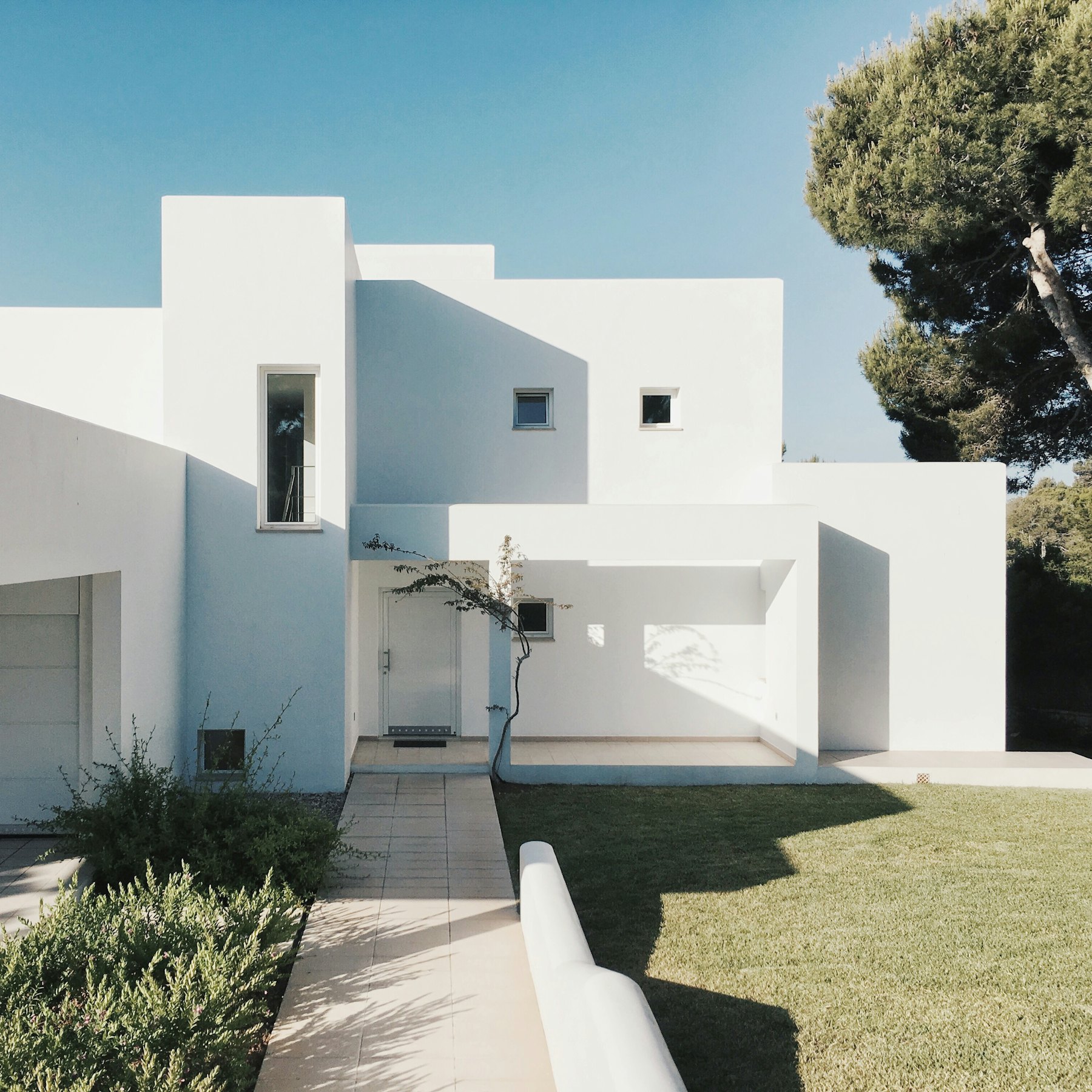
Luxury that performs: windows, doors, and glazing designed for views and wind
Expansive glazing is one of the most common luxury priorities in South Florida, especially on waterfront lots. This trend is part of the broader luxury real estate trends in South Florida, but it can also be one of the biggest resilience mistakes when chosen by marketing claims rather than verified performance.
Choose glazing systems based on:
- Large-missile impact ratings suitable for the site and exposure
- Design pressure (DP) appropriate for wind zone, height, and opening size
- Strong water penetration resistance (especially with wind-driven rain)
- Correct installation methods that match tested assemblies
Comfort and sustainability upgrades can be built into glazing choices without sacrificing aesthetics:
- Low-E and spectrally selective coatings to reduce heat gain
- Acoustic interlayers for quieter interiors
- UV protection for interiors, art, and fabrics
For shading and privacy, skip the assumption that heavy drapery is required. Better options include:
- Exterior louvers integrated into the architecture
- Deep overhangs and recessed openings
- Landscape shading planned with mature canopy in mind
Installation quality is often the differentiator between “luxury” and “leaks.” Buck details, sealants, fastener schedules, and field verification should be treated as core scope, not minor subcontractor preferences.
Energy efficiency and indoor comfort: the sustainability layer buyers actually feel
In South Florida, the most convincing sustainability is not a label. It is the experience of living in the home.
Quiet luxury is comfort:
- Stable temperature
- Low, controlled humidity
- Clean, filtered air
- Minimal noise and vibration
- Even airflow that avoids hot and cold zones
That starts with building science, not oversized equipment.
HVAC strategy for humid climates should include:
- Right-sized systems based on real load calculations
- Variable-speed equipment for longer, steadier run times
- Dedicated dehumidification where needed (especially for high-glass designs)
- Proper returns and balanced airflow across zones
A high-performance envelope supports all of this:
- Insulation strategy appropriate to hot-humid conditions
- Air sealing with attention to transitions and penetrations
- Reducing thermal bridging where it matters
- Attic design decisions made intentionally (sealed vs. vented) with the overall moisture strategy
Indoor air quality is also part of sustainability:
- ERV/HRV considerations based on tightness and ventilation needs
- High-quality filtration
- Low/zero-VOC paints, adhesives, and sealants
- Moisture-resistant assemblies that reduce mold risk
Smart controls should be practical, not excessive. Humidity sensors, zoning, and automated shading often deliver more value than a long list of gadgets that no one maintains.
Material choices that look premium and last in coastal conditions
In coastal construction, durability is sustainability. Every premature replacement adds cost, waste, and disruption.
Exterior material choices should assume:
- Salt exposure
- UV intensity
- Wind-driven rain
- Corrosion risk at fasteners and hidden connectors
Best-practice considerations include:
- Corrosion-resistant fasteners and connectors where appropriate
- High-performance coatings with realistic maintenance cycles
- Composite or naturally durable woods used intentionally
- Concrete and stone selections that handle salt exposure and thermal movement
Roofing deserves special attention:
- Impact resistance
- Attachment methods, not just the shingle or tile selection
- Underlayment quality and detailing at edges, penetrations, and transitions
- Solar readiness planned without compromising roof integrity
Interiors also need a coastal mindset:
- Moisture-tolerant substrates in vulnerable areas
- Engineered flooring options chosen for humidity stability
- Cabinetry finishes designed to tolerate seasonal shifts without warping or delamination
Maintenance planning is part of luxury. A well-run project should deliver a homeowner-friendly “durability playbook” that outlines what to inspect, what to clean, and when to reseal or service key systems.
Water management: the make-or-break system for hurricanes and long-term sustainability
Wind gets attention. Water creates the most expensive, lingering damage.
Water management is not one detail. It is a full system:
- How water moves across the site
- How it drains away from foundations and slabs
- How the building sheds rain
- How terraces, planters, and transitions resist leaks
- How flood risk is handled if the site is exposed
Site drainage and grading should prioritize:
- Positive drainage away from the structure
- Swales and controlled paths for runoff
- Permeable surfaces where appropriate
- Keeping water away from living spaces and critical entries
Where flood resilience applies, consider:
- Elevation strategies aligned with risk and code
- Breakaway details for non-habitable areas where required
- Flood vents where appropriate
- Locating mechanicals and critical electrical above risk levels
Stormwater and sustainability can also work together:
- Cisterns or rainwater harvesting for irrigation
- Smart irrigation controllers
- Native, low-water landscaping that performs in wind
Waterproofing details must protect luxury features, not fight them. Terraces, planters, pool edges, and indoor outdoor transitions should be designed with movement, drainage, and serviceability in mind.
Power continuity and “graceful failure”: keep a luxury home livable after the storm
Resilience is not only about whether the home survives. It is about whether it remains safe, dry, and functional during outages and recovery.
A layered power strategy may include:
- Generator and/or battery storage
- A critical load panel
- Whole-home surge protection
- Protected fuel strategies where relevant and feasible
Passive survivability matters too:
- Shading and glazing choices that reduce heat gain
- Insulation and airtightness that slow temperature rise
- Natural ventilation paths for post-storm conditions when safe
High-end homes also have high-end systems that need prioritization:
- Refrigeration and food preservation
- Security and access control
- Networking and smart home infrastructure
- Wine storage
- Elevator planning and safe shutdown considerations
All of this requires careful coordination with permitting and inspections so that the final integration is code-compliant and dependable.
Designing luxury for the outdoors without creating weak points
Outdoor living is a core part of South Florida luxury: covered lanais, outdoor kitchens, motorized screens, rooftop decks, docks, and waterfront edges.
These features must be engineered for wind and water, not treated as decorative elements.
Key considerations include:
- Structural anchoring for canopies, pergolas, screen enclosures, railings, and glass guards
- Wind pressure design for outdoor components, especially at upper levels
- Marine-grade stainless where appropriate, plus protected storage for cushions and movable items
- Proper shutoff valves, drainage, and service access for outdoor kitchens
Pools and waterfront edges deserve specific detailing:
- Drainage and waterproofing at the pool deck and exterior thresholds
- Slip resistance appropriate for wet traffic zones
- Strategies to reduce splash and wind-driven rain impacts near large openings
Landscape resilience is part of storm planning. Wind-tolerant species reduce damage, and storage solutions help prevent furniture and décor from becoming projectiles.
Process is the multiplier: how to align architect, builder, and owner so nothing gets compromised
High-end outcomes come from process, not product. Early decisions lock in performance and budget, determining whether the project runs cleanly or becomes a series of expensive pivots.
A strong preconstruction roadmap typically includes:
- A performance brief (comfort, resilience, sustainability targets)
- Schematic risk review (wind, water, corrosion, constructability)
- Material mockups where visual consistency matters
- Constructability checks before documents are “final”
- Long-lead procurement planning (often critical for premium windows, doors, and specialty finishes)
This is where an integrated builder model can reduce risk. Kass Construction & Development’s approach centers on architect-driven builds, permitting and project management, and owner’s representation with risk mitigation under one roof. Their model is supported by licensed general contractors and real estate and legal expertise.
Transparency matters at this level:
- Clear documentation and scope ownership
- Allowances vs. fixed specifications defined early
- Inspection milestones that verify key assemblies before they are covered
- Third-party testing where relevant (blower door testing, commissioning for mechanical systems)
Value engineering should protect the right things. Preserve the shell first: structure, envelope, waterproofing, openings. Optimize finishes second.
Putting it together: a practical “luxury + sustainable + hurricane-resilient” checklist
If you want a simple hierarchy that reflects real-world performance, use this order:
- Site + water management
- Structure + envelope
- Openings (windows/doors/glazing)
- Mechanical + humidity control + air quality
- Materials and corrosion strategy
- Power continuity
- Outdoor features and anchoring
A homeowner-friendly decision framework:
- If prioritizing resilience first, upgrade roof system detailing, openings performance, and water management before adding aesthetic upgrades.
- If prioritizing comfort and sustainability, focus on humidity control, envelope airtightness, glazing selection, and shading.
- Do not cut corners on flashing, waterproofing transitions, and installation quality. That is where luxury homes quietly fail.
The biggest mindset shift is to treat these elements as integrated systems, not add-ons. This is especially true for waterfront or high-exposure zones where conditions are less forgiving.
If you are planning a luxury custom home or a major transformation in Broward, Palm Beach, or Miami-Dade, Kass Construction & Development’s focus on precision, transparency, and long-term value is built for exactly this three-way balance: homes that look exceptional, live comfortably, and hold up when South Florida tests them. Their expertise in construction permitting and project management in South Florida ensures a seamless process from start to finish.
FAQs (Frequently Asked Questions)
What defines luxury home building in South Florida beyond traditional aesthetics?
In South Florida, luxury home building transcends typical markers like marble and glass walls. It embodies how a home performs in extreme heat, resists salt air corrosion over time, and withstands severe weather conditions such as hurricanes, emphasizing comfort, durability, and resilience.
What are the three key aspects modern buyers seek in South Florida luxury homes?
Modern buyers often look for a three-way balance in luxury homes: 1) Luxury expectations including comfort, tranquility, clean lines, and premium finishes; 2) Sustainability goals focusing on energy efficiency, health, low operating costs, and smart resource use; and 3) Hurricane resilience with code compliance and durability that surpass standard requirements against wind, water intrusion, and power outages.
Why is integrating luxury, sustainability, and hurricane resilience important in South Florida home design?
These objectives are interconnected but can conflict if treated separately. The unique environment of South Florida—with challenges like heat, humidity, salt air corrosion, intense sun exposure, flood risks, and high winds—necessitates an integrated design approach to ensure the home remains comfortable, durable, and efficient over time without compromising aesthetic appeal.
What baseline factors should be considered before designing a luxury home in South Florida?
Designing a luxury home starts with understanding the Florida Building Code (including local amendments), FEMA flood maps and base flood elevations, waterfront conditions such as corrosion exposure and soil stability, HOA or community standards, as well as site-specific factors like solar orientation, prevailing winds, drainage patterns, soil conditions, and coastal corrosion risks.
How can homeowners ensure their luxury homes stay dry, comfortable, and durable in South Florida’s climate?
A high-performing luxury home should consistently stay dry through wind-driven rain and wet seasons; maintain stable indoor temperatures with controlled humidity for comfort; and resist corrosion with predictable maintenance strategies. Achieving this requires setting performance targets early on and treating the structure, building envelope, and water management as foundational elements of luxury.
What role does Kass Construction & Development play in South Florida luxury home building?
Kass Construction & Development is a boutique architect-driven custom home builder based in Fort Lauderdale serving Broward, Palm Beach, and Miami-Dade counties. They specialize in integrated execution that minimizes gaps between design intent and jobsite decisions while reducing hidden risks. Their expertise helps clients navigate local codes, environmental challenges, and achieve a refined yet robust luxury home tailored to South Florida’s unique conditions.