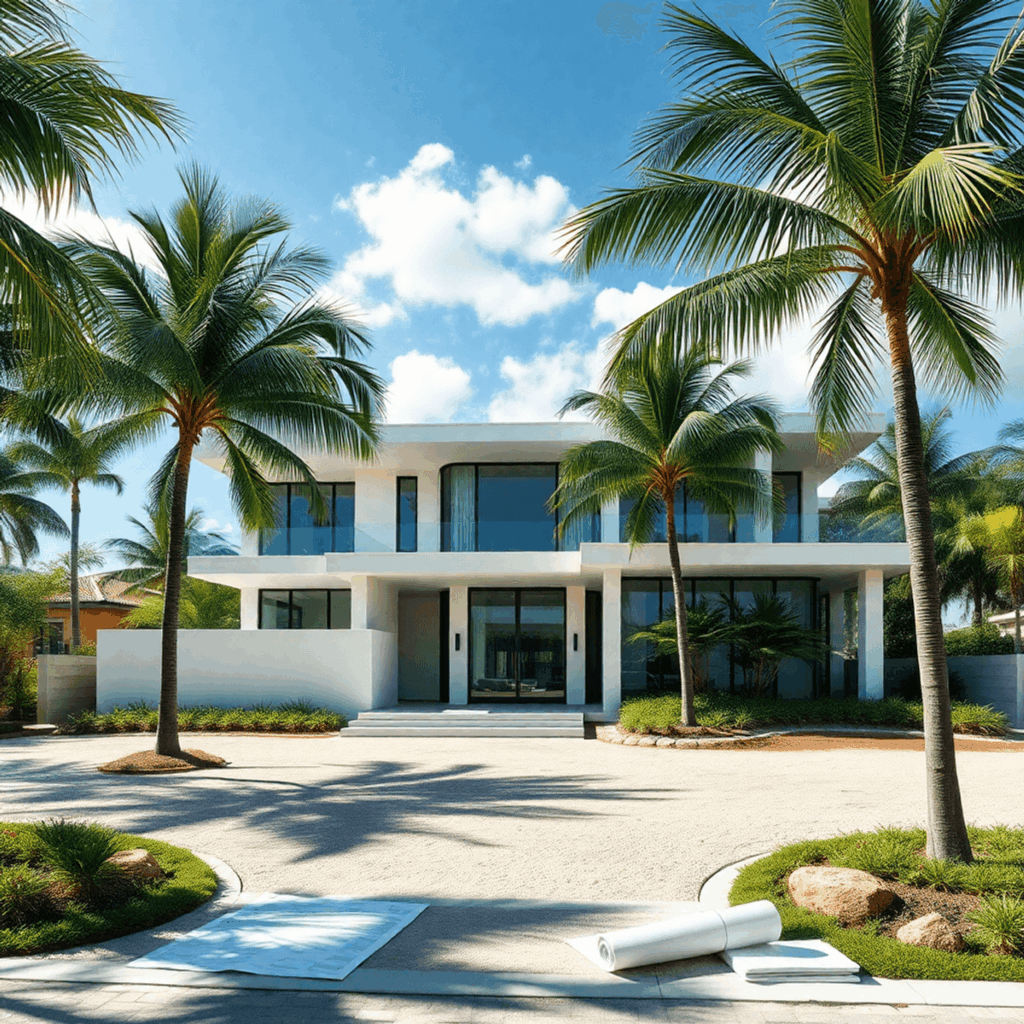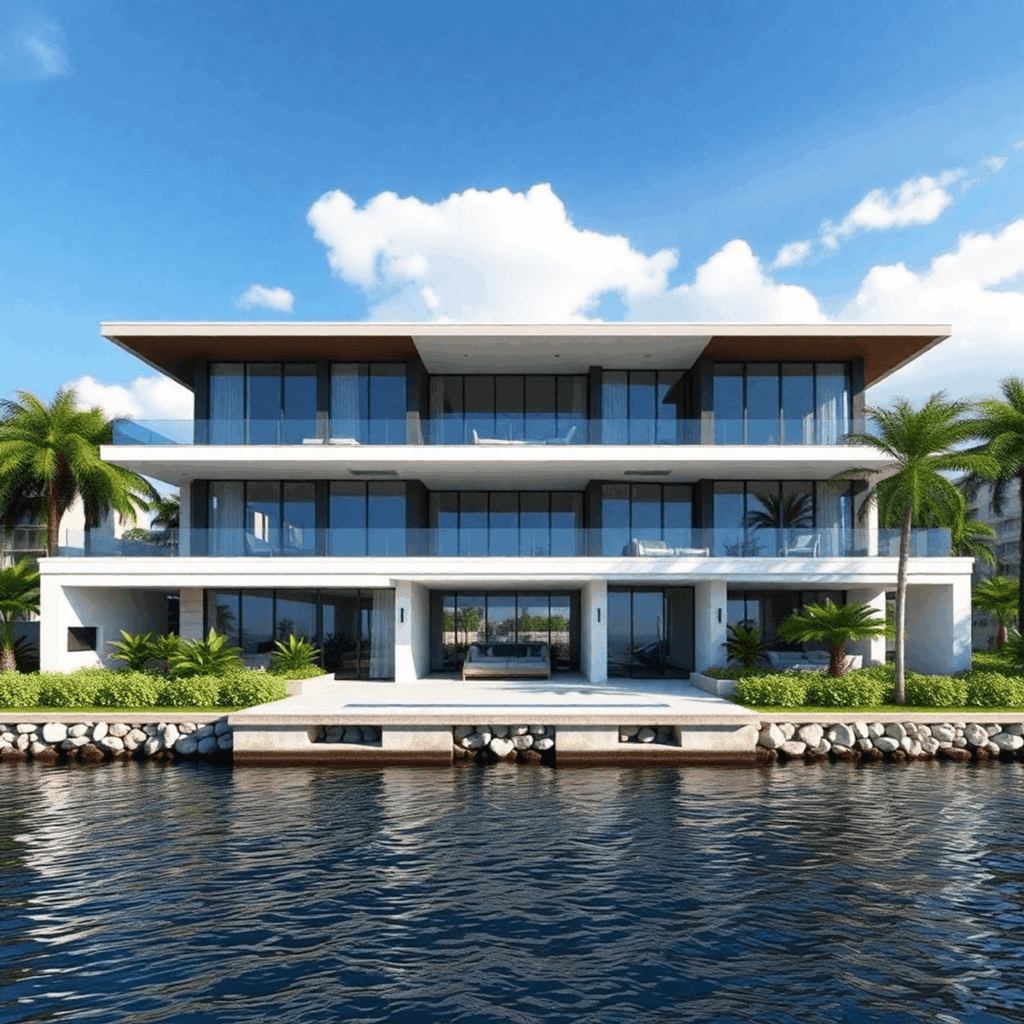
Building a true luxury custom home in South Florida is not just about choosing the right architect or falling in love with a set of renderings. The real outcome is driven by timing and sequencing: land, feasibility, design development, approvals, procurement, and the right trades showing up in the right order.
In 2026–2027, “timing” matters even more because high-end clients are prioritizing schedule confidence, finish quality, and risk control. If you want a calm build with fewer surprises, you need to choose a start window that matches your goals, whether that is a move-in date, a school calendar, a seasonal preference, a waterfront scope, or a financing strategy.
Why “timing” matters more for luxury custom builds in 2026–2027
Luxury custom projects are less forgiving than standard construction because they include more custom assemblies, tighter tolerances, and specialty trades that book out earlier. When timing is off, the consequences are bigger: redesign cycles, re-permitting, rushed selections, downgraded finishes, and schedule drift that ripples through the entire job.
A smart start plan in 2026–2027 does three things:
- Aligns the team early (architect, builder, engineers, designer, and specialty consultants).
- Builds a credible schedule around approvals, long-lead items, and seasonal realities.
- Reduces preventable risk by front-loading feasibility, documentation, and decision-making.
This article shows you how to pick the right start window based on your target move-in date and the complexity of your build.
For those considering luxury custom home building in South Florida or looking into luxury home architecture design, understanding these aspects can significantly influence the outcome of your project. Moreover, if you’re contemplating luxury home renovations or remodeling, timing and planning become even more crucial to ensure a smooth process.
What “start” actually means: pick the right starting line
Most homeowners say “we want to start in 2026,” but that can mean four different things, and each one changes your move-in date and cost exposure.
1) Starting design
You are selecting the architect, defining scope, and moving through schematic design into design development. This is often the best moment to “start” if you care about control and fewer surprises.
2) Starting permitting
Your plans are far enough along to submit to the municipality (and often HOA/DRB first). This is a meaningful start, but it is not the beginning of the project. If feasibility or engineering is incomplete, permitting can stall.
3) Breaking ground
Sitework begins. It feels like the start, but by the time you break ground, most of the schedule and budget decisions have already been made.
4) Signing a construction agreement
A contract can be signed early (for preconstruction) or later (for construction). The timing of this signature affects your ability to lock pricing, reserve trades, and order long-lead items.
The practical recommendation: pick a target move-in date first, then build a reverse timeline that identifies when each phase must begin.
Phase 1: Land and feasibility (the part most people underestimate)
In South Florida luxury construction, the lot is not a blank slate. Two “similar” waterfront lots can behave completely differently once you account for elevation, setbacks, and marine conditions. Key land considerations for luxury builds include:
- Orientation and solar exposure (pool placement, outdoor rooms, glazing strategy).
- Setbacks and easements that shape the buildable envelope.
- Flood zones and base flood elevation implications for finished floor elevation, stairs, garage, and landscape levels.
- Waterfront complexity (seawalls, docks, boat lifts, mangroves, and marine permitting).
- Utilities (capacity, location, upgrades, undergrounding, generators).
- Neighborhood and HOA/DRB restrictions (height limits, roof material, facade rules, landscape requirements).
Feasibility checks that prevent expensive surprises:
- Boundary and topographic survey
- Soil and geotechnical review (and pile requirements where applicable)
- Elevation and drainage strategy
- Existing structure assessment for demo and utility disconnects
- Site access for staging, cranes, concrete trucks, and material deliveries
A boutique builder with integrated execution can flag constraints early before you spend months designing something that cannot be approved or built efficiently.
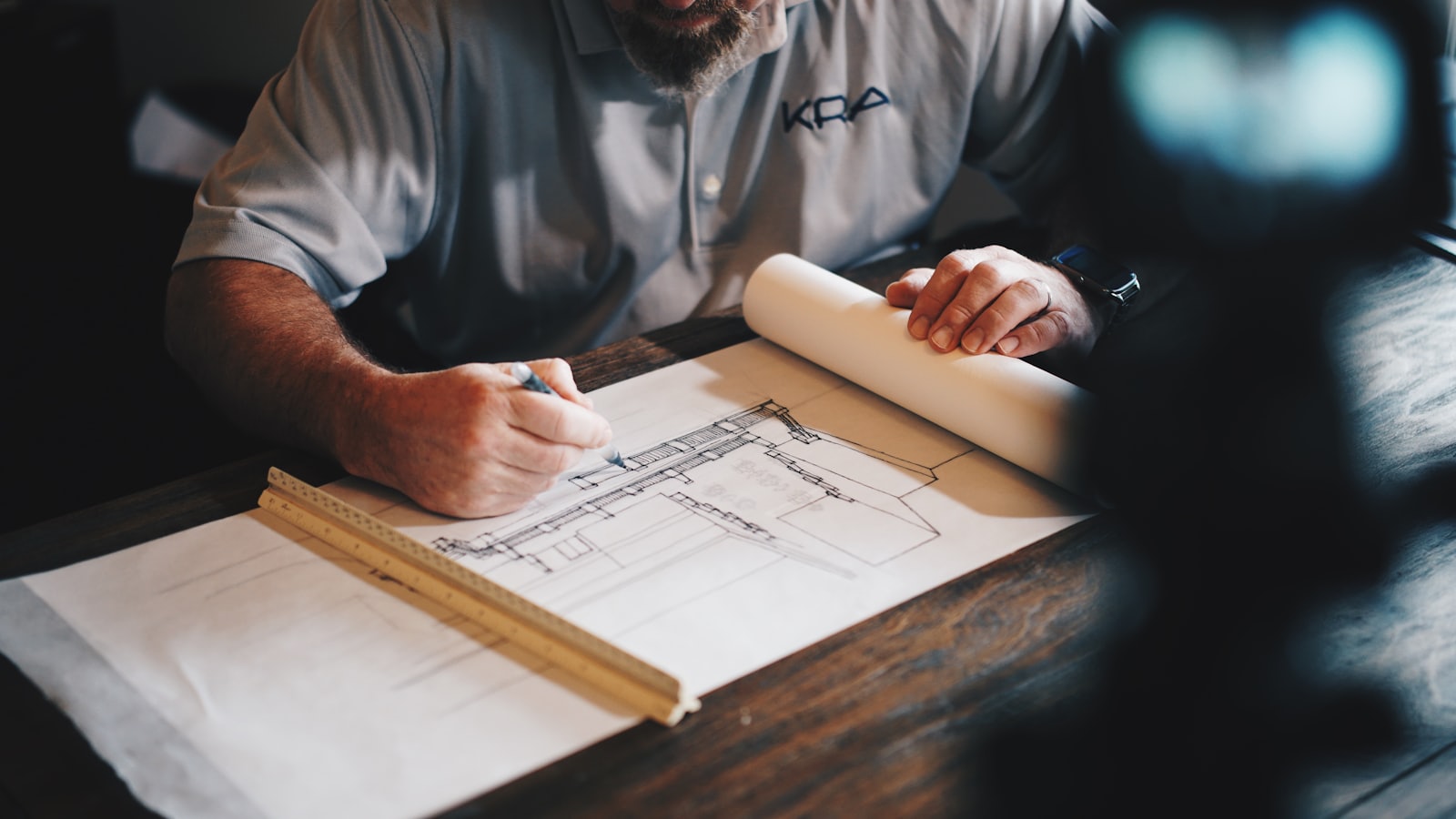
Understanding South Florida’s Unique Construction Landscape
When it comes to waterfront and coastal home construction in South Florida, there are several unique factors that come into play.
Phase 2: Architecture and design development (where luxury budgets are won or lost)
Luxury budgets rarely break because of one big decision. They break because of dozens of small decisions made too late, after pricing and scheduling assumptions are already in motion.
An architect-driven approach works best when it translates lifestyle into a buildable set of documents with realistic allowances and clear intent. That requires coordination early between architect, builder, and engineers.
Decisions to surface early because they can be long-lead or scope-shaping:
- Windows and doors (impact ratings, sizes, custom shapes, lead times)
- Exterior cladding, stone, wood, metal, and stucco details
- Custom millwork, closets, and cabinetry packages
- Lighting design and fixture procurement
- Smart home and low-voltage scope (networking, shades, security, AV)
- Appliances and ventilation strategy
- Specialty stair systems, glass, and metalwork
The goal in design development is not to rush. It is to make the critical decisions early enough that the drawings, engineering, budget, and procurement plan all match. That is how you avoid late-stage changes that trigger change orders and rework.
Phase 3: Permitting and approvals (especially important in Broward, Palm Beach, Miami-Dade)
Permitting can be straightforward or it can become the pacing item for the entire build. In South Florida, luxury projects often have multiple approval layers, and each one has its own timeline and documentation expectations.
Common approval layers include:
- Zoning and planning review
- Building permit review (structural, MEP, energy)
- Coastal and floodplain requirements where applicable
- Historic review for certain neighborhoods or districts
- HOA/DRB submissions and revisions
Permitting timelines vary widely based on municipality, the completeness of the plan set, and whether the project is a new build, a major renovation, or a teardown and rebuild.
A proactive permitting and project management approach helps by:
- Confirming jurisdiction requirements early
- Submitting complete, coordinated plans
- Anticipating reviewer comments and resubmittal cycles
- Keeping the team moving while approvals are in progress (procurement planning, trade sequencing, selection deadlines)
Phase 4: Procurement and scheduling (the quiet driver of 2026–2027 timelines)
In 2026–2027, the schedule risk for luxury homes is often less about pouring concrete and more about getting the right materials and the right craftspeople at the right time.
A strong procurement strategy includes:
- Locking specifications early enough to avoid placeholder allowances
- Vetting alternates without compromising design intent
- Ordering long-lead items before groundbreak when appropriate and contractually supported
- Coordinating storage, delivery timing, and site protection
Premium craftsmanship also depends on a smaller pool of elite trade partners. Finish carpentry, stone fabrication and installation, specialty glass, metalwork, and high-end tile teams can book out well in advance. If you want that level of finish, preconstruction is where you reserve it.
The 2026–2027 South Florida backdrop: what may influence your start date
The smartest way to plan is practical, not alarmist. Headlines change weekly, but the drivers that shift luxury schedules in South Florida are consistent: labor availability, permitting throughput, code and inspection requirements, and documentation expectations from lenders and insurers.
Boutique luxury builders plan around uncertainty with transparent sequencing, realistic buffers, and risk mitigation. Your best start date should be based on controllable milestones, not predictions.
Labor availability and specialty trades
Luxury builds rely on a limited group of high-performing trades. Earlier preconstruction helps you:
- Reserve preferred teams
- Align their schedules with your shell timeline
- Reduce handoff gaps that cause idle time
Market demand also matters. When high-end renovation demand rises, certain trades can become harder to schedule quickly, even if general labor is available.
Understanding the South Florida luxury real estate trends can provide valuable insight into making informed decisions in this evolving market.
Permitting volume, code updates, and inspection cadence
Review cycles can slow when municipalities are busy or when code updates change documentation requirements. Coastal and high-wind requirements can also drive deeper engineering review.
You can reduce friction by:
- Ensuring plan completeness
- Having early conversations with the jurisdiction
- Building realistic buffers for resubmittals and inspections
Insurance, lending, and documentation expectations
Luxury lenders and insurers often want tighter documentation: builder credentials, clear scopes, detailed budgets, realistic schedules, and sometimes third-party oversight. Early selections and well-defined contracts reduce financing and insurance friction. Owner’s representation and professional coordination can be especially helpful on complex projects.
So, when is the best time to start a custom luxury home build for 2026–2027? (3 smart windows)
There is no universal “best month.” The best start window depends on your target move-in date, your decision-making speed, and your project complexity (especially waterfront scope, demo, heavy structural work, or layered approvals).
Below are three timing windows that work well for many South Florida luxury builds.
Window 1: Start preconstruction in early 2026 for a 2027 move-in (most predictable)
What “early 2026” start means: feasibility plus architect selection, schematic design, early engineering input, and preliminary pricing. You are building the plan before you chase the groundbreak date.
Why it is the most predictable:
- More time to refine design without rushing decisions
- Earlier long-lead identification and ordering strategy
- Cleaner permitting submissions
- Fewer change orders caused by late coordination
Best for:
- Waterfront estates and marine components
- Complex architecture and high customization
- Clients prioritizing top-tier finishes with minimal compromises
- Homeowners who want a calmer experience and more schedule credibility
Window 2: Start mid-to-late 2026 if land/design is already set (efficient but requires discipline)
This window works when major prerequisites are already handled.
Prerequisites:
- You own the lot (or closing is certain and timed)
- An architect is engaged and progressing
- You can make finish decisions quickly
- You have a builder involved early enough to price and sequence realistically
Benefits:
- A more compressed timeline toward a 2027 completion
- Can align with seasonal sitework and planned travel
- Less time carrying preconstruction overhead
Risks:
- Less room for redesign cycles
- Allowances can balloon if selections are not locked early
- Procurement pressure can force substitutions or schedule gaps
This window can be excellent, but only when the client and team are aligned and decisive.
Window 3: Start planning in late 2026 for a late 2027 or 2028 completion (best for value-driven strategists)
This is the right window when you are optimizing the project for long-term value and minimizing rushed decisions.
Use cases:
- Multi-parcel acquisition or lot assemblage
- Teardown and rebuild planning with neighborhood constraints
- Large renovations with additions
- Complex HOA/DRB neighborhoods or layered approvals
Benefits:
- Maximum leverage to compare options and engineer cost without sacrificing luxury intent
- More time for thorough design coordination
- Stronger procurement planning and trade reservation
If you are not in a rush to move in, this window often produces the most controlled outcome.
Season-by-season in South Florida: what to schedule (and what to avoid)
Weather does not stop construction, but it changes productivity, site conditions, and risk. The goal is not to promise perfect timing. It is to plan sequencing so the project is less exposed during the most volatile periods.
A practical approach:
- Aim to schedule heavy sitework, foundations, and exterior envelope progress during more predictable stretches when possible.
- Use less predictable stretches to advance interior work, procurement, and inspections that are less weather-dependent, once the building is dried-in.
Dry season advantages (rough sitework, foundation, exterior progress)
Many owners prefer to hit these milestones during drier months:
- Excavation and grading
- Foundations and concrete work
- Framing and roofing
- Exterior envelope progress (windows, waterproofing, stucco phases)
Fewer weather delays can help with concrete scheduling, roof dry-in, and exterior finish sequencing. Demand can also be higher during these periods, which is another reason preconstruction matters if you want the best crews.
Rainy season and hurricane season realities (how pros plan around it)
Professionals plan around unpredictability by:
- Sequencing early months toward design, permits, and procurement
- Pushing weather-sensitive work when feasible
- Building in storm readiness procedures (site protection, material storage, temporary power)
- Holding schedule buffers and being disciplined about close-out requirements
Good project management does not eliminate disruption, but it reduces downtime and prevents small issues from becoming expensive ones.
New build vs high-end renovation in 2026–2027: which timing rules change?
Luxury clients often wrestle with the same question: renovate the existing home or tear down and rebuild?
Timing rules change because renovations bring unknown conditions, phased occupancy decisions, structural retrofits, and more inspection variables.
A few decision criteria that help:
- Is the existing layout fundamentally workable for your lifestyle?
- Does the lot value justify a new build?
- Are you constrained by setbacks, grandfathered conditions, or waterfront limitations?
- How much schedule uncertainty can you tolerate?
If you’re renovating: plan earlier for discovery, structural work, and specialty inspections
High-end renovations need more contingency because hidden conditions can shift scope:
- Plumbing, electrical, and framing surprises
- Moisture intrusion, mold remediation, and waterproofing corrections
- Structural upgrades to support new openings, additions, or second-story work
Plan earlier for investigation, engineering validation, and realistic buffers for specialty inspections and trade sequencing. Align design to existing conditions before you finalize finishes.
If you’re building new: focus on land, approvals, and long-lead selections
New builds can be more predictable when feasibility and design are thorough. The biggest drivers become:
- Land constraints and approvals
- Engineering coordination (wind, impact, flood)
- Long-lead selections and procurement discipline
Waterfront new builds may add steps like seawall coordination, marine contractor scheduling, and additional permitting layers.
A practical reverse-timeline example: how to back into the right start date
Let’s say your target move-in is Fall 2027.
Below is a simplified reverse timeline using typical ranges (not guarantees). Your exact schedule depends on municipality, HOA, waterfront scope, and finish level.
Target move-in: September–November 2027
Construction duration (luxury custom): ~12–18 months
- If highly custom, waterfront, or complex: plan closer to 16–20 months.
Procurement and trade reservation: starts ~2–6 months before groundbreak and continues throughout
- Long-lead items (windows/doors, custom cabinetry, specialty stone, certain appliances) can require early commitment.
Permitting and approvals: ~3–8+ months
- Longer if HOA/DRB is layered, coastal requirements apply, or plans need multiple resubmittals.
Design development and engineering: ~4–8 months
- Longer if the project is architecturally complex or the client wants extensive custom detailing.
Land feasibility and early due diligence: ~1–3 months (and should begin as soon as you control the lot)
It’s crucial to conduct a thorough due diligence during this phase to assess land feasibility accurately.
What this suggests:
If you want a credible Fall 2027 move-in, many projects should be in preconstruction by early 2026, and some complex waterfront homes should start even earlier to keep decisions calm and procurement intentional.
How to choose your best start window (a quick decision framework)
Use these variables to pick your window:
- Lot readiness: survey, utilities, demo needs, access constraints
- Complexity: waterfront, marine work, major structural spans, specialty glazing, custom millwork level
- Desired move-in date: hard deadline vs flexible
- Decision speed: can you lock finishes early without regret?
- Tolerance for change orders: low tolerance suggests earlier preconstruction
- Financing approach: cash, construction loan, or staged funding with documentation needs
A helpful rule: the tradeoff triangle is speed, customization, and cost certainty. Most projects can strongly optimize two. Trying to maximize all three usually creates stress later.
A preconstruction meeting is often the fastest way to validate your assumptions before you commit to a start date.
Why working with a boutique, fully integrated luxury builder changes the timeline
A luxury build schedule improves when the builder is not only executing the work, but also actively managing the upstream drivers of delay: feasibility, documentation, permitting strategy, procurement, and trade sequencing.
Kass Construction & Development is a state-licensed, Fort Lauderdale-based luxury custom home builder serving Broward, Palm Beach, and Miami-Dade. The firm specializes in architect-driven custom homes, waterfront estates, and high-end renovations, with fully integrated execution from early planning through completion.
Integrated execution can shorten timelines and reduce surprises by:
- Coordinating permitting and project management proactively
- Working within established architecture and design partnerships
- Providing owner’s representation for complex, multi-party scopes
- Managing risk through documentation, sequencing, and transparent decision deadlines
What a strong preconstruction process looks like (and what you should expect to receive)
A well-run preconstruction phase should produce tangible deliverables, not vague confidence.
You should expect items like:
- A preliminary budget tied to real scope, not generic allowances
- Scope clarity and what is included or excluded
- A realistic schedule with milestone dates and buffers
- A procurement plan for long-lead items and alternates
- A risk register with contingencies and mitigation steps
- An allowance strategy aligned to your finish level
You should also see structured coordination among:
- Architect and engineers
- Interior designer
- Landscape and pool teams
- Marine contractors (for waterfront properties)
- Key trade partners whose availability affects finish quality
Communication should be consistent and organized: reporting cadence, decision deadlines, and an approvals workflow that keeps the project moving.

Conclusion: The best time to start is when your milestone plan is credible
The best time to start a custom luxury home build in 2026–2027 is not a single date on a calendar. It is the moment your milestone plan becomes real: land feasibility is understood, design is progressing with budget alignment, permitting strategy is mapped, and procurement decisions are scheduled before they become emergencies.
Here are the three smart windows again:
- Early 2026 preconstruction for the most predictable 2027 move-in
- Mid-to-late 2026 if land and design are already set and you can stay disciplined
- Late 2026 planning for a late 2027 or 2028 completion when you want maximum control and value optimization
If you are planning a luxury custom home or high-end renovation in South Florida, the safest approach is to start earlier than you think, align design with permitting and procurement, and avoid chasing a break-ground date before the project is truly ready.
If you would like a start plan mapped to your lot, goals, and target move-in date, Kass Construction & Development can help you validate feasibility, build a credible timeline, and create a controlled path to a high-finish outcome in 2026–2027.
FAQs (Frequently Asked Questions)
Why is timing more critical for luxury custom home builds in South Florida during 2026–2027?
Timing is crucial because luxury custom projects involve more complex assemblies, tighter tolerances, and specialty trades that book out earlier. Poor timing can lead to redesign cycles, re-permitting, rushed selections, downgraded finishes, and schedule delays that impact the entire project. A well-planned start aligns the team early, builds a credible schedule accounting for approvals and long-lead items, and reduces preventable risks through thorough feasibility and documentation.
What does “starting” a luxury custom home build actually mean?
Starting can mean different phases: 1) Beginning design by selecting architects and defining scope; 2) Starting permitting when plans are ready for municipal submission; 3) Breaking ground when sitework begins; or 4) Signing a construction agreement which affects pricing and trade reservations. Choosing the right ‘start’ phase based on your target move-in date helps control costs and schedule effectively.
What land and feasibility factors should be considered for luxury custom homes in South Florida?
Key considerations include lot orientation and solar exposure, setbacks, flood zones with base flood elevations, waterfront complexities like seawalls and marine permits, utilities capacity and location, as well as neighborhood HOA restrictions. Feasibility checks such as boundary surveys, soil testing, elevation planning, existing structure assessments, and site access evaluations help prevent costly surprises during construction.
How does selecting the right start window benefit a luxury custom home project?
Choosing a start window aligned with your goals—whether targeting a specific move-in date, school calendar, seasonal preference, waterfront scope, or financing strategy—ensures better schedule confidence and risk control. It enables smoother sequencing of design development, approvals, procurement, and construction trades resulting in fewer surprises and higher finish quality.
What role does integrated execution by a boutique builder play in South Florida luxury home construction?
A boutique builder with integrated execution can identify site constraints early during land feasibility assessments before extensive design work begins. This proactive approach prevents designing unbuildable plans or facing approval challenges later on. It also facilitates seamless coordination among architects, engineers, designers, and specialty consultants to keep the project on track.
Why is understanding South Florida’s unique construction landscape important for luxury waterfront homes?
South Florida’s coastal environment introduces specific challenges such as managing seawalls, docks, boat lifts, mangroves protection, marine permitting requirements, flood zone regulations, and elevation mandates. Awareness of these factors ensures compliant designs that withstand environmental conditions while maximizing waterfront benefits for luxury custom homes.