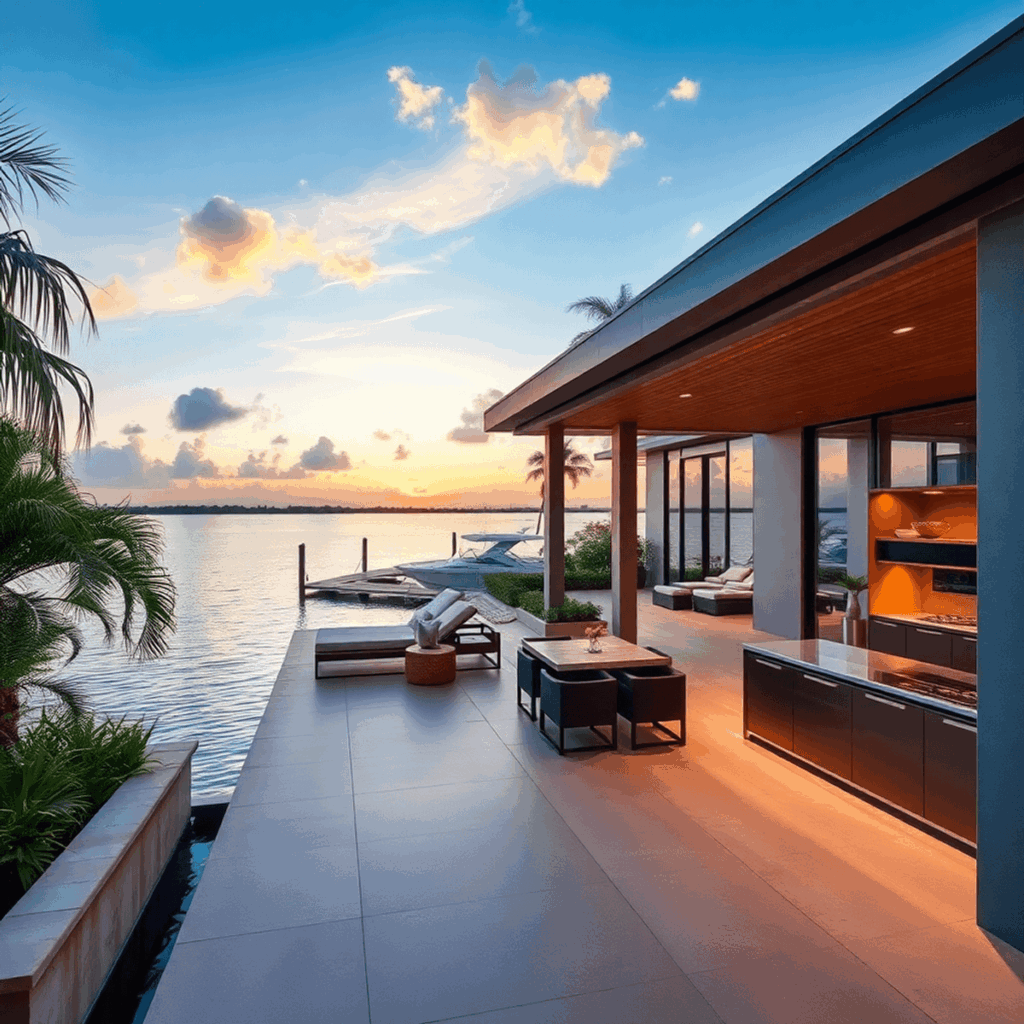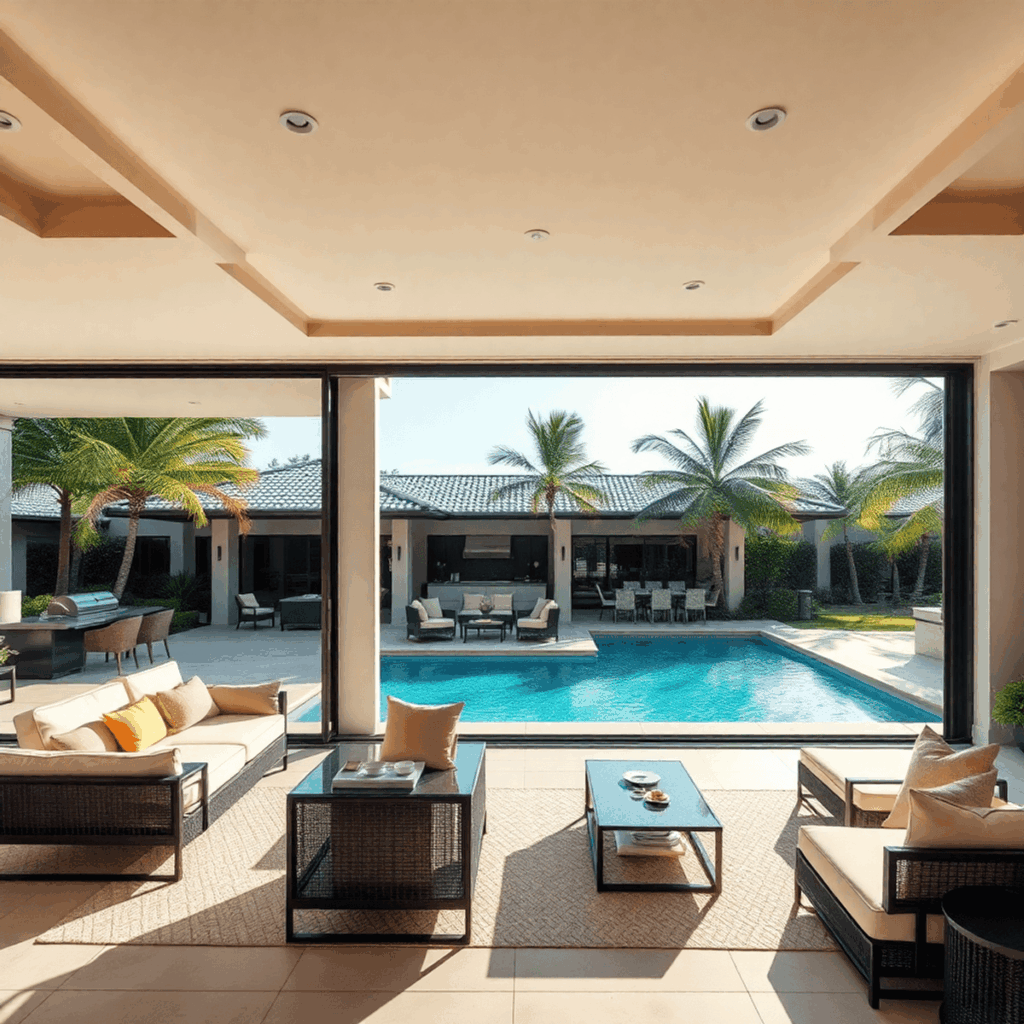
A “private resort home” is more than just a nice backyard with a few luxury upgrades. It’s a residence where the entire outdoor environment is meticulously designed to feel like a five-star property every day, without ever leaving your address. The pool feels effortless to use, the spa is quiet and ready when you are, and the outdoor kitchen functions like a real kitchen. The lighting, sound, shade, and privacy are managed in such a way that makes the whole property feel calm, intentional, and easy to live with.
In South Florida, this trend is not merely a fad. It aligns perfectly with how people actually live here: transitioning seamlessly between indoor and outdoor spaces, enjoying year-round pool weather, hosting weekends built around entertaining, and embracing waterfront lifestyles that blur the line between home and vacation.
What distinguishes a true resort-style home from a mere collection of features is meticulous planning. Every aspect such as layout, circulation, sightlines, sound, lighting, materials, drainage, and long-term maintenance needs to be considered from day one. This guide walks through what that looks like in practice, focusing on pools and spas, outdoor kitchens, entertainment zones, and the “unseen” systems that make everything feel seamless.
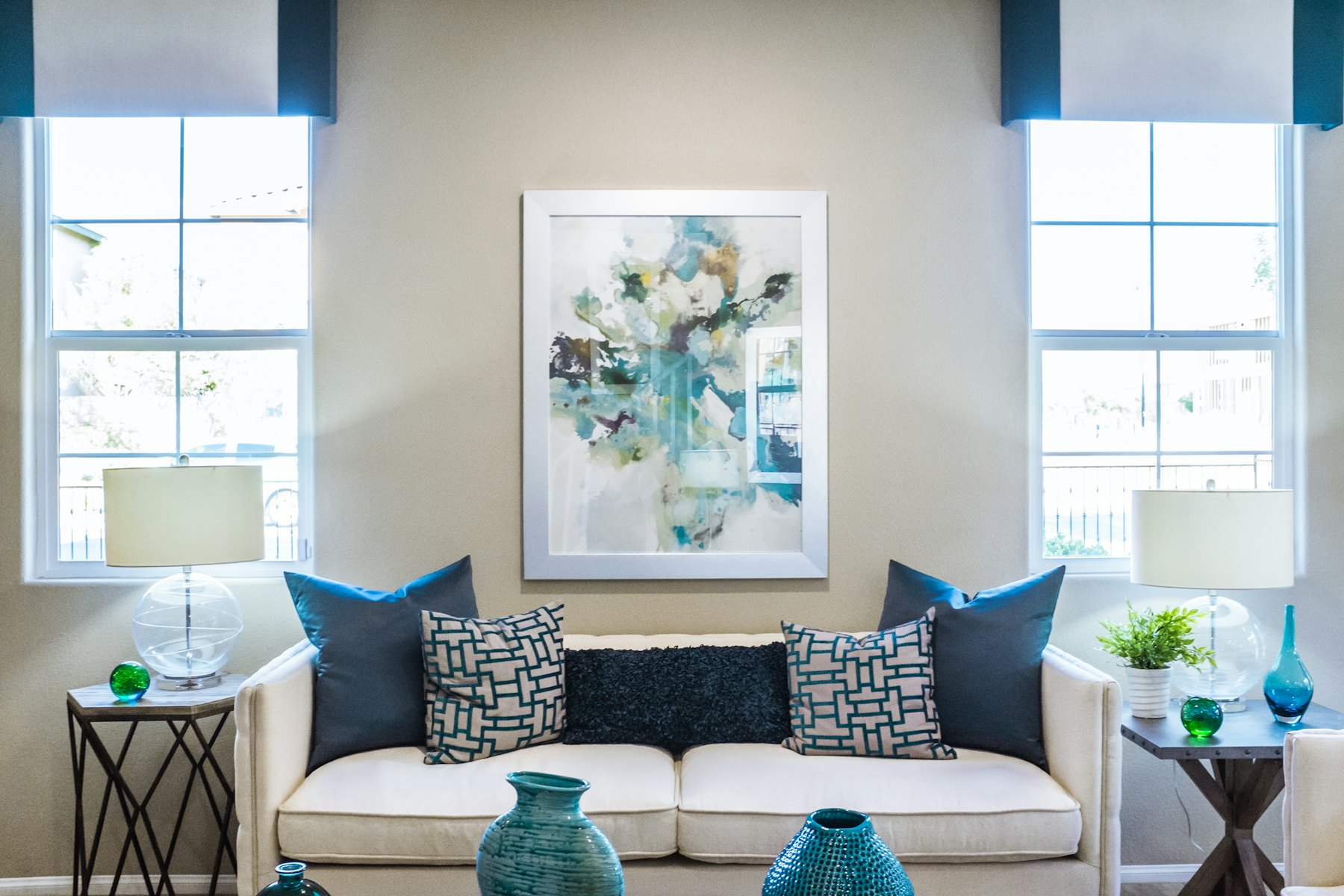
What a “Private Resort Home” Really Means (and Why It’s So Popular in South Florida)
A private resort home is not just about luxury; it’s about designing a residence around an exceptional daily experience. It prioritizes how you arrive outside, where you set a drink, how you dry off, how guests navigate through the space, and how the property feels at night. It also pays attention to what you do not see: equipment placement, sound control, slip resistance, drainage management, and durable finishes that withstand sun, salt, and storms.
South Florida makes this lifestyle particularly natural due to its unique architectural style which supports [indoor to outdoor living](https://kassconstruction.com/insights/luxury-home-architecture-design-south-florida/), especially with large openings, lanais, and covered patios. The region’s year-round pool weather transforms backyards into functional living spaces rather than just weekend features. Additionally,entertaining is deeply ingrained in the culture here—from casual family gatherings to larger events with catering and music spread across multiple zones operating simultaneously. Lastly,waterfront properties elevate the standard even further because the view itself is already a luxury; hence the outdoor environment needs to match it.
To achieve that resort-like vibe in your private home setting , one cannot treat the pool , spa , kitchen , and patio as separate projects . Instead , it’s crucial to plan the property as one interconnected system and execute it accordingly .
Start With the Master Plan: Flow, Privacy, and How You’ll Actually Use the Space
Before diving into design details, it’s essential to start with lifestyle programming. While it may sound formal, it’s simply about answering key questions that shape the entire plan.
Who uses the backyard most often? Is it primarily adults, kids, or a multigenerational family? Do you host large groups, or is it more about quiet daily routines? Do you want a true “party mode,” or do you prefer calm, spa-like spaces with low noise and soft lighting?
Flow, explained in real terms
Flow is not just a design buzzword. It shows up in small daily moments:
- Kitchen-to-grill steps: If the cook is constantly crossing a traffic path, it will feel crowded fast.
- Bath-to-spa access: A relaxing spa setup needs a short, intuitive route to a bathroom and an outdoor shower.
- Guest path to a powder bath: Guests should not feel like they are wandering through private areas to find a restroom.
- Service routes: Catering, landscape teams, pool techs, and deliveries need access that does not cut through the main entertaining zones.
A good master plan also anticipates furniture scale, door swings, and pinch points. A backyard can be large and still feel tight if circulation was not designed effectively.
Privacy and sightlines
In dense neighborhoods, especially on waterfront lots, privacy needs to be designed intentionally rather than improvised. This can involve strategic landscaping, screens, trellises, changes in elevation, or placing a cabana or outdoor living room to block views without enclosing the space.
It’s also crucial to consider what you see from inside the home. Resort-style living often means the outdoor area becomes your primary view. Sightlines matter from the kitchen, primary suite, and main living areas. For more insights on how to effectively plan your backyard space considering these factors and more, you can explore Kass Construction’s insights and resource page for valuable information.
South Florida climate realities
Orientation is comfort. Sun angles, prevailing winds, and afternoon storms are not abstract concerns here. They affect:
- Where shade structures actually provide relief in late afternoon
- Whether wind makes a fire feature unusable
- How quickly surfaces heat up
- How well covered areas stay dry during driving rain
Integrated execution matters
The best outcomes happen when architecture, structure, drainage, utilities, and finish selections are aligned before construction starts. That reduces change orders, avoids cutting into new finishes to add missing utilities, and helps the entire property feel cohesive.
Pools Done Right: Design, Engineering, and the Details You Notice Every Day
A resort pool should look beautiful, but it also needs to be comfortable and intuitive to use. The difference between “nice” and “resort-level” often comes down to details you experience every day.
Design choices that change the experience
Pool design should respond to how you actually live:
- Geometric vs. freeform: Geometric pools often suit modern architecture and clean outdoor rooms. Freeform pools can feel softer and more tropical.
- Lap lanes: Great for daily exercise, but they influence length, circulation, and where shallow zones can sit.
- Baja shelves and sun ledges: Ideal in South Florida. They create a resort feel, add a child-friendly zone, and allow in-water lounging.
- Deep-end placement: Where you place depth impacts how the pool is used, where people gather, and where noise concentrates.
- Integrated seating: Benches and conversation pockets can make the pool more social without requiring furniture in the water.
Engineering and build quality
Luxury pools succeed long-term when the underlying construction is handled with precision. Shell construction, waterproofing, tile selection, coping, and expansion joints all matter. Craftsmanship shows up years later, when corners remain crisp, finishes remain secure, and waterlines stay clean.
It is also where shortcuts become expensive. When the pool is part of a larger outdoor build, tolerances need to be right so patio heights, drains, and thresholds work together cleanly. This necessitates adherence to certain standards and regulations as outlined in the Code of Practice for design construction operation management maintenance aquatic facilities.
Comfort and usability details
These are the things homeowners notice constantly:
- Entry steps that feel natural, not steep or awkward
- Discreet handrails where needed, designed to blend in
- Bench placement where people actually want to sit
- Nearby towel and gear storage so the space stays uncluttered
- Shade integration that does not look like an afterthought
Lighting and night ambience
Resort pools look even better after sunset, but only when lighting is layered:
- Underwater LED lighting that is balanced, not harsh
- Step lighting for safe entry and exit
- Landscape lighting that frames the pool area without creating glare
- Feature lighting on trees, walls, and architectural elements
Safety and code considerations without ruining aesthetics
Barriers, alarms, slip resistance, and code requirements can be handled in a way that protects the design. The best approach is to plan for them early so you are not forced into last-minute solutions that clash with the architecture. It’s essential to understand local land development codes which may include specific safety regulations for pool installations.
Spas & Hydrotherapy Features: Seamless, Quiet, and Built for Daily Use
A spa should feel like it belongs to the pool environment, not like a separate add-on. It should also be quiet enough to be relaxing and simple enough to use regularly.
Start with the purpose
Spas can serve different needs:
- A quick nightly soak to unwind
- Hydrotherapy with targeted jets, which can provide profound therapeutic benefits
- Social seating for conversation
- A showpiece with a spillover edge and water sound
Your purpose guides everything from size and seating to jet layout, heat planning, and where the spa should sit in relation to the home.
Mechanical integration: shared vs. separate systems
A spa can share equipment with the pool or run separately. Shared systems can simplify the equipment area, but heat-up time expectations matter. If you want a true daily-use spa that reaches temperature quickly and predictably, mechanical planning becomes part of the lifestyle plan, not an afterthought.
Noise control
Pump placement and equipment pad planning can make or break the spa experience. If the spa is meant to be quiet, equipment should be located and screened appropriately, with attention to acoustics so the sound does not carry into the seating zone.
Materials that stay comfortable
In South Florida, coping temperature and surface comfort matter. You want materials that stay usable in strong sun, provide slip resistance, and feel good on hands and feet. Details like hand-friendly edges and comfortable sitting surfaces are where resort-level quality shows up.
Resort-level add-ons that feel worth it
If you want true spa energy, consider features that elevate daily routines:
- Cold plunge
- Outdoor shower with privacy screening
- Towel warmer cabinet in a protected zone
- A small fire feature for contrast on cooler nights
Outdoor Kitchens That Actually Work: Layout, Ventilation, and Hurricane-Smart Materials
Outdoor kitchens are one of the most common “luxury” features that underperform. The reason is usually simple: they were designed like a photo, not like a kitchen.
Start with how you cook
Be honest about use. Do you want grill-only convenience, or a full chef setup? Common resort-style options include:
- Grill, side burner, and prep sink
- Smoker, griddle, or pizza oven
- Warming drawer for entertaining
- Beverage center and undercounter refrigeration
- Ice maker for hosting without constant trips inside
Layout rules that prevent frustration
A kitchen works when it has landing zones and clear movement:
- Counter space where food actually lands
- Prep sink where it supports the workflow
- Trash and recycling pull-outs within reach
- Refrigerator access that does not block circulation
- Seating that keeps guests close, but not in the cook’s way
Ventilation also matters, especially under covered patios. The design should manage smoke and heat so the space remains comfortable.
Durable finishes for South Florida
Outdoor kitchens need hurricane-smart, coastal-smart materials:
- Appropriate stainless grades for appliances and fasteners
- Sealed stone that resists staining and weathering
- UV-stable cabinetry that does not fade or warp
- Non-rusting hardware
- Slip-resistant flooring that drains well
Utilities planning: do it early
Outdoor kitchens require coordinated planning for gas, electrical loads, water, drainage, and lighting. When those decisions happen late, crews end up cutting into finished surfaces and undermining waterproofing. Early coordination keeps everything clean and predictable.
Entertaining upgrades that feel effortless
Resort kitchens often include small moves that change hosting quality:
- Pass-through windows for indoor-outdoor service
- Bar seating with proper knee clearance
- Hidden storage for cushions and serving ware
- Dedicated zones for platters, utensils, and clean-up
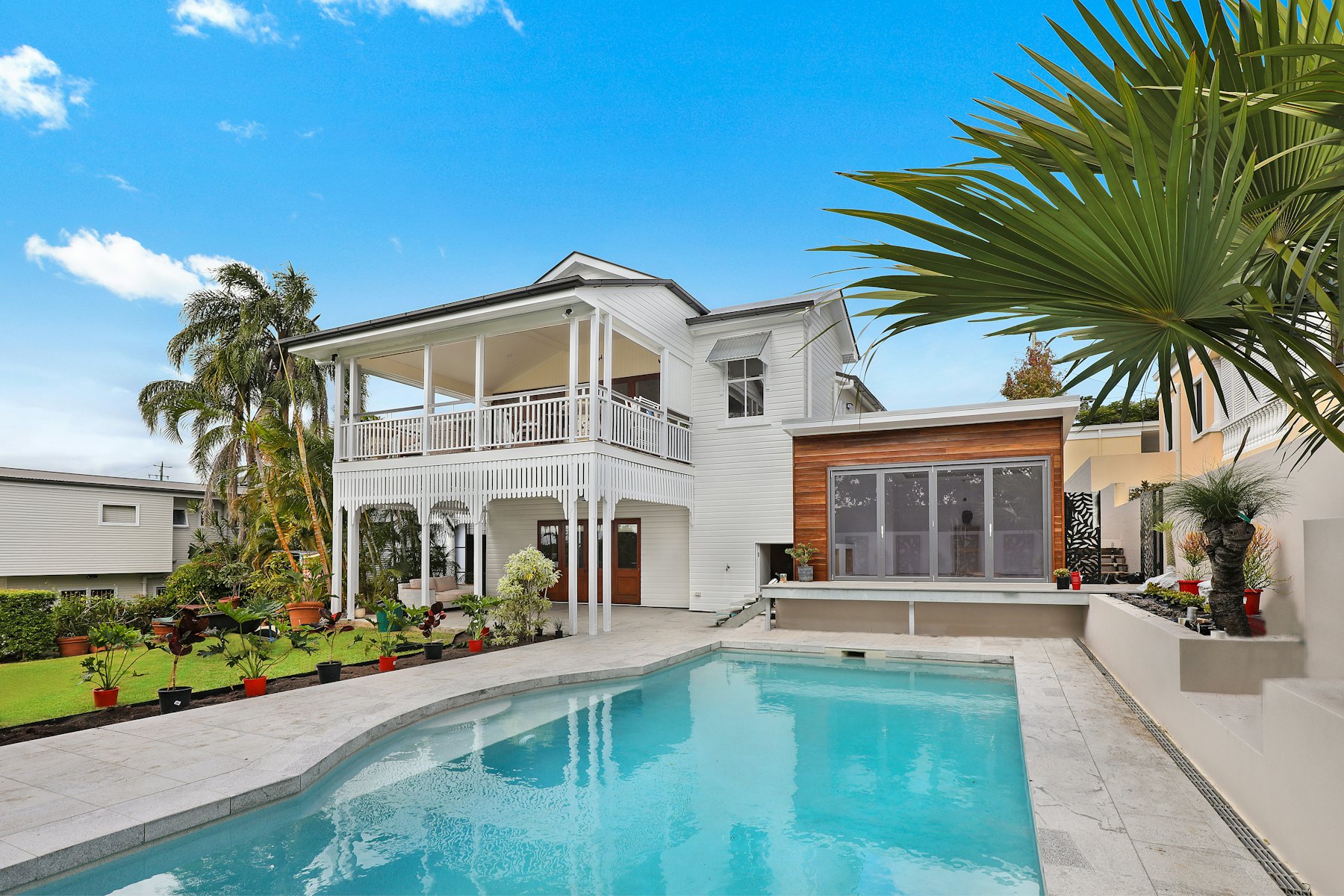
Entertainment Spaces: Create “Zones” for Lounging, Dining, Movies, and Game Day
A great resort backyard is not one big patio. It is a series of zones that let different moods happen at the same time.
Think like a resort:
- Dining zone that feels anchored and comfortable
- Lounging zone for conversation and cocktails
- Sunning zone near the pool
- High-energy zone for game day, music, and larger gatherings
- Quiet corners that still feel connected, but slightly separated
Covered living rooms that get used
Covered outdoor living spaces are often the most used areas in South Florida. Done right, they include:
- Ceiling fans sized for the space
- Motorized screens for insects and sun control
- Furniture plans that protect traffic flow
- Thoughtful placement of TVs and speakers so sightlines and sound work
Heaters can be useful in specific applications, but the bigger comfort wins typically come from shade, fans, and airflow.
Lighting that transforms nights
Resort lighting is warm, layered, and dimmable:
- Soft overhead lighting under covered areas
- Step and path lighting for safety
- Feature lighting on landscape and architectural elements
- Avoiding harsh brightness that makes the yard feel like a parking lot
Fire and water features
Fire features add contrast and atmosphere, but wind matters. Placement should account for prevailing breezes, safe clearances, and seating comfort so the feature gets used, not avoided.
Game-day and party planning
If you host, design for it:
- Bar placement that supports flow
- Keg or wine storage where it is protected
- Buffet zones that do not block the main circulation path
- Durable surfaces that clean quickly and resist staining
Outdoor Kitchens + Pool + Patio: The ‘Unseen’ Systems That Make Everything Feel Effortless
Resort living feels effortless when systems are designed correctly. In South Florida, these are not “nice-to-haves.” They are essential.
Drainage and grading
Heavy rain is part of life here. Patios, turf, planters, and drains must be engineered to move water away from door thresholds and away from areas where people walk barefoot. Poor drainage leads to puddling, slippery zones, and long-term material problems.
Waterproofing and building envelope tie-ins
Large openings, covered lanais, and transitions between inside and outside need careful waterproofing and flashing details. The goal is to enjoy openness without creating vulnerability at the edge of the home.
Plumbing and gas capacity
If you are running multiple appliances, plan capacity for now and later. Proper sizing, safe shutoffs, and future-friendly planning can prevent expensive rework when you add a pizza oven, generator, or additional features.
Equipment placement and access
Hiding equipment is good. Making it impossible to service is not. Pool equipment, generators, and utilities should be screened in a way that preserves aesthetics while keeping access practical for maintenance.
Permitting and inspections
Projects in Broward, Palm Beach, and Miami-Dade must stay compliant with local requirements. A coordinated team helps keep timelines realistic and reduces mid-build surprises.
Design Cohesion: Make the Backyard Feel Like a Real Resort, Not a Collection of Upgrades
Cohesion is what makes the space feel expensive, even before you notice individual features.
Unify materials
A consistent material story across pool tile, coping, patio surfaces, kitchen finishes, and architectural metals makes the yard feel like one composed environment. You do not need everything to match, but finishes should relate.
Color and texture strategy
Timeless resort spaces balance clean structure with warmth. That often means controlled neutrals, natural textures, and a few intentional accents rather than many competing materials.
Shade planning
Shade should be planned like architecture, not purchased later:
- Pergolas
- Cantilevers and roof extensions
- Umbrellas that are anchored and placed for afternoon comfort
Storage and cleanliness
Resorts feel calm because clutter is designed out. Outdoor closets, concealed towel storage, hidden equipment zones, and proper places for cushions and toys keep the space clean without effort.
Future-proofing
Conduits, stub-outs, and structural blocking allow upgrades later without demolition. Even if you do not build every feature now, you can avoid paying twice.
Common Mistakes That Ruin Resort-Style Backyards (and How to Avoid Them)
Designing features in isolation.
Fix: start with a whole-site plan and map circulation, sightlines, and service routes.
Underestimating sun, wind, and rain.
Fix: plan orientation, shade, covered zones, and drainage early.
Choosing finishes that cannot survive coastal conditions.
Fix: use marine-ready, UV-stable, non-rusting materials that are specified for outdoor exposure.
Poor lighting and sound.
Fix: design a layered lighting plan and discreet audio strategy that supports mood and usability.
Permitting and utility surprises mid-build.
Fix: coordinate early with a licensed builder and an integrated team that understands local requirements and sequencing. This is crucial as construction permitting and project management in South Florida can often present unexpected challenges if not properly managed.
How Kass Construction & Development Builds Private Resort Homes in Fort Lauderdale (and Across South Florida)
Kass Construction & Development is a state-licensed luxury custom home builder based in East Fort Lauderdale, serving homeowners across Broward, Palm Beach, and Miami-Dade counties. The firm specializes in architect-driven custom homes, waterfront estates, and high-end renovations where outdoor environments are as complex as the interiors.
A private resort home requires more than good taste. It requires execution across multiple trades where small coordination misses become expensive problems. That is where an architect-driven approach and an integrated build team matter, especially when pools, spas, outdoor kitchens, large openings, and waterproofing details intersect.
Kass Construction & Development supports projects through:
- Luxury home building and major property transformations
- High-end renovations and remodeling
- Permitting and project management
- Architecture and design partnerships
- Owner’s representation for clarity, sequencing, and quality control
The firm’s focus on precision and transparency is especially important in resort-style builds, where scopes must be tight, sequencing must be planned, and finishes must meet the reality of South Florida exposure. Given the current luxury real estate trends in South Florida, these aspects become even more critical for successful investment strategies.
Bringing It All Together: A Backyard That Feels Like a Vacation Every Day
The best private resort homes are not built by stacking features. They are built by planning a single, connected experience where pool, spa, kitchen, and entertainment spaces work together.
If you want a backyard you will actually use daily, think in routines and moments: morning coffee by the water, kids coming in and out without chaos, dinner that moves outside naturally, a spa soak that feels quiet, lighting that makes nights feel special, and hosting that does not turn into a logistics problem.
Build quality, climate-ready materials, and integrated planning are what protect that experience long-term. The simplest next step is also the most important: start with a master plan, align the design team early, and build with a licensed luxury builder who understands South Florida outdoor living from the ground up.
FAQs (Frequently Asked Questions)
What defines a “private resort home” in South Florida?
A private resort home in South Florida is a meticulously designed residence where the entire outdoor environment feels like a five-star property every day. It seamlessly blends luxury features such as effortless pools, quiet spas, fully functional outdoor kitchens, and carefully managed lighting, sound, shade, and privacy to create a calm, intentional, and easy-to-live-with space that embodies indoor-outdoor living.
Why is the private resort home trend so popular in South Florida?
This trend aligns perfectly with South Florida’s lifestyle due to its year-round pool weather, unique architectural style that encourages indoor-outdoor living with large openings and lanais, a culture deeply rooted in entertaining from casual family gatherings to large events, and the abundance of waterfront properties where the outdoor environment complements luxurious views.
How important is planning when creating a true resort-style home?
Meticulous planning is essential to distinguish a true resort-style home from just a collection of luxury features. Every detail—including layout, circulation, sightlines, sound control, lighting, materials selection, drainage management, and long-term maintenance—must be considered from day one to ensure all elements work together as an interconnected system for seamless living.
What does ‘flow’ mean in the context of designing a private resort home’s outdoor space?
‘Flow’ refers to the intuitive and efficient movement throughout the outdoor space. This includes practical considerations like minimizing kitchen-to-grill crossing paths to avoid crowding, ensuring short routes from spa areas to bathrooms or showers, providing discreet guest access to powder rooms without passing through private zones, and creating service routes for catering and maintenance that don’t disrupt entertainment areas.
How can privacy be effectively integrated into dense or waterfront neighborhoods for resort-style homes?
Privacy can be intentionally designed using strategic landscaping, screens, trellises, elevation changes, or placing structures like cabanas or outdoor living rooms to block views without enclosing spaces. Additionally, managing sightlines from inside the home—especially from key areas like kitchens and primary suites—is crucial to maintain both privacy and beautiful views that enhance the resort-like atmosphere.
What role do ‘unseen’ systems play in achieving a seamless private resort home experience?
Unseen systems such as equipment placement for pools and spas, sound control measures, slip-resistant surfaces, effective drainage management, durable finishes resistant to sun, salt, and storms are critical. These elements ensure comfort, safety, longevity, and ease of maintenance so that luxury features function effortlessly and contribute to the calm and intentional feel of the property.