South Florida has always attracted people who want a higher quality of life. What has changed is how families want to live once they get here. More homeowners in Broward, Palm Beach, and Miami-Dade are choosing multi-generational luxury homes that keep everyone close, while still feeling private, calm, and genuinely upscale.
Below is a practical guide to the [layouts that make multi-generational living feel like a resort home](https://kassconstruction.com/insights/luxury-home-architecture-design-south-florida/), not a cramped compromise, plus the South Florida realities that should shape your floor plan as much as your finishes.
Why multi-generational luxury homes are booming in South Florida
“Multi-generational living” today is not just grandparents moving in. It often includes:
- Grandparents who want to be near family, with comfort and dignity.
- Adult children returning for a season, between homes, or while building a business.
- Live-in help, whether childcare support or a caregiver.
- Long-stay guests who visit for weeks at a time, especially during winter season.
In South Florida, the demand is driven by a few practical truths:
- Housing costs are high, and families are combining resources to buy better property in better locations.
- Lifestyle migration is real, with families relocating from the Northeast, Midwest, and California and bringing extended family along.
- Caregiving needs are increasing, but many families want support without institutional feel.
- People want togetherness without sacrificing privacy, especially when multiple adults have different schedules and routines.
The key is layout. In Fort Lauderdale, Boca Raton, Delray Beach, Miami, and many waterfront neighborhoods, permitting, zoning, flood requirements, and mechanical planning can influence what is possible just as much as the design vision.
This article focuses on the layouts that work, the ones that keep everyone close while still letting each generation live independently. For more insights on this topic and other related information about South Florida’s luxury real estate trends, you can explore additional resources on our website.
Start with the non-negotiables: privacy, independence, and daily flow
Every successful multi-generational plan solves three core goals:
- Private spaces
- Independent routines
- A smooth shared “spine” of the home
What privacy means in design terms
Privacy is not a vibe. It is a set of decisions that you can draw on a plan:
- Separate entrances for a suite, wing, or casita.
- Acoustic separation with sound-rated walls, insulated doors, and smart adjacency planning.
- Sightlines that prevent bedrooms from opening directly to high-traffic spaces.
- Controlled access to shared areas, using doors, vestibules, or short galleries rather than open exposure.
What independence looks like
Independence is what keeps the house feeling harmonious, especially when multiple adults share it:
- A kitchenette, coffee bar, or wet bar that reduces “kitchen collisions.”
- Laundry access that does not force someone through private zones.
- Dedicated parking or at least a clear arrival routine.
- Autonomous HVAC zoning and individual thermostats so each wing can be comfortable without a daily debate.
Why daily flow matters more than square footage
Daily flow is the invisible luxury. The best layouts shorten the path between the spaces people use constantly:
- Bedroom to coffee.
- Bedroom to pool and patio.
- Gym to shower.
- Garage to pantry.
- Guest wing to outdoor lounge.
A simple planning recommendation that saves real money later: decide early who lives where, how often, and what level of support is needed now versus 10 years from now. Your plan should handle both realities without requiring a major remodel.
The best layout strategies for multi-generational luxury living
Think of the options below as a menu. The right configuration depends less on square footage and more on family dynamics, lot constraints, and how you actually live in South Florida.
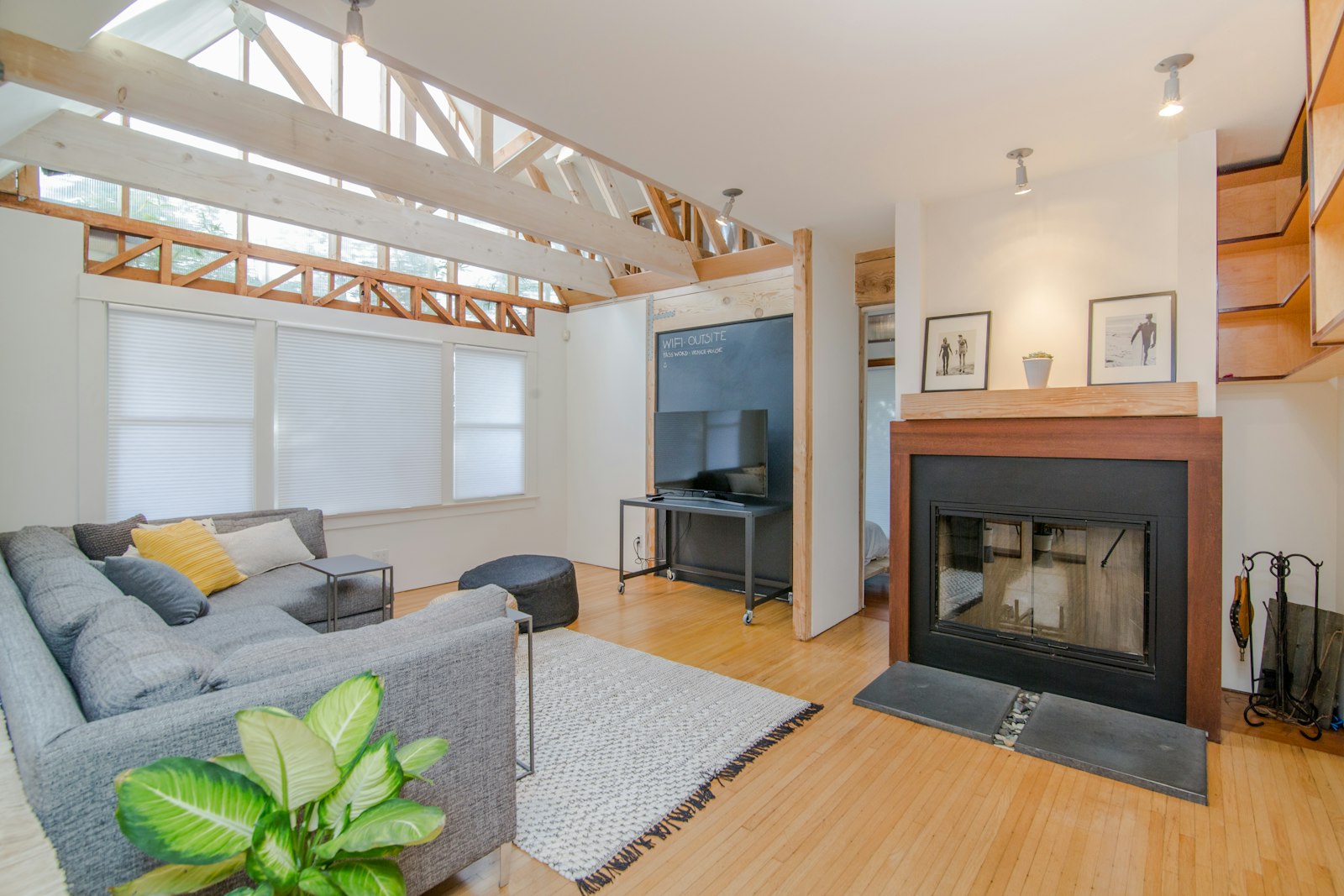
1) Dual primary suites that don’t compete
A dual-suite home works when two households share the property, or when grandparents live with the family long-term.
The goal: two “primary-level” suites with comparable comfort, but different zones.
What makes it work:
- Place suites on opposite wings or on different floors to avoid noise and awkward overlap.
- Include true suite features: generous closets, curbless showers, a seating area, and excellent natural light.
- If you can, give one suite direct lanai or pool access, especially for an older generation that prefers quieter mornings outdoors.
A practical note: avoid perfectly identical mirror suites if one is used year-round. Prioritize the main household suite’s connection to the spaces it relies on most, like laundry, kitchen, and parking.
2) A private guest/in-law wing with its own entrance
This is one of the cleanest ways to deliver autonomy without making the home feel fragmented.
Think of it as a boutique hotel wing:
- Bedroom or two-bedroom configuration
- Lounge or small sitting room
- Kitchenette or coffee bar
- Optional patio or private outdoor nook
Why it is valuable:
- Guests can keep their own rhythm without disrupting the household.
- Hosting becomes effortless, even for long stays.
- It supports aging family members with dignity and independence.
Design details that elevate it:
- Concealed pocket doors that can close the wing discreetly.
- Sound-rated walls between the wing and shared spaces.
- A small drop zone for shoes, bags, and beach gear.
Common South Florida placements include near the front entry for discretion, or a second-floor suite over the garage where zoning and structure allow.
3) A “connected-but-separate” casita or courtyard suite
A casita is a detached or semi-detached suite connected by a courtyard, breezeway, or covered walkway.
It is especially effective in South Florida because it fits the indoor-outdoor lifestyle naturally. It also provides privacy without feeling “far away,” which matters when support may be needed.
Ideal uses include:
- Grandparents who want quiet and earlier bedtimes.
- Adult kids with different schedules.
- Long-term guests during season.
- Live-in support, with appropriate boundaries.
Planning considerations to get right:
- Storm protection and impact-rated openings.
- Security and lighting along the connection path.
- Transitions that stay comfortable in heavy rain and high heat, often with covered walkways and well-placed drainage.
4) A second “everyday” kitchen or prep pantry that reduces friction
With multiple adults in one home, the kitchen becomes a traffic hub. A secondary support kitchen is one of those features that feels like indulgence until you live without it.
Your options:
- A full secondary kitchen
- A wet bar with undercounter refrigeration
- An oversized prep pantry with sink and dishwasher
Why it matters:
- Different schedules can coexist without conflict.
- Dietary needs are easier to manage.
- It supports kosher or halal separation when required.
- Entertaining is smoother, and the show kitchen stays pristine.
Placement tip: locate it near the family lounge or media room, or adjacent to the in-law wing so that autonomy is built in, not improvised.
5) Two living rooms: formal calm + casual noise-tolerant
If there is one layout move that prevents daily negotiation, it is separating the quiet zone from the active zone.
A common pairing:
- A serene sitting room or library near the entry, ideal for reading, conversation, or a quiet morning.
- A durable family room near the kitchen and pool, designed for games, movies, and gatherings.
Design notes that help it perform:
- Pocketing sliders that open wide to the patio.
- Built-ins for games, tech, and closed storage.
- Flooring choices that can handle traffic, wet feet, and moving furniture without stress.
This separation is what lets teens, grandparents, and hosts coexist without stepping on each other’s routines.
6) Stair, elevator, and hallway planning for long-term comfort
Aging-in-place planning does not need to look clinical. In luxury homes, it should feel intentional.
Recommendations that age well:
- Wider hallways where feasible.
- Minimal thresholds and gentle transitions to outdoor areas.
- At least one ground-floor bedroom that feels like a true suite, not an afterthought.
If the home is multi-story, consider an elevator-ready shaft or a discreet residential elevator, especially for waterfront homes with elevated floors.
Do not overlook safety and comfort details:
- Layered lighting
- Night paths to bathrooms
- Handrails designed as architectural features, not add-ons
South Florida-specific design realities that should shape your floor plan
A multi-generational home in South Florida needs to perform in heat, humidity, and storms. The best plans are not only beautiful, they are resilient.
Plan for heat, humidity, and indoor-outdoor living without sacrificing privacy
Multi-generational homes use outdoor spaces differently. One person wants quiet mornings. Another wants a lively pool afternoon.
A smart approach is zoning outdoor areas:
- A quiet terrace near the older generation’s suite
- An active pool and BBQ zone near the family room and kitchen
Support that zoning with:
- Covered walkways and optional screened areas
- Outdoor showers
- Mudroom-style entries that keep interiors cleaner and drier
Inside, HVAC zoning and whole-home dehumidification are not “extras.” They are comfort infrastructure, especially when bedroom wings need different settings.
Waterfront and flood-zone considerations that affect where rooms go
Waterfront property is one of South Florida’s biggest lifestyle benefits, but it changes planning decisions.
Depending on elevation and flood requirements, you may see:
- Elevated slabs
- Garage placement and first-floor programming shifts
- Changes to where mechanical and storage can live
A practical principle: place critical daily living spaces where they remain usable during weather events, not just where they look best on paper.
Also consider durability and protection:
- Impact-rated openings
- Protected storage for cushions and outdoor gear
- Optional safe room planning, depending on household preference
Early coordination with an architect, engineer, and builder prevents expensive redesign later.
Parking, drop zones, and privacy on tighter lots
Multi-generational households often mean multi-driver households. A pretty driveway is not enough.
Smart solutions include:
- Dual garages or split garages
- Stacked parking strategies where appropriate
- Separate arrival points for a wing or suite
- Discreet service access for staff, deliveries, and maintenance
Add drop zones that match real life:
- Multiple mudrooms or locker walls
- A package room or secure delivery area
- Beverage drawers near entries
In South Florida, storage for boats, golf carts, gym gear, and beach equipment is not optional. It is what keeps the home feeling calm.
Room-by-room checklist: what to include so the home feels effortless
Bring this checklist to your architect or builder meeting. It is layout-focused and aimed at reducing friction between generations.
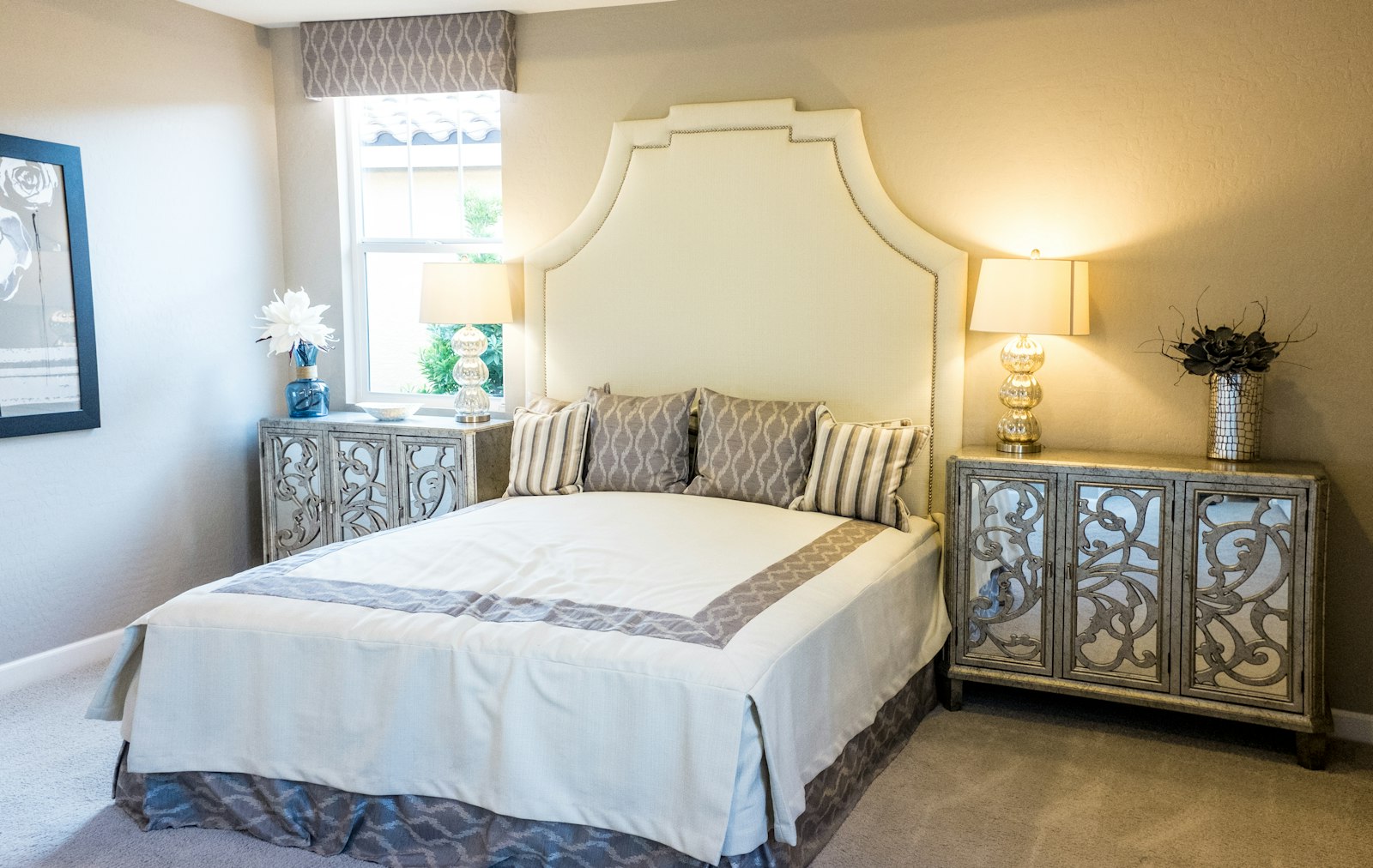
Bedrooms and suites
- Each generation has a true suite: bath, closet, and sitting or desk nook.
- Avoid shared walls with media rooms, kitchens, and laundry when possible.
- Easy morning routine flow: access to coffee and water, and a simple path outdoors.
- Consider a flexible future caregiver room near the older generation’s suite if appropriate.
Bathrooms and laundry
- Curbless showers, bench niches, and non-slip flooring that still reads high-end.
- Separate water closets in shared baths to reduce bottlenecks.
- More than one laundry zone, or at least thoughtful laundry access near each bedroom cluster.
- Linen and towel storage located where it is actually used.
For more practical tips on making your multi-generational home feel effortless, check out these home decor tips. Additionally, if you’re considering planning a new space with tighter lots in mind, you may find useful insights in this planning document.
Kitchen, dining, and entertaining zones
- A social main kitchen protected by a prep pantry for real life.
- Dining flexibility: an everyday banquette plus formal dining that can expand for holidays. This flexibility in the dining room can be achieved through smart design choices.
- Direct path from kitchen to outdoor kitchen and pool without cutting through quiet zones.
- Beverage stations on multiple floors to reduce stair traffic.
Work, school, and wellness spaces
- At least one enclosed office for calls plus a second study or homework nook.
- A small gym or stretch room placed away from bedrooms.
- Storage for devices and chargers to prevent clutter in shared areas.
- If desired, place steam shower or sauna where heat and moisture will not affect adjacent rooms.
How to design for change: flexibility without wasted square footage
Multi-generational needs evolve. A home that works beautifully today should be able to adapt without major construction.
Examples of flex spaces that earn their keep:
- A sitting room that becomes a bedroom.
- A game room that converts into a caregiver suite.
- A loft that can close into a true office.
Use doors strategically to re-zone the home when needed. Pocket doors and well-designed concealed doors can change how the house functions without changing the footprint.
Storage is also a flexibility multiplier:
- Seasonal closets
- Owner’s lockable storage
- Oversized mechanical and storage rooms so the house can absorb life without feeling crowded
Designing a Pass-Through Dining Room
When considering the best layout for a pass-through dining room, it’s essential to create a space that not only serves its primary function but also adapts seamlessly to other uses as required.
Planning and building in South Florida: what to get right early
The best outcomes usually come down to sequence. Early decisions reduce delays, change orders, and budget creep.
Choose an architect-driven process (and protect the design during construction)
An architect-driven process means the plan is tailored to your lifestyle and site first, then engineered and built precisely.
What matters most in preconstruction:
- Clear budgeting and scope definition
- Constructability review so the layout stays intact
- Early coordination on structural, mechanical, and glazing decisions that influence room placement and ceiling heights
When these decisions are made too late, “value engineering” often turns into awkward compromises: lost storage, strange hallways, undersized pantries, and bedrooms that feel exposed.
Why a boutique builder matters for complex family layouts
Multi-generational luxury homes have more zones, more systems, and more stakeholder opinions. That complexity needs tight management, transparency, and consistent quality control.
Kass Construction & Development is a state-licensed, Fort Lauderdale-based luxury builder known for its architect-driven custom homes, waterfront estates, and high-end renovations across Broward, Palm Beach, and Miami-Dade. With an integrated team and full-service delivery from concept through construction, the focus stays on precision, risk mitigation, and long-term value—exactly what multi-generational planning requires.
For commercial projects in South Florida’s coastal market, it’s also crucial to engage with a reliable construction manager. Plescia Construction has a proven track record of delivering such projects successfully.
Bringing it all together: a South Florida home that feels like a retreat for every generation
The best multi-generational luxury homes are designed around boundaries and togetherness at the same time. When the layout is right, the home feels effortless: everyone has privacy, independence is built in, and shared spaces feel inviting rather than contested.
The highest-impact moves are consistent:
- Separate suites and, when appropriate, separate entrances
- Two living zones, one calm and one active
- A secondary kitchen or prep pantry that removes daily friction
- Accessibility planning that feels like good design
- A South Florida strategy for climate resilience
If you are exploring a new build or a major renovation such as luxury home renovations or waterfront home construction, Kass Construction & Development can review your lot or an existing plan. They can help map a layout that works beautifully now and stays functional for the years ahead while ensuring smooth construction permitting processes.
FAQs (Frequently Asked Questions)
What is driving the rise of multi-generational luxury homes in South Florida?
The boom in multi-generational luxury homes in South Florida is driven by high housing costs prompting families to pool resources, lifestyle migration from other states bringing extended family along, increasing caregiving needs without institutional settings, and a desire for togetherness without sacrificing privacy.
How do multi-generational luxury homes balance privacy and togetherness?
These homes achieve balance through design features like separate entrances for suites or wings, acoustic separation with sound-rated walls and insulated doors, controlled sightlines to avoid direct bedroom exposure to busy areas, and controlled access to shared spaces using doors or vestibules.
What are the essential design elements that support independence in multi-generational living?
Key elements include kitchenettes or wet bars to reduce kitchen traffic, laundry access that doesn’t intrude on private zones, dedicated parking or clear arrival routines, and autonomous HVAC zoning with individual thermostats to allow each wing to control its comfort independently.
Why is daily flow considered more important than square footage in these homes?
Daily flow refers to efficient pathways between frequently used spaces such as bedroom to coffee area, gym to shower, or garage to pantry. Good flow enhances convenience and comfort, making the home feel luxurious by minimizing unnecessary movement regardless of overall size.
What are effective layout strategies for dual primary suites in multi-generational luxury homes?
Dual primary suites work best when placed on opposite wings or different floors to reduce noise and overlap. Each suite should have generous closets, curbless showers, seating areas, excellent natural light, and ideally direct access to outdoor spaces like a lanai or pool for added privacy and comfort.
How do South Florida’s local regulations impact multi-generational home design?
Permitting, zoning laws, flood requirements, and mechanical planning significantly influence what layouts are feasible. Home designs must comply with these regulations while meeting family needs for privacy, independence, and shared spaces to ensure safety and functionality.