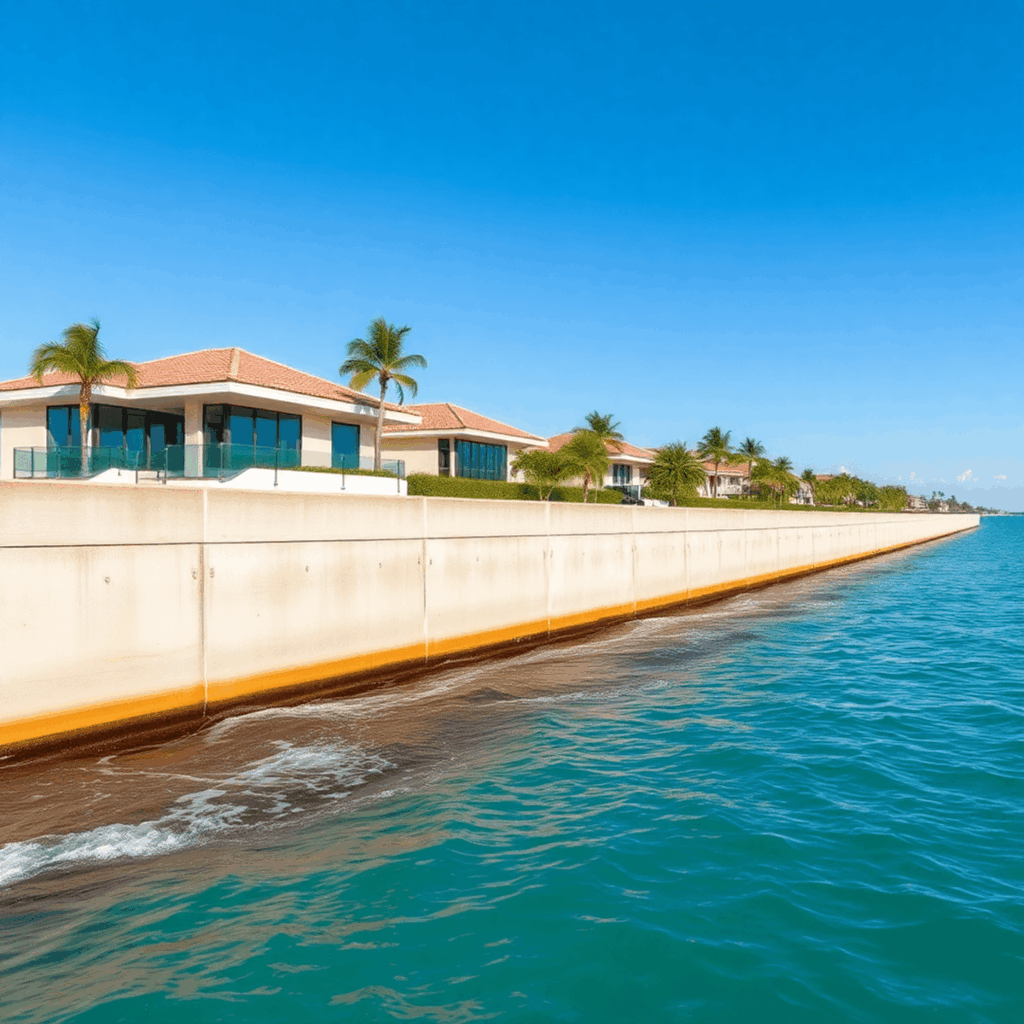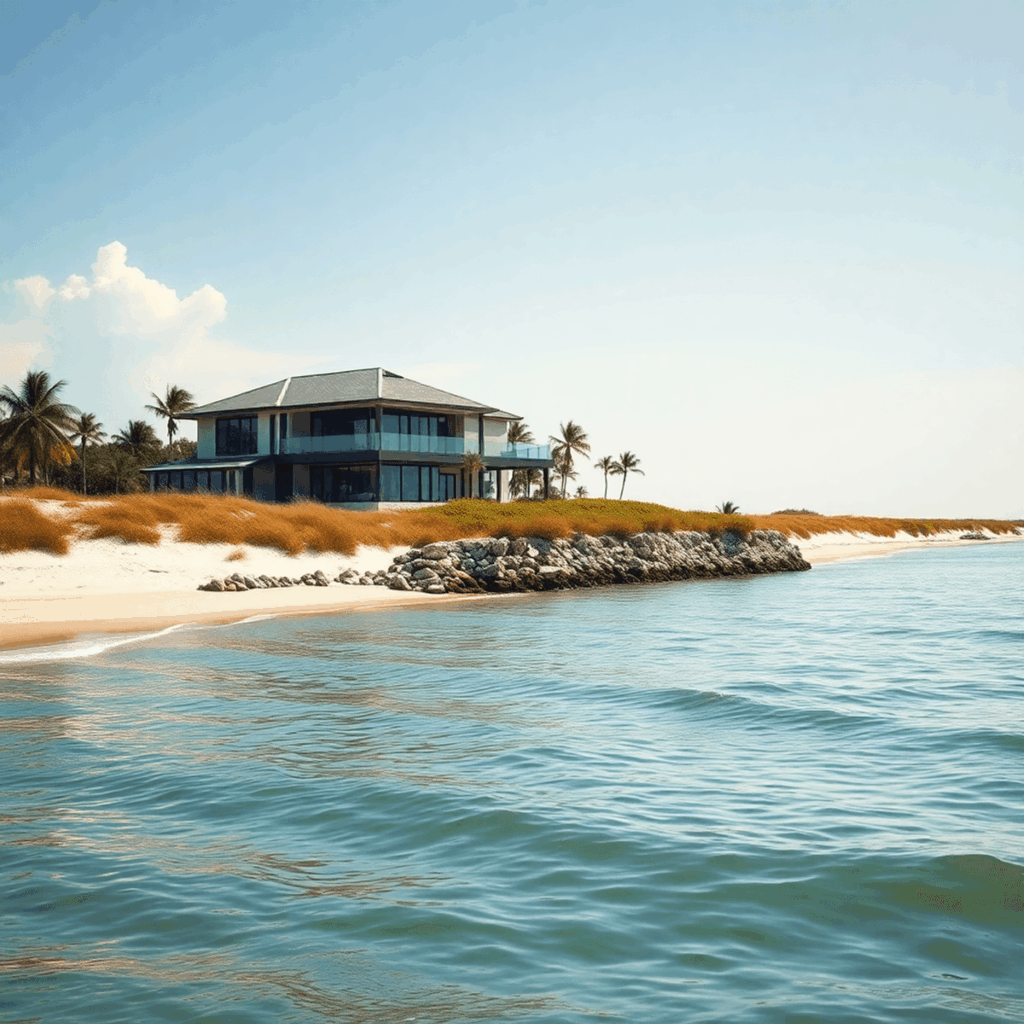
If you own a waterfront home in Broward or Palm Beach, the seawall is not just a “nice to have.” It is the thing holding your yard, your pool deck, and in a lot of cases your peace of mind, in place.
However, the permitting process for a new seawall (not a patch, not a cap repair) tends to surprise people. Because it is not only a building permit. It touches waterways, neighbors, navigation, and sometimes protected habitat. So you end up with multiple agencies, overlapping rules, and timelines that can feel slow if you expected a normal residential permit.
Below is the real, start-to-finish flow. Not perfect on every address, because Fort Lauderdale is not Lighthouse Point is not Boca, and a narrow canal is not the Intracoastal. But this is the process you can plan around.

Why seawall permitting is a big deal in Broward and Palm Beach
A seawall is construction, sure. But it is also shoreline stabilization in a regulated waterbody.
So the questions reviewers are thinking about are bigger than “is the wall engineered.”
They are thinking:
- Does this affect water flow, turbidity, or submerged bottom?
- Does it create a navigation pinch point in a canal?
- Is it going to fail and dump material into the water?
- Are there mangroves, seagrass, manatees, or other protected resources nearby?
- Are you building it right on the property line and pulling tie-backs into a neighbor’s lot?
That is why seawalls get regulated beyond normal residential construction.
Also, scope matters. Homeowners say “new seawall” when they really mean one of three things:
- Cap repair (re-pour a cap, replace coping, minor concrete restoration).
- Replacement in the same alignment (remove and rebuild where it already is).
- New seawall (new alignment, moving waterward or landward, or stabilizing a shoreline that did not have a permitted wall before).
The permitting path can change a lot based on that distinction. A small repair might stay mostly local. A new wall in tidal water can trigger state and federal review.
And on luxury waterfront homes like those involved in luxury custom home building in South Florida, the stakes are higher. The seawall is a foundational risk-mitigation asset. It protects against erosion, settlement, storm surge impacts, and it supports your long-term site plan.
When the approvals are done correctly for waterfront and coastal home construction, it protects long-term property value. However when they are not done properly, it can jam up renovation plans or even affect property sales later when buyers and insurers start asking questions about the condition of the seawall.
For homeowners considering luxury home renovations or remodeling,
The permits you’ll typically need (and who issues them)
Think of the process as a stack. Most projects touch at least two layers.
- Environmental authorization (state, and sometimes federal)
- Local building permit (city or county)
- Possible federal review depending on navigability and impacts
Florida DEP (FDEP) and related state programs
In Florida, seawalls often fall under FDEP’s environmental resource permitting framework. In some areas and for some project types, parts of this are handled through delegated programs or coordinated with the applicable Water Management District.
What matters to you as the owner is simple: if you are working in or near regulated waters, expect a state environmental authorization step unless your scope is clearly exempt.
Local municipality or county
Separately, you will need a local building permit (and usually zoning review). This is where you see requirements like:
- waterfront code restrictions
- cap elevation limits
- setbacks and corner-lot rules
- right-of-way and construction access requirements
- inspection scheduling and contractor documentation
And yes, the exact mix varies. Fort Lauderdale does not review like every other city, and Palm Beach municipalities can have their own waterfront standards too. Canal vs Intracoastal vs Lake Worth Lagoon changes things. Mangroves and seagrass change things fast.
Other common reviewers
Depending on site conditions, you may also run into:
- FWC (Florida Fish and Wildlife) for protected species measures and construction conditions.
- SHPO / archaeology (rare for a typical residential seawall, but can come up in sensitive areas).
- HOA or condo approvals if applicable. Not a government permit, but it can block the schedule just the same.
Step 1: Pre-permitting due diligence (the part that prevents expensive redesigns)
This is where projects either stay clean or get messy. The goal is not paperwork. It is avoiding a redesign after you already paid for engineering.
Classify the property and waterbody
Start with what kind of water you are on:
- Canal (and is it tidal?)
- Intracoastal Waterway
- Lake Worth Lagoon
- Freshwater (less common for “seawalls” but it happens)
Then ask: is the waterbody treated as navigable, and are there special designations? Some canals function like major corridors. Some are tight and sensitive. Reviewers care.
Confirm boundary realities
You want a current survey that helps answer:
- exact property lines at the seawall
- riparian rights basics
- easements, utilities, drainage
- whether you are near a corner lot, turning basin, canal intersection
Seawalls often sit right at the edge of “my property” vs “sovereign submerged lands” territory. And tie-backs can cross lines if you are not careful.
Check HOA and municipal waterfront rules early
Some of the most painful comments are local, not environmental.
Examples that matter in Broward and Palm Beach:
- side setbacks from property lines (especially for returns)
- tie-back or deadman encroachment limits
- max seawall height and cap elevation requirements
- dock alignment lines, and how your seawall relates to them
Early concept check with the right pros
This is where “design first, permit later” backfires.
If you sketch a beautiful waterfront hardscape plan first, then later discover the seawall has to shift, or tie-backs cannot go where you placed a pool line, you are redesigning everything.
So do a quick concept coordination with:
- a seawall contractor or builder who understands means and methods
- a coastal or civil engineer
- a surveyor (and hydrographic support if needed)
The mindset is deliverables. You want a concept that is buildable, permittable, and consistent across drawings before you submit anything.
Step 2: Hire the right team (and why it matters for approval speed)
Permits move faster when reviewers feel like the package is professionally coordinated. Seawalls are one of those scopes where a weak team shows immediately.
Coastal or civil engineer
You need sealed plans, and you need them to be practical.
Expect the engineer to address:
- wall type and structural design
- tie-backs or deadmen layout
- corrosion considerations (South Florida water is not forgiving)
- cap elevation and how it interfaces with yard grades
- drainage details and relief points (where applicable)
Land surveyor (and hydrographic, if needed)
A strong survey package typically includes:
- boundary and topography
- seawall alignment and returns
- water line references as applicable (mean high water line can matter in certain contexts)
In some areas, hydrographic information helps clarify bottom conditions and work limits.
Environmental consultant (site-dependent)
Not every site needs this, but if you have mangroves, seagrass nearby, or any “this looks sensitive” vibe, an environmental consultant can save weeks by:
- delineating resources correctly
- building the right avoidance approach
- coordinating with agencies
- preventing surprise conditions during review
For expert advice on environmental aspects, consider reaching out to a professional organization like the Environmental Science Institute at UF, which provides valuable resources.
General contractor or builder
The GC role is not just “build it later.”
For permitting, the builder helps drive:
- sequencing and means methods narrative
- access planning (barge vs land)
- dewatering approach if relevant
- turbidity controls and containment
- pulling everything into one coherent, buildable set
A company like Kass Construction & Development fits here naturally because we operate as a boutique, state-licensed luxury builder with integrated permitting and project management for waterfront estates across Broward, Palm Beach, and Miami-Dade. Seawalls are one of those scopes where risk mitigation and coordination actually matter, not as a buzzword, but as “will this review cycle go clean.”
Step 3: Engineering + site plan package (what agencies and cities want to see)
Most delays are not because the wall is impossible. They are because the plan set is inconsistent.
A solid package usually includes:
Core plan set
- existing conditions plan
- proposed seawall alignment
- profiles and sections
- structural notes and materials
- tie-back details
- cap elevation
Waterfront specifics
Reviewers want to see the “how”:
- limits of work
- access plan (barge access vs land access)
- staging area
- crane locations if relevant
- neighbor protection plan (especially if you will work close to a shared line)
Utility conflicts
This is bigger than people think on luxury properties.
You may have:
- storm and drainage lines
- water and sewer
- electrical feeds and lighting
- pool plumbing near the cap
- seawater intakes or returns
The plan set should show utility locate intent and how conflicts are handled. A comprehensive utility management strategy is essential, as relying on “we’ll field verify” is not a great permitting strategy when a tie-back is supposed to land right where a line runs.
Drainage and yard elevations
Cities care if you create runoff problems for neighbors. Engineers should coordinate the seawall cap and yard grades with landscape and hardscape plans. If you are doing a full estate renovation, this coordination is everything.
Replacement vs truly new
If you are replacing, document the existing wall:
- condition
- failure indicators
- whether alignment changes
Alignment changes are a big trigger. “Same place, same footprint” is simpler than “we are moving it waterward by two feet.”
Step 4: Environmental permitting path (FDEP, Water Management District, FWC considerations)
Environmental review usually hinges on triggers. The common ones:
- dredge or fill
- shoreline stabilization in regulated waters
- work in wetlands
- impacts near mangroves
- impacts to submerged resources
Mangroves
Mangroves are one of the fastest ways to slow a project down if you treat them casually.
There is a difference between:
- trimming
- alteration
- removal
And there are rules on timing, methods, and mitigation. The fastest route, almost always, is designing to avoid impacts.
Manatee and protected species measures
Depending on the location and waterbody, you may see conditions like:
- manatee awareness signage
- speed zone compliance
- observer requirements during certain activities (project-dependent)
These are manageable. But they need to be baked into the plan notes and the field plan, not tossed in later.
Mitigation, if impacts are unavoidable
If a design truly cannot avoid impacts, agencies may require mitigation. That can affect timeline and cost, and it can also affect your overall project sequencing.
Practical tip
Submit a conservative environmental plan set:
- clear limits of work
- clear access method
- turbidity curtain locations and details
- debris and spill prevention notes
The goal is fewer RFIs. Every RFI is basically a schedule tax.
Step 5: Federal review (USACE) and when it applies
The U.S. Army Corps of Engineers (USACE) comes into play when work occurs in navigable waters or when structures and fill have federal jurisdiction triggers. In this region, that is common along:
- the Intracoastal
- Lake Worth Lagoon
- larger tidal canals that function as navigation corridors
Types of authorizations
At a high level, you may be looking at:
- Nationwide Permits (more streamlined, for minimal impact activities)
- Individual Permits (more detailed review, typically for larger or more impactful work)
The design choices matter here. Minimal impact designs with clear work limits are more likely to fit streamlined paths.
Typical submittal components
USACE packages commonly include:
- drawings
- location map
- site photos
- construction methods
- environmental notes
- turbidity controls
Coordination with state and local
This is where projects slow down when teams are sloppy.
Agencies cross-reference. If your local plan shows one alignment and your environmental drawings show another, you just bought yourself another review cycle.
Timeline reality
Federal review can be the pacing item. If there is even a chance USACE is involved, build your schedule around that from day one.
Step 6: Local zoning and building permit submission (Broward vs Palm Beach realities)
Local building permits are separate from environmental approvals. Many jurisdictions want to see proof of application, and sometimes approvals, before they issue the building permit.
Zoning and waterfront code checks
Common checks include:
- seawall height and cap elevation
- relationship to finished grade
- setbacks to side property lines
- corner lot sightline rules (if applicable)
Neighbor considerations
This is not just “be nice.”
If you have:
- a shared or adjacent seawall situation
- tie-backs that approach a property line
- access needs that require stepping onto a neighbor’s side
Then early coordination matters. A neighbor issue can stop construction even after permits are issued.
Typical local submittal set
Varies by jurisdiction, but commonly:
- sealed engineering plans
- surveys
- geotech report (if required)
- contractor docs and licensing
- permit forms
- notice requirements (some areas require postings or neighbor notices)
And yes, some cities have unique waterfront standards. Do not assume county-wide uniformity. Verify early.
Step 7: Common review comments (and how to avoid multiple resubmittals)
Most review comments fall into a few buckets.
1. Mismatched drawings
Survey, site plan, and engineering sections must match:
- alignment
- elevations
- property lines
Even small mismatches create big doubt.
2. Tie-back and deadmen details are vague
Reviewers want exact locations relative to:
- property lines
- easements
- utilities
3. Turbidity and erosion control is under-described
A simple note is often not enough. Show:
- curtain type
- anchoring approach
- monitoring or maintenance intent
- where the work limits are
4. Environmental concerns not addressed up front
If mangroves, seagrass, or manatee conditions exist, put them into the plan notes from the start.
Best practice that actually works
One coordinated, permit-ready package:
- consistent sheets across disciplines
- a concise cover letter that explains scope clearly
- one point of contact managing responses (PM or owner’s rep)
Resubmittals happen. But multiple resubmittals often come from coordination gaps, not “the city is being difficult.”
Step 8: Timeline and cost drivers (what actually affects your schedule)
People often ask, “How long will this take?” The honest answer is: it depends on what gets triggered.
Key schedule drivers
- survey scheduling and turnaround
- engineering design time
- environmental assessments
- agency review cycles
- municipal backlog
Seasonality and site constraints
South Florida has real-world constraints:
- high-water events
- weather windows
- access limitations (tight lots, no staging, narrow canal)
- protected species conditions (project-dependent)
Cost drivers tied to permitting
For a deeper understanding of construction permitting project management in South Florida, consider these cost drivers:
- environmental surveys and delineations
- geotech (if required)
- redesigns when constraints are discovered late
- mitigation if impacts occur
- expedited plan review fees, if offered locally
A realistic sequence
Due diligence → design → environmental and federal submissions → local permit → construction start.
For luxury projects in South Florida, one extra tip that saves pain later: align your seawall permitting with the overall home build or renovation permitting strategy. This is crucial because otherwise you end up with the seawall holding up sitework, docks, pools, and landscaping. Suddenly the “easy” part becomes the critical path. If you’re interested in luxury home architecture design in South Florida, this alignment is particularly important.
Step 9: After permits are issued: pre-construction, inspections, and compliance
Permits are not the finish line. The field compliance is part of the deal.
Pre-construction requirements
- permit posting
- pre-start meeting if required
- neighbor notifications
- access logistics planning
- utility locates
Environmental compliance in the field
Expect requirements around:
- turbidity curtain installation and maintenance
- spill prevention
- debris control
- protected species conditions (if applicable)
In light of current trends in South Florida luxury real estate, it’s essential to stay informed about these factors as they can significantly impact your project’s success.
Typical inspections
- municipal building inspections at required stages
- possible agency spot checks
- documentation of as-builts and progress photos
Closeout
- final inspections
- permit closure
- retain records for future sale, refinancing, and insurance conversations
And one quality note that is not optional: seawall longevity depends on correct installation, materials, corrosion protection, and drainage relief. The permitted plans should match what is built. Value lives there.

How Kass Construction & Development helps homeowners de-risk seawall permitting
A seawall permit becomes stressful when nobody is truly owning the coordination.
Kass Construction & Development supports seawall permitting and execution as an integrated partner. We are a state-licensed luxury builder based in East Fort Lauderdale, and we work across Broward, Palm Beach, and Miami-Dade on architect-driven custom homes, waterfront estates, and high-end renovations. Permitting and project management is part of how we protect the build, not an afterthought.
What that looks like in practice:
- Owner’s representation style coordination. Managing engineers, surveyors, environmental consultants, and municipal processes so the package stays consistent.
- Risk mitigation. Fewer redesigns, fewer schedule surprises, and fewer “wait, that tie-back hits the neighbor’s easement” moments.
- Whole-property alignment. Coordinating seawalls with docks, landscape, drainage, pools, and full-home renovation or new-build plans.
If you want a clean start, we can do a permitting readiness review. Typically that means a survey and constraints check, a preliminary schedule, and a consultant coordination plan so you know what you are stepping into before you spend on a full design set.
Wrap-up: The cleanest way to get a seawall approved (and built) the first time
The simplest path, when you zoom out, looks like this: due diligence → coordinated engineering → environmental and federal approvals as needed → local building permit → compliant construction and closeout.
The core advice is not glamorous, but it works. Start with constraints, keep drawings consistent across every sheet, and use an experienced team that understands South Florida waterfront reviews. Treat the seawall like the resilience asset it is. Plan early, and it stops being a permitting headache and becomes a foundation you can build the rest of the property around.
FAQs (Frequently Asked Questions)
Why is seawall permitting important for waterfront homeowners in Broward and Palm Beach?
Seawall permitting is crucial because a seawall stabilizes your shoreline, protecting your yard, pool deck, and property from erosion and storm surge impacts. Permitting ensures that construction complies with environmental regulations, navigational safety, and protects nearby habitats like mangroves and seagrass.
What are the different types of seawall projects and how do they affect the permitting process?
There are three main types: 1) Cap repair—minor restoration like re-pouring a cap; 2) Replacement in the same alignment—removing and rebuilding where the wall already exists; 3) New seawall—building in a new alignment or stabilizing a previously unprotected shoreline. The permitting path varies significantly based on these distinctions, with new seawalls often requiring more extensive state and federal reviews.
Which permits are typically required for constructing a new seawall in South Florida?
Typically, you need an environmental authorization from state agencies like Florida DEP (FDEP), a local building permit from your city or county including zoning review, and sometimes federal review depending on waterway navigability and environmental impacts. Additional reviews may involve Florida Fish and Wildlife Commission (FWC) for protected species or HOA approvals.
What environmental considerations do regulators evaluate during seawall permitting?
Regulators assess if the seawall affects water flow, turbidity, submerged bottom habitats, creates navigation pinch points, risks material dumping into water upon failure, or impacts protected resources such as mangroves, seagrass beds, or manatees. These factors influence permit approvals to protect ecological balance.
How does the location of my waterfront property affect the seawall permitting process?
Locations differ; Fort Lauderdale has distinct regulations compared to Lighthouse Point or Boca Raton. Waterbody type matters too—canals, Intracoastal Waterways, Lake Worth Lagoon each have unique regulatory frameworks. Presence of sensitive habitats like mangroves or seagrass can also impact permit requirements and timelines.
What steps should homeowners take before applying for a seawall permit to avoid delays or redesigns?
Homeowners should conduct thorough pre-permitting due diligence by classifying their property’s waterbody type (e.g., tidal canal, Intracoastal) and understanding applicable regulations early. This helps prevent costly redesigns after engineering work by ensuring compliance with environmental rules and local codes upfront.