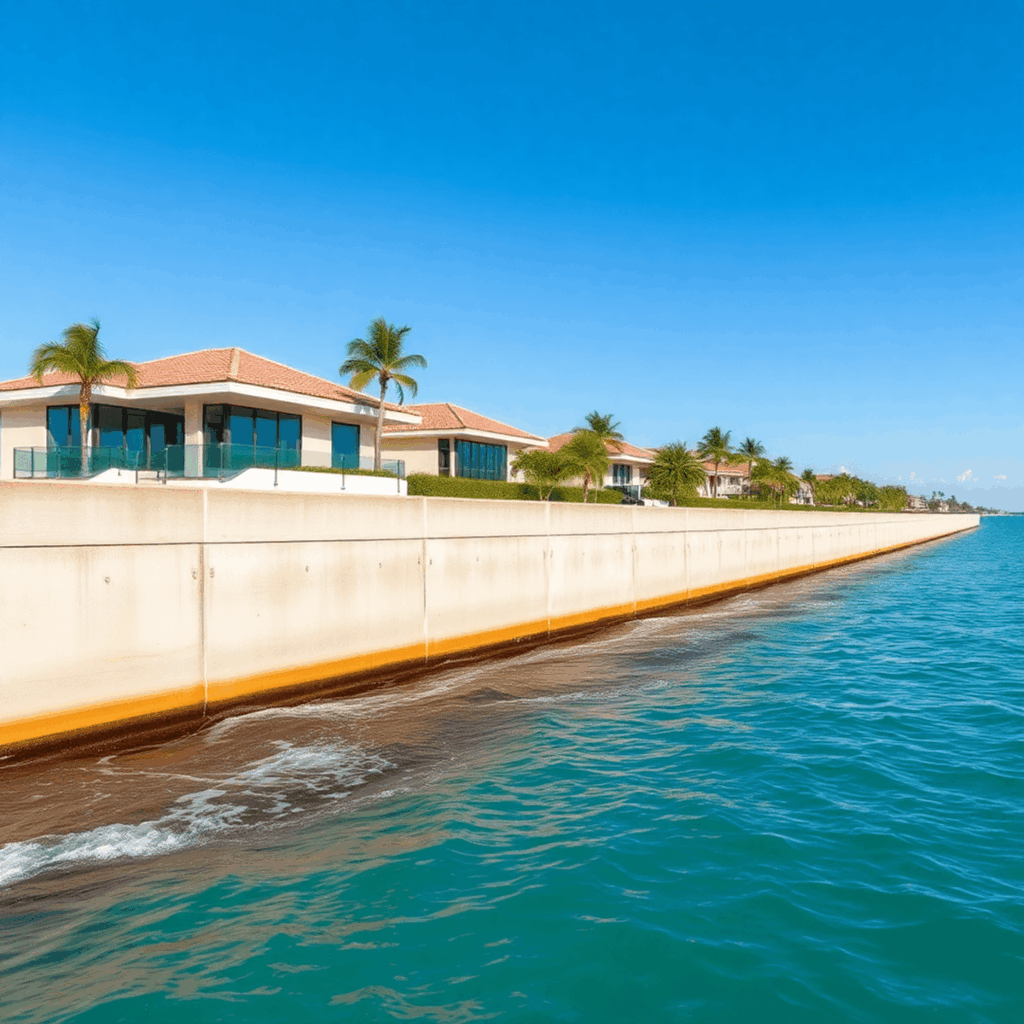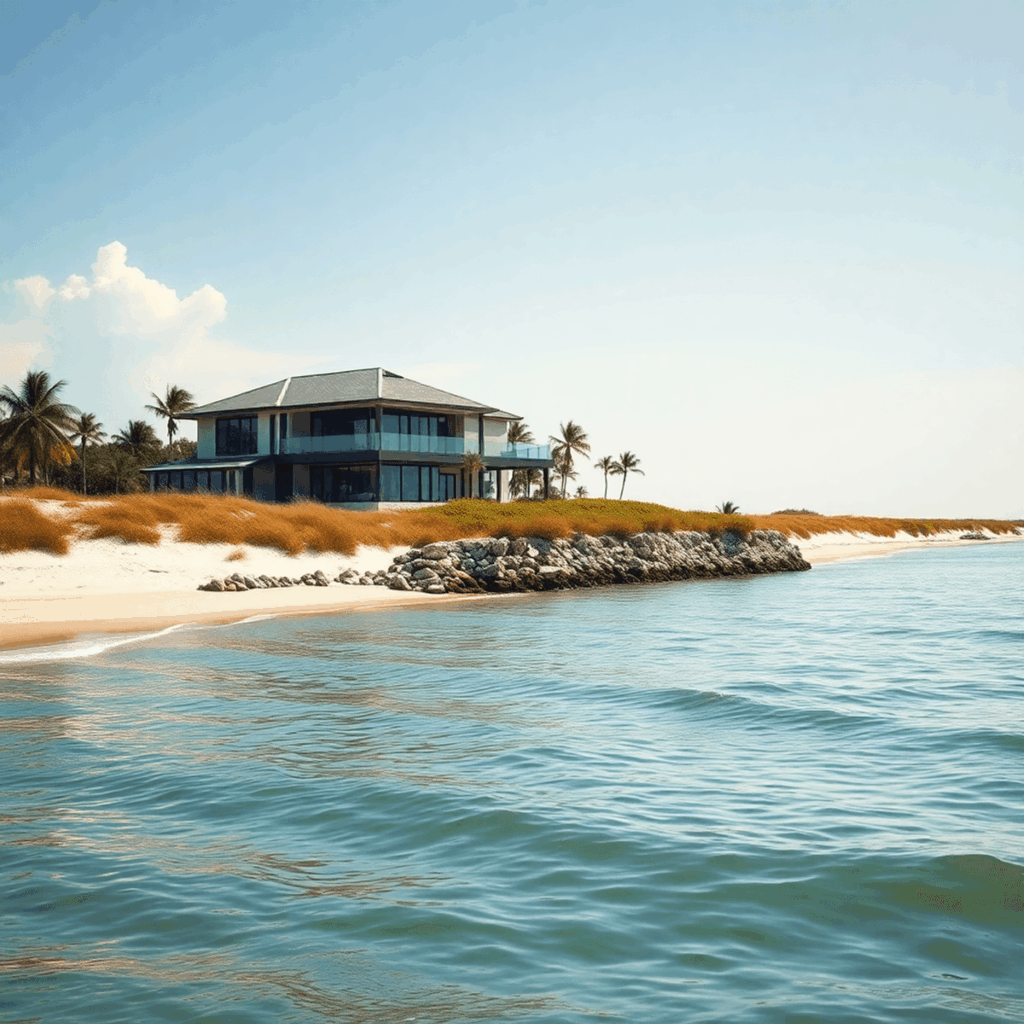
Waterfront living in South Florida has always meant designing around water. Now, with sea level rise and more frequent nuisance flooding, the “water problem” is no longer limited to a big storm. It is becoming a regular condition that affects access, utilities, and long-term property value.
This guide is written for homeowners and buyers in East Fort Lauderdale and across Broward, Palm Beach, and Miami-Dade who want their waterfront home to stay usable, insurable, and desirable over the next 30 to 50 years.
Kass Construction & Development, a state-licensed boutique luxury builder based in Fort Lauderdale, routinely coordinates architect-driven design, permitting, and high-end execution for waterfront estates and major renovations. The perspective here reflects what actually moves the needle on real projects, not just what looks good on a plan set.

Why sea level rise changes everything for South Florida waterfront builds
In neighborhoods across East Fort Lauderdale and coastal South Florida, higher tides and heavier rainfall are already showing up as:
- More “sunny day” flooding on streets and driveways
- Higher groundwater that reduces soil storage and complicates drainage
- Storm surge that stacks on top of elevated baseline water levels
For luxury waterfront properties, the real risk is not only whether the living room stays dry. It is whether the entire property system keeps working. Access roads, electrical and mechanical equipment, seawalls, docks, pool decks, drainage outfalls, and even landscape grades are all infrastructure. When any of these fail, the home may still be standing but it becomes harder to live in, harder to insure, and harder to sell at the same premium.
The goal of planning for sea level rise is not to “beat nature.” It is to make smart, defensible design decisions so the property performs gracefully as conditions change.
To achieve this delicate balance between luxury living and environmental sustainability in your waterfront home, it is essential to consider luxury custom home building practices that take into account these changing conditions. This includes understanding waterfront and coastal home construction methods that are resilient to these challenges.
Moreover, luxury home architecture design plays a pivotal role in ensuring that your property not only withstands these changes but also retains its aesthetic appeal. Whether it’s through luxury home renovations or remodeling, every decision made should reflect a deep understanding of both the environment and the unique needs of luxury waterfront living.
Start with the right baseline: what “designing for sea level rise” actually means
Most people start with a flood zone map. That is helpful, but incomplete.
Designing for sea level rise means choosing a planning horizon, typically 30 to 50+ years for a custom home or estate, and then checking how the site’s critical systems perform under more than one type of water exposure.
It also means understanding the difference between these conditions:
- Mean sea level rise: raises everyday water levels and groundwater over time
- King tides: predictable seasonal peaks that can create recurring nuisance flooding
- Rainfall flooding: intense storms that overwhelm local drainage, especially at high tide
- Storm surge: episodic, high-consequence coastal flooding driven by hurricanes
- Wave action and wake energy: affects seawalls, docks, and shoreline edges
- Groundwater rise: often the hidden driver that reduces infiltration and pushes water up into slabs, yards, and utility trenches
Freeboard and higher finished floor elevations matter, but they are not the only lever. Many waterfront properties fail first at the driveway, the garage threshold, the electrical service, the outfall, or the seawall drainage path.
A practical performance goal is twofold:
- Reduce chronic disruption (standing water, corrosion, pump overload, recurring repairs).
- Reduce catastrophic loss (major surge damage and expensive system failure).
Site + risk assessment: the inputs that drive smart waterfront infrastructure decisions
Good decisions come from good inputs. Before design gets too far, a waterfront project should typically include a thorough site assessment and risk evaluation to inform smart waterfront infrastructure decisions.
Survey and elevation data
You want a clear picture of existing conditions:
- Existing grades and spot elevations
- Finished floor elevation (existing or proposed)
- Seawall cap and dock elevations
- Roadway high points and low points, including where water ponds during king tides
Geotechnical and groundwater testing
A geotechnical evaluation helps clarify:
- Seasonal high groundwater elevation
- Soil bearing capacity and settlement risk
- Corrosion exposure for embedded metals and concrete
Coastal and waterway conditions
A canal lot behaves differently than an intracoastal edge. Key factors include:
- Exposure and fetch, which influence wave energy
- Boat wake impacts
- Erosion and scour zones near wall toes and corners
Regulatory overlays
South Florida waterfront design is heavily shaped by rules and review layers, including:
- FEMA flood zone and base flood elevation requirements
- Local stormwater criteria and discharge limitations
- Coastal Construction Control Line, where applicable
- Municipal seawall and dock rules, plus permit pathways
How Kass helps: Kass Construction & Development coordinates the general contracting, permitting, project management, and professional partners so surveys, engineering, and site realities become a buildable scope early. That reduces redesign later, which is where many waterfront projects lose months and budget.
Set performance targets before you draw details
Waterfront infrastructure design improves dramatically when you set measurable targets early.
Establish elevation targets
Typical targets to define up front include:
- Finished floor elevation (FFE)
- Driveway and garage thresholds
- Mechanical platforms and equipment pads
- Critical electrical panels, transfer switches, and generator pads
Define serviceability targets
These are lifestyle and maintenance decisions, not just engineering:
- How many days per year can the driveway flood before it becomes unacceptable?
- What level of saltwater exposure is acceptable for hardware and finishes?
- How often is it reasonable for pumps to run in wet season conditions?
Choose storm design events
A resilient waterfront plan looks at combined conditions:
- Design rainfall intensity
- High tide and king tide conditions
- Surge scenarios
- Rain plus high tide combinations, which often create the most frequent problems
Budget strategy for luxury builds
If you are building at the luxury level, resilience spending is most effective when it protects function and resale first. This aligns with current South Florida luxury real estate trends, which emphasize strategic investments in real estate. The focus areas should be:
- Access and drainage
- Utilities and equipment protection
- Seawall and marine structure integrity
- Architectural and finish upgrades that sit on top of a stable system
Elevation strategy: raising the home is only one part of raising the property
Elevating a new home can be straightforward on paper, but the property still needs to work as a whole.
When elevation makes sense
- New construction: you have the best opportunity to set FFE, garage thresholds, and infrastructure elevations correctly.
- Major renovations: you may not be lifting the structure, but you can still elevate equipment, improve drainage, and reduce repetitive wetting at the edges.
Driveway and access planning
If the home is higher but the approach floods frequently, daily usability suffers. Design needs to address:
- Transitions to public road elevations
- Emergency and service access during nuisance flooding
- Where water goes when gravity drainage slows or stops
Terracing the site
Many high-end waterfront sites can be shaped with subtle grade changes that do not look engineered:
- Gentle terraces that route water away from structures
- Retaining edges integrated into landscape and hardscape
- Clear overflow pathways that prevent random ponding
Garage and entry detailing
This is a common weak point in luxury waterfront homes. Consider:
- Flood-resistant thresholds where appropriate
- Trench drains in the right locations, with service access
- Water-managed vestibules that keep minor flooding from becoming interior damage
The best outcomes come from close coordination between builder, architect, and civil and structural design so elevation and drainage strategies support the luxury aesthetic rather than fight it.
Seawalls, bulkheads, and shoreline edges: design for higher water + stronger forces
Seawalls and bulkheads often define whether a waterfront lot stays stable over decades. They also fail in very predictable ways.
Common failure modes
- Overtopping during higher water events
- Toe scour from surge, wave reflection, and prop wash
- Tieback corrosion and anchor failure
- Panel cracking and deflection
- Backfill loss through joints or failed drainage paths
Design considerations that matter
A seawall plan should account for:
- Target wall elevation and cap details
- Drainage behind the wall to relieve hydrostatic pressure
- Tieback systems and corrosion protection
- Access for inspection and maintenance
Living with water, without pushing risk next door
Higher walls can help, but they can also shift problems:
- Increased reflected wave energy can worsen scour
- Wall height decisions can impact neighbors and permitting outcomes
- Context-sensitive design is often required to balance protection with local conditions
A strong approach integrates the edge with the rest of the site so seawall height aligns with yard grades, pool decks, and dock platforms. The property should still function when normal water is higher.
Permitting is also real. Waterfront wall work often triggers multiple reviews and coordination steps. Experienced project management is not optional here.
Docks, boat lifts, and marine structures: keep them usable at future water levels
A dock that works today may become awkward or unsafe if normal water levels rise, especially when paired with higher surge and wake loads.
Dock elevation and freeboard
Plan for higher normal water while maintaining:
- Safe boarding and movement
- Code compliance and reasonable step heights
- Practical transitions between seawall cap, dock, and yard
Pile capacity and durability
Marine structures should be evaluated for:
- Embedment depth and lateral/uplift capacity
- Hardware durability in a corrosive environment
- Load cases that include surge and wave action, not only calm-water use
Utilities on docks
Dock utilities are frequently damaged during floods because they are installed too low or without proper loops:
- Elevate and loop electrical and water connections
- Use backflow prevention
- Place shutoffs above expected flood levels and where they can be accessed quickly
Boat lift planning
Boat lifts should be selected and installed with future conditions in mind:
- Travel limits that still work at higher water
- Motor placement that stays protected
- Surge load considerations and robust attachment detailing
Material selection
For long-term maintenance reduction, details matter:
- Composite decking where appropriate
- Marine-grade stainless selections in the right applications
- Coatings and isolation strategies to reduce corrosion and galvanic reactions
Stormwater and drainage: the quiet system that fails first when tides rise
Many waterfront lots become flood-prone not because of rain volume alone, but because gravity drainage stops working when outfalls sit below high tide. When that happens, water backs up and has nowhere to go.
Design tools that actually help
Depending on the site, solutions may include:
- Check valves or tide-flex valves at outfalls
- On-site pump systems, sometimes with redundancy
- Detention or retention areas that store water temporarily
- Infiltration where feasible, recognizing groundwater limitations
- Defined overflow pathways that protect structures and keep water moving
Integrate hardscape drainage
Luxury hardscapes should perform like infrastructure:
- Slot drains and trench drains placed where water concentrates
- Proper grading away from structures and toward collection points
- Permeable pavers where appropriate and buildable for the soil conditions
Landscape as infrastructure
A high-end landscape can still do work:
- Swales and rain garden zones that store and slow runoff
- Salt-tolerant plant selections in brackish exposure areas
- Grading that looks natural while steering water
Maintenance planning
Drainage systems need access and monitoring:
- Cleanouts located where they can be serviced
- Pump redundancy where the consequence of failure is high
- Monitoring for seasonal storms, especially if the home is vacant part of the year
Utilities and building systems: protect the components insurers and owners care about most
On high-end homes, the most expensive and disruptive damage often comes from systems, not finishes.
Electrical
Plan to protect:
- Main panels and subpanels
- Generators and transfer switches
- Critical circuits and sealed penetrations
- Flood-resistant pathways and thoughtful placement for service access
HVAC
HVAC planning should address:
- Condensers and air handlers placed above risk elevations
- Airflow, noise control, and screening without trapping moisture
- Service access that remains workable during wet conditions
Gas systems (if applicable)
- Regulator placement and shutoffs above flood levels
- Clear, accessible shutoff points for emergency response
Smart controls
Well-integrated monitoring can limit damage:
- Water sensors in vulnerable zones
- Sump and pump status monitoring
- Automated shutoffs where appropriate
A key “owner’s representation” value here is sequencing and coordination so protection is built in from the start, not patched later when trades collide.
Materials and detailing for saltwater, humidity, and repetitive wetting
Waterfront durability is rarely about one magic material. It is about assemblies and detailing.
Concrete and rebar
Durability often depends on:
- Mix design and appropriate admixtures
- Rebar cover and placement discipline
- Crack control strategies to limit chloride intrusion
Metals and fasteners
Choose and detail to reduce corrosion:
- Stainless and galvanized selections appropriate to the exposure
- Isolation to prevent galvanic corrosion
- Protective coatings where needed, paired with realistic maintenance expectations
- Consideration of corrosion types for better material selection
Exterior envelopes
South Florida exposure demands:
- Moisture-managed wall assemblies
- Impact-rated openings
- Durable sealants and detailing for wind-driven rain
Hardscapes
Hardscape failure is often base failure:
- Pavers and stone suitable for brackish wetting
- Correct base materials and compaction
- Joints and drainage layers designed to move water, not trap it
For luxury homes, the best specifications are life-cycle driven. The goal is for the home to still look sharp in year 10, not just on turnover day.
Permitting, codes, and approvals in Broward/Palm Beach/Miami-Dade: plan early to avoid redesign
Waterfront projects take longer because they involve more than a building permit.
Key approval buckets
Depending on scope, you may face:
- Zoning and site plan review
- Building and floodplain compliance
- Stormwater approvals
- Seawall and dock permits
- Utility coordination and inspections
Why waterfront projects take longer
Common delay drivers include:
- Multiple agencies and layered review cycles
- Neighbor impact concerns
- Environmental review triggers
- Survey and elevation documentation requirements
Documentation that speeds approvals
Projects move faster when the package is clear:
- Elevation plans that reconcile all site elements
- Drainage narratives that explain intent and redundancy
- Structural details for marine work
- Construction sequencing that reduces risk during excavation and tieback installation
A boutique, integrated firm like Kass Construction & Development helps by managing permitting and project management while coordinating architects and engineers so the design intent survives the process.
Phasing and budgeting resilience: what to do now vs what to design for later
Not every resilience improvement has to happen on day one, but certain items are far cheaper to address early.
Immediate must-dos for new builds
- Set correct elevation targets across the full site system
- Protect utilities and locate equipment intelligently
- Add drainage backflow control and plan for pump strategies if needed
- Assess seawall condition early, before architectural decisions lock in grades
Smart future-ready provisions
Even if you do not install everything now, you can design for it:
- Space for pump equipment and access routes
- Conduits and pathways for higher future equipment
- Structural capacity for potential future wall or dock adjustments
- Accessible shutoffs and serviceable cleanouts
For renovations and remodels
When you cannot fully regrade or elevate, prioritize:
- Relocating vulnerable systems
- Improving drainage and backflow control
- Hardscape and threshold detailing that reduces repetitive water intrusion
For luxury homeowners, the value argument is simple: resilience upgrades protect lifestyle continuity and long-term property value, not just code compliance.
Putting it all together: a practical planning workflow for a waterfront estate project
A clean process reduces surprises.
Step 1: Discovery
- Lifestyle goals, ground-floor use, and tolerance for disruption
- Boat use and dock expectations
- Risk tolerance and planning horizon
Step 2: Due diligence
- Survey and elevation mapping
- Geotechnical and groundwater evaluation
- Seawall condition assessment
- Drainage and outfall evaluation
Step 3: Concept design with performance targets
- Elevation and serviceability targets
- Drainage approach and redundancy
- Marine structure concepts aligned with future water levels
Step 4: Permitting-aligned design development
- Details that match municipal rules and review pathways
- Clear narratives and complete documentation to reduce back-and-forth
Step 5: Construction execution
- Sequence marine work, drainage, and site systems to avoid rework
- Coordinate trades so utilities protection is integrated, not compromised
- Protect materials and assemblies from early exposure during the build
Step 6: Handoff and maintenance
- As-builts and elevation documentation
- Service schedules for pumps, valves, and marine hardware
- Monitoring plan for seasonal conditions
If you are planning a waterfront custom home, teardown rebuild, or high-end renovation in Fort Lauderdale or elsewhere in South Florida, Kass Construction & Development can act as your licensed builder and owner’s representative, coordinating architecture and engineering partners, permitting, and high-end execution from concept to completion.
FAQs (Frequently Asked Questions)
Why is sea level rise a critical factor in South Florida waterfront home design?
Sea level rise significantly impacts South Florida waterfront homes by causing more frequent nuisance flooding, higher groundwater levels, and increased storm surge risks. These conditions affect not just the living spaces but also essential infrastructure such as access roads, electrical systems, seawalls, docks, and drainage. Designing with sea level rise in mind ensures the property remains usable, insurable, and retains its value over the next 30 to 50 years.
What does ‘designing for sea level rise’ entail for luxury waterfront properties?
Designing for sea level rise involves selecting an appropriate planning horizon (typically 30 to 50+ years) and assessing how a property’s critical systems perform under various water exposure scenarios like mean sea level rise, king tides, rainfall flooding, storm surge, wave action, and groundwater rise. It requires comprehensive site assessments and risk evaluations to make informed decisions that reduce chronic disruptions and catastrophic losses while balancing luxury living with environmental sustainability.
How do different types of water exposure affect waterfront home infrastructure?
Different water exposures impact waterfront infrastructure uniquely: mean sea level rise elevates baseline water levels; king tides cause seasonal nuisance flooding; rainfall flooding overwhelms drainage systems; storm surge leads to episodic severe coastal flooding; wave action and wake energy stress seawalls and docks; groundwater rise reduces soil infiltration causing water intrusion into slabs and utilities. Understanding these factors helps in designing resilient waterfront homes.
What preliminary assessments are essential before designing or renovating a South Florida waterfront home?
Before proceeding with design or renovation, it’s crucial to conduct thorough site assessments including survey and elevation data (existing grades, finished floor elevations, seawall and dock heights), geotechnical and groundwater testing (seasonal high groundwater levels, soil bearing capacity, corrosion risks), and evaluations of coastal and waterway conditions. These inputs inform smart infrastructure decisions tailored to the unique challenges of each waterfront property.
Why is it important to consider infrastructure elements beyond just the home’s living areas in flood-prone waterfront properties?
In flood-prone waterfront properties, elements such as access roads, electrical and mechanical equipment, seawalls, docks, pool decks, drainage outfalls, and landscape grading are vital components of the property’s overall system. Failure in any of these can make the home difficult to live in, insure, or sell at premium values even if the main structure remains intact. Comprehensive design ensures all infrastructure functions effectively under changing environmental conditions.
How can homeowners balance luxury living with environmental sustainability in South Florida waterfront homes?
Homeowners can achieve this balance by engaging with luxury custom home building practices that incorporate resilient construction methods tailored for coastal challenges. This includes architect-driven designs that anticipate sea level rise impacts, utilizing materials resistant to corrosion and flooding damage, thoughtful landscaping that manages drainage effectively, and renovations that enhance both aesthetic appeal and functional durability over time.