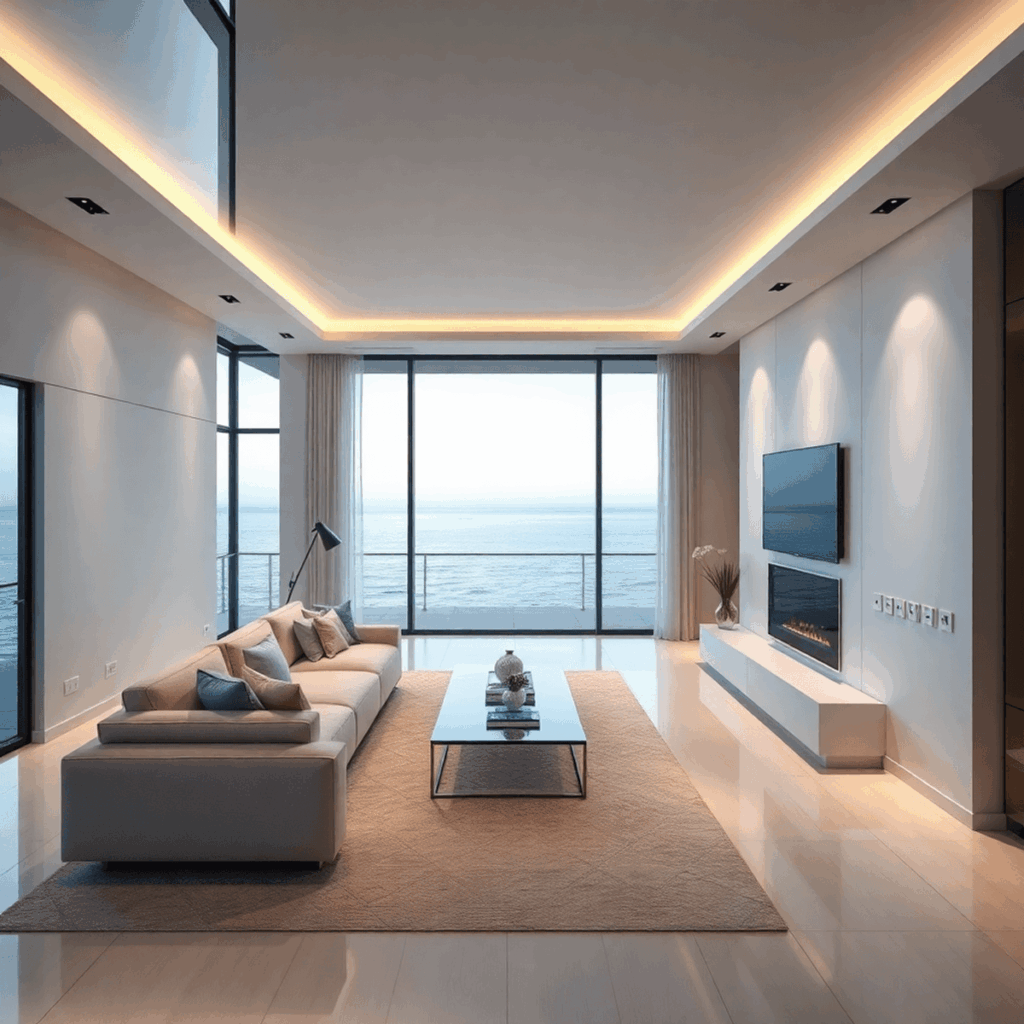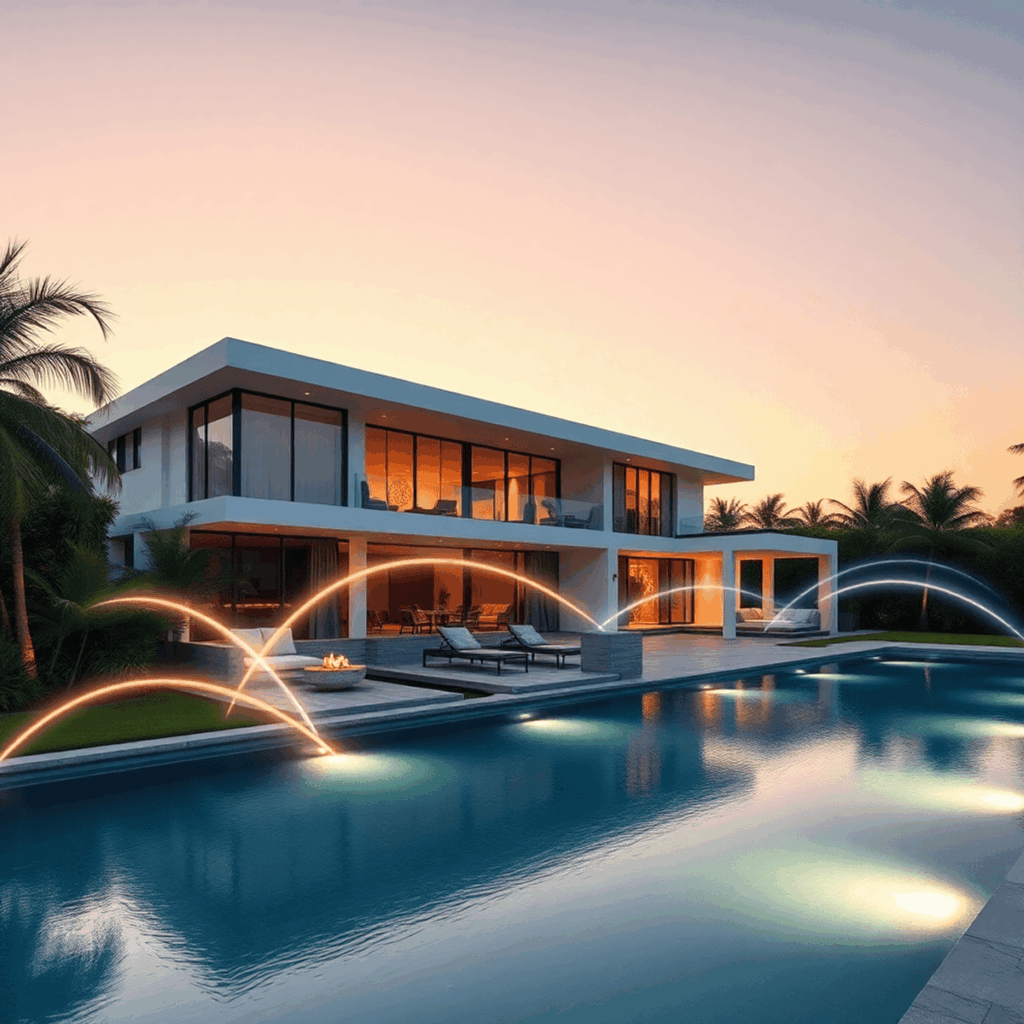
Luxury estates are designed to feel effortless. Quiet comfort in every room, stable humidity for art and millwork, a pool that is always ready, and power that does not blink when the grid does.
That “effortless” experience is exactly why energy management matters. Not as a cost-cutting exercise, but as a performance strategy that protects the home, the lifestyle, and the long-term value of the property.
In South Florida, it matters even more. Heat and humidity drive year-round mechanical loads. Salt air accelerates corrosion. Hurricanes create outage risk, insurance pressure, and a growing expectation that a serious estate can operate independently for a period of time. Utility rates continue to rise, and large homes feel those increases quickly.
A modern luxury estate should be designed like a system: envelope, mechanical, electrical, controls, renewables, and water, all coordinated from the beginning.
Kass Construction & Development is a boutique, architect-driven custom builder based in Fort Lauderdale, serving Broward, Palm Beach, and Miami-Dade. For new builds and high-end renovations such as luxury home renovations, their role is to help owners and design teams make the right performance decisions early, then execute them cleanly from concept to completion.
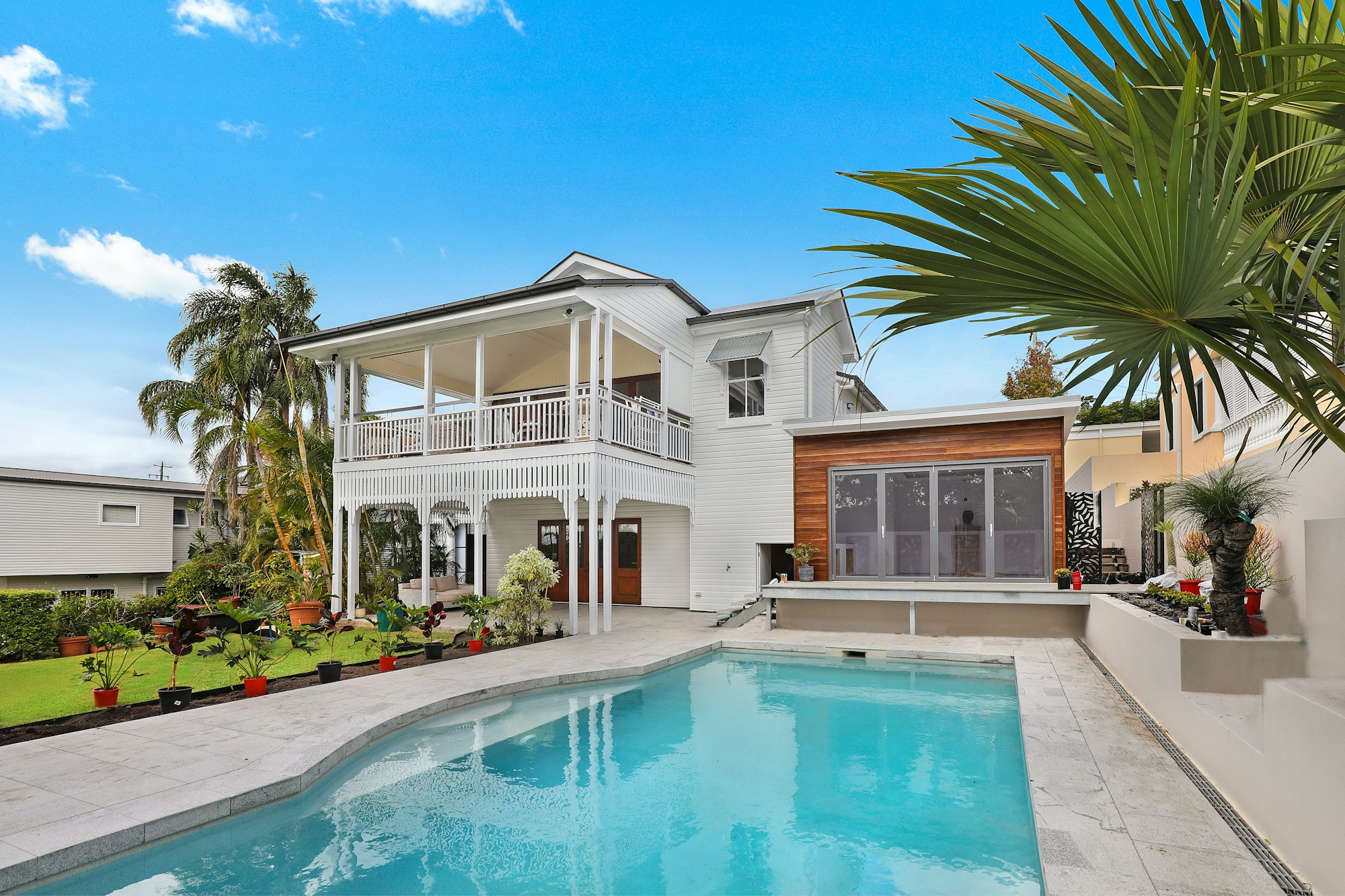
Why “energy management” matters more in luxury estates (especially in South Florida)
Energy management for a luxury home is the disciplined design and control of comfort, resilience, operating costs, and building performance. It is not about sacrificing aesthetics or “doing less.” It is about building a home that runs predictably at estate scale.
Luxury estates are uniquely energy-intensive because they tend to include:
- Large conditioned square footage and high ceilings
- Multi-zone HVAC, guest houses, and staff quarters
- Pools, spas, saunas, and outdoor showers
- Elevators, theaters, gyms, and large AV systems
- Wine rooms, safe rooms, server closets, and specialty refrigeration
- Landscape lighting, dock systems, and waterfront equipment
- EV charging and multiple electrical panels
In South Florida’s unique environment where waterfront and coastal home construction poses additional challenges such as humidity and salt-air corrosion. These loads sit on top of real constraints: humidity, salt-air corrosion,hurricane code requirements, and outage risk. The result is simple: if the home is not engineered as a whole with luxury custom home building principles in mind you get comfort complaints, mold risk, equipment failures, and expensive retrofits.
This article lays out a practical roadmap that aligns with how high-end projects actually succeed: reduce demand first with [luxury home architecture design](https://kassconstruction.com/insights/luxury-home-architecture-design-south-florida
The core building blocks of an energy-smart luxury estate
A useful way to think about sustainability for luxury estates is a “stack”:
- Reduce demand (envelope and passive strategies)
- Optimize major systems (HVAC, dehumidification, water heating)
- Add automation and monitoring (control logic and alerting)
- Add on-site generation and storage (solar, battery, generator)
For luxury homes, the best sustainability upgrades are often invisible. They protect finishes, stabilize humidity, reduce noise, and make the home more resilient.
The non-negotiable is coordination. Architect, MEP engineers, builder, and automation integrator must align early. When these disciplines meet late, projects get change orders, compromised aesthetics, and systems that fight each other.
1) Start with the building envelope (the biggest ROI you don’t see)
The envelope is your foundation. If you want quiet comfort and stable humidity, the first “system” is the shell:
- Air sealing to reduce infiltration and moisture intrusion
- Insulation strategy that matches the assembly and climate
- High-performance windows and doors for heat gain control
- Shading and solar control to reduce cooling load
- Cool roofs and appropriate roof assemblies
In South Florida, humidity control is a durability issue. A better envelope helps your HVAC system do its job, reducing the risk of mold, odors, and warping in millwork. It also helps protect artwork, leather, and high-end finishes that do not tolerate swings in moisture.
South Florida-specific considerations commonly include:
- Impact-rated glazing and correctly detailed installation
- Coastal exposure with hardware and fasteners selected for corrosion resistance
- Vapor management and careful detailing at transitions
- Radiant barriers where appropriate for roof assemblies and attic conditions
To evaluate envelope performance on a luxury project:
- Blower door testing targets (a measurable airtightness goal, not a guess)
- Window ratings (U-factor and SHGC appropriate for orientation and view priorities)
- Thermal bridging details (balconies, slab edges, and steel elements)
- Roof assembly choices (vented vs unvented, insulation location, and moisture behavior)
Luxury estate construction in South Florida comes with its unique set of challenges and opportunities. Understanding South Florida luxury real estate trends can provide valuable insights into making informed decisions regarding investments in this sector.
Moreover, leveraging resources from industry experts can greatly enhance the quality of your construction project. For instance, Kass Construction’s insights offer a wealth of knowledge on various aspects of luxury estate construction. Their resources page also provides useful tools and information that can aid in your construction journey.
2) Right-size HVAC + dehumidification for comfort in every zone
Oversizing HVAC is common in luxury homes. It happens because square footage is large, glass is abundant, and teams want to “play it safe.” The problem is that oversized equipment often short cycles, which hurts dehumidification, creates temperature swings, and can increase wear.
Best-in-class approaches typically include:
- Variable-speed heat pumps and air handlers for stable performance
- VRF systems where appropriate for zoning complexity
- Dedicated dehumidification to control moisture independently of temperature
- ERV/HRV considerations for tighter homes that need controlled fresh air
Zoning should match how the estate is used:
- Bedrooms and primary suites often need quieter, lower-velocity comfort
- Entertaining areas need capacity and smart pre-conditioning before events
- Guest houses require independent schedules and “guest mode” presets
- Gyms, theaters, and wine rooms have unique heat and humidity loads
Coastal maintenance and lifecycle planning matter as much as initial design:
- Corrosion-resistant components and coatings in coastal zones
- Condensate management designed to avoid leaks and clogs
- Service access planned early so filters, pumps, and controls are not buried behind finished millwork
Commissioning is where luxury systems become predictable:
- Testing and balancing for airflow and pressure
- Controls tuning so zones do not “hunt”
- Seasonal setpoint strategies, including humidity targets
3) Hot water systems designed for performance and efficiency
Hot water in an estate is both a comfort feature and a distribution problem. Long runs, multiple wings, outdoor amenities, and guest quarters can create lag, waste, and inconsistent temperature if the system is not engineered.
Common options include:
- Heat pump water heaters (where feasible and properly located)
- High-efficiency tank systems designed for high draw profiles
- Recirculation loops with smart controls to reduce waste
- Point-of-use boosters for remote bathrooms or long runs
Luxury use cases typically drive design:
- Multiple primary suites and spa bathrooms
- Large soaking tubs and multi-head showers
- Outdoor kitchens, guest quarters, and cabanas
Efficiency and performance upgrades that do not affect aesthetics:
- Pipe insulation and layout discipline
- Manifold plumbing approaches where appropriate
- Demand-controlled recirc pumps that run when needed, not all day
Solar thermal can work, but for many estates PV often wins on simplicity and flexibility, especially when paired with monitoring and storage.
4) Lighting, glazing, and shading that reduce load without sacrificing aesthetics
Lighting and shading are where “energy management” can feel like pure luxury.
Key lighting strategies:
- High-quality LED specification (high CRI for accurate color, dim-to-warm in living areas)
- Layered lighting with scenes for entertaining, art, and nighttime paths
- Exterior lighting with dark-sky-friendly controls and thoughtful aiming
Motorized shading delivers multiple benefits at once:
- Reduces solar heat gain during peak sun
- Improves privacy without closing off views
- Protects art and furnishings from UV exposure
- Integrates into automation scenes for a consistent daily rhythm
Daylighting strategy should be intentional:
- Orientation and overhangs to balance views and heat gain
- Clerestories and controlled glazing where it enhances architecture
- SHGC selection that reflects each elevation, not a one-size choice
Controls that quietly reduce waste:
- Occupancy and vacancy sensors in secondary spaces
- Astronomical timers for exterior lighting and landscape zones
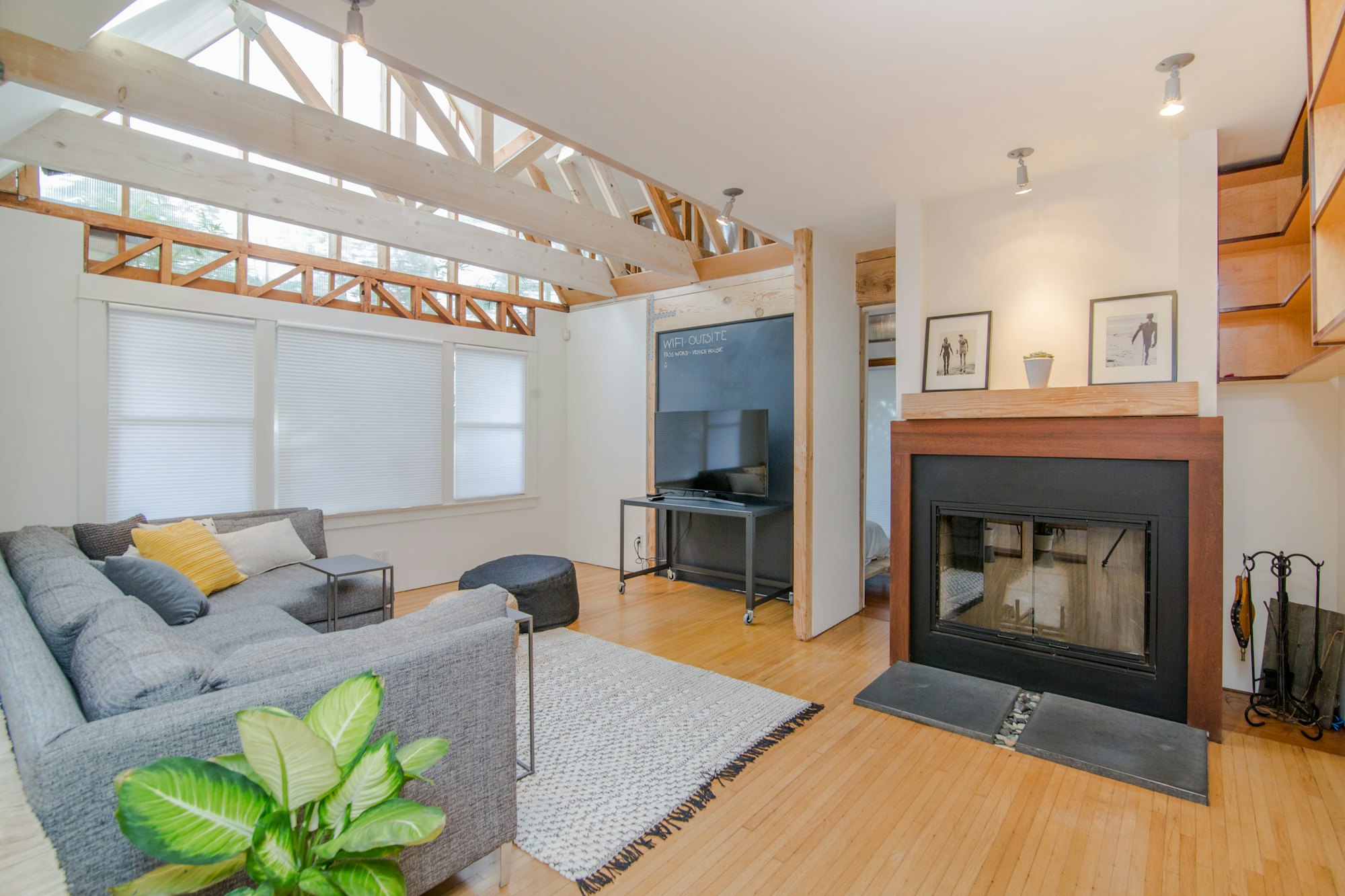
The “brain” of the estate: energy management and automation systems
An Energy Management System (EMS) in a residential luxury context is not just a tablet on the wall. It is a designed layer of monitoring, control, optimization, and alerting.
Basic smart gadgets are fine for a small home. Estates need engineered whole-home control with reliability, serviceability, and a plan for long-term support.
A single pane of glass matters because it reduces app sprawl, prevents conflicts between systems, and creates predictable performance for owners and property managers.
Real-time monitoring: know where the energy is going
Monitoring can be whole-home and circuit-level, with visibility into:
- HVAC and dehumidification
- Pool and spa equipment
- EV charging
- Lighting and receptacle loads
- Guest house and dock systems
- Specialty loads like wine rooms and AV racks
Dashboards help owners and property managers see trends, spot anomalies, and understand peak demand behavior.
Alerting is where estates get real value:
- A pool heater stuck on
- A runaway dehumidifier
- Abnormal humidity in a wine room
- Generator exercise failures or low fuel warnings
For high-net-worth households, data ownership and privacy should be part of the specification: who can access what, how it is stored, and how service is handled.
Smart load control: reduce peaks without anyone noticing
The goal is comfort-first control that reduces peaks and prevents avoidable demand spikes:
- Stagger HVAC starts after an outage or setback
- Schedule pool pumps intelligently
- Manage high-draw resistance loads when possible
- Shift EV charging off-peak
For lifestyle, automation should feel natural:
- Pre-cool and pre-dehumidify before events
- Geofencing for arrival and “welcome” scenes
- Guest mode presets for suites and guest houses
Where utility programs exist, demand response readiness can be a bonus, but it should never compromise critical comfort or security systems.
Critical spaces to protect with priority logic:
- Server and AV closets
- Wine rooms
- Security and access control
- Communications and networking
Indoor environmental quality (IEQ) as part of sustainability
Sustainability is not only kilowatt-hours. For luxury estates, IEQ is often the real performance metric:
- Humidity control
- Ventilation strategy
- Filtration and particulate management
- VOC management through material choices
- Acoustic comfort
Sensors can track CO2, PM2.5, humidity, and temperature, then automate ventilation and dehumidification based on thresholds. Paired with moisture-resistant assemblies and low-VOC finishes, IEQ strategies preserve health and long-term value.
On-site power: solar, battery storage, and generator integration for true resilience
In high-end estates, resilience is luxury. The goal is to keep the home livable during outages: security, refrigeration, communications, and at least a subset of comfort zones.
The correct design order is:
- Critical loads panel definition
- Battery and inverter sizing
- PV sizing
- Generator coordination
In South Florida, this must be planned alongside permitting, HOA considerations, roof type, and aesthetics like panel placement and setbacks.
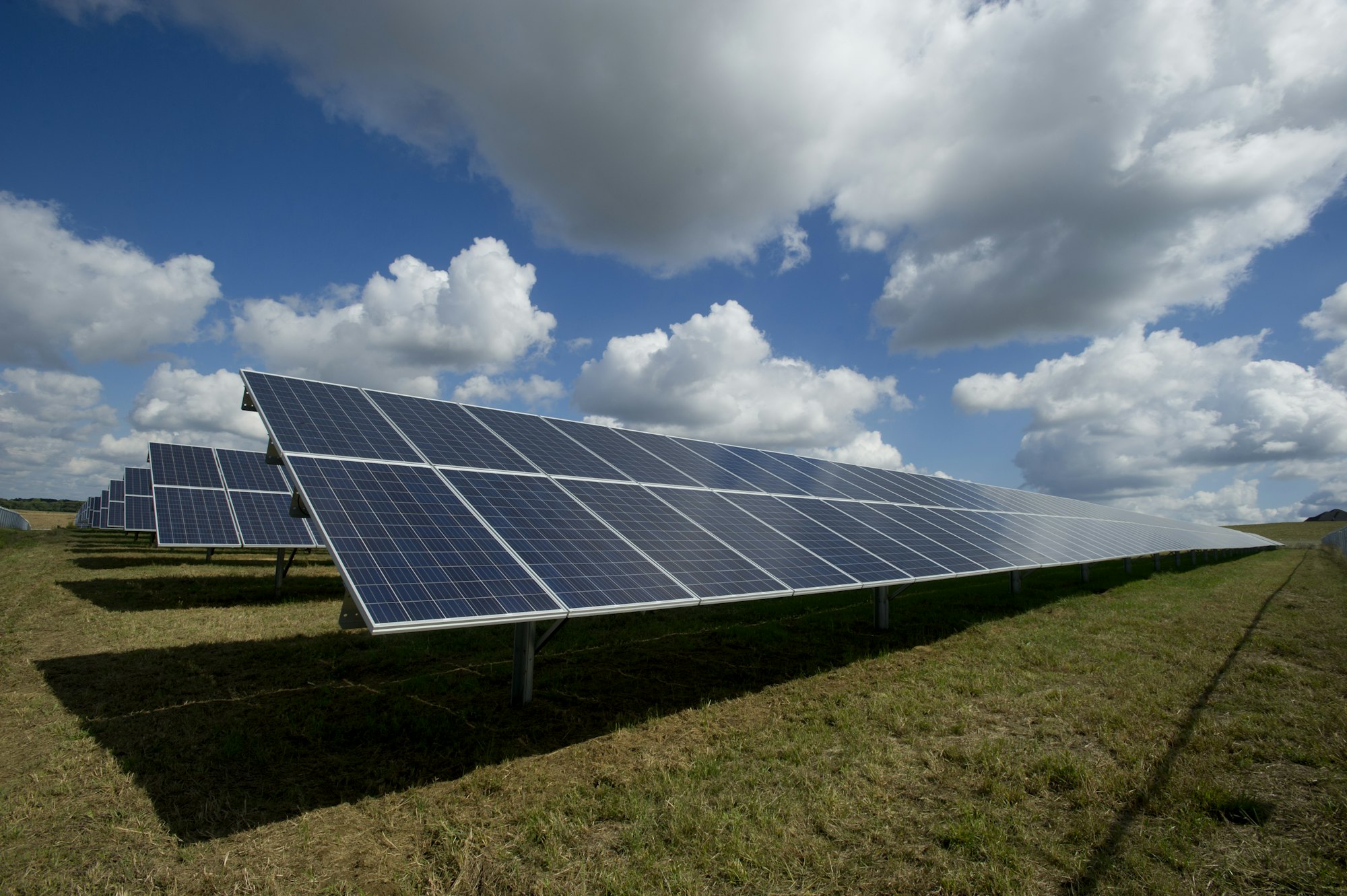
Solar PV for estates: design considerations that actually matter
Solar on an estate is not a generic “add panels” decision. Design considerations include:
- Roof geometry, shading analysis, and orientation
- Hurricane-rated mounting and attachment strategy
- Electrical service coordination for large homes with multiple panels
- Expandability for future loads like additional EV charging
Production expectations should be realistic, based on local net metering rules and rate structures. Coastal environments also benefit from maintenance planning: access, monitoring, and periodic cleaning.
Battery storage: quiet backup power and smarter energy use
Battery storage supports:
- Seamless outage ride-through
- Peak shaving and load smoothing
- Power quality for sensitive AV and smart systems
- Time-of-use optimization where applicable
Sizing is driven by decisions owners can actually answer:
- What loads must stay on?
- For how long?
- What level of comfort is required during an outage?
Integration details matter: automatic transfer switching, fire and safety clearances, and location planning that respects ventilation, flooding considerations, and service access.
Generator integration: still essential for longer outages
For many estates, the best solution is battery plus generator:
- Battery handles instant transfer and short outages quietly
- Generator provides endurance for multi-day events
Fuel type, storage, noise, and placement must be planned early, especially on waterfront properties with tight setbacks. Monthly exercise, monitoring, and service contracts should tie into the EMS so failures are identified before an actual storm event. Flood elevation requirements and coastal corrosion protection should be addressed in the installation plan.
Water and site sustainability: the other half of operating costs
Landscapes, pools, and exterior amenities can dominate resource use. Managing them well is “quiet sustainability,” and it reduces maintenance while protecting the investment.
Site civil, drainage, and waterproofing coordination also matter in South Florida, where heavy rains and storm surge risk can turn small issues into expensive repairs.
High-efficiency pools, spas, and outdoor amenities
Key upgrades that preserve the luxury experience:
- Variable-speed pool pumps with smart schedules
- High-efficiency heaters or heat pumps
- Pool covers for heat retention and reduced evaporation
- Automation that matches usage patterns, not generic run times
Outdoor kitchens and refrigeration loads can also be monitored, with smart shutoff and alerting where appropriate.
Smart irrigation and native-friendly landscaping
Landscape strategy is both aesthetic and operational:
- Weather-based controllers and drip irrigation
- Zoning by plant type and sun exposure
- Native and drought-tolerant selections where appropriate for South Florida
- Reduced runoff and fertilizer demand
Rain sensors and leak detection should alert a property manager immediately, ideally through the same home management platform.
Water heating, recirculation, and leak prevention at estate scale
Leak prevention is one of the highest ROI resilience features in any luxury home:
- Whole-home leak detection with automatic shutoff valves
- Moisture monitoring in mechanical rooms and under sinks
- Alerts routed to the right people instantly
This protects finishes, reduces catastrophic risk, and can materially reduce long-term maintenance costs.
Planning and budgeting: how to build (or remodel) sustainability into a luxury estate without compromise
The best process starts with performance goals, not product shopping.
Set targets early, such as:
- Comfort expectations by zone
- Resilience hours for critical loads
- Target humidity range (often more important than temperature)
- Energy targets such as HERS goals where relevant
- Monitoring and alerting expectations for property management
Budgeting priorities that tend to deliver the most predictable outcomes:
- Envelope and moisture strategy
- Right-sized HVAC plus dedicated dehumidification
- Controls and monitoring
- Solar, storage, and generator integration
- Refinements for lifestyle loads (EVs, dock systems, expanded outdoor amenities)
Common mistakes to avoid in high-end projects
- Over-automating without a maintainable plan and long-term support
- Oversized HVAC with under-designed dehumidification
- Ignoring service access (filters, pumps, controllers buried behind millwork)
- Adding solar and batteries without defining critical loads and control logic
- Skipping commissioning and relying on “it feels fine”
Execution: what a boutique luxury builder brings to energy-smart estates
Energy-smart estates succeed when design intent becomes buildable detail, and when sequencing is managed tightly across trades.
Kass Construction & Development, a state-licensed luxury custom builder based in Fort Lauderdale, serves Broward, Palm Beach, and Miami-Dade. Their approach fits this scope because it is architect-driven and execution-focused:
- Translating architectural design into high-performance envelope, MEP, and waterproofing details
- Integrated permitting and project management with vetted trade partners
- Clear sequencing that reduces rework and protects finished materials
- Risk mitigation through proactive planning and transparency
- An owner’s representation mindset that aligns performance goals with aesthetics, timelines, and privacy needs
On complex mechanical and electrical scopes, that coordination is often the difference between a home that simply looks exceptional and one that performs exceptionally for decades.
Closing: a practical roadmap for an energy-managed, sustainable luxury estate
If you want a luxury estate that runs quietly, protects its finishes, and stays livable through outages, the roadmap is consistent:
Envelope → right-sized HVAC and dehumidification → hot water plus lighting and shading → EMS monitoring and control → solar, battery, and generator → water and site systems.
Before plans are finalized, create a performance brief. Define comfort targets, resilience requirements, humidity expectations, and what you want monitored and alerted.
If you are planning a new luxury build or a high-end renovation in South Florida, Kass Construction & Development can help integrate energy management and sustainability decisions from day one, so performance is built in, not patched on later.
FAQs (Frequently Asked Questions)
Why is energy management particularly important for luxury estates in South Florida?
Energy management in luxury estates is crucial in South Florida due to the region’s unique challenges such as year-round heat and humidity, salt-air corrosion, hurricane risks, and rising utility rates. Proper energy management ensures quiet comfort, protects the home and lifestyle, maintains long-term property value, and enables resilience against outages and environmental stresses.
What makes luxury estates uniquely energy-intensive compared to typical homes?
Luxury estates often feature large conditioned spaces with high ceilings, multi-zone HVAC systems, guest houses, pools, spas, elevators, theaters, gyms, advanced AV systems, specialty refrigeration like wine rooms and safe rooms, extensive landscape lighting, dock systems, waterfront equipment, EV charging stations, and multiple electrical panels. These factors significantly increase energy demands.
How should a modern luxury estate be designed to optimize energy performance?
A modern luxury estate should be designed as an integrated system from the start. This includes coordinating the building envelope (shell), mechanical systems (HVAC and dehumidification), electrical components, controls (automation and monitoring), renewable energy sources (solar), and water systems. Early collaboration among architects, engineers, builders, and automation integrators is essential to avoid costly retrofits and ensure seamless performance.
What are the core building blocks of an energy-smart luxury estate?
The key steps include: 1) Reducing demand through a high-performance building envelope and passive strategies; 2) Optimizing major mechanical systems such as HVAC and water heating; 3) Adding automation and monitoring for control logic and alerting; 4) Incorporating on-site generation and storage like solar panels, batteries, or generators. These layers work together to create efficient and resilient estates.
Why is the building envelope considered the foundation of energy efficiency in luxury homes?
The building envelope controls air sealing to reduce infiltration and moisture intrusion, insulation matching climate needs, high-performance windows and doors for heat gain control, shading for solar reduction, cool roofs, impact-rated glazing for hurricane protection, corrosion-resistant materials for coastal exposure, vapor management detailing, and radiant barriers where appropriate. A superior envelope stabilizes humidity levels protecting finishes and artwork while reducing HVAC loads.
What specific South Florida considerations influence luxury estate construction related to energy management?
In South Florida’s coastal environment, special attention is given to impact-rated glazing with proper installation for hurricane codes; hardware and fasteners that resist salt-air corrosion; vapor barriers carefully detailed at transitions to manage moisture; radiant barriers tailored for roof assemblies; blower door testing to ensure airtightness; window ratings optimized for heat gain control; all aimed at durability against humidity-driven mold risk and maintaining indoor comfort.