What South Florida luxury lifestyle homeowners want in 2026 comes down to four things: privacy, performance, longevity, and a builder who can execute cleanly. Buyers in the $5M to $15M range have moved from trend-driven choices to outcome-driven ones, and they judge a home by how it lives on day 100, not how it photographs on day one.
Key takeaways
- Who is buying into the South Florida luxury lifestyle in 2026?
Three profiles dominate the South Florida luxury market in the $5M to $15M band: full-time primary residents who expect the home to run like a private resort every day, blended primary and seasonal owners who want lock-and-leave simplicity, and multi-home owners who treat the property as both a lifestyle hub and a long-term asset. - Where do South Florida luxury lifestyle buyers want to live?
Waterfront still dominates, but buyers are far more technical about it: seawall age and condition, dock readiness and electrical setup, salt and wind exposure, flood and drainage reality, and boat-lift clearances come up before the view does. - What architecture and curb appeal does the South Florida luxury lifestyle call for now?
South Florida luxury architecture now calls for timeless shells with modern detailing and fewer gimmicks: clean lines and calm massing, deep overhangs that actually manage heat and rain, warm modern materials that age well, and landscape-forward entries that feel private from the street. - How is indoor-outdoor living changing in South Florida luxury homes?
It is getting more engineered and more comfortable. Everyone says they want indoor-outdoor living; in 2026 owners want outdoor rooms that perform year-round, which means shade that blocks glare, ventilation that moves air quietly, insect management planned early, and acoustic comfort near water.
The early 2020s brought a surge of buyers and a lot of fast decisions. Some of those homes were stunning at closing and frustrating a year later, with finishes that could not hold up to salt air, sun, humidity, and real family life. Today’s homeowner is more sophisticated and far less patient with “flashy but fragile.” This guide walks through what they are asking for, room by room and system by system, across Broward, Palm Beach, and Miami-Dade, and what it means for how a home should be designed and built.
Who is buying into the South Florida luxury lifestyle in 2026?
Three profiles dominate the South Florida luxury market in the $5M to $15M band: full-time primary residents who expect the home to run like a private resort every day, blended primary and seasonal owners who want lock-and-leave simplicity, and multi-home owners who treat the property as both a lifestyle hub and a long-term asset.
Their requests, and the South Florida luxury lifestyle they describe, are more consistent than you might expect. In design meetings, preconstruction calls, and waterfront walk-throughs, the definition of luxury keeps returning to the same pillars: privacy, performance, longevity, and serviceability. Underneath the feature lists are drivers that rarely get said out loud: security, discretion, family convenience, and pride in craftsmanship. The best luxury homes feel calm because nothing is fighting you.
“Move-in ready” has also changed meaning. It is no longer fresh paint and staged furniture. It means commissioned systems that have been tested and balanced, a mature landscape plan rather than placeholder plantings, and hotel-like performance where lighting scenes, shades, audio, climate, and security work without daily troubleshooting. What owners want from a builder is equally clear: a transparent process, realistic scheduling, tight trade coordination, and fewer surprises. Our guide to choosing the right luxury custom home builder covers how to test for that.
Where do South Florida luxury lifestyle buyers want to live?
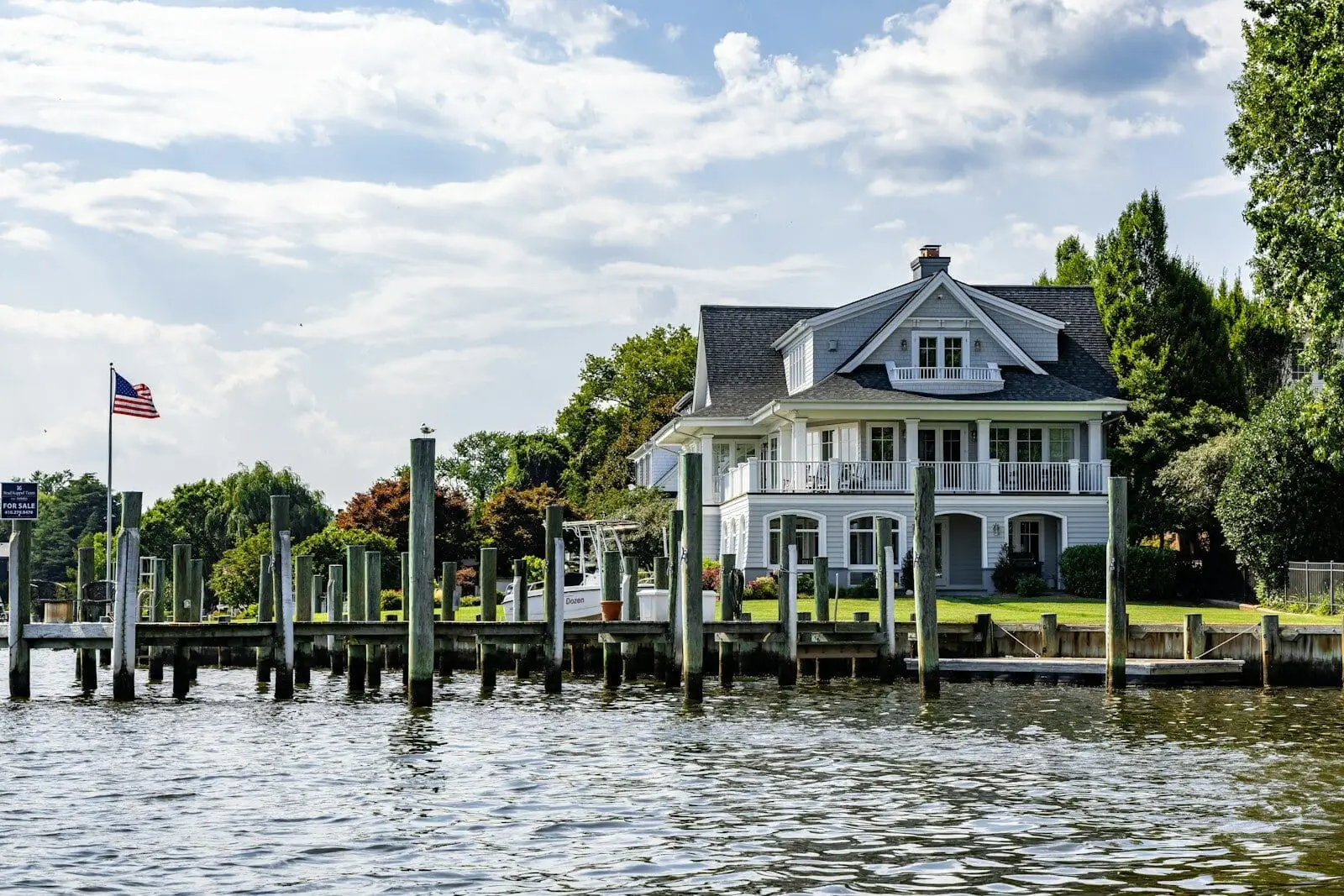
Waterfront still dominates, but buyers are far more technical about it: seawall age and condition, dock readiness and electrical setup, salt and wind exposure, flood and drainage reality, and boat-lift clearances come up before the view does. Alongside that, demand is growing for walkable pockets near dining, marinas, and arts districts, provided privacy is protected.
That is where “quiet prestige” enters the South Florida luxury lifestyle. Instead of headline addresses, many buyers prefer streets with better setbacks and calmer traffic, fewer tourists and event spillover, easier security planning, and a more discreet social profile. County differences show up in real requests: Broward leans into the waterfront lifestyle, indoor-outdoor entertaining, and boating-first planning; Palm Beach often prioritizes legacy estate character, layered landscaping, and long-term stewardship; Miami-Dade pushes design-forward detailing, sharper contemporary lines, and high expectations for technology and finish execution.
For the technical side of a waterfront purchase, start with our guides to waterfront luxury living, seawall maintenance, repair, and replacement, and what AE, VE, and X flood zones mean for luxury homeowners. For neighborhood-level detail, the South Florida Luxury Waterfront Communities series covers Las Olas Isles, Harbor Beach, Coral Ridge, Rio Vista, and more.
What architecture and curb appeal does the South Florida luxury lifestyle call for now?
South Florida luxury architecture now calls for timeless shells with modern detailing and fewer gimmicks: clean lines and calm massing, deep overhangs that actually manage heat and rain, warm modern materials that age well, and landscape-forward entries that feel private from the street. Timelessness is treated as return on investment, not taste.
Curb appeal in the South Florida luxury lifestyle has become more functional, too. Owners care about things you never notice when they are done well: concealed service zones and mechanical screening, garage massing that keeps the home from reading like a driveway, package delivery that does not disrupt privacy, and guest arrival choreography including valet flow and lighting cues. Architects are blending contemporary and coastal more intelligently, responding to South Florida light and heat with proportion, shade, and breathable transitions rather than importing a style. See modern vs. transitional luxury architecture and modern coastal architecture trends.
How is indoor-outdoor living changing in South Florida luxury homes?
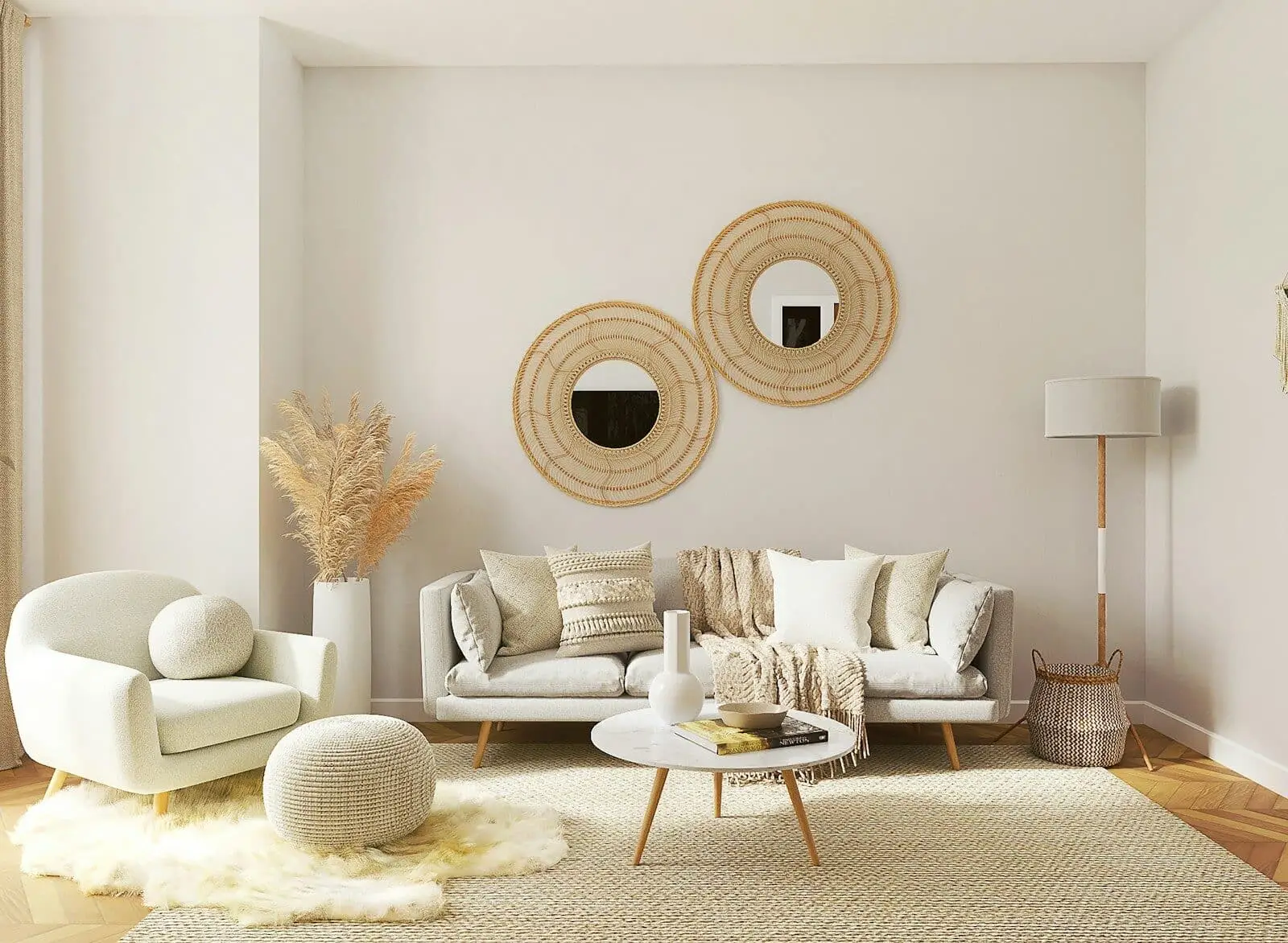
It is getting more engineered and more comfortable. Everyone says they want indoor-outdoor living; in 2026 owners want outdoor rooms that perform year-round, which means shade that blocks glare, ventilation that moves air quietly, insect management planned early, and acoustic comfort near water.
Popular configurations include fully covered terraces with ceiling treatments, fans, layered lighting, and heaters where appropriate; outdoor kitchens that function like indoor kitchens with real refrigeration, ice, storage, and clean-up; and lounge zones with discreet AV and durable upholstery that does not feel “marine.”
The signature is still the seamless transition, and owners now pay attention to the details that keep it seamless: pocketing doors that seal, flush thresholds that do not become water problems, flooring logic that reads as continuous while staying climate-appropriate, and drainage done correctly so the home performs in heavy weather. Pool courtyards and resort layouts are surging in the South Florida luxury lifestyle; privacy walls, greenery, and lighting scenes can make a standard lot feel like a boutique hotel. Our guides to indoor-outdoor living for Florida estates and private resort homes go deeper.
What do luxury buyers want in kitchens and primary suites?
In South Florida luxury homes kitchens are the command center: back kitchens or sculleries for prep and catering, two-island plans, beverage stations that pull traffic out of the main kitchen, zoned integrated refrigeration, and organization that is designed rather than improvised after move-in. Primary suites are about daily recovery: better sleep, showers, storage, and sound control.
Materials matter more in the South Florida luxury lifestyle, because the climate is unforgiving. Buyers choose stain-resistant counters and backsplashes, cabinetry finishes that do not show every touch, and hardware that will not corrode in six months.
Appliance preferences have shifted from brand display to experience: quiet ventilation that actually captures, induction where it makes sense for speed and clean air, seamless panels over shiny statements. Because open layouts are common, kitchens are now planned with lighting and acoustics in mind. See kitchen remodel ROI in luxury real estate.
In the primary suite, bathroom must-haves include steam and sauna-ready layouts, wet rooms with a real waterproofing strategy, seamless bidet integration, and intuitive controls. Closets are designed like retail environments with display lighting, lockable storage for valuables, island drawers, and seasonal rotation planning. The wellness features that stick are consistent rather than glamorous: space for a cold plunge, a therapy nook, and lighting that supports sleep. Our luxury spa bathroom design guide covers the details.
Why has wellness become a whole-house brief?
Wellness is a whole-house brief because air, water, light, and quiet are now baseline expectations in this bracket rather than amenities. Whole-home water filtration, humidity control that protects finishes and prevents musty smells, mold-resistant assemblies, and allergen-aware material selections show up in the bones of the home, not just in a gym.
Acoustic comfort is a major differentiator and requires planning: better insulation, real door specifications rather than hollow-core compromises, and mechanical isolation so equipment does not transmit noise. Fitness and recovery spaces are more intentional, with flooring, ventilation, mirrors, and audio treated as design, and shaded, private outdoor training zones are increasingly popular. Mental wellness shows up in views, biophilic design, and clutter control, which in practice means generous, logical storage built into the architecture. The 14 Patterns of Biophilic Design is the reference many architects work from; our own guides cover wellness and longevity focused home design and biophilic design in luxury coastal homes.
What do homeowners expect from smart home technology now?
Homeowners in Broward, Palm Beach, and Miami-Dade expect smart home technology that is less “futuristic,” more invisible and reliable. Owners want lighting scenes, shades, climate zoning, and security that work every time, which starts with network-first design: structured wiring planned early, enterprise-grade Wi-Fi layouts, and serviceable equipment locations.
Power-user features remain popular but calmer: AV that disappears into the architecture, voice control that is optional rather than required, and simple apps that do not demand attention. Privacy and cybersecurity are now part of the luxury conversation, with buyers asking about secure networks, discreet camera placement, and products that do not treat the home as a data source. They also expect a maintenance plan after move-in: updates, warranties, service calls, and a clear point of contact. A smart home should not become another job. See whole-home automation for luxury estates and future-proofing your smart home investment.
How do resilience and hurricane readiness fit the South Florida luxury lifestyle?

Performance is the new luxury flex. Impact glazing, roof assemblies, drainage, and wind-rated detailing matter, and buyers want them done right without the home feeling like a fortress. Backup power, water management, and salt-resistant material selection are now part of every serious build and renovation, partly because they shape insurability.
Backup power expectations in the South Florida luxury lifestyle have matured: generator and battery strategies that transfer seamlessly, fuel planning that matches real usage, and critical-load planning that keeps the home comfortable and secure. Water management is where many homes win or lose long term: site grading that moves water away from the structure, sump strategies where appropriate, flood-vent planning where applicable, and elevated mechanicals.
Material selection is about surviving salt, sun, and storms: correct fasteners and anti-corrosion specifications, coatings and detailing that reduce failure points, and assemblies designed for serviceability. Our guides to hurricane-resistant construction, coastal corrosion-resistant materials, and how flood zones affect insurance premiums cover the specifics, and Florida’s Division of Emergency Management publishes the state’s preparedness guidance.
How do privacy and security show up in luxury home design?
Privacy and security show up in Florida luxury home design as layered protection that still feels welcoming. The best security reads as good design: landscape buffers that create separation, lighting that supports safety without turning the property into a stadium, gates and access control integrated into the architecture, and cameras that are effective but not intrusive.
Arrival planning is a recurring request: separate service entry and staff circulation, secure package delivery, and guest flow that feels gracious while maintaining privacy. Safe rooms and secure storage appear in many projects, and the key is integration so security does not disrupt aesthetics. On the waterfront, security gets more specific: dock access control, marine lift considerations, and lighting that respects neighbors while maintaining visibility. HOA rules, city regulations, and permitting realities shape what is possible, which is why experienced local navigation is how projects avoid delays and redesign cycles. See advanced home security and surveillance and HOAs and architectural review boards.
What finishes, workspaces, and hosting features are in demand?
In demand across South Florida: “touchable” luxury and long-term durability: natural stone used strategically, warmer woods, plaster and microcement looks, and fewer high-gloss surfaces. Offices are real rooms with sound isolation and proper video lighting, and hosting has moved from one formal theater to intimate lounges, wine rooms, and guest suites with hotel-like bathrooms.
Clients are actively avoiding delicate finishes that show every fingerprint, porous materials in wet zones, and trend-driven tiles that will date quickly. Craftsmanship in this bracket is precise and consistent: shadow reveals that line up, trim logic that stays coherent across rooms, crisp grout lines, and hardware alignment that does not drift from door to door.
Coastal-proofing is built into finish decisions through anti-corrosion specifications, exterior paint systems, and maintenance-friendly landscaping, and the best teams lock long-lead items early so the project is not forced into substitutions that feel like compromises.
Dual-office households and study zones for children are common, so sightlines and separation keep the home functional on different schedules. Behind the scenes, laundry, storage, and staff circulation determine whether the home feels effortless or constantly “in use.” Our guide to homes built for hosting family and VIP guests covers the entertaining side.
What process do South Florida luxury lifestyle homeowners want from their builder?
Homeowners want architect-driven design paired with a builder like Kass Construction who can execute. Architect-led projects win in this bracket because they deliver coherence, arrive more permitting-ready, and reduce field conflicts. Owners then expect a boutique builder to bring schedule clarity, cost transparency, meticulous trade management, and quality control.
Preconstruction is where sophisticated owners feel protected: budgeting, constructability reviews, long-lead procurement planning, and timelines that reflect reality. Permitting and municipal navigation vary across Broward, Palm Beach, and Miami-Dade, and local experience reduces redesign cycles and avoidable delays. Many owners also use owner’s representation to stay informed without carrying daily construction stress. Read how builders and architects collaborate, the pre-construction planning process, and what an owner’s representative does.
Where does Kass Construction fit into the 2026 luxury standard?
Kass Construction & Development is a state-licensed, Fort Lauderdale-based boutique luxury builder serving Broward, Palm Beach, and Miami-Dade, focused on architect-driven custom homes, waterfront estates, and high-end renovations with an execution style that matches what 2026 buyers demand.
The firm delivers luxury new builds, high-end renovations and remodeling, permitting and project management, architecture and design partnerships, and owner’s representation for complex projects. Its advantage is risk management: Mitch Kass is both a licensed Florida general contractor (license CGC1529472) and an attorney, so land acquisition, waterfront constraints, permitting, and contract structure are handled with fewer blind spots.
With four decades in Florida real estate, law and construction and 100+ luxury residences delivered by Mitchell Kass and the firms he has led, the client-fit scenarios look like transforming an older waterfront home into a high-performance, low-maintenance modern coastal property, building a custom estate from land acquisition through completion on a tight preconstruction plan, or managing a complex remodel while minimizing disruption. Learn more about the firm and our services.
What should you prioritize if you are building or renovating in South Florida in 2026?
If you are building or renovating in South Florida in 2026, prioritize in order: site, structure, and envelope; systems and resilience; layout and indoor-outdoor engineering; then finishes and styling. The recurring non-negotiables are resilience planning that does not rely on luck, a dehumidification and climate-control strategy, seamless backup power, engineered indoor-outdoor detailing, and privacy planning from the street to the dock.
Budget reality for the South Florida luxury lifestyle favors performance categories more than people expect. The biggest wins usually come from investing in the envelope and systems, kitchens and baths built to last, and exterior living that functions year-round. Timeline reality matters just as much: a custom build often runs 18 to 36 months from design through closeout and a high-end renovation often 6 to 12 months, depending on scope, complexity, approvals, and procurement, and clear early decisions, long-lead planning, and realistic scheduling are what protect both. The South Florida luxury lifestyle in 2026 is not about being louder. It is about being calmer, stronger, and easier to live with.
What does the South Florida luxury lifestyle ask of each part of the home?
The South Florida luxury lifestyle translates into a specific brief for each part of a home, and the table below turns the expectations in this guide into the design and construction decisions they require.
| Part of the home | What the South Florida luxury buyer expects | Design and construction decision |
|---|---|---|
| Site and arrival | Privacy, water or garden views, a sense of arrival | Gated court, planted screening, elevated entry sequence designed to the flood zone |
| Architecture | Warm modern or modern transitional, resilient by design | Impact glazing, deep overhangs, continuous load path, durable materials |
| Indoor-outdoor living | Glass walls, covered outdoor rooms, resort-style pool | Structural transfers, drainage at thresholds, wind-rated outdoor structures |
| Kitchen and primary suite | Showpiece kitchen with a working scullery; spa-grade suite | Zoned mechanical, ventilation, waterproofing, filtered water |
| Wellness | Air, water and light quality; fitness and recovery spaces | Fresh-air systems, dehumidification, circadian lighting, acoustic separation |
| Technology | Invisible control; backup power; security | Equipment room above the flood level, structured cabling, generator and batteries |
| Resilience | A home that stays intact and habitable through a storm | Elevation above requirement, elevated equipment, storm-mode automation |
| Hosting and family | Guest suites, multi-generational wings, entertaining flow | Private entries, elevators, separate zones |
| Process | Transparency, one point of contact, no surprises | Weekly reporting, milestone draws, independent oversight |
Storm preparedness for households is published by the Florida Division of Emergency Management, and the structural baseline is the Florida Building Code. The rows are developed in modern coastal architecture trends, private resort homes with pools, spas and outdoor kitchens, wellness and longevity-focused home design and hurricane-resistant construction.
What is the order of priorities for a South Florida luxury build or renovation?
The South Florida luxury lifestyle is delivered in an order of priorities, and the sequence below is the one that protects the decisions that cannot be changed later.
- The lot and its constraints: flood zone, seawall, zoning and review boards, settled in a feasibility study before purchase; see AE, VE and X flood zones in Broward County and waterfront luxury living in South Florida.
- Elevation, structure and envelope, the irreversible layer, designed for resilience first.
- Indoor-outdoor living and the plan’s zoning, which need spans and separation built into the structure, per indoor-outdoor living for Florida estates.
- Wellness and technology infrastructure in the walls: air, water, cabling, equipment room and backup power, per whole home automation and smart home technology investment and future-proofing.
- Security and privacy designed into the architecture, per advanced home security and surveillance.
- Kitchens, suites and hosting spaces, where the budget is most flexible; see kitchen remodel ROI, luxury spa bathroom design and luxury homes built for hosting.
- Finishes and furnishings last, chosen for the coast from coastal corrosion-resistant materials.
- A process that reports weekly and verifies every draw, through an owner’s representative, with the builder chosen by how to choose the right luxury custom home builder and the start timed by the best time to start a custom luxury home build.
Frequently asked questions about the South Florida luxury lifestyle in 2026
Why is 2026 considered a new era for South Florida luxury living?
Because buyers in the $5M to $15M range now prioritize durability, functionality, and privacy over aesthetics alone. After a wave of fast, trend-driven purchases in the early 2020s, homeowners judge a property by how it performs on day 100, and they expect performance, longevity, and serviceability designed in from the start.
What are the main homeowner profiles in South Florida’s luxury market?
Three: full-time primary residents who want the home to run like a private resort every day, blended primary and seasonal owners who want lock-and-leave simplicity with predictable maintenance, and multi-home owners who treat the property as both a lifestyle hub and a long-term asset with resale in mind.
What defines a move-in ready luxury home in 2026?
Fully commissioned systems that are tested and balanced, controls that make sense, a mature landscape plan rather than placeholder plantings, and hotel-like performance where lighting, shades, audio, climate, and security operate without daily troubleshooting.
How have location priorities changed for South Florida luxury buyers?
Waterfront still leads, but buyers now assess seawall condition, dock readiness, flood and drainage reality, and boat-lift logistics before the view. There is also growing demand for walkable pockets near dining and marinas on “quiet prestige” streets with better setbacks, calmer traffic, and easier security planning.
How do preferences differ across Broward, Palm Beach, and Miami-Dade?
Broward leans into the waterfront lifestyle, indoor-outdoor entertaining, and boating-first planning. Palm Beach emphasizes legacy estate character, layered landscaping, and long-term stewardship. Miami-Dade pushes design-forward architecture, sharper contemporary lines, and high standards for technology and finish execution.
What do luxury homeowners expect from a builder during construction?
A transparent process, realistic scheduling, tight coordination among trades, and minimal surprises. The emphasis has shifted from “we can do anything” to “we can execute cleanly,” backed by preconstruction budgeting, constructability review, and clear reporting.
How long does a luxury build or renovation take in South Florida?
A custom build often runs 18 to 36 months from design through closeout, and a high-end renovation often 6 to 12 months, depending on scope, complexity, approvals, and procurement. Permitting and long-lead procurement are the phases most likely to move the finish date.
What defines the South Florida luxury lifestyle beyond the properties themselves?
The water, the calendar, and the pace. South Florida luxury living runs outdoors most of the year, from boating and golf to an evening economy of dining and culture, and South Florida luxury homes are staged around that rhythm rather than around interior seasons.
How central is boating to South Florida luxury living?
Central enough to shape real estate values. A large share of the South Florida luxury market prices dockage, water access, and vessel logistics directly into the home, and South Florida luxury neighborhoods are often compared by their run to the inlet before their school districts.
Is the South Florida luxury market seasonal?
Less than it used to be. The region’s shift toward year-round residency has flattened the old winter season, and South Florida luxury demand now runs across the calendar, though the South Florida luxury social season still concentrates events into the cooler months.
What surprises new arrivals to South Florida luxury neighborhoods?
How much the outdoors is infrastructure. Summer heat, storms, and salt air mean South Florida luxury homes work hard behind the scenes, with hurricane protection, cooling capacity, and corrosion-resistant materials doing quiet work so the lifestyle stays effortless on the surface.
How should a newcomer choose among South Florida luxury areas?
By routine, not by brochure. The honest method is to map a normal week, the marina, the office, the schools, the airport, and then shortlist South Florida luxury neighborhoods that make that week frictionless. The right area is the one your calendar already fits.
How do you start planning a luxury home in South Florida?
Kass Construction & Development builds and renovates luxury custom homes and waterfront estates across Broward, Palm Beach, and Miami-Dade Counties from East Fort Lauderdale. If you are planning a build or renovation and want a team that treats privacy, performance, and longevity as the brief, get in touch or call 954-607-4335 to schedule a private consultation.
Related guides. Continue with why families choose Kass for legacy homes, multi-generational luxury home layouts, the Kass difference, and the best time to start a custom luxury home build.